What if your first Uganda safari could bring together savannah wildlife, a rainforest primate trek, and time to experience local culture, without trying to see everything at once? A Uganda safari for first timers can include far more than game drives, but the distances between parks mean your route and pace matter as much as your wish list.
It’s understandable to wonder what to include and whether getting between experiences will make the trip feel rushed. You don’t need to fit every highlight into one journey. Start with what matters most to you, how much time you have, and how much travel you want each day. Clear routing and local guidance can help you make practical choices.
This 2026 guide explores wildlife, gorilla and chimpanzee trekking, cultural visits, and natural landscapes, then helps you decide what fits your trip. It also covers practical decisions to make before departure, from timing and permits to travel arrangements, so you can plan a first safari that feels rewarding and manageable.
Key Takeaways
- A Uganda safari for first timers can combine wildlife, primates, culture, and nature, but a satisfying trip doesn’t need to include every experience.
- Compare experiences by setting, activity, travel time, and comfort needs to find a mix that suits your interests.
- Build your itinerary around your available days and preferred pace. Fewer, well-connected stops can make the journey more comfortable.
- Prepare in sequence by setting priorities, aligning travel dates, planning transport, and reviewing current entry requirements through official sources.
- BLS safaris brings your interests, dates, and preferred pace together with clear routing, handpicked lodges, and local guidance.
What Makes Uganda Safari a Rewarding First Safari?
You don’t need to cross the whole country or visit every famous stop for a first safari to feel complete. Begin with a few personal priorities, then allow enough time to enjoy each place and travel between them without rushing.
A first Uganda safari is a planned journey that brings together wildlife, landscapes, cultural experiences, and the travel between them at a pace that suits you. A game drive across open savanna feels different from a forest walk or a visit focused on local culture. Each experience brings its own setting and rhythm.
Rather than copying a popular route, decide what you most want to remember. Is it watching wildlife in a savanna setting, spending time in a rainforest, meeting local people, or balancing several kinds of experience? Then consider how much movement between destinations feels comfortable. A focused itinerary can give you more time in each setting and less pressure to keep moving.
What can you experience on a first Uganda safari?
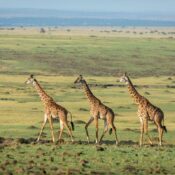
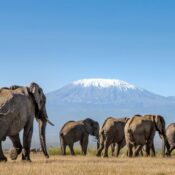
Think in experience categories, not a checklist of parks. Savanna areas offer game drives and opportunities to look for animals such as elephants, lions, buffalo, and giraffes. Forest settings bring a different focus: primate encounters, forest scenery, and time on foot. For background on one well-known forest destination, the Bwindi Impenetrable National Park page describes its geography, biodiversity, and conservation history.
Kibale National Park is another forest destination associated with chimpanzee experiences. These parks are options, not required stops. Cultural experiences can add context to a journey, while the landscapes between activities become part of the trip rather than empty time to fill. Gorilla and chimpanzee trekking involve distinct arrangements, so consider them as separate priorities when shaping your plans.
Is Uganda a good fit for your first safari?
Uganda may suit you if you’re drawn to more than one wildlife setting and want to combine savanna viewing with primates, forest landscapes, or cultural experiences. That variety gives you room to shape a trip around your interests rather than a single style of safari. It also means making deliberate choices about routing and pace.
Use these questions to see whether the mix feels right for you:
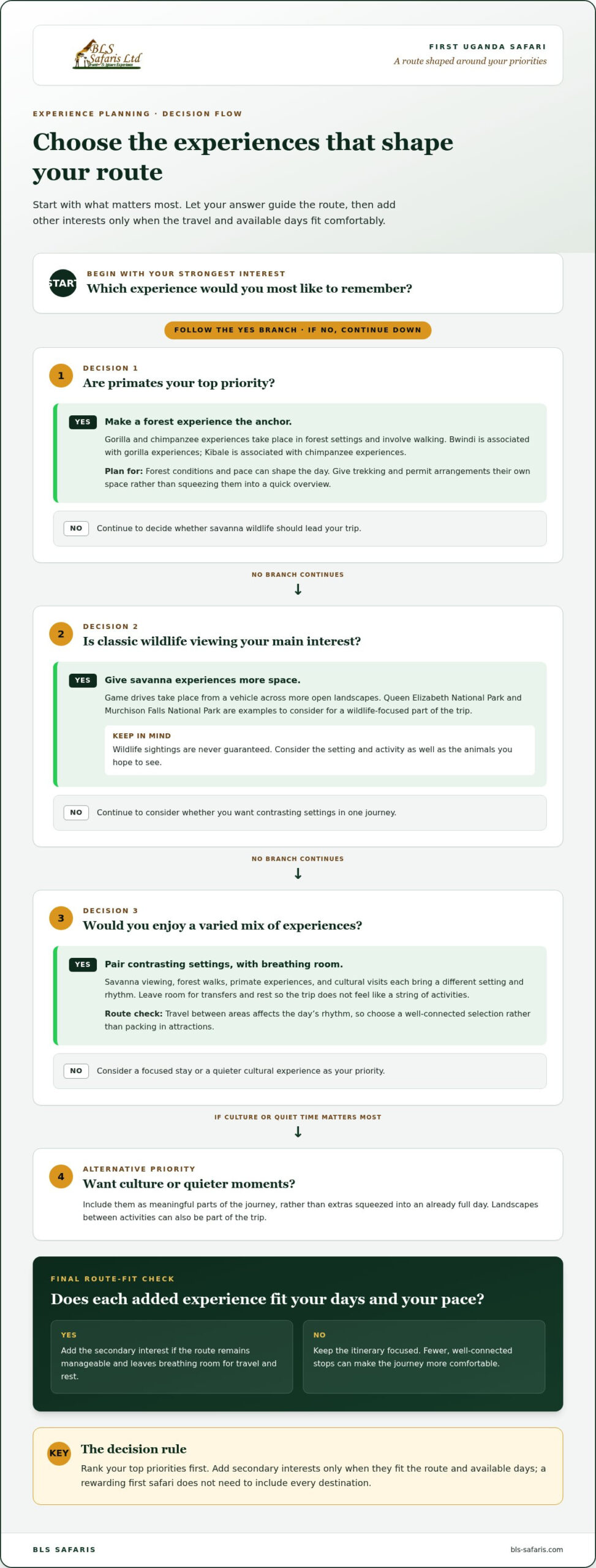
- Mostly interested in classic wildlife viewing? Give savanna experiences more space in your plan.
- Especially curious about primates? Make forest experiences a priority and account for their place in the route.
- Want a broader sense of the country? Add cultural or nature experiences where they fit comfortably with your travel time.
If changing settings sounds appealing, a well-paced mix may be rewarding. If you prefer longer stays in one area, keep the itinerary focused. The right first Uganda safari matches your interests and energy, rather than racing to include every destination.
Which Uganda Safari Experiences Should First-Timers Understand?
Instead of treating Uganda as a checklist of parks, think about what each experience involves. A forest trek, a savanna game drive, and a cultural visit differ in walking, time on the road, and downtime. Understanding those differences helps you choose a varied trip without making every day feel like a transfer or activity.
Forest primate experiences involve walking through forest, while savanna wildlife viewing usually takes place from a vehicle across more open landscapes. This distinction matters when you’re weighing comfort, energy, and how you’d like to spend your time. Wildlife sightings are never guaranteed, so consider the setting and activity as well as the animals you hope to see.
Forest, primate, and savanna experiences
Gorilla and chimpanzee experiences take place in forest environments and involve walking. The setting and pace are shaped by the conditions on the day. These experiences differ from vehicle-based viewing, where you can cover open ground while looking for wildlife. Give trekking and permit arrangements their own space in your planning rather than squeezing them into a quick overview.
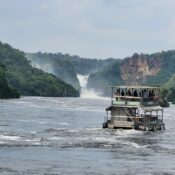
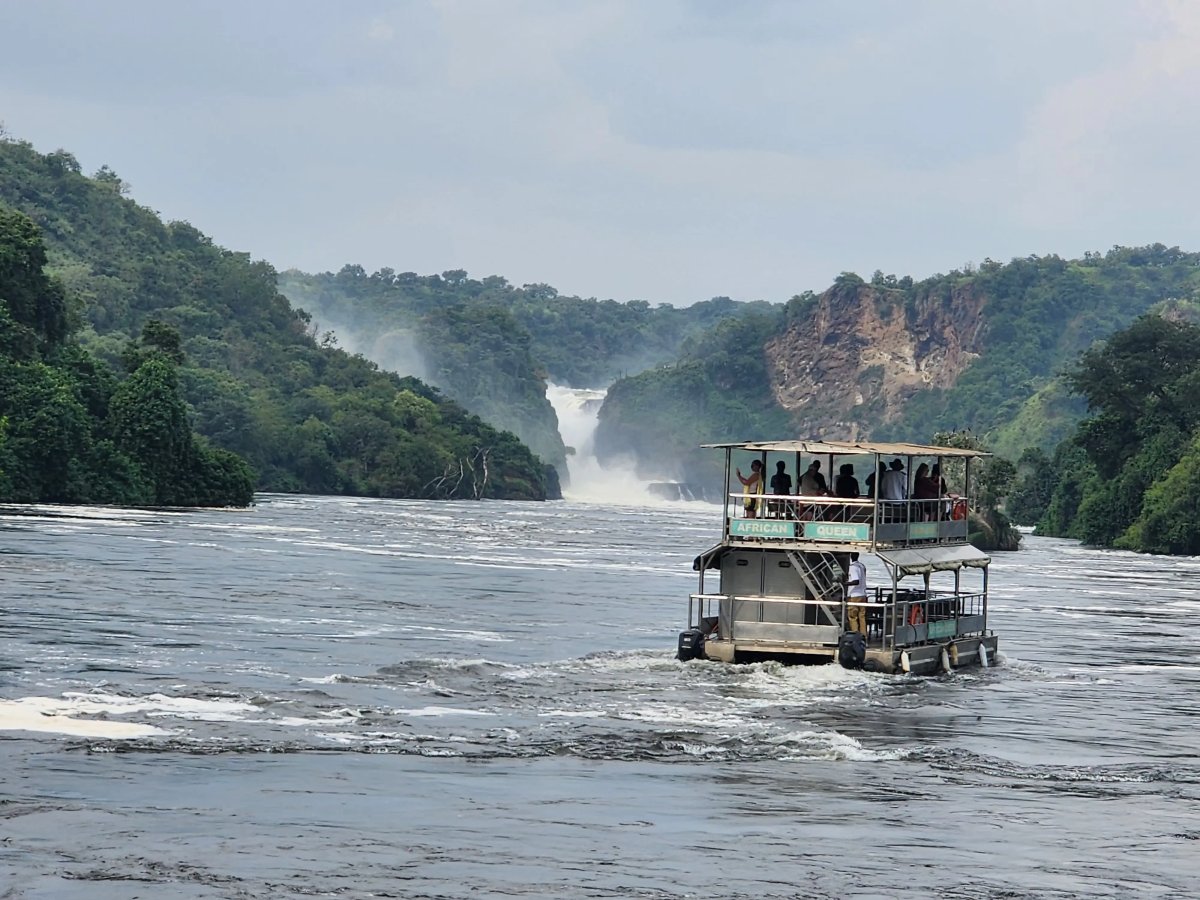
For savanna viewing, Queen Elizabeth National Park and Murchison Falls National Park are two examples to consider. Each can anchor a wildlife-focused part of a trip. The time spent travelling between areas also affects the day’s rhythm. The Uganda Wildlife Authority provides official information about Uganda’s protected areas and wildlife experiences.
How to choose experiences that suit your travel style
Start by ranking what matters most: wildlife, primates, scenery, culture, or quieter time. Choose your top priorities first, then add secondary interests only if they fit the route and available days. This makes it easier to decide which experiences deserve time and which can wait for another visit.
- Wildlife first: Prioritise time in savanna settings and allow room for game viewing.
- Primates first: Build the trip around a forest experience, then add other stops only if travel between them feels manageable.
- A varied mix: Pair contrasting settings, but leave breathing room for transfers and rest.
- Culture or quieter moments: Include these as meaningful parts of the journey, rather than extras to squeeze into an already full day.
Each experience category brings its own movement and planning needs. A well-connected selection is often easier to enjoy than a packed route of attractions. If you’re weighing different experience types, tailor-made Uganda safaris can be shaped around your interests, available time, and preferred pace.
How Should You Shape a First Uganda Safari Around Your Time and Priorities?
Start with the time you actually have, then decide which experiences deserve the most room. The best fit isn’t necessarily the itinerary with the most stops. A Uganda safari for first-timers can feel more rewarding when experiences connect sensibly and the plan leaves space for rest, instead of filling every day with another destination.
Use this comparison to turn broad interests into planning choices. It’s a starting point, not a fixed route. Travel connections and your preferred pace will determine what fits.
| Priority | Experience focus | Planning implication |
|---|---|---|
| Wildlife viewing | Savanna activities | Allow time for wildlife viewing and consider how travel between areas affects the day. |
| Primate encounters | Forest experiences | Give the experience and its location priority before adding other stops. |
| Varied scenery | A mix of landscapes | Choose settings that complement one another and account for the connections between them. |
| Culture and a gentler pace | Cultural visits and time to unwind | Protect open time rather than treating every available day as an activity day. |
How many days should a first Uganda safari have?
There isn’t one ideal duration for every traveler. The time you need depends on the experiences you choose, how quickly you like to travel, and how the journey connects one area to another. A plan centered on one main interest has different needs from a trip combining several settings.
Think beyond the number of nights. Transfers take time, and arriving somewhere new may leave you wanting a quieter stretch before the next activity. Build in breathing room for meals, rest, and changes in pace. If the trip only works by moving on immediately after every experience, consider removing a stop.
How to balance wildlife, primates, and downtime
Pick one experience as your anchor, then add interests that fit around it. If primates are the priority, consider whether a wildlife experience or cultural visit complements the route without turning the journey into a string of long travel days. If savanna viewing comes first, add another category only when its location and timing make sense.
Every added destination brings something new but also means more movement and less unstructured time. Decide which trade-off feels right before building a day-by-day plan. To make the route practical, map each priority to its location, estimate the time needed for transfers, and leave room for rest. Before departure, review the CDC travel health guidelines for Uganda as part of your preparations. Consider seasonal choices alongside your priorities, rather than letting them dictate an itinerary that feels too rushed.
What Should First-Time Visitors Prepare Before a Uganda Safari?
A little structure makes the practical side easier to manage. For a Uganda safari for first timers, work through the main decisions in order instead of trying to settle every detail at once. First, decide what you most want from the trip. Next, match your dates and available time to those priorities. Then organise the journey and its stays, and review your travel documents and current requirements before departure.
A useful preparation sequence is: confirm your priorities, align your dates, plan the route and logistics, then review your documents and current entry guidance. The steps connect: your chosen experiences affect the route, and the route helps determine where you stay and how you move between activities.
- Confirm priorities: Choose the experiences that matter most and the pace you’d enjoy.
- Align dates: Set your travel window and available time before settling on a route.
- Plan logistics: Connect transfers, accommodation, meals, and guiding with the journey.
- Review documents: Check passport validity and current entry requirements through official sources before departure.
Documents, travel arrangements, and current requirements
Review your passport and entry requirements, using official government guidance for the latest rules that apply to your circumstances. Requirements can change, so avoid relying on old checklists or undated information. International flight arrangements and visa applications are separate planning tasks from the safari itself. Organise them independently and align them with your confirmed travel dates.
Health preparation deserves attention too. Review current advice from an appropriate official health source and discuss personal medical questions with a qualified health professional. Making these checks early gives you time to address questions calmly rather than leaving everything to the final days.
Lodges, guiding, and what to pack
Accommodation is part of the route, not an isolated decision. Consider how each stay connects with planned activities and transfers, and clarify how meals and guiding fit into the overall safari arrangement. Pack for the experiences you’ve chosen, with comfortable everyday clothing, personal essentials, and any items you rely on. Keep luggage practical, and use dedicated trekking guidance for activity-specific packing advice.
Before travelling, keep key documents and journey information accessible, and make sure you understand how each part of the plan fits together. Clear routing and local guidance can help first-time travellers feel oriented from one experience to the next. For support bringing your route, stays, and preferred pace together, plan your Uganda safari with BLS safaris.
How Can BLS Safaris Make Planning Your First Uganda Safari Easier?
A first safari can bring plenty of decisions: which experiences to include, how much time to allow, and how to make the route comfortable. BLS Safaris plans tailor-made Uganda safaris around your interests, travel dates, preferred pace, and budget. You set the priorities, and the plan takes shape around them.
Clear routing, handpicked lodges, and local guidance work together. The route connects the experiences, accommodation fits into the journey, and practical guidance helps you understand how the pieces fit from enquiry through travel. This makes planning more manageable without treating every attraction as a must-see or promising particular wildlife sightings.
What does tailored local safari planning help organise?
A single plan can bring wildlife viewing, primate experiences, cultural visits, accommodation, and transfers into a connected journey. Consider not only what you’d like to do, but also how each experience relates to the next and what pace feels right. Local guidance can help clarify those choices and keep the route practical as plans develop.
BLS Safaris lists UTB License UTB/RTT/TT/2025/101532 and membership in AUTO, UTB, and UWA. Your interests and travel time remain the starting point for shaping a safari that feels personal and well organised.
What to share when you begin planning
You don’t need a finished itinerary to start. A few clear preferences give the planning conversation useful direction. Share your preferred travel dates, the experiences that matter most, the pace you enjoy, and the amount of time available. It also helps to mention who is travelling and any group needs that may shape activity choices or the overall rhythm.
Be open about your budget, too. It helps guide the scope of the trip and accommodation choices within the wider journey. If you’re unsure whether to prioritise wildlife, primates, culture, or time to unwind, say so. Those preferences can be worked through together, rather than forcing you to choose a complete route on your own.
From there, BLS Safaris can shape a clear, personalised proposal, connecting your priorities with routing, handpicked lodges, and the practical arrangements that support the journey. The plan reflects your interests and available time, with transparent pricing and local guidance as you prepare to travel.
Ready to start shaping your Uganda safari for first timers? Share your safari ideas with BLS Safaris, including the dates, experiences, and pace you have in mind.
Start Shaping a Safari That Feels Like Yours
Your first planning decision doesn’t have to be a finished route. Start with the feeling you want to bring home: a quiet morning in nature, a memorable wildlife encounter, or time shared with the people you’re travelling with. This gives your early ideas a personal centre, rather than another checklist to complete.
For a Uganda safari for first timers, name one priority you wouldn’t want to miss and one experience you’re happy to save for another trip. Those choices give your planning conversation useful shape without closing off other possibilities. Keep your first thoughts simple. Your dates, who’s travelling, and the pace that feels comfortable are enough to begin a thoughtful discussion.
When you’re ready to turn those ideas into a journey, share what matters most and let the itinerary take shape from there. Share your safari ideas with BLS Safaris. A considered first step can help make the journey feel more personal from the outset.
Frequently Asked Questions
Is Uganda a good destination for a first safari?
Yes, Uganda can suit first-time safari travellers who want a mix of wildlife, primates, landscapes, and culture. The right fit depends on your interests, available time, and preferred pace. Decide whether you’d be disappointed to miss a forest primate experience or a savanna wildlife outing, then make that your anchor. This makes it easier to weigh optional activities without treating every attraction as essential.
How many days do you need for a first Uganda safari?
There’s no single ideal length, because your chosen experiences and the travel connections between them shape the schedule. Start by identifying your main priority, then see how much time remains for other interests and rest. A trip with fewer, connected stops may feel less hurried than one with frequent changes. Compare routes by the time spent travelling as well as the activities they include.
Can you combine gorilla trekking and wildlife viewing in Uganda?
Yes, you can plan a Uganda safari that includes both primate experiences and savanna wildlife viewing, provided the route and pace allow for them. They take place in different settings, so consider the journey between each activity as part of the plan, not as an effortless add-on. Choose the experience you most want first, then assess whether the other fits your available time without making the trip feel overly compressed.
Is a Uganda safari difficult to plan for a first-time visitor?
It can feel like a lot to coordinate, but breaking the work into decisions makes it more manageable. Begin with your main interests and travel dates, then consider how accommodation and transfers fit around planned activities. Tailor-made safari planning with local guidance can help connect the pieces and give you a clearer picture of the journey before you travel.
What should I arrange before travelling to Uganda?
Start by checking that your passport will be valid for your travel, then review current entry requirements through official government sources. Arrange international flights and any visa application separately from safari planning. Also think through how you’ll get between planned experiences and what clothing suits your activities. Keep copies of important travel documents accessible, and revisit official guidance close to departure in case requirements have changed since you first checked.
What wildlife can first-time visitors see on a Uganda safari?
Uganda offers wildlife experiences in both forest and savanna settings, with opportunities to plan around primates as well as other wildlife. What you may encounter depends on the environments and activities in your itinerary, and sightings can’t be promised. To make your choices, consider whether you prefer looking for animals from a vehicle or exploring a forest setting on foot, then choose activities that best match that interest.
Can I plan a Uganda safari around my own interests and budget?
Yes, tailor-made safari planning can bring your interests, travel dates, preferred pace, and budget into one journey. Sharing a budget range helps shape decisions about the overall scope and accommodation, while naming your priorities helps determine where to focus. You might also mention who’s travelling and any group needs. The resulting plan can be personalised around the trip you want.