
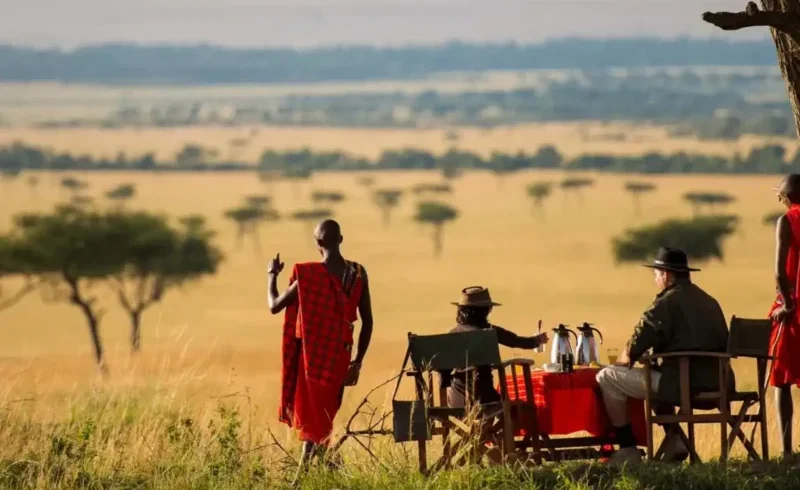
This 12-day East Africa safari tour takes you through Kenya, Tanzania, Rwanda, and Uganda, offering an unforgettable journey across the region’s most iconic wildlife destinations. From Big Five game drives in the Serengeti and Maasai Mara to gorilla trekking in Uganda, this safar

An Exceptional Cross-Border Safari Experience by BLS Safaris Ltd The 7-Day Masai Mara & Gorilla Trekking Adventure delivers an extraordinary journey that unites Kenya’s golden savannah plains with Uganda’s misty rainforest mountains. BLS Safaris Ltd designs this immersive expedit
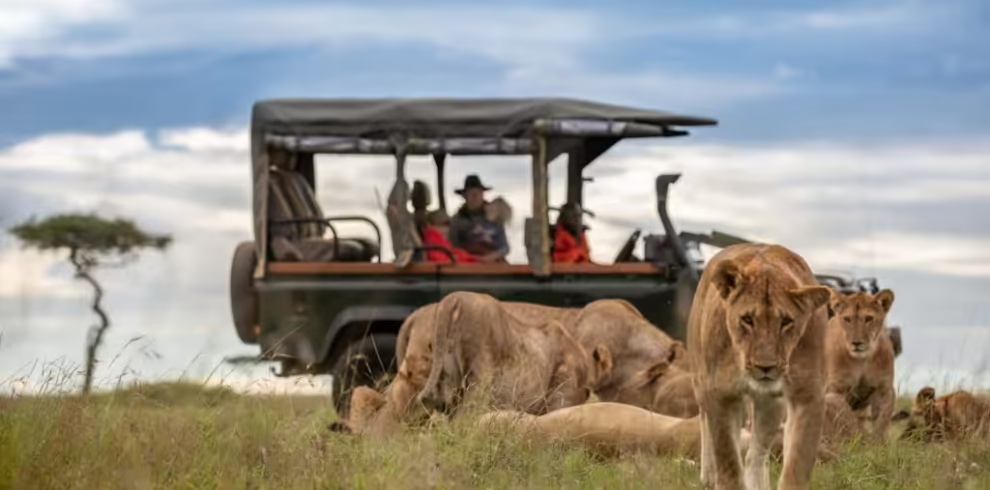
Four-day Tanzania short safari — the world's largest unbroken caldera at Ngorongoro, plus Tarangire's iconic baobabs and giant elephant herds. Big Five virtually guaranteed.
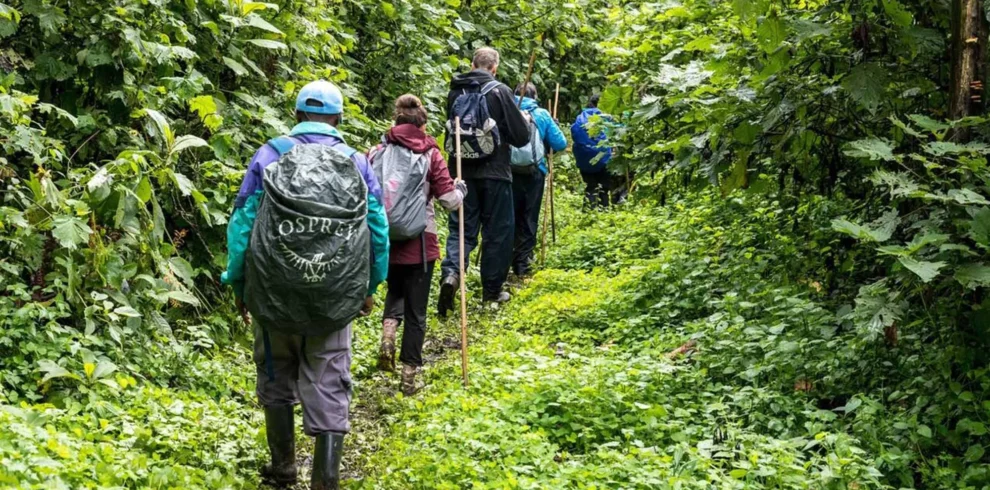
Embark on a thrilling 2-Day Bwindi Gorilla Trekking Safari from Kigali, where you will experience the awe-inspiring majesty of mountain gorillas in their natural habitat. Nestled within the lush, dense forests of Uganda’s Bwindi Impenetrable National Park, this adventure promis
East Africa Safari Destinations by Country
Kenya, Tanzania, Uganda and Rwanda each offer a different style of East Africa safari. Kenya and Tanzania are more strongly centred on savannah wildlife and classic game drives, while Uganda and Rwanda add gorilla trekking, chimpanzees, and highland forests. The best choice depends on the wildlife you want to see, how much time you have and which countries fit naturally into your route. The sections below show where each destination fits within a wider East Africa safari.
Uganda Safaris for Gorillas, Chimpanzees and Wildlife
Uganda is particularly well suited to travellers who want to combine mountain gorillas and chimpanzees with game drives and boat safaris in one country. Bwindi Impenetrable National Park is the main gorilla trekking destination, while nearby Mgahinga adds another gorilla trekking option and golden monkey tracking. For chimpanzees, Kibale National Park is the country’s leading destination and fits naturally into a western Uganda route with Queen Elizabeth National Park and Bwindi. Queen Elizabeth adds savannah game drives, the Kazinga Channel boat safari and wildlife viewing before the journey continues south towards the gorilla parks. Murchison Falls National Park can be added when more time is available, combining Nile boat trips with game drives in northern Uganda. Because the country’s main safari areas are spread over considerable distances, a good Uganda itinerary should allow enough time between parks rather than trying to cover too much in a short trip.
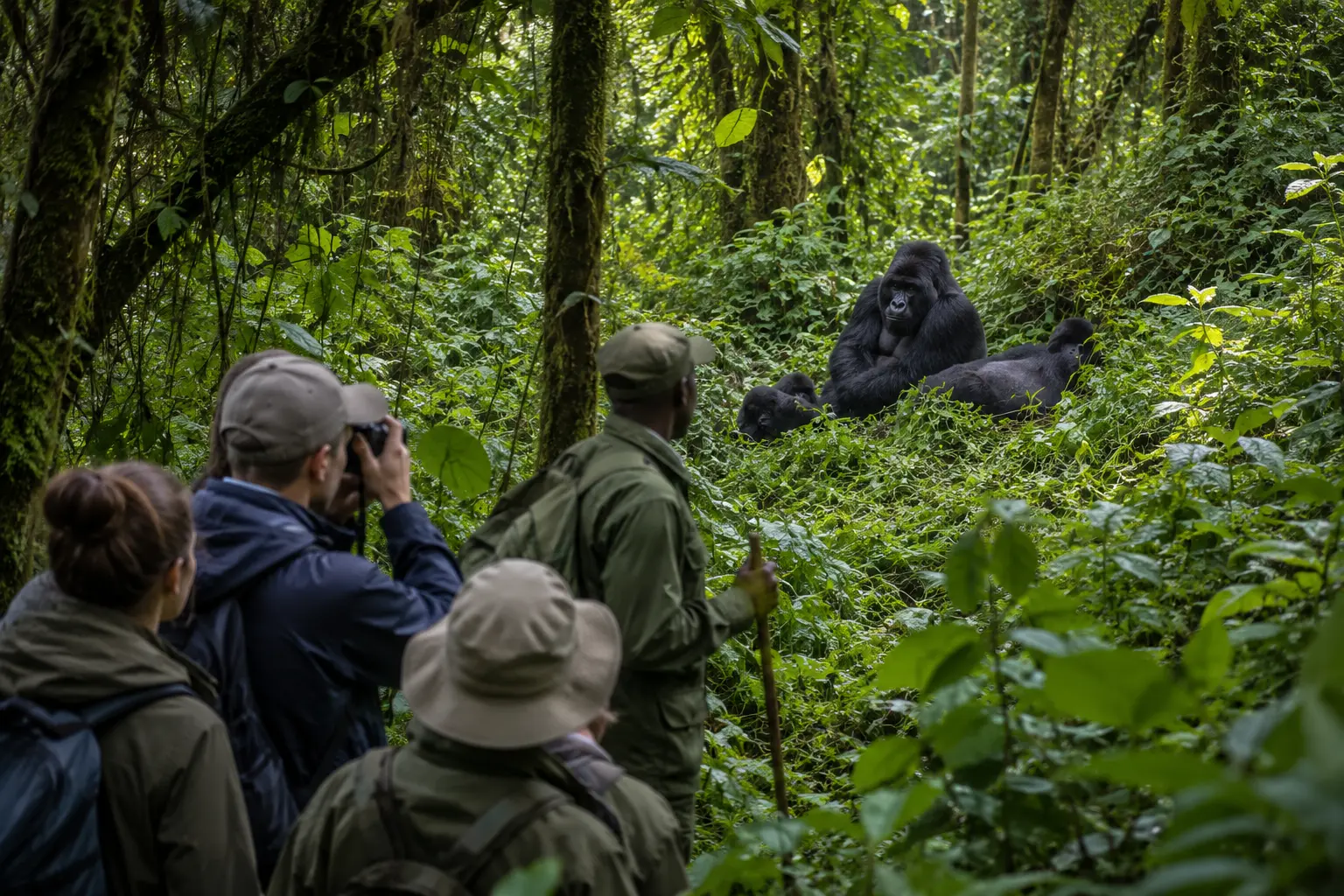
Bwindi Gorilla Trekking
Kenya Safaris for the Maasai Mara and Big Five
Kenya is one of East Africa’s main destinations for classic game drives, big cats and Big Five wildlife. The Maasai Mara National Reserve is the country’s best-known safari area and forms part of the wider Serengeti-Mara ecosystem, making it especially important during the Great Migration. Amboseli National Park adds large elephant herds and clear-day views towards Mount Kilimanjaro, while Lake Nakuru National Park is particularly valuable for rhinos and Rift Valley birdlife. Further north, Samburu offers a drier landscape and distinctive species including Grevy’s zebra, reticulated giraffe and gerenuk. Kenya is also practical for multi-country travel. It combines naturally with northern Tanzania, while the Indian Ocean coast gives travellers the option to finish their safari in Diani, Watamu, Malindi or Lamu. For most itineraries, the strongest route is built around a few well-connected areas rather than trying to cover every major reserve.
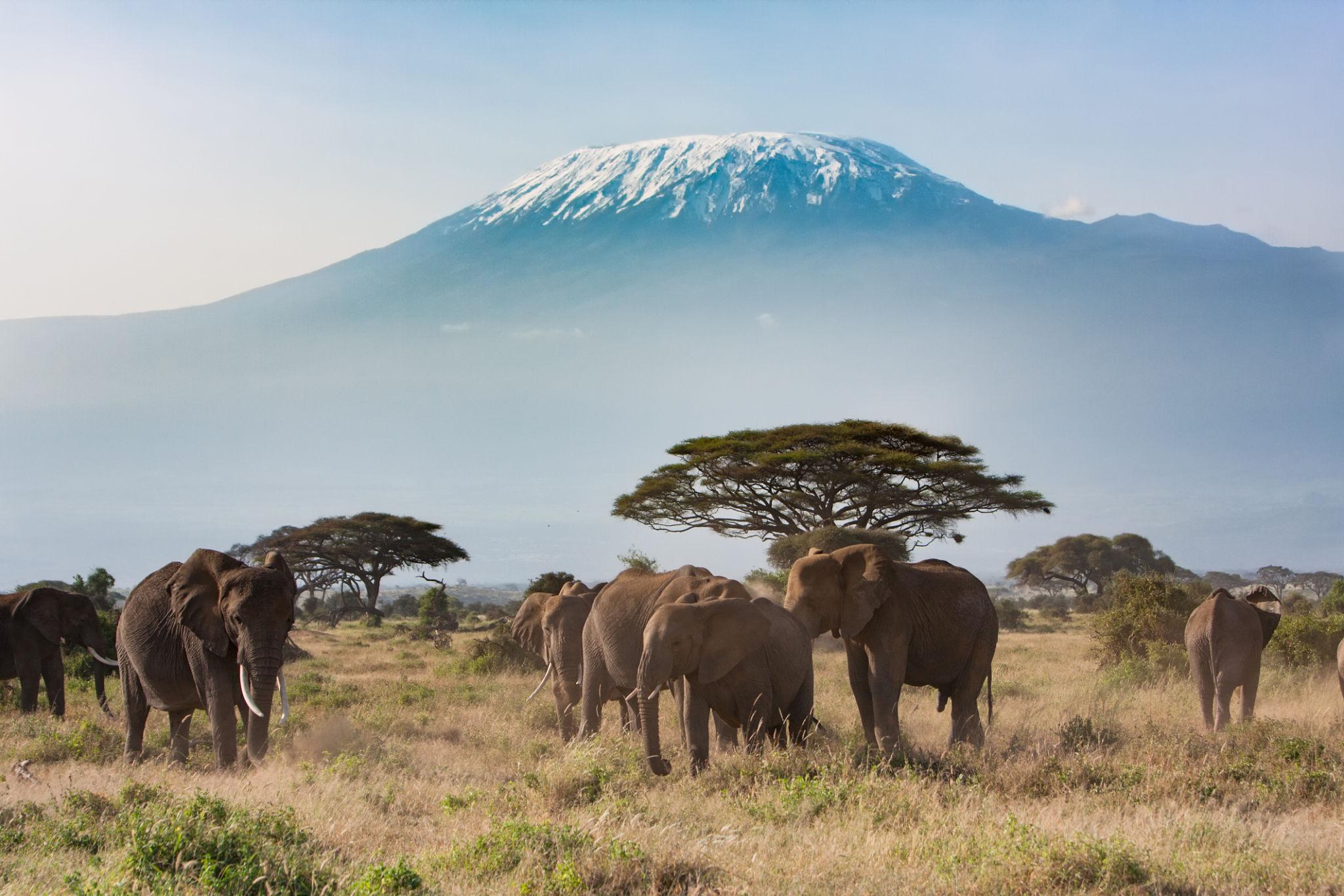
Elephants beneath Mount Kilimanjaro during an Amboseli National Park safari in Kenya
Tanzania Safaris for Serengeti, Ngorongoro and Zanzibar
Tanzania is centred on some of East Africa’s most important wildlife areas, particularly the Serengeti, Ngorongoro Crater and Tarangire National Park. These destinations form the core of the northern safari circuit and combine well for travellers who want extended game viewing without moving between countries. The Serengeti National Park is central to the Great Migration and year-round big-game safaris. For Migration-focused trips, the location of your lodge or camp should match the seasonal movement of the herds rather than simply staying in one part of the park throughout the year. Ngorongoro Crater adds concentrated wildlife viewing, while Tarangire is particularly rewarding for elephants, baobab landscapes and seasonal wildlife concentrations. Lake Manyara can be included when it fits naturally into the route. Tanzania also makes safari and beach combinations straightforward. Flights connect the northern safari areas with Zanzibar, allowing travellers to finish with several days on the Indian Ocean after the wildlife portion of the trip.
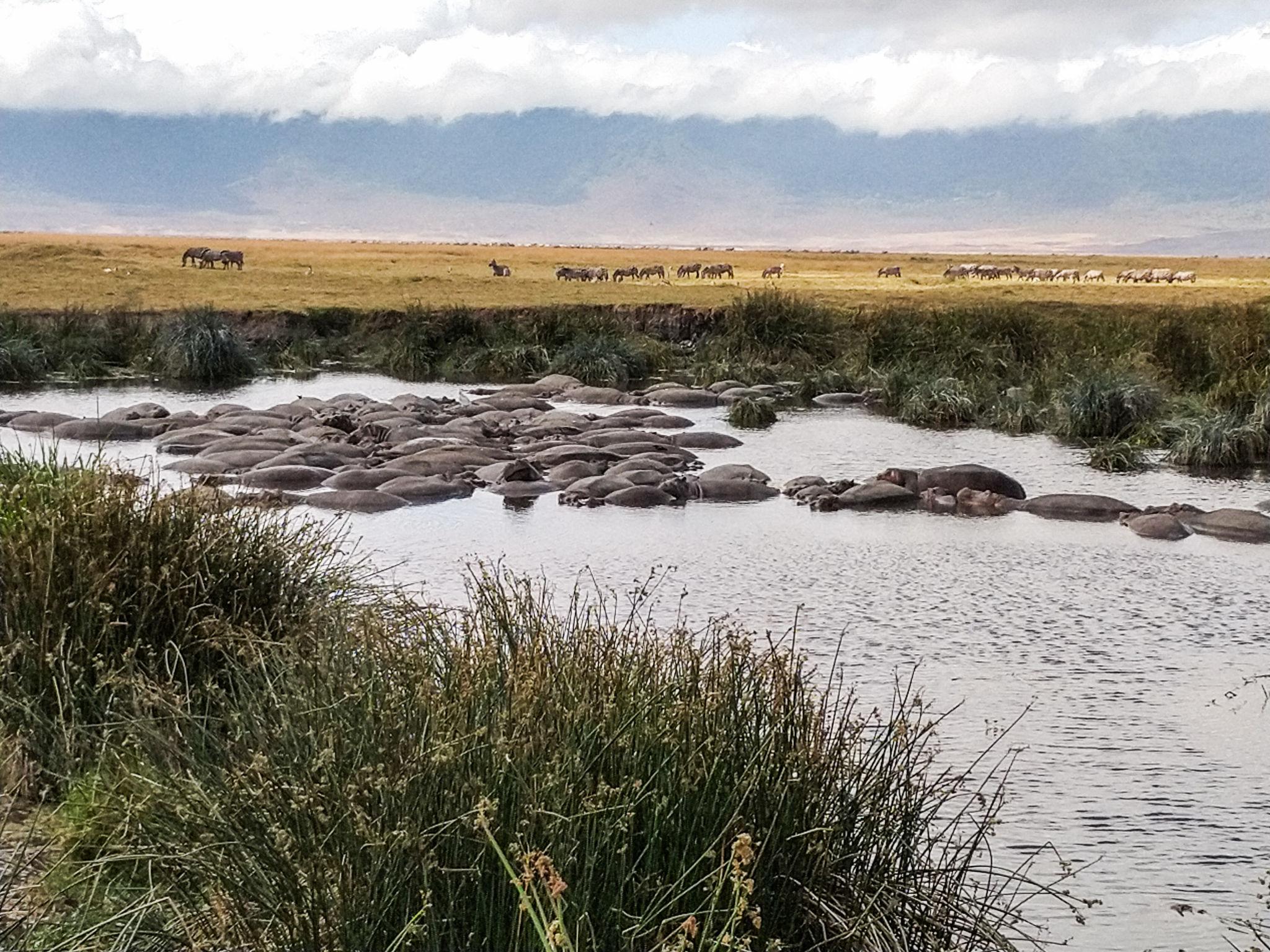
Hippos on the Ngorongoro Crater floor during a northern Tanzania wildlife safari
Rwanda Safaris for Gorillas, Chimpanzees and Akagera
Rwanda works particularly well for travellers who want to combine mountain gorillas, chimpanzees and savannah wildlife within a relatively compact safari route. Volcanoes National Park is the country’s main gorilla trekking destination and lies roughly 2.5 to 3 hours by road from Kigali, making it practical to reach after an international arrival. Further south, Nyungwe National Park adds chimpanzee tracking, other primates, forest hiking and the canopy walkway. Akagera National Park provides a very different setting with savannah game drives, lakes and Big Five wildlife, allowing Rwanda to combine primate trekking with a traditional wildlife safari. Lake Kivu can be included between the country’s western destinations when the itinerary allows. Rwanda also combines naturally with southwestern Uganda, making it useful for cross-border routes connecting Volcanoes National Park with Bwindi or Mgahinga.
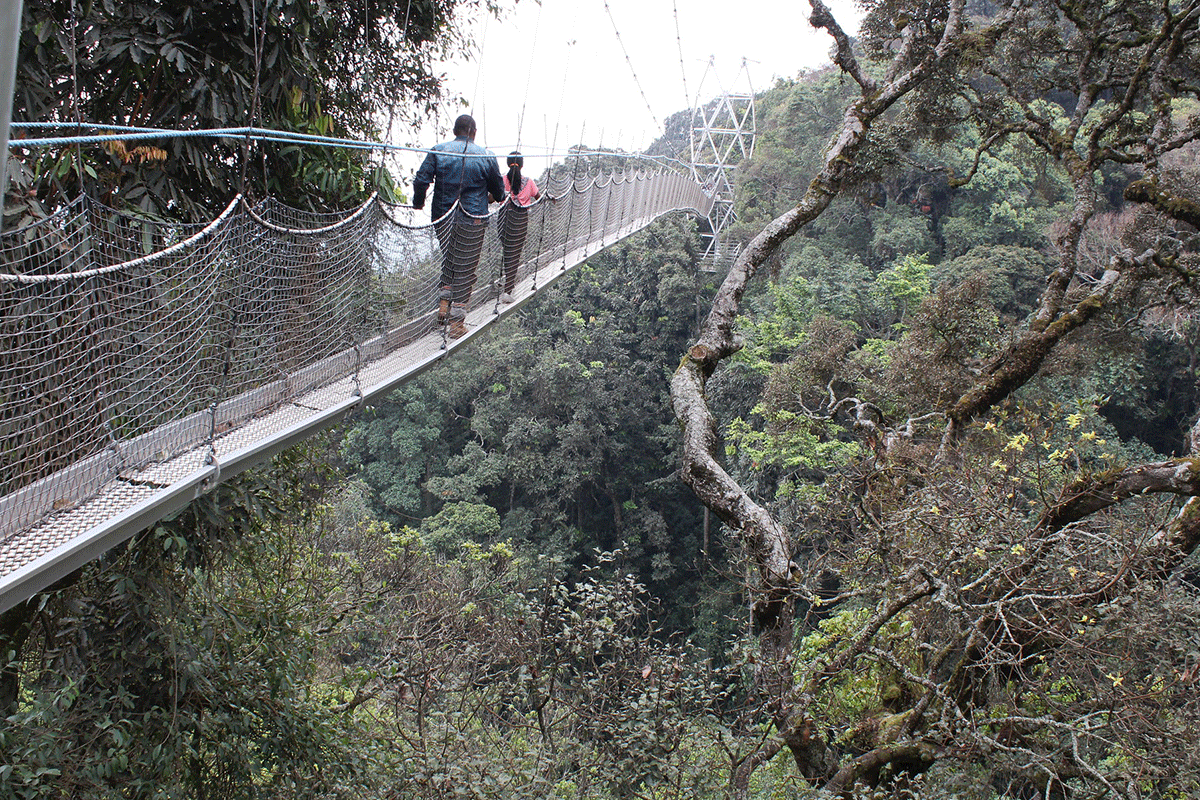
Nyungwe canopy walkway above the montane rainforest during a Rwanda safari
Best Things to Do on an East Africa Safari
An East Africa safari can combine game drives, gorilla and chimpanzee trekking, the Great Migration, bird watching, mountain hiking, cultural experiences and Indian Ocean beach extensions. The activities you choose should depend on the countries in your itinerary, the season and how much time you have. Some experiences require dedicated days or advance permits, while others fit naturally into the same safari route. The sections below cover the main activities worth considering when building an East Africa itinerary.
Gorilla Trekking in East Africa
Mountain gorilla trekking is available in Uganda and Rwanda, with the main destinations being Bwindi Impenetrable National Park, Mgahinga Gorilla National Park and Volcanoes National Park. Permits should be secured early, particularly when travelling during popular safari periods. In Uganda, gorilla tracking can take around 2 to 7 hours, depending on where the assigned family is located, while standard visits allow up to one hour with the gorillas once they are reached. Bwindi requires particular attention to the trekking entry point when choosing accommodation, while Rwanda’s Volcanoes National Park is reached more easily from Kigali. Strong hiking boots and rain protection are useful in both countries because mountain forest conditions can change quickly.
Game Drives and Big Five Wildlife in East Africa
Classic game drives are strongest across the savannahs of Kenya and Tanzania, particularly in the Maasai Mara, Serengeti, Ngorongoro and Amboseli, where travellers can look for Big Five wildlife, big cats and large herds. Uganda adds game drives in Queen Elizabeth and Murchison Falls National Parks, while Akagera National Park provides Rwanda’s main savannah and Big Five experience. Early mornings and late afternoons are often productive for wildlife activity, although full-day drives work particularly well in larger safari areas where more time is needed to cover different habitats.
Great Wildebeest Migration in East Africa
The Great Wildebeest Migration moves through the Serengeti-Mara ecosystem in Tanzania and Kenya, with large herds of wildebeest and zebra following seasonal grazing and water. Where you stay should therefore match the part of the migration you want to experience. From roughly July to October, the herds are generally associated with the northern Serengeti and the Maasai Mara, when Mara River crossings may occur. These crossings are unpredictable and cannot be guaranteed on a particular day. In the southern Serengeti and neighbouring short-grass plains, January to March is associated with the calving period, with peak births concentrated around February. For a Migration-focused safari, both the travel month and accommodation location need to be planned together

Wildebeest crossing the Mara River during the Great Migration between Serengeti and Maasai Mara
Chimpanzee Trekking in East Africa
Chimpanzee trekking adds another important primate experience to an East Africa safari, with Kibale National Park in Uganda and Nyungwe National Park in Rwanda among the main destinations. Kibale fits particularly well into a western Uganda route with Queen Elizabeth National Park and Bwindi, allowing travellers to combine chimpanzees, savannah wildlife and mountain gorillas within one itinerary. In Rwanda, Nyungwe adds chimpanzee tracking and rainforest activities to a longer route through the country’s western and northern destinations. For travellers particularly interested in primates, chimpanzee trekking can complement rather than duplicate the gorilla experience.
Birding Safaris in East Africa
East Africa supports excellent birding across montane forests, wetlands, Rift Valley lakes and open savannahs. Uganda and Rwanda are particularly important for Albertine Rift forest species, while Kenya and Tanzania add large wetlands, soda lakes and extensive grassland habitats. Important birding areas include Bwindi and Mabamba Wetland in Uganda, Lake Nakuru in Kenya, and the Serengeti-Ngorongoro region in Tanzania. Sought-after birds range from the shoebill and African green broadbill to flamingos and numerous raptors. Dedicated birders benefit from combining slower forest walks, wetland excursions and game drives rather than relying on wildlife drives alone.
Mountain Hiking in East Africa
East Africa also offers major mountain trekking beyond its wildlife safaris. Mount Kilimanjaro in Tanzania is Africa’s highest mountain, while Mount Kenya provides high-altitude trekking through alpine terrain. Uganda adds the Rwenzori Mountains, known for demanding multi-day routes through high mountain landscapes, as well as Mount Elgon for volcanic scenery and longer hiking trails. These climbs need to be treated as proper itinerary components rather than short safari add-ons. Kilimanjaro, Mount Kenya and longer Rwenzori routes require several days, suitable fitness and recovery time, particularly if the same trip also includes gorilla trekking or long road transfers.
Cultural and Community Experiences in East Africa
Cultural visits add more value to an East Africa safari when they are locally organised and led by the communities involved. Depending on the destination, experiences may include guided village walks, storytelling, traditional skills, food, crafts and discussions about how communities live alongside wildlife and protected areas. Examples include Maasai and Samburu experiences in Kenya, Batwa and Karamojong community visits in Uganda, Gorilla Guardians Village in Rwanda, and Maasai, Hadzabe or Datoga experiences in Tanzania. The strongest visits focus on genuine interpretation and local participation rather than treating communities simply as photo stops.
East Africa Safari and Beach Extensions
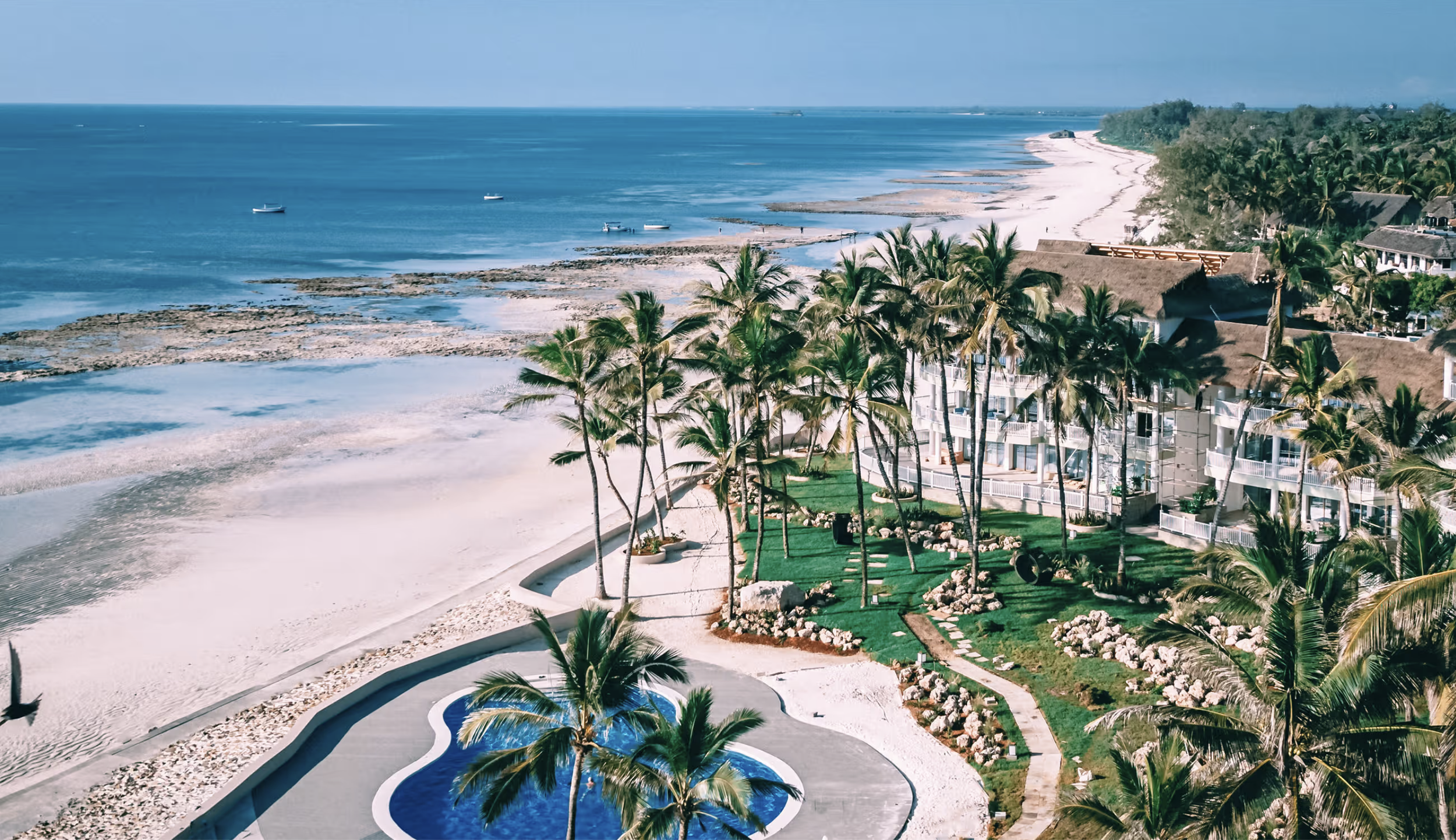
An East Africa safari can finish naturally on the Indian Ocean coast, particularly after wildlife circuits in Kenya or Tanzania. Zanzibar is the main beach extension from Tanzania, combining coastal stays with Stone Town and marine activities, while Diani, Watamu and Lamu provide strong options after a Kenya safari. Adding 3 to 5 beach nights works well for travellers who want a slower finish after game drives, trekking or longer overland routes. Regional and domestic flights make it possible to move from the main safari areas to the coast without adding several days of road travel. Short stays in cities such as Nairobi or Kigali can also be added when international flight times make an arrival or departure night useful
Best Time to Visit East Africa for Safari
East Africa can be visited throughout the year, but the best travel period depends on the countries, wildlife, and activities in your itinerary. For classic savannah safaris in Kenya and Tanzania, the generally drier periods are popular because roads and game-viewing tracks are easier to use and wildlife often concentrates around reliable water sources. In Uganda and Rwanda, drier periods also make gorilla trekking trails and mountain roads easier to manage. Uganda commonly has favourable conditions around June to August and December to February, while Rwanda’s main dry period runs broadly from June to mid-September, with another shorter drier period around the end and beginning of the year. Wetter months can bring muddier tracks and slower road transfers, but safaris and primate trekking continue. They can also mean greener landscapes and fewer visitors in some areas. If your trip is centred on the Great Wildebeest Migration, timing needs to be more precise because the herds move through different parts of the Serengeti-Mara ecosystem during the year.
HOW MANY DAYS DO YOU NEED FOR AN EAST AFRICA
SAFARI?
The right length for an East Africa safari depends on how many countries you want to visit and how much travel is involved between parks. Shorter trips work better within one country or a compact regional route, while longer safaris allow enough time for wildlife viewing, primate trekking, border crossings and regional flights without spending too much of the trip in transit.