

Uganda, famously known as the Pearl of Africa, offers one of the most extraordinary safari experiences on the continent. This 6-Day Uganda Gorilla Trekking & Wildlife Safari takes you deep into the heart of East Africa, combining thrilling wildlife encounters with unforgettable g

Embarking on the 9 Days Uganda Wildlife and Gorillas Adventure Tour offers an unparalleled opportunity to immerse yourself in the stunning landscapes and vibrant wildlife of Uganda, famously dubbed the “Pearl of Africa” by Winston Churchill. This expedition encompasses an array o
An Exceptional Wildlife Journey Crafted by BLS Safaris Ltd The 10 Days Uganda Safari: The Big Five, Forest And Lakes Safari introduces travelers to Uganda’s most iconic wildlife destinations while revealing breathtaking forests, savannahs, lakes, and vibrant cultures. This extrao
The 7-Day Uganda Safari is an unforgettable journey through the “Pearl of Africa,” combining thrilling wildlife encounters, breathtaking landscapes, and rich cultural experiences. This carefully designed Uganda safari takes you to some of the country’s most iconic destinations, i
Things to See in Murchison Falls National Park
The Powerful Murchison Falls
Murchison Falls is the reason many travellers first hear about this park, and once you see it, you understand why it deserves that attention. The Victoria Nile narrows suddenly into a 7-metre gap, then drops about 43 metres through the rocks with thunder, spray and raw pressure. From the Top of the Falls, you watch the Nile forcing its way through the gorge below your feet. From the boat cruise, you approach slowly from downstream, with cliffs rising ahead, waterbirds on the rocks, hippos in the shallows and crocodiles resting along the banks. These two views give you two different feelings of the same place. One shows you the power from above; the other lets you feel the build-up from the river.
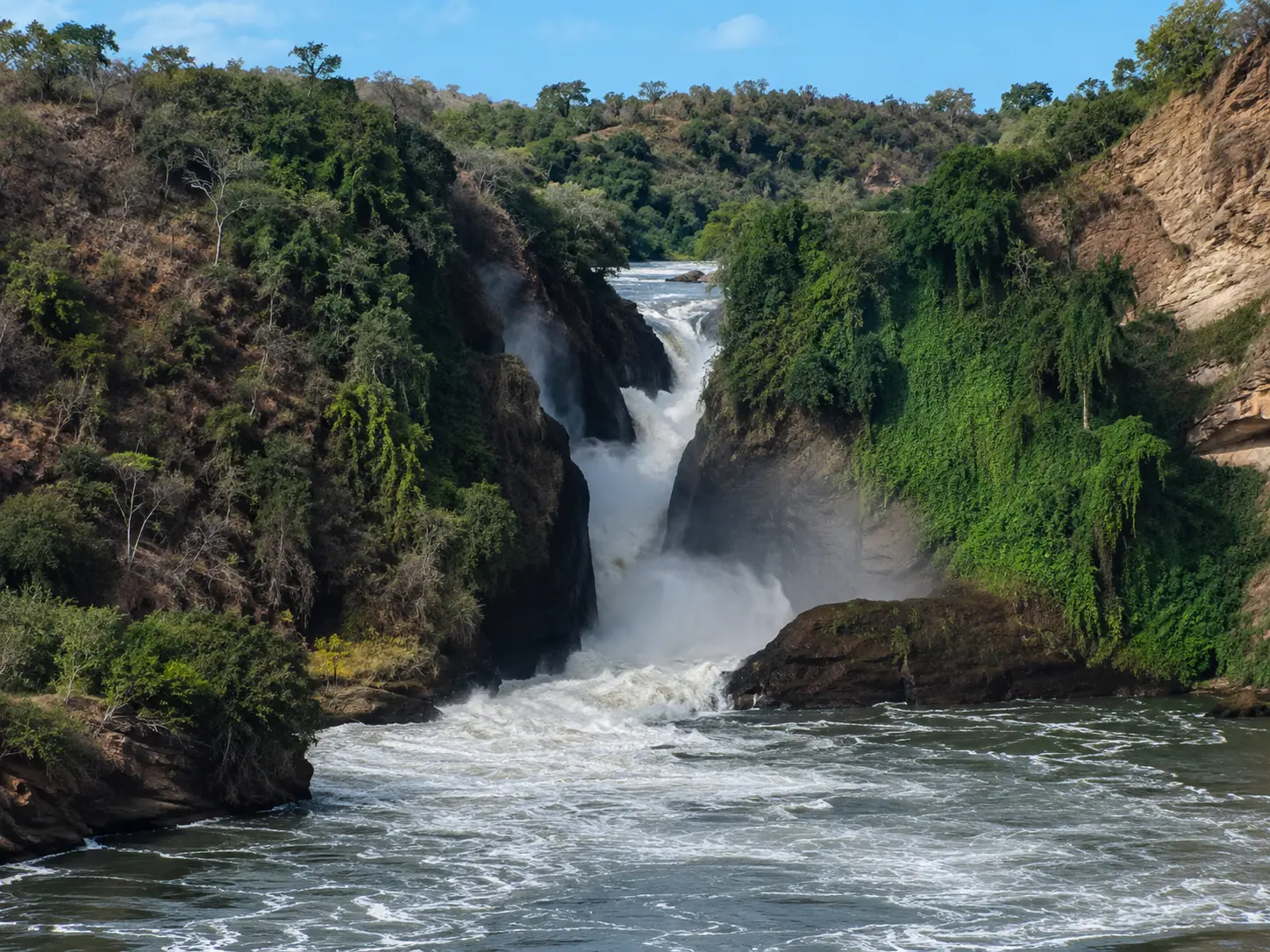
The Victoria Nile narrows suddenly into a 7-metre gap then drops about 43 metres
Wildlife in Murchison Falls National Park
Murchison Falls is one of Uganda’s strongest wildlife areas. The park has around 144 mammal species and more than 556 bird species, with the Nile pulling animals toward the water throughout the day. On game drives and boat cruises, you look for elephants, buffaloes, giraffes, Uganda kobs, waterbucks, hartebeests, oribis, warthogs, grey duikers, hippos and Nile crocodiles.
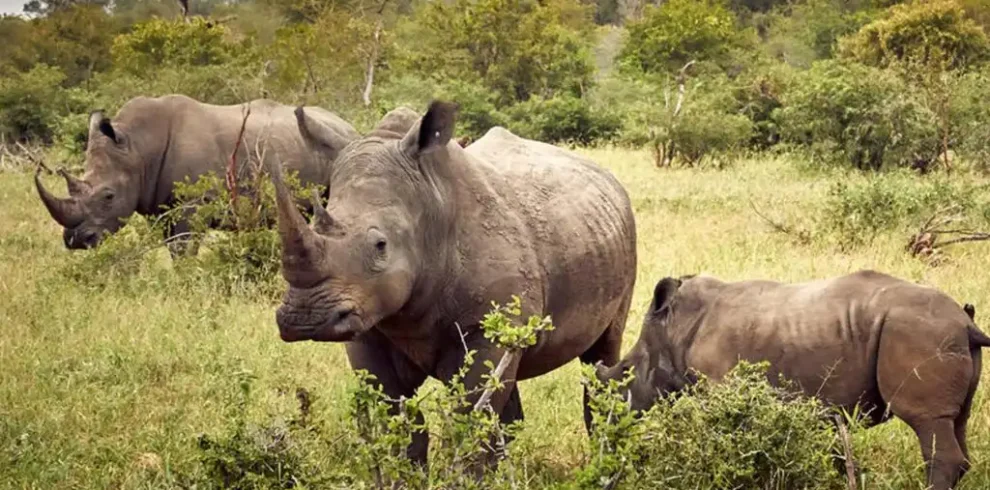
The park has four of the Big Five: elephants, buffaloes, lions and leopards. Leopards are shy, so we look for them with patience, especially in quieter areas and during the cooler hours. Lions are part of the park’s predator story, while hyenas also live here, though sightings are less regular. Rhinos once lived inside the park, but the last rhino was killed by poachers in 1983. Today, if you want to complete a stronger Big Five-style Uganda safari, we combine Murchison with Ziwa Rhino Sanctuary on the road from Kampala.
Murchison is also one of the best places to see the critically endangered Rothschild’s giraffe. Around 1,450 giraffes live north of the Nile, with about 45 south of the river after conservation translocations. That means the park protects close to 50% of the population, so every giraffe sighting here carries more meaning than a simple photo stop.
Primates and Forest Wildlife
Murchison is not only savannah and river. The wider conservation area also gives you forest wildlife, especially in Kaniyo Pabidi and Budongo Forest. These are the main areas for chimpanzee trekking, with more than 600 chimpanzees residing in these forests. As you move through the forest, you look and listen differently. The air feels cooler, the canopy closes above you, and instead of scanning open plains, we follow calls, broken branches and movement in the trees. Alongside chimpanzees, you get chances to see red-tailed monkeys, blue monkeys, black-and-white colobus monkeys, olive baboons and patas monkeys. The patas monkey is one of the distinctive primates closely associated with the Murchison area.
Birdlife and Shoebill Sightings
For birders, Murchison is one of Uganda’s serious birding destinations. The park has more than 556 bird species across the savannah, river, delta, woodland and forest habitats. You can bird during game drives, nature walks, forest visits and boat cruises, but the Victoria Nile and Albert Delta give some of the best chances for water-associated birds. Key species include shoebill stork, Goliath heron, grey crowned crane, Abyssinian ground hornbill, black-headed lapwing, Senegal thick-knee, dwarf kingfisher, white-thighed hornbill, great blue turaco, African fish eagle, saddle-billed stork, white-crested turaco, red-winged grey warbler, malachite kingfisher, African jacana and black-billed barbet. January to March is a rewarding period for birding because the park is quieter and bird activity remains strong.
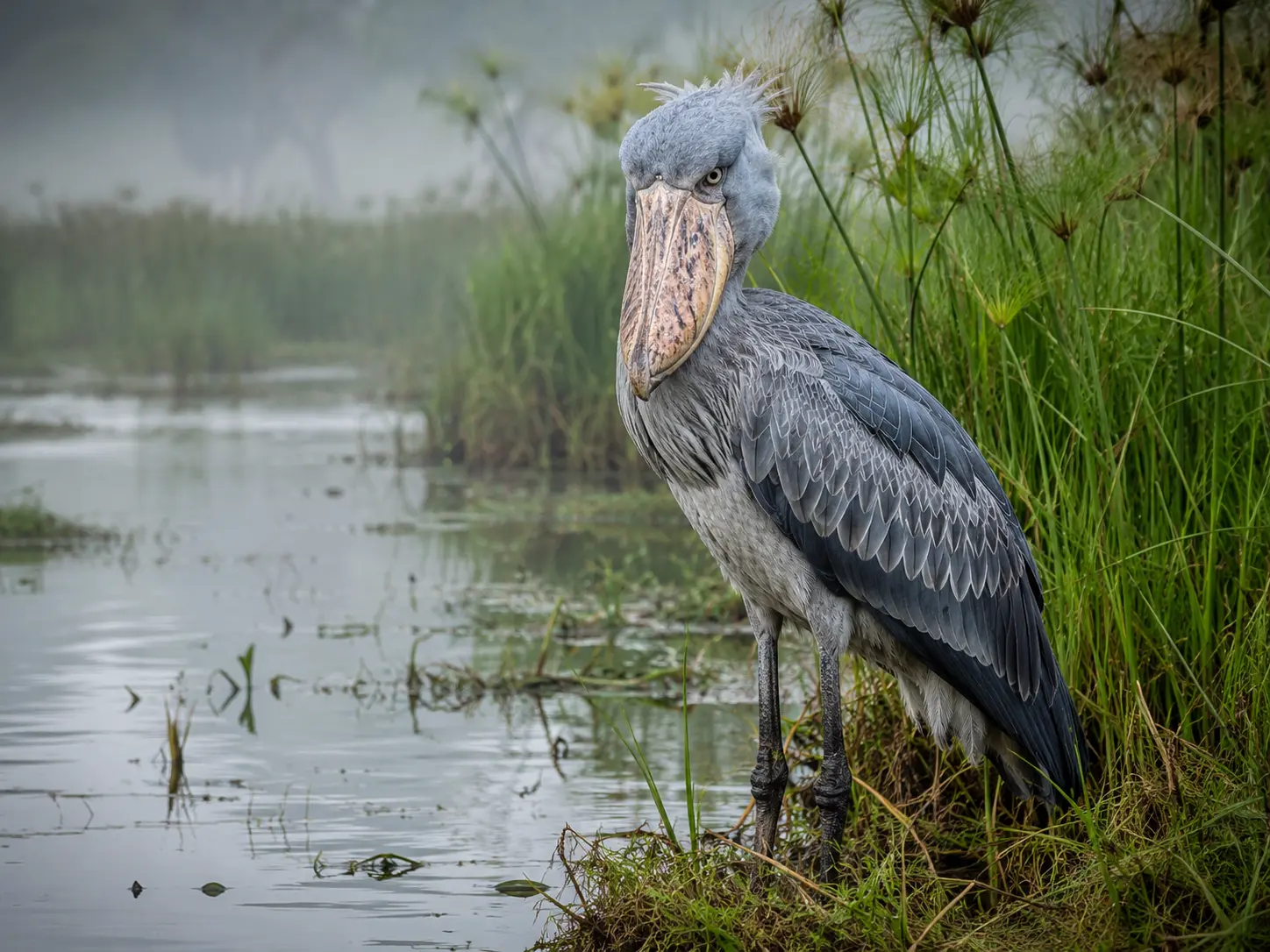
Shoebill Sightings in Murchison Falls National Park
Best Activities in Murchison Falls National Park
Murchison gives you several ways to experience the park. We explore by safari vehicle, by boat and on foot. The main activities include game drives, Nile boat cruises, hiking to the Top of the Falls, chimpanzee tracking, birding, nature walks, sport fishing, scenic drives, camping and cultural encounters around the conservation area. Some activities are charged separately, so it is always better to confirm what your safari package includes before booking.
Game Drives and Wildlife Viewing in Murchison Falls National Park
Game drives are the main wildlife activity in Murchison Falls National Park, mainly on the northern bank of the Victoria Nile. This side gives you the classic Murchison safari picture: open savannah, borassus palms, grassland tracks, giraffes standing above the plains and elephants moving between the river and grazing areas. This is where we look for elephants, buffaloes, giraffes, Uganda kobs, hartebeests, oribis, hyenas, lions and leopards.
The Queen and Albert Nile tracks, just west of the Pakwach Road, are among the best routes for wildlife viewing. The Buligi Peninsula is another strong game drive area. It sits between the Victoria Nile as it enters Lake Albert and the Albert Nile as it flows out, creating rich grazing country where animals gather.
Delta Point is a good place to pause for waterbirds, distant hippos and wide views across the river system. For a quieter drive, the Heart of Murchison, about 20 km east of the Masindi-Paraa road, has opened more game tracks in recent years. Uganda kob numbers are good here, and lions follow the same grazing areas.
Murchison Falls Boat Cruise to the Base of the Falls
The boat cruise from Paraa to the base of Murchison Falls is one of the park’s finest experiences. The launch trip takes about 3 hours and follows the Nile upstream toward Fajao Gorge, where the river begins to tighten before the falls. This is not just a boat ride to see water. It is one of the best wildlife experiences in the park. From the river, you see Murchison differently. Hippos fill the shallows, Nile crocodiles bask on the banks, elephants come down to drink, buffaloes rest near the shoreline, and waterbirds move along the river edges. Cruises are operated by the Uganda Wildlife Authority and selected private operators, with common departures at 9:00 am, 2:00 pm and 3:00 pm.
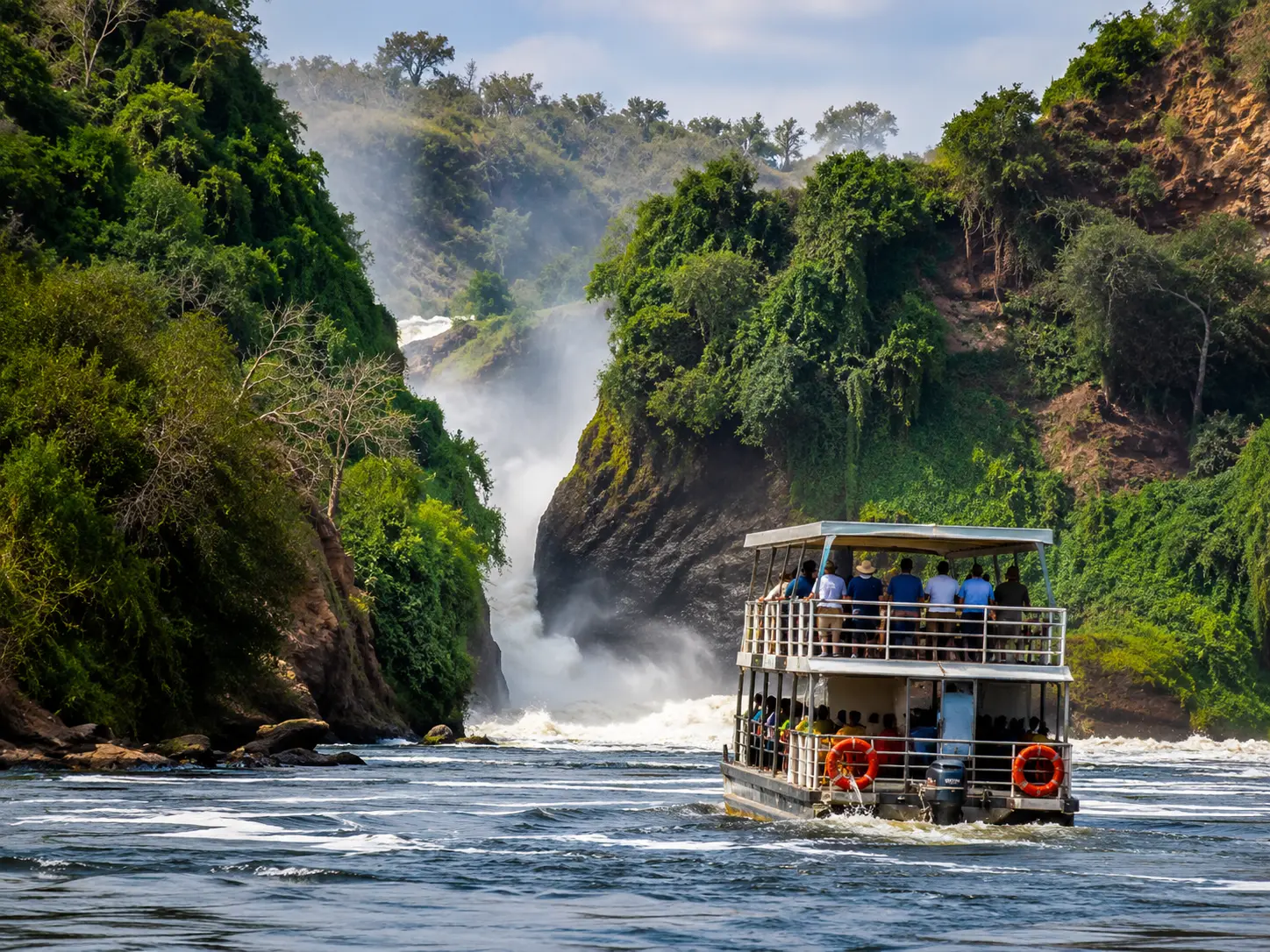
Murchison Falls Boat Cruise
Hike to the Top of Murchison Falls
The Top of the Falls is where you feel the full force of the Nile. The river pushes through the narrow 7-metre gorge, then crashes through the rocks with spray, noise and pressure that stay in your memory long after you leave. You can reach the Top of the Falls by vehicle, but the richer experience is to take the boat cruise, disembark near the trailhead and hike up through Fajao Gorge with a ranger escort. Your driver-guide then meets you at the top. This works well when you want more than a quick viewpoint stop because it connects the river, gorge and waterfall in one experience.
Nile Delta Boat Cruise and Shoebill Birding
The delta boat cruise runs downstream from Paraa to the Nile Delta, where the river spreads into channels and wetland islands before entering Lake Albert. This side of the park feels quieter than the falls cruise and is excellent for birding. The Nile Delta is one of the best places in Murchison Falls National Park to search for the shoebill stork. You also see waterbirds, crocodiles, hippos and wildlife along the banks. For shoebill sightings, the drier periods from December to February and June to September give better access and visibility.
Bird Watching in Murchison Falls National Park
Birding fits naturally into almost every activity in Murchison. You can bird on game drives, boat cruises, nature walks and forest visits. Along the Nile, we look for water-associated birds, while the forests around Kaniyo Pabidi and Budongo bring a completely different birding experience. Along the river, watch for shoebill stork, Goliath heron, African fish eagle, saddle-billed stork, kingfishers and other waterbirds. In Kaniyo Pabidi Forest, birders search for Albertine Rift and restricted-range species such as chocolate-backed kingfisher, white-thighed hornbill and Puvel’s illadopsis.
Chimpanzee Tracking and Forest Walks
Chimpanzee tracking takes place in the forested areas of the wider Murchison Falls Conservation Area, mainly Budongo Forest and Kaniyo Pabidi Forest. Kaniyo Pabidi lies in the southern part of the conservation area and has habituated chimpanzee groups tracked with trained forest guides. This activity gives you a different side of Murchison. After open plains and the Nile, the forest feels cooler, shaded and more enclosed. You walk under tall trees, listen for chimpanzee calls and follow the forest guide through trails used by primates, birds and butterflies.
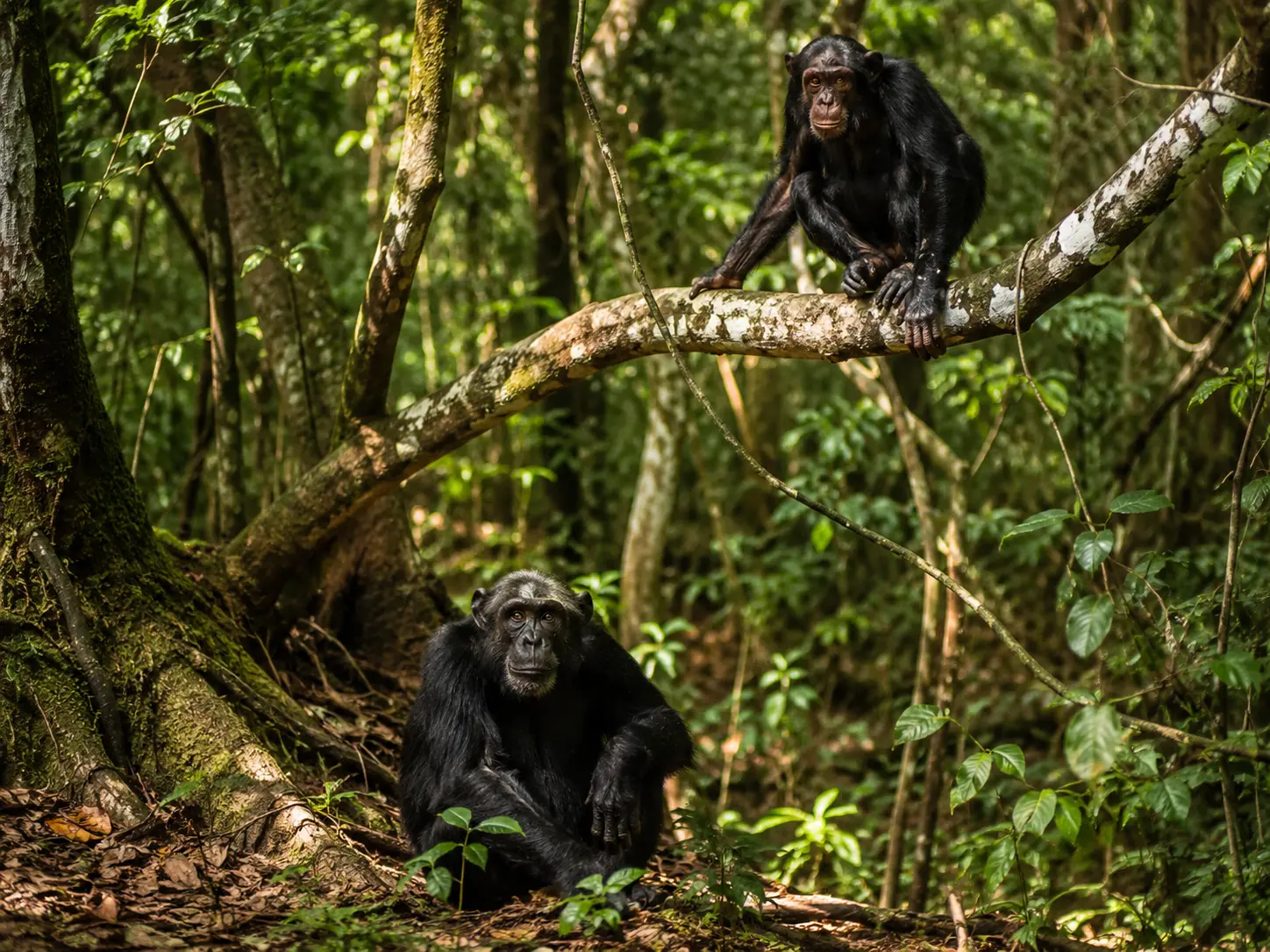
Chimpanzee Tracking in Kaniyo Pabidi Forest
Nature Walks and Scenic Drives
Nature walks give you time to slow down and notice what a vehicle moves past too quickly. Depending on the area, you walk with a ranger through forest, riverine habitat or savannah edges while learning about tracks, plants, birds and animal behaviour. Scenic drives also matter in Murchison because the park changes so much as you move. You pass riverbanks, palm-dotted plains, woodland, forest patches and open savannah. The drive becomes part of the experience, not just transport between activities.
Sport Fishing on the Nile
Sport fishing is available on the Nile below Murchison Falls, where anglers target large Nile perch and other fish species. This stretch is known for serious fishing, with a 108 kg Nile perch recorded by rod and line. A fishing permit costs US$50 per day. You also need a boat and fishing gear, arranged through operators or rental points near the park. This activity works best if you want an active day on the river rather than a standard game drive or boat cruise.
Best Time to Visit Murchison Falls National Park
Murchison is open throughout the year, but the drier months give you the easiest wildlife viewing. The main dry safari windows are December to February and June to September, with December to February standing out for wildlife around water sources, clearer tracks and strong game drive conditions. The park lies in one of Uganda’s drier safari regions, so even in the rainy months, showers do not normally disturb the whole day. Because it sits close to the equator, temperatures stay warm through the year. Daytime temperatures mostly range between 25°C and 32°C, while nights drop to around 18°C. January and February feel very hot, so light clothing, drinking water, sunscreen and a good hat make game drives, boat cruises and walks much more comfortable.
Dry Season in Murchison Falls National Park
The dry season runs mainly from December to February and again from June to September. During these months, the grass is shorter, the bush opens up, and the game tracks stay drier and easier to use. This gives you better chances of seeing elephants, buffaloes, giraffes, Uganda kobs, lions, leopards, hyenas and other wildlife across the savannah. As water becomes harder to find away from the river, animals gather closer to the Victoria Nile, riverbanks, waterholes and grazing areas.
This is a strong time for game drives, wildlife photography and predator sightings. We look for lions watching kob herds in the open plains, elephants moving toward the water, and buffaloes gathering in large groups. The dry season also gives you smoother movement through the park. Roads and tracks are easier, walking trails are more comfortable, and rain interruptions are less common. Mosquito numbers also reduce compared with the wetter months, though malaria precautions still matter.
The main downside is demand. June to September is a busy Uganda travel period, and good lodges fill quickly. For these months, book accommodation several months ahead, especially when you want a higher-end lodge, a river location or a specific room category.
Wet Season in Murchison Falls National Park
The wet season falls mainly around March to May and September to November, with heavier rainfall in April, May and August to October. During this period, Murchison becomes greener, softer and more scenic. The plains freshen, flowers come out, trees bloom, and young animals move with their mothers. Wildlife remains present, but animals spread out because water and pasture become available in more places. The grass also grows taller, so sightings take more patience than in the dry season. Some roads become muddy and slippery, even with a good 4×4, and chimpanzee trekking trails become wet, so sturdy walking boots are important.
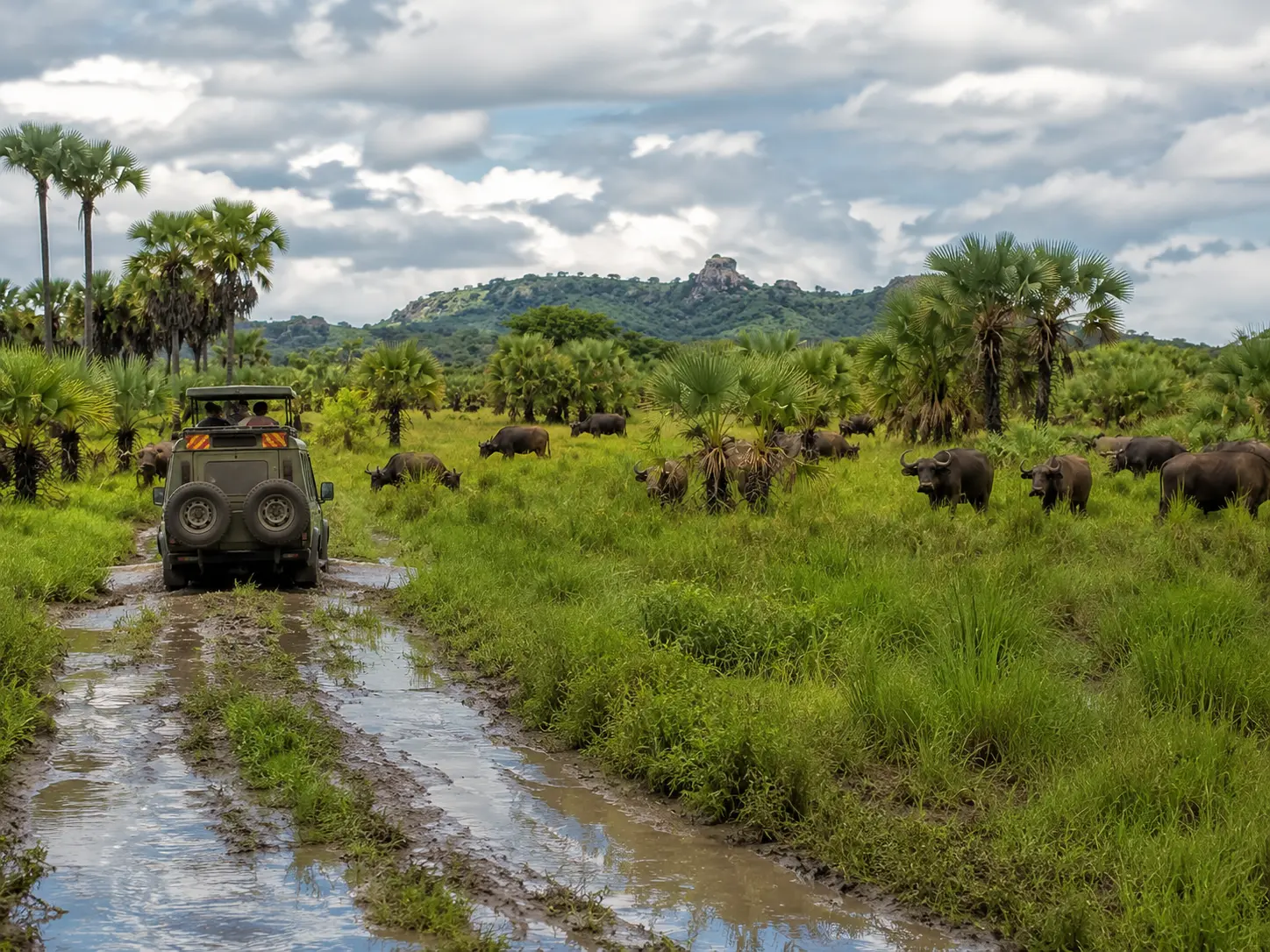
Visiting Murchison Falls National Park during rainy season
The wet season still has strong advantages. The park is quieter, lodge availability is easier, and some properties offer better room rates. Game drives, boat cruises and walks feel more personal because there are fewer vehicles around. This is also a rewarding season for birdwatching. With more than 556 bird species, Murchison becomes very active around the Nile, forest edges and wetlands. March is a strong birding month, while the Nile Delta remains one of the best places to search for waterbirds and the shoebill.
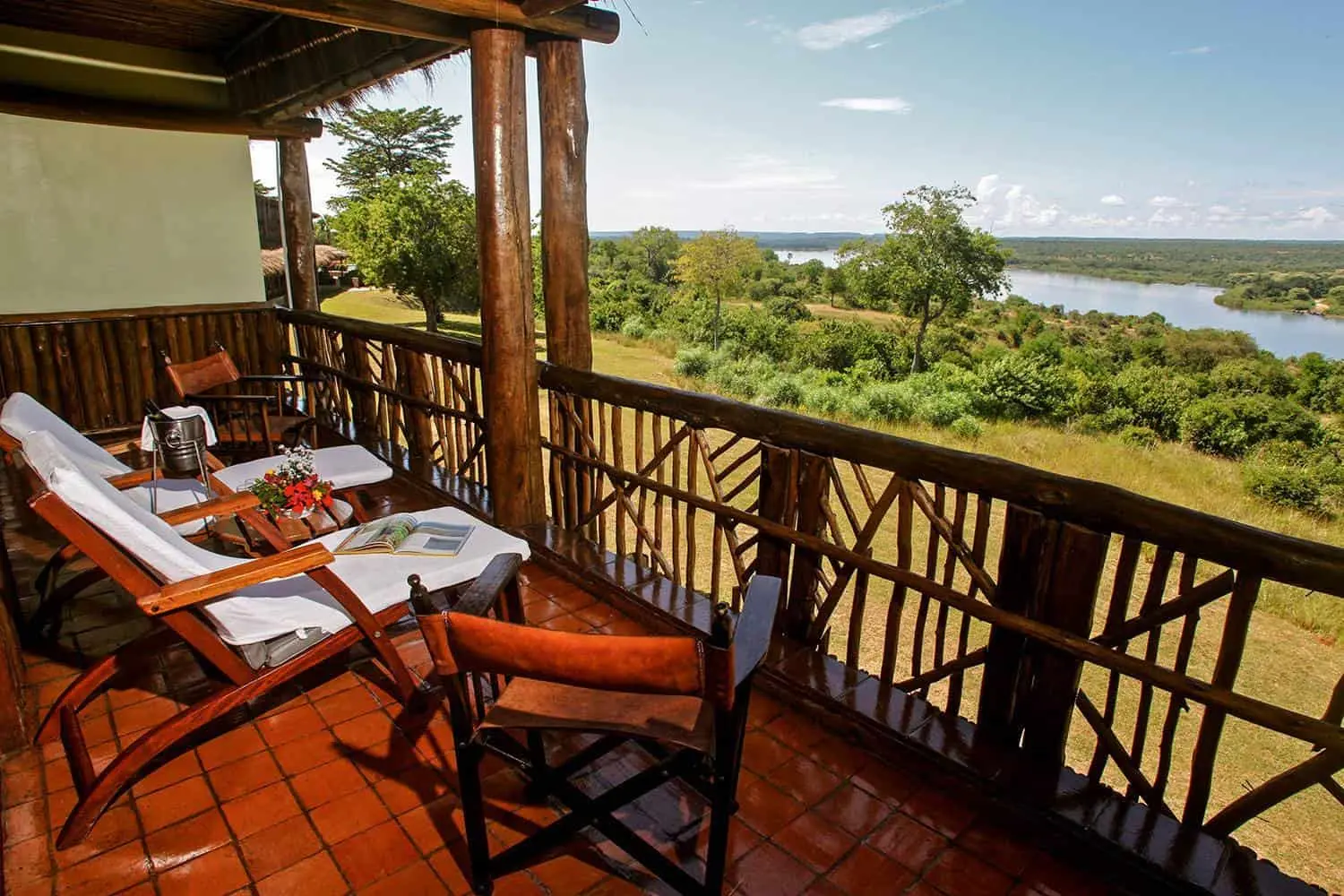
Luxury
Paraa Safari Lodge
Best Activity Fit
Classic Murchison Falls game drives, Nile boat cruises, waterfall visits and relaxed lodge-based safari stays.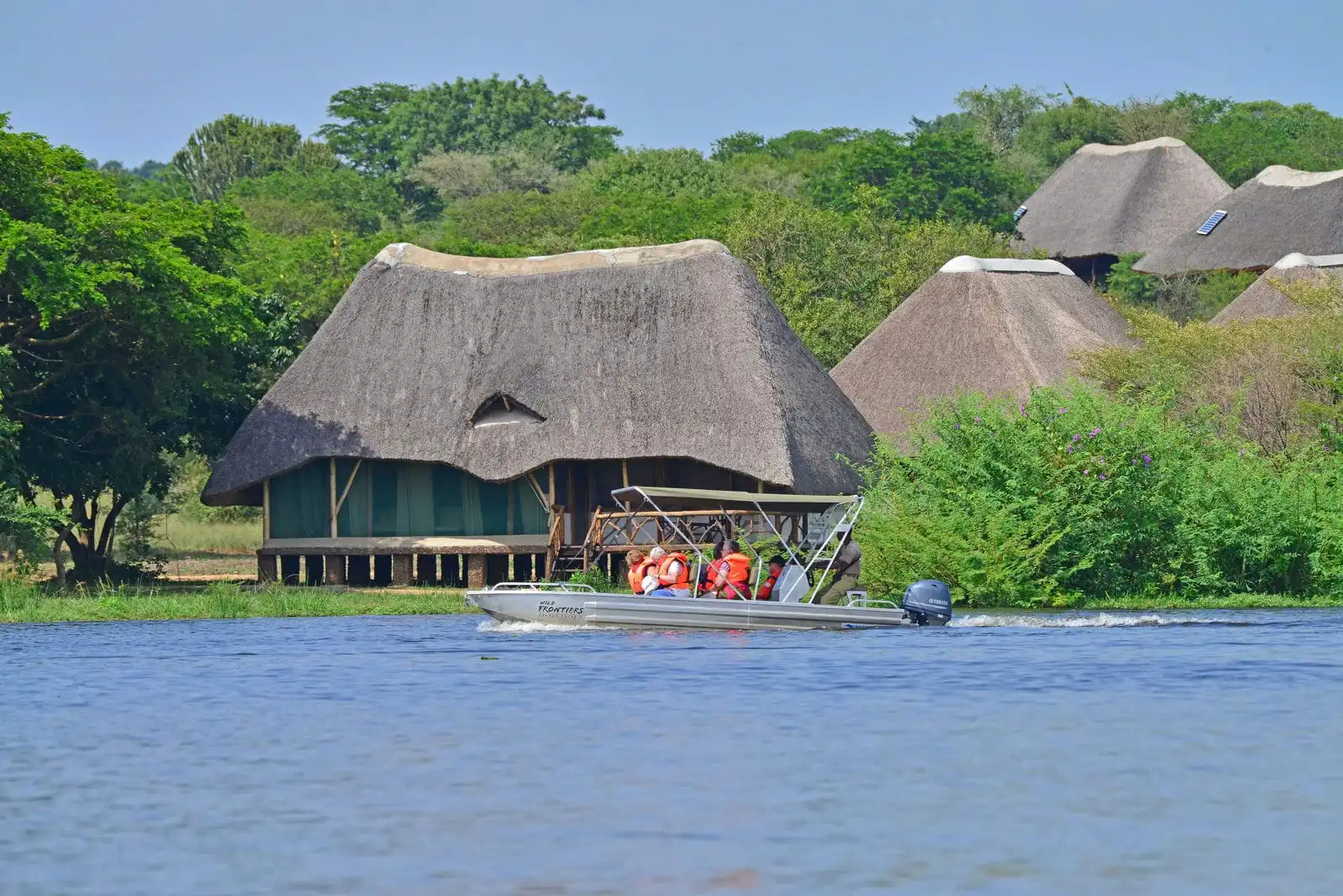
Luxury
Baker's Lodge
Best Activity Fit
Nile boat safaris, birdwatching, wildlife photography and quiet luxury beside the Victoria Nile.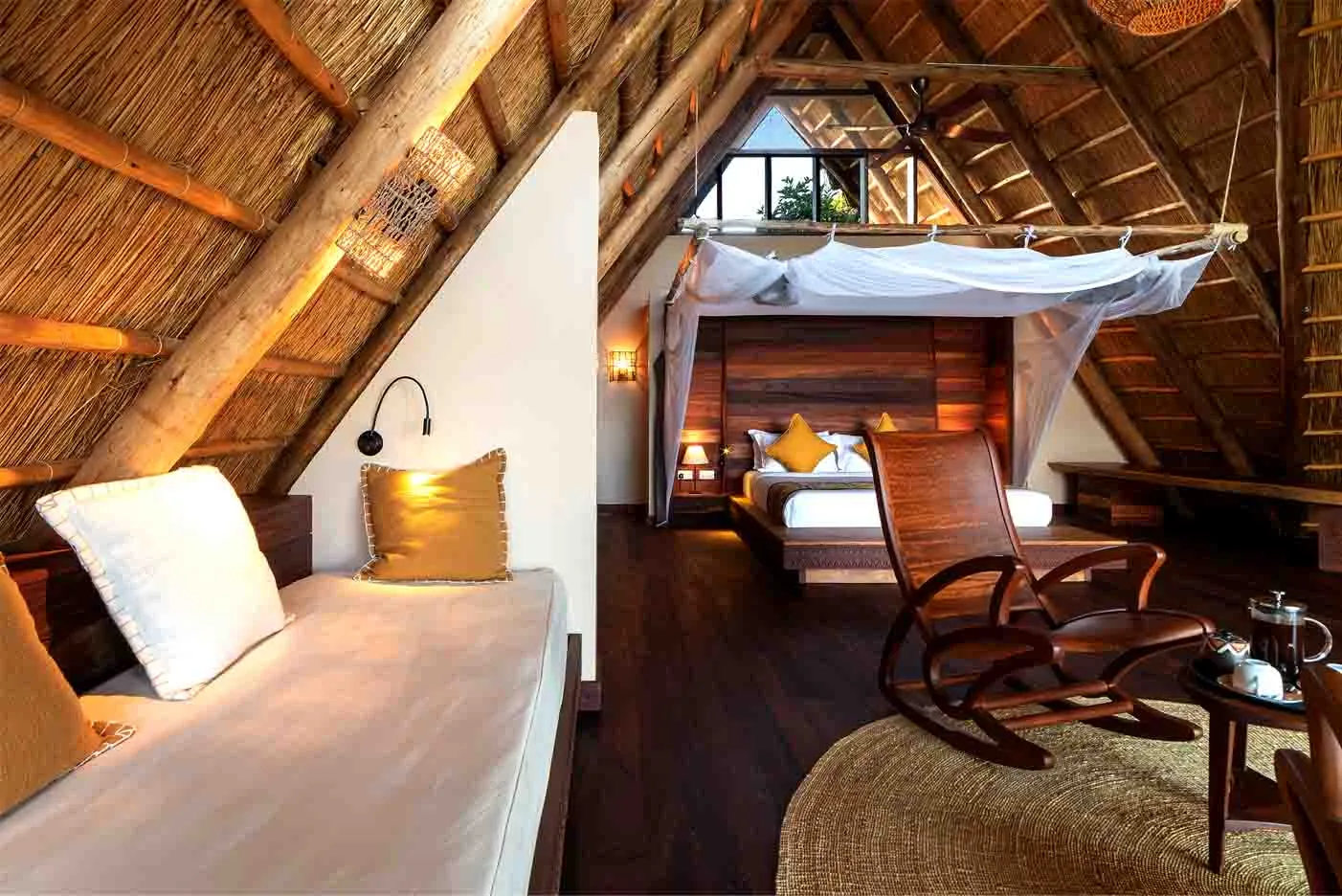
Luxury
Nile Safari Lodge
Best Activity Fit
Relaxed Nile-side stays, boat activities, birdwatching, nature experiences and scenic river views.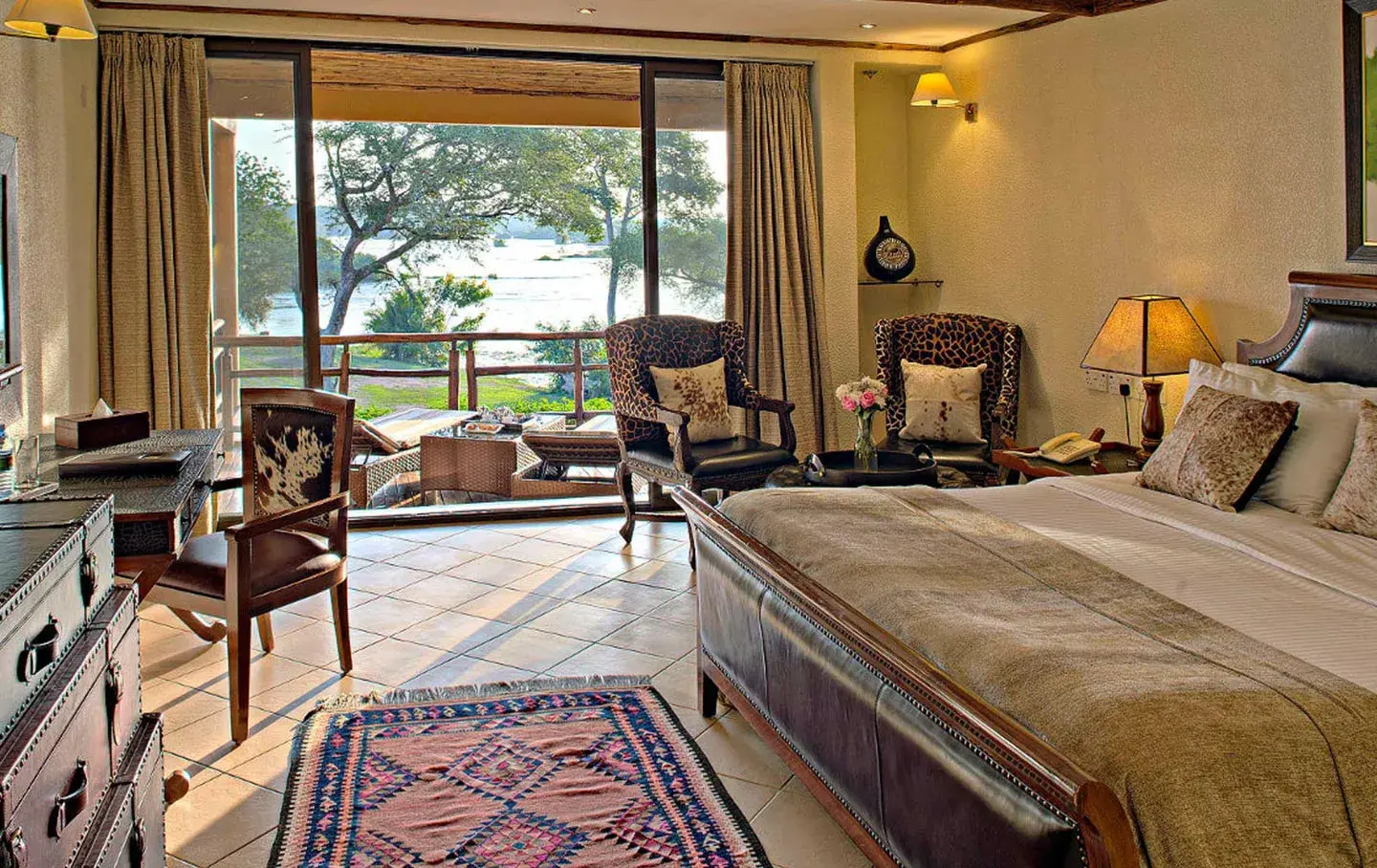
Luxury
Chobe Safari Lodge
Best Activity Fit
Game drives, Nile fishing, boat cruises and comfortable riverside relaxation.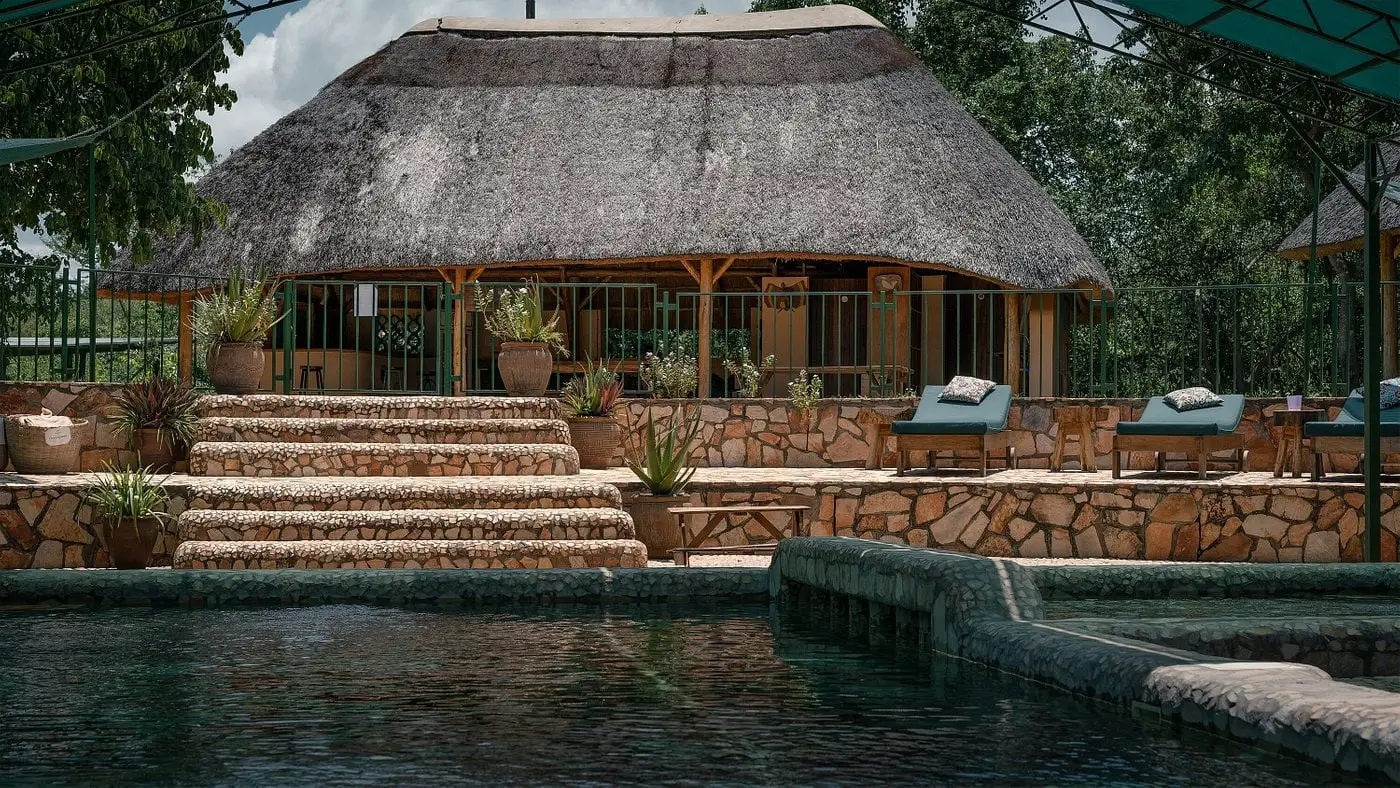
Mid-range
Murchison River Lodge
Best Activity Fit
Safari game drives, Nile boat trips and relaxed riverside stays with a natural bush atmosphere.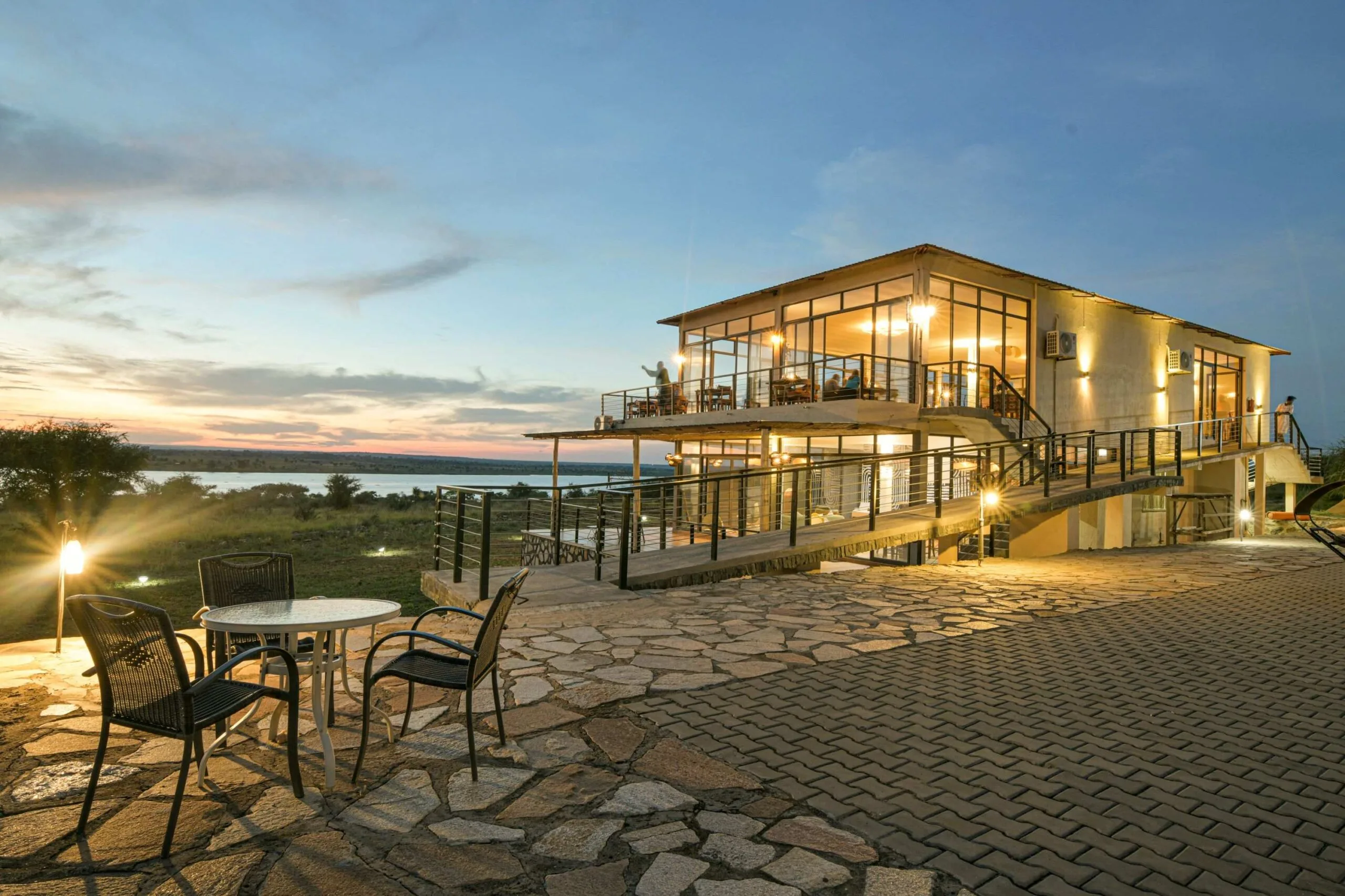
Mid-range
Pakuba Safari Lodge
Best Activity Fit
Game drives, wildlife photography and convenient access to the northern Murchison Falls safari area.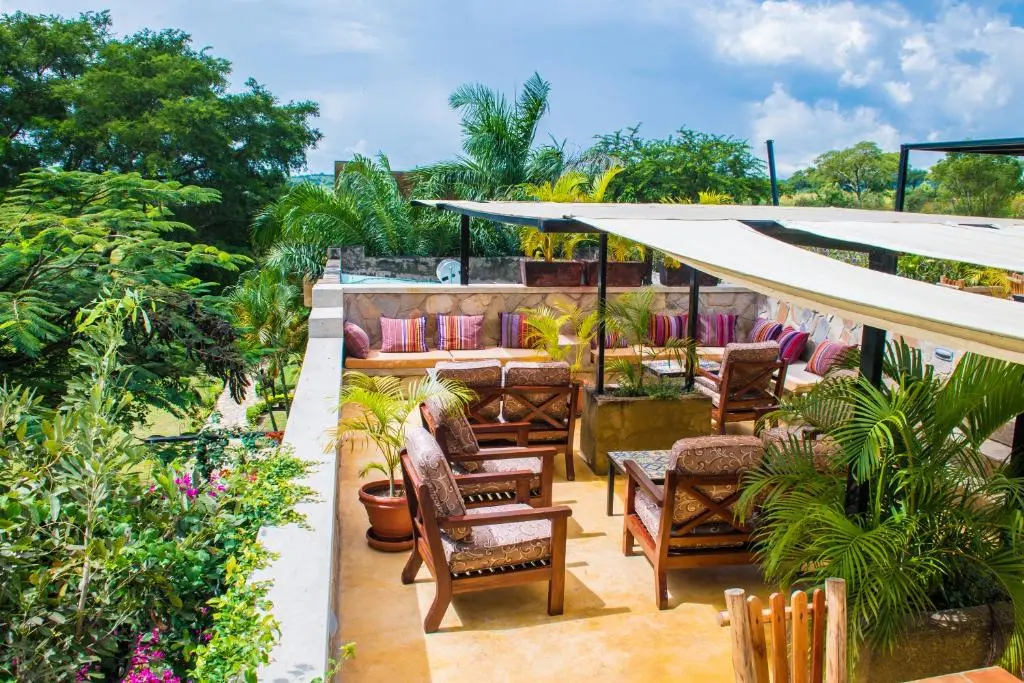
Mid-range
Fort Murchison
Best Activity Fit
Game drives, wildlife viewing, Nile activities and exploring the northern section of Murchison Falls.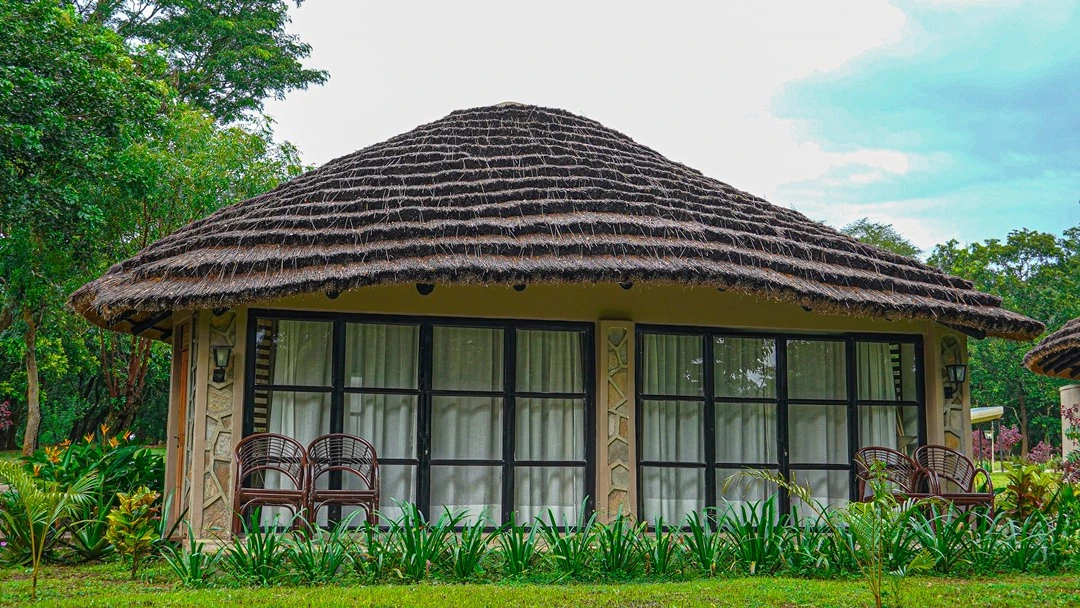
Mid-range
Sambiya River Lodge
Best Activity Fit
Game drives, Murchison Falls visits and relaxed stays near the southern side of the park.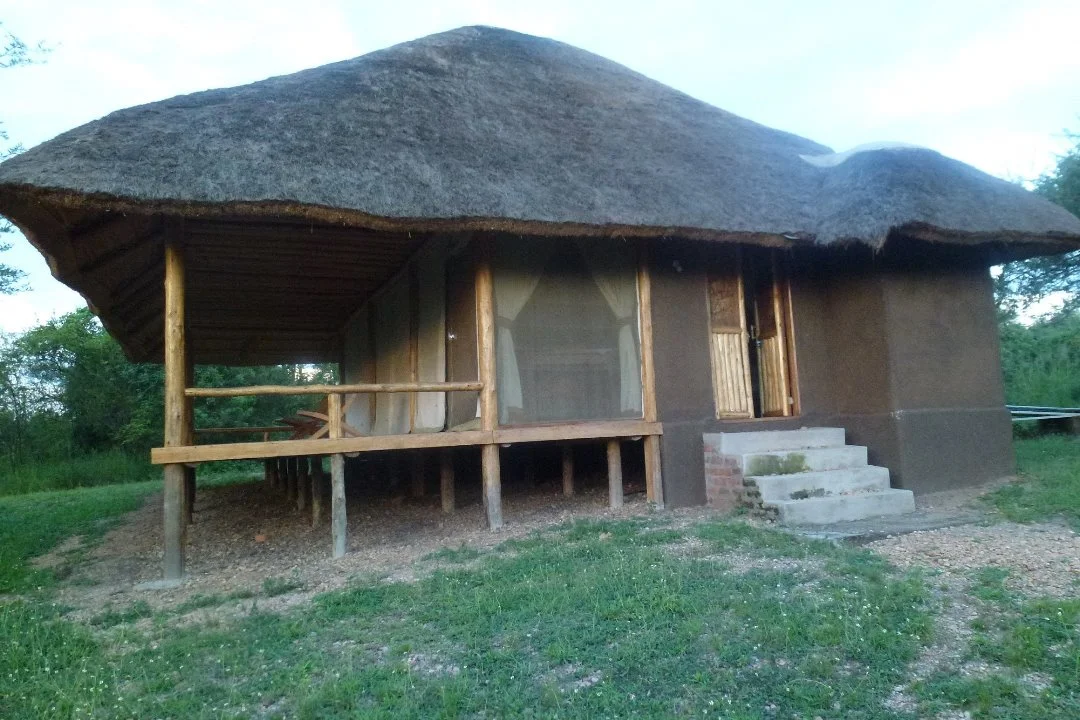
Mid-range
Kabalega Wilderness Lodge
Best Activity Fit
Game drives, nature experiences and a quieter wilderness-focused stay around Murchison Falls.How to Get to Murchison Falls National Park
Murchison Falls National Park is reached by road or air, depending on your time, budget and safari style. By road, the park is about 305 km from Kampala, taking roughly 4 to 6 hours to reach the park headquarters at Paraa, depending on traffic, road conditions and the gate used. By air, scheduled and chartered flights take you close to the park in under 1 hour, landing at one of the main airfields inside or near the park.
Getting to Murchison Falls National Park by Road
The most direct road route from Kampala runs north-west through Luwero and Masindi, then continues toward the southern entrance gates. From Masindi, it is about 85 km to Paraa, passing through the forested approach near Kaniyo Pabidi before reaching the heart of the park. The main southern gates are Kichumbanyobo Gate and Masindi South Gate. These work well when you are staying south of the Nile, visiting the Top of the Falls or connecting with Budongo Forest.
You can also enter from the northern side using gates such as Chobe Gate, Wankwar Gate, Tangi Gate, Mubako Gate, Purongo and the Pakwach route. These routes work well when coming from Gulu, Kidepo Valley National Park, Karuma Bridge or northern Uganda. Chobe Gate is about 260 km from Kampala and sits close to Karuma Bridge. Tangi Gate is about 3 km from Pakwach and roughly one hour from Paraa and the Buligi game-viewing circuit.
Getting to Murchison Falls National Park by Air
Flying is the fastest way to reach Murchison Falls National Park. Scheduled and chartered flights operate from Entebbe International Airport or Kajjansi Airfield near Kampala, landing at Pakuba, Chobe or Bugungu airfields. The flight takes about 1 hour, making it a good choice when you want to avoid the long drive and spend more time inside the park.
Pakuba Airfield is the most convenient for many safaris because it is close to Paraa, the park headquarters, northern game drive tracks and many main accommodations. Chobe Airfield serves the northern sector, while Bugungu Airfield works well for the southern side. Some flights cost around US$460 per person for a round trip, depending on routing, season, luggage allowance and operator. From Pakuba, onward flights can also connect to safari areas like Kidepo Valley, Queen Elizabeth National Park and Bwindi Impenetrable Forest, helping you build a wider Uganda safari without long road transfers.
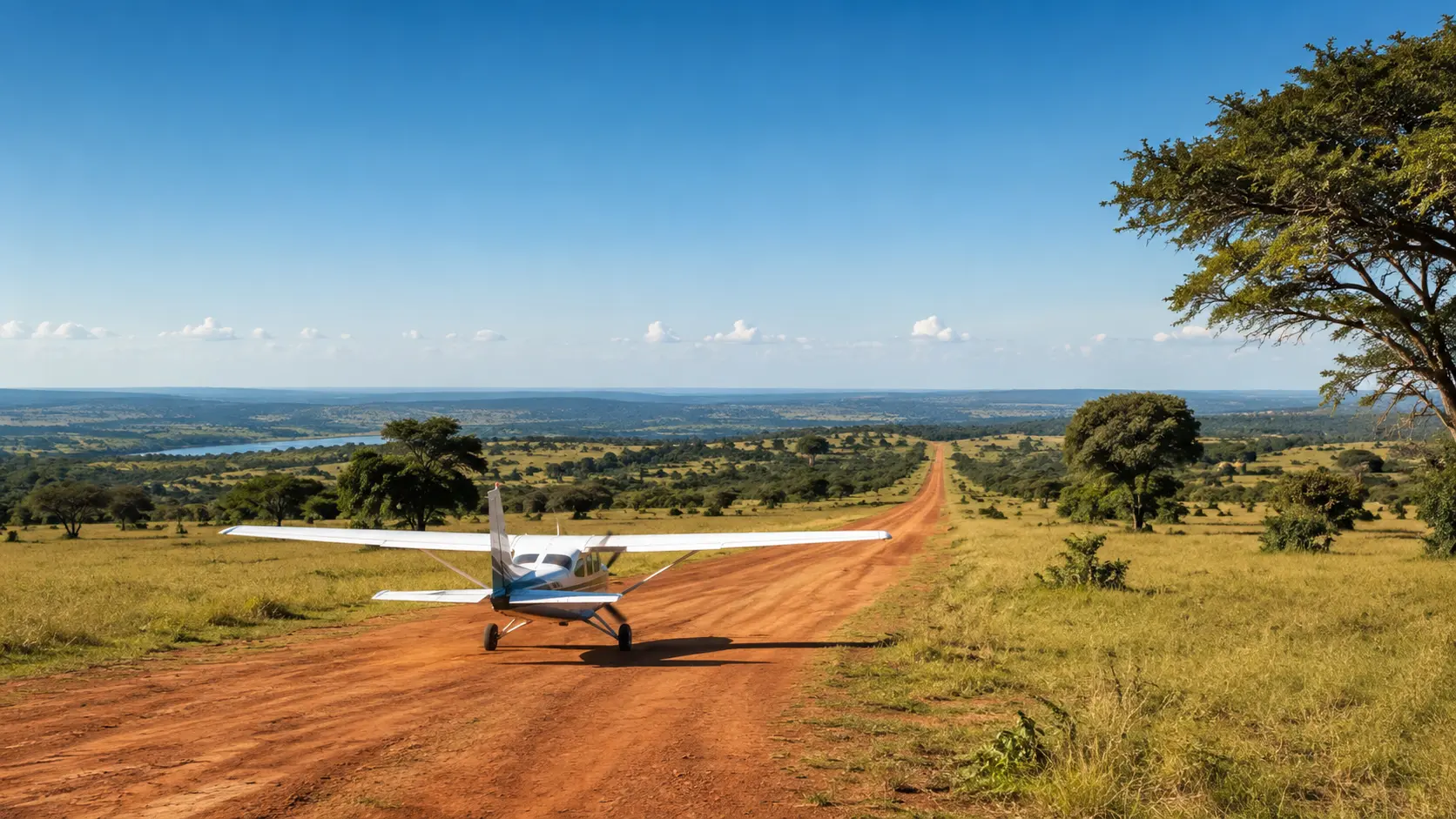
Pakuba Airfield Murchison Falls National Park
How to Combine Murchison Falls With Other Uganda Safari Destinations
Murchison Falls National Park works very well as the starting point for a wider Uganda safari. It sits in the north-west and connects naturally into Uganda’s western safari route. After your game drives on the Buligi plains, your Nile boat cruise and your time at the falls, we continue south toward chimpanzees, big game, gorillas, crater landscapes and lake scenery.
For many guests, the strongest route flows from Murchison Falls to Kibale Forest, Queen Elizabeth National Park, Bwindi Impenetrable Forest and Lake Bunyonyi. This gives you a proper north-to-south Uganda safari. You begin with savannah wildlife and the Nile, then move into rainforest primates, the Kazinga Channel, tree-climbing lions, mountain gorillas and finally the quiet islands and hills around Lake Bunyonyi.
Murchison Falls and Ziwa Rhino Sanctuary Safari Combination
One of the easiest and most rewarding combinations is Ziwa Rhino Sanctuary with Murchison Falls National Park. Ziwa sits along the main road between Kampala and Murchison, which makes it a smooth stop before entering the park. This combination works very well because Murchison gives you elephants, buffaloes, lions, leopards, giraffes, hippos, crocodiles and rich birdlife, while Ziwa adds guided rhino tracking on foot.
Rhinos no longer roam inside Murchison Falls National Park, so adding Ziwa gives your Uganda safari better Big Five balance without a major detour. You track rhinos on foot first, then continue north-west for the Nile boat cruise, the waterfall and classic game drives inside Murchison. This route gives you a strong opening to Uganda, with rhinos, the Nile, big savannah wildlife and one of Africa’s most powerful waterfalls all in the first part of the journey.