
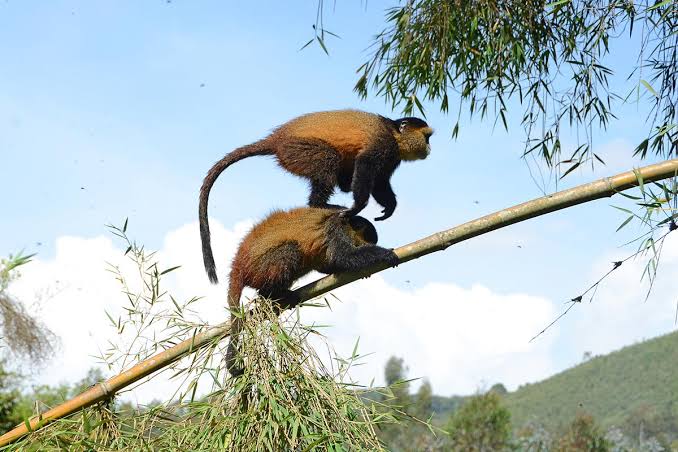
Trek gorillas and golden monkeys in Volcanoes National Park, then cruise Lake Kivu and visit its islands. This five-day Rwanda safari includes an overnight stay in Karongi
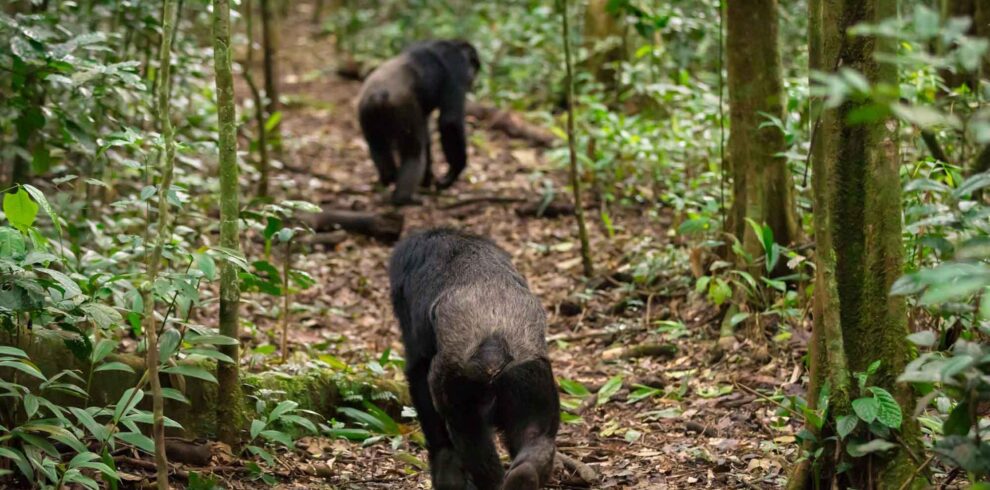
Embarking on the 9 Days Uganda Wildlife and Gorillas Adventure Tour offers an unparalleled opportunity to immerse yourself in the stunning landscapes and vibrant wildlife of Uganda, famously dubbed the “Pearl of Africa” by Winston Churchill. This expedition encompasses an array o
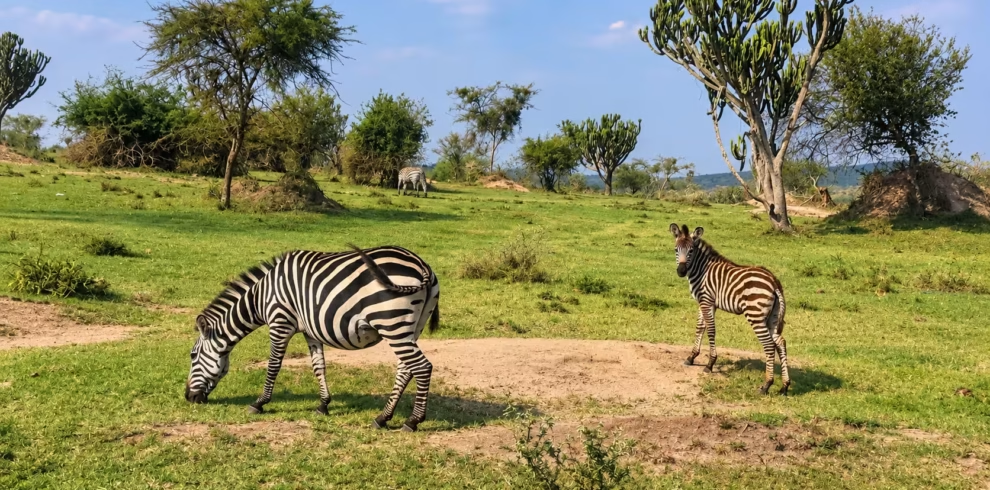
Uganda, famously known as the Pearl of Africa, offers one of the most extraordinary safari experiences on the continent. This 6-Day Uganda Gorilla Trekking & Wildlife Safari takes you deep into the heart of East Africa, combining thrilling wildlife encounters with unforgettable g
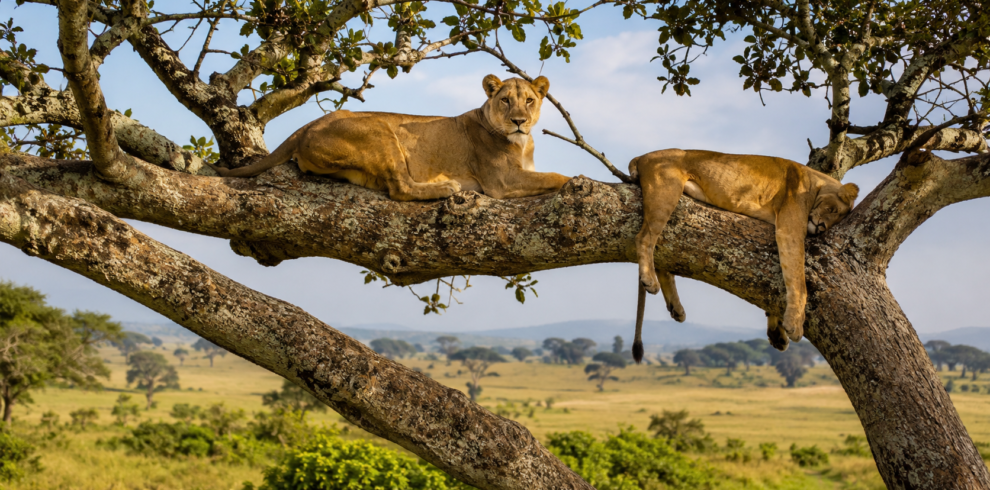
7-day Uganda safari combining Bwindi gorilla trekking, Queen Elizabeth wildlife, Kazinga Channel, Ishasha lions, and Lake Mburo
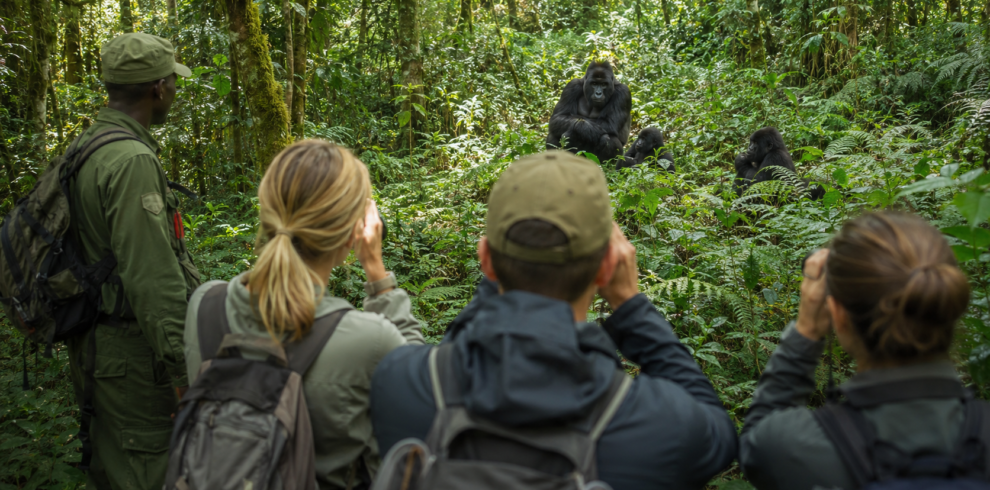
Embark on a thrilling 2-Day Bwindi Gorilla Trekking Safari from Kigali, where you will experience the awe-inspiring majesty of mountain gorillas in their natural habitat. Nestled within the lush, dense forests of Uganda’s Bwindi Impenetrable National Park, this adventure promis
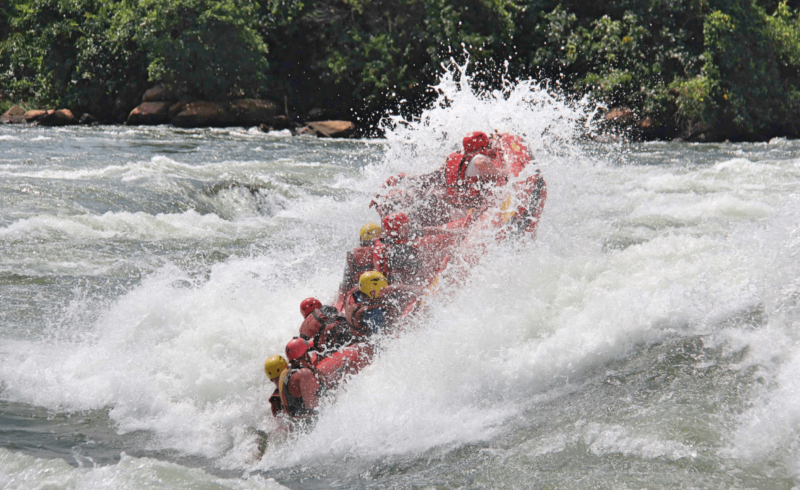
Welcome to Uganda, famously dubbed the “Pearl of Africa,” where lush landscapes, diverse wildlife, and vibrant cultures await. This 5-Day Uganda Experiential Safari offers an exhilarating journey through some of the country’s most iconic national parks, including Lake Mburo and B
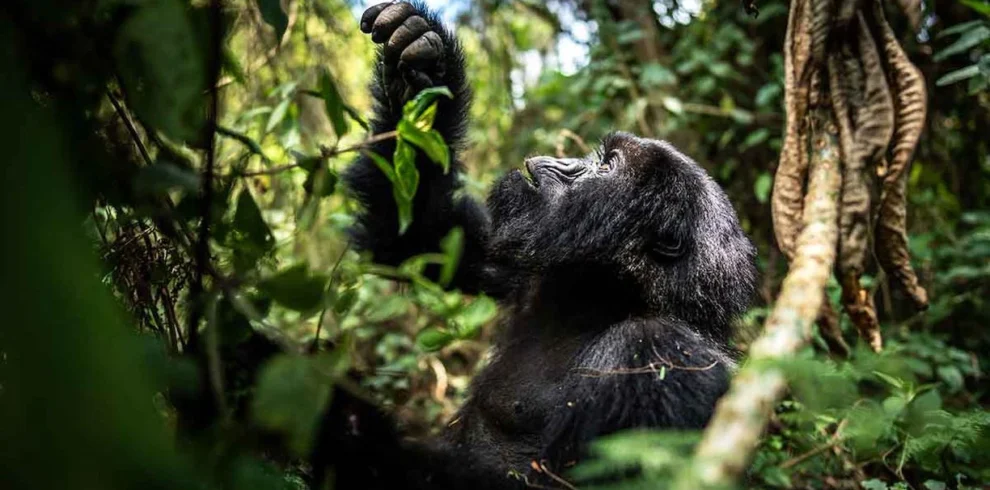
5-Day Uganda Safari with Gorilla Trekking and Chimpanzee Tracking Experience Embark on an unforgettable 5-Day Uganda Safari that promises an exhilarating blend of gorilla trekking and chimpanzee tracking. Uganda, known as the “Pearl of Africa,” offers stunning landscapes, diverse
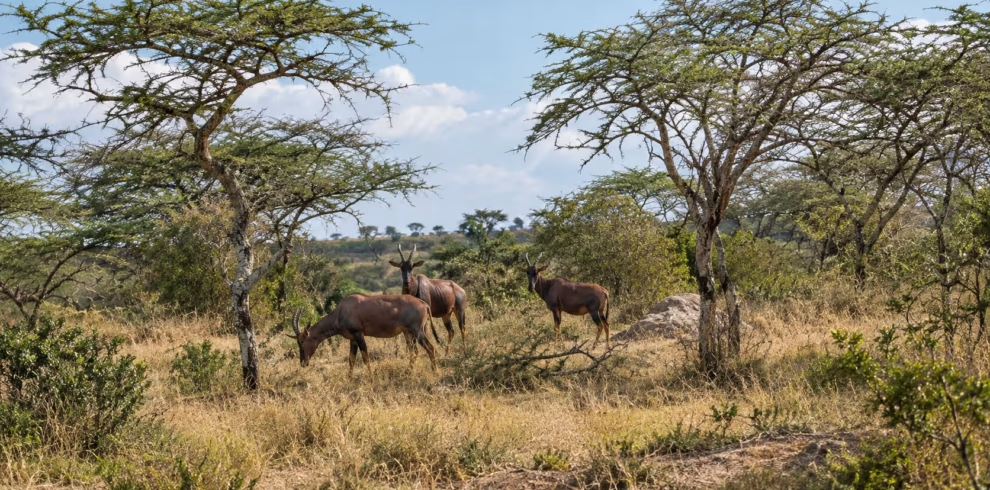
4-day Uganda gorilla safari combining Lake Mburo night wildlife, Bwindi gorilla trekking and a relaxing Lake Bunyonyi finish.
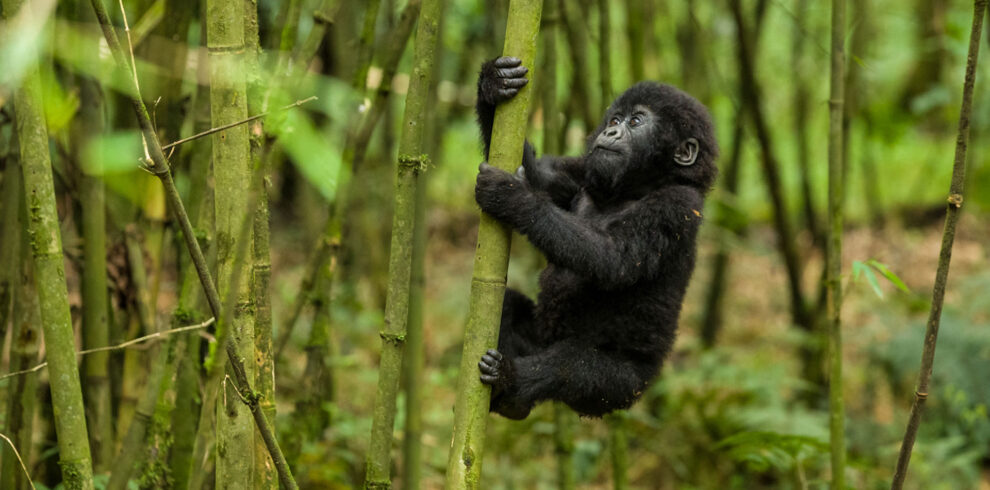
3-day Bwindi gorilla trekking safari with Lake Bunyonyi, mountain gorillas, scenic highlands, private transfers, and a relaxing boat trip.
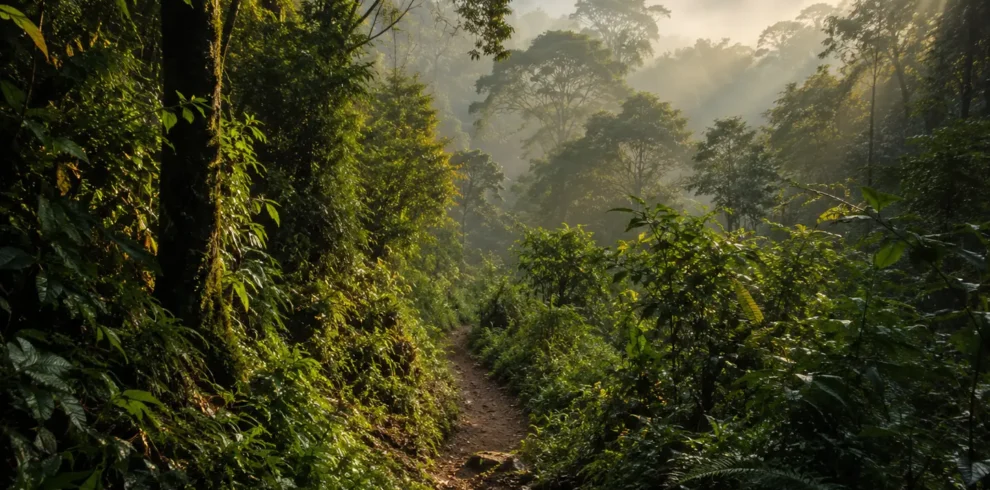
This 1-day Uganda gorilla trekking tour from Kigali is the perfect short safari for travelers who want to see mountain gorillas in Bwindi Impenetrable National Park within limited time. Starting early from Kigali, this tour includes transport, gorilla permits, and expert guidance
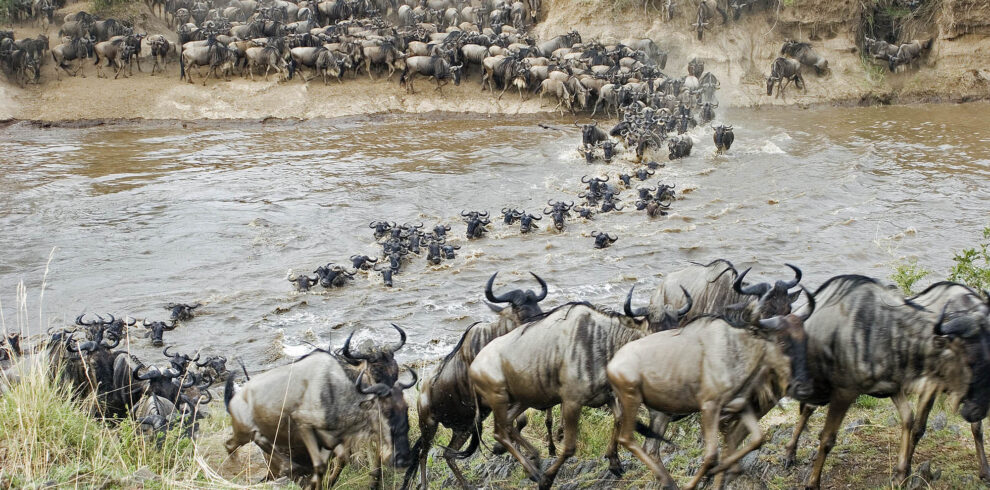
An Exceptional Cross-Border Safari Experience by BLS Safaris Ltd The 7-Day Masai Mara & Gorilla Trekking Adventure delivers an extraordinary journey that unites Kenya’s golden savannah plains with Uganda’s misty rainforest mountains. BLS Safaris Ltd designs this immersive expedit
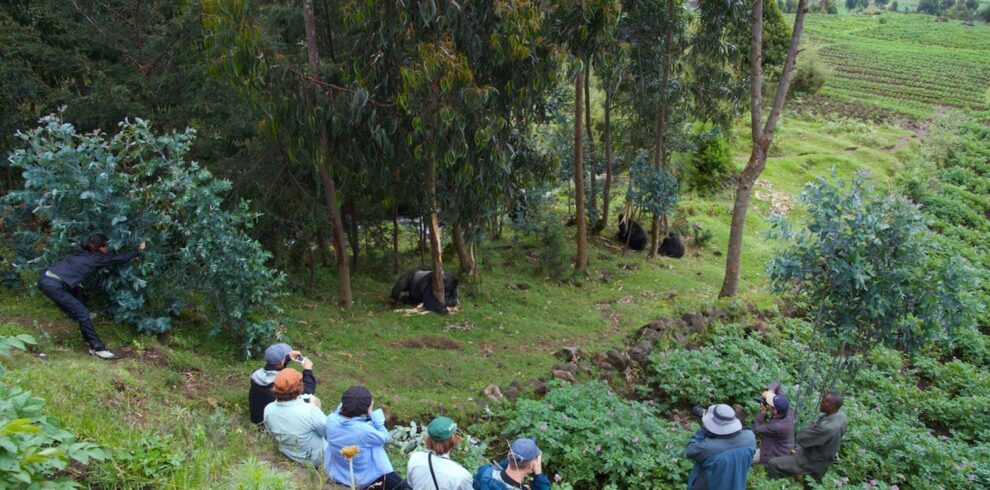
Travel from Kigali to Volcanoes National Park on this 3-day Rwanda gorilla trek. Stay two nights near the park, then follow rangers through the forest to a habituated gorilla family. Spend up to one hour with the gorillas. Your trekking permit and private driver-guide are included, with luxury or mid-range accommodation available.
Uganda vs Rwanda Gorilla Trekking
Uganda and Rwanda both offer mountain gorilla trekking, but the surrounding safari experience is different. Uganda works particularly well when gorilla trekking is part of a longer wildlife or primate safari, while Rwanda is easier to build into a shorter trip because Volcanoes National Park is reached relatively quickly from Kigali. The better choice therefore depends on your available time, the other activities you want to include, and how much road travel you are comfortable with.
| Factor | Uganda | Rwanda |
|---|---|---|
| Main trekking areas | Bwindi Impenetrable National Park and Mgahinga Gorilla National Park | Volcanoes National Park |
| Access | Longer road journey from Kampala or Entebbe(approximately 8 to 10 hours), with domestic flights available | Roughly 2.5 to 3 hours by road from Kigali |
| Best suited to | Longer gorilla, chimpanzee and wildlife safaris | Shorter, more compact gorilla itineraries |
| Wider safari combinations | Kibale, Queen Elizabeth, Mgahinga and other Uganda parks | Nyungwe, Akagera and Lake Kivu |
| Gorilla habituation experience | Available in Bwindi | Not offered as the same tourism experience |
| Accommodation planning | Match your lodge carefully with the correct Bwindi trekking sector | Stay around Musanze or Volcanoes National Park for the trekking morning |
Uganda gives you more scope to build gorilla trekking into a longer wildlife and primate route, while Rwanda is particularly convenient when time is limited. Neither country guarantees an easier trek because the walking time and terrain depend on where the assigned gorilla family is located. Uganda gives you more scope to build gorilla trekking into a longer wildlife and primate route, while Rwanda is particularly convenient when time is limited. Neither country guarantees an easier trek because the walking time and terrain depend on where the assigned gorilla family is located.
Best Time for Gorilla Trekking in Uganda and Rwanda
Gorilla trekking takes place throughout the year in Uganda and Rwanda, but rainfall affects forest trails, road conditions and the amount of preparation needed for the trek. The generally drier periods are easier for many travellers, while the wetter months remain fully viable if you are prepared for mud and rain.
Dry Season for Gorilla Trekking
June to August is the clearest shared drier period across Uganda and Rwanda, while December to February also brings generally drier conditions in the gorilla regions. Uganda’s dry periods extend roughly from December to February and May to August, while Rwanda’s main dry season runs from June to mid-September. Forest trails are normally firmer during these periods, and mountain-road transfers are easier to manage. Demand for permits and well-located accommodation can also be higher, so fixed-date trips should be confirmed early.
Wet Season for Gorilla Trekking
The wetter periods fall mainly around March to May and September to November, although rainfall patterns differ slightly between Uganda and Rwanda. Trails can become muddier and steeper sections more slippery, while road transfers into the gorilla parks may take longer. Gorilla trekking still operates during these months. Uganda also offers low-season permit incentives during April, May and November, which can make these months worth considering when travel dates are flexible. The actual trek length still depends on where the assigned gorilla family is located that day.
Gorilla Trekking Safari Costs in Uganda and Rwanda
The cost of a gorilla trekking safari depends on more than the permit. Your final price is shaped by the country, number of days, accommodation level, road or air transfers, group size, and any additional wildlife or primate activities. The permit is the main fixed expense. Uganda charges USD 800 for foreign non-residents, while Rwanda charges USD 1,500 for international visitors. Uganda also offers discounted permits during April, May and November, which can reduce the permit cost when your dates are flexible
| Permit or Cost | Uganda | Rwanda |
|---|---|---|
| Standard gorilla permit | USD 800 foreign non-resident USD 700 foreign resident | USD 1,500 international visitor |
| Low-season gorilla permit | USD 600 foreign non-resident USD 500 foreign resident April, May and November | No equivalent general low-season rate shown here |
| Standard gorilla viewing time | Up to 1 hour after reaching the gorillas | Up to 1 hour after reaching the gorillas |
| Gorilla Habituation Experience | USD 1,500 foreign non-resident in 2026 USD 1,800 from 1 January 2027 | No equivalent habituation tourism product |
| Main additional safari costs | Accommodation, 4×4 transfers or domestic flights, guide and wider safari activities | Accommodation, road transfers from Kigali and wider Rwanda safari activities |
When comparing safari quotations, check whether the price includes the gorilla permit, accommodation, private vehicle, fuel, driver-guide and transfers to the correct trekking area. In Uganda, lodge location is particularly important because Bwindi’s trekking areas are separated by mountain roads. Gorilla permits should be secured as soon as your trekking date is confirmed. In Uganda, permits are now confirmed only after full payment at the time of booking.
What to Expect on a Gorilla Trek
A gorilla trekking day starts with an early morning briefing at the designated park headquarters or trekking point. Rangers check permits, explain the trekking rules and organise visitors into small groups, with a maximum of eight people visiting each gorilla family on a standard trek. Once you enter the forest, trackers and ranger guides lead the group towards the area where the gorillas were last located. Trekking time cannot be predicted in advance because gorilla families move naturally through the forest. In Uganda, tracking can take around 2 to 7 hours. Trails in Bwindi and Mgahinga can be steep, muddy and densely vegetated, while Volcanoes National Park also involves high-altitude mountain terrain.
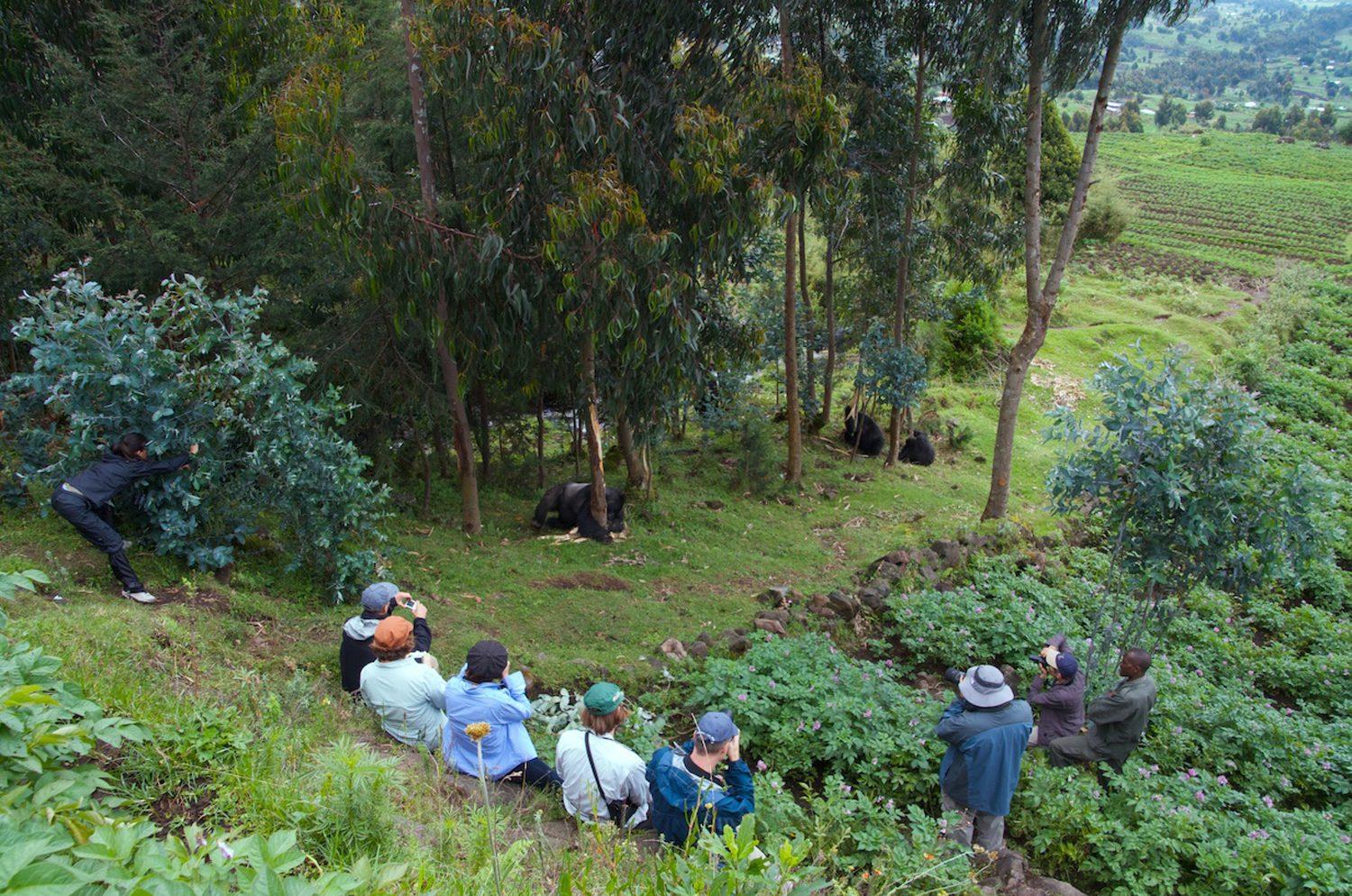
Gorilla trekking Volcanoes National Park, Rwanda
A porter can help carry your daypack and provide additional support on difficult sections of the trail. Once the assigned gorilla family is reached, standard trekking allows up to one hour with the gorillas. You can watch and photograph the group while following your ranger’s instructions, but flash photography is not permitted. Trek difficulty varies with the terrain, rainfall, altitude, fitness level and location of the gorillas that day, so travellers with mobility or fitness concerns should discuss them before the permit and trekking area are confirmed.
Gorilla Habituation Experience in Bwindi
The Gorilla Habituation Experience in Bwindi gives travellers more time with a gorilla family that is still being accustomed to human presence. Unlike standard gorilla tracking, which allows a maximum of one hour with the gorillas, habituation permits up to four hours of viewing time once the group is reached. Visitors enter the forest with researchers, habituators, trackers and park rangers, following the team as they monitor the gorillas and gradually familiarise them with controlled human presence. The full day can begin earlier, and last longer than a standard trek, so good fitness and preparation are important. The Gorilla Habituation Experience is offered in Bwindi Impenetrable National Park and requires a separate permit. Availability is much more limited than standard gorilla tracking, so the permit and trekking entry point should be confirmed before accommodation and transfers are arranged.
Getting to Gorilla Trekking in Uganda and Rwanda
Getting to the gorilla trekking areas is very different in Uganda and Rwanda. Volcanoes National Park can be reached from Kigali in about 2.5 to 3 hours by road, while Uganda’s gorilla parks lie much farther from Kampala and Entebbe. For Bwindi and Mgahinga, travellers can either allow a full day for the road journey or use domestic flights to Kihihi or Kisoro, then continue by 4×4 to the correct trekking area.
| Route | Travel Time or Distance | Best For |
|---|---|---|
| Kigali to Volcanoes National Park | About 2.5 to 3 hours by road | Rwanda gorilla trekking and shorter itineraries |
| Kigali to southern Bwindi | About 4 to 5 hours by road, depending on the border crossing, road conditions and final lodge | Rushaga, Nkuringo and travellers flying into Rwanda before trekking in Uganda |
| Kampala to Buhoma, Bwindi | About 472 km on the Kampala, Rukungiri, Kihihi and Buhoma route | Travellers doing their Uganda gorilla safari by road |
| Entebbe to Kihihi Airstrip | About 1 hour 10 minutes by air, followed by a 4×4 lodge transfer | Buhoma and northern Bwindi |
| Entebbe to Kisoro Airstrip | About 1 hour 10 minutes by air, followed by a 4×4 transfer | Rushaga, Nkuringo and Mgahinga |
| Kisoro to southern Bwindi | About 35 km, roughly 1 to 1.5 hours by road | Rushaga and Nkuringo |
For Uganda, match the arrival route, airstrip and lodge with the trekking area on your permit. Kihihi is the practical air gateway for Buhoma and northern Bwindi, while Kisoro serves Rushaga, Nkuringo and Mgahinga. Kigali is also an important international arrival point for southern Bwindi, particularly for travellers using a road transfer through the Uganda-Rwanda border before continuing towards Kisoro, Rushaga or Nkuringo.
Where to Stay for Gorilla Trekking in Uganda and Rwanda
Where you stay should be decided after your gorilla permit and trekking location are confirmed. This is particularly important in Bwindi, where Buhoma, Ruhija, Rushaga and Nkuringo are separate trekking areas connected by winding mountain roads. Staying in the wrong sector can mean a long transfer before an already early trekking briefing. For Buhoma, Ruhija, Rushaga and Nkuringo, choose accommodation within or close to the same trekking area shown on your permit. Travellers trekking in Mgahinga Gorilla National Park normally stay around Kisoro or closer to the park depending on the itinerary.
| Trekking Area | Lodge Options | Why Location Matters |
|---|---|---|
| Buhoma, Bwindi | Mahogany Springs Buhoma Lodge | Keeps you close to the Buhoma briefing point and northern Bwindi trailheads |
| Ruhija, Bwindi | Gorilla Mist Camp Bwindi Trekkers Tavern Cottages | Avoids a long early-morning transfer from another Bwindi sector |
| Rushaga, Bwindi | Rushaga Gorilla Lodge Gorilla Safari Lodge | Well positioned for Rushaga permits and southern Bwindi trekking |
| Nkuringo, Bwindi | Clouds Mountain Gorilla Lodge Nkuringo Bwindi Gorilla Lodge | Keeps you close to the Nkuringo trekking area and southern Bwindi routes |
| Mgahinga / Kisoro | Lake Mulehe Safari Lodge Mount Gahinga Lodge | Practical for Mgahinga gorilla trekking, golden monkeys and Kisoro access |
| Volcanoes National Park, Rwanda | Five Volcanoes Boutique Hotel Mountain Gorilla View Lodge | Gives convenient access to the morning briefing and Volcanoes trekking routes |
In Rwanda, most gorilla trekkers stay around Musanze or the Volcanoes National Park area, keeping the morning transfer to the park headquarters relatively short. Accommodation ranges from simple guesthouses and comfortable mid-range lodges to high-end forest properties in both countries. On the night before trekking, however, location is usually more important than choosing the highest accommodation category. Confirm the permit first, then match the lodge and transfer route to the correct trekking point.
What to Pack for Gorilla Trekking in Uganda and Rwanda
Gorilla trekking takes place in mountain rainforest where trails can be wet, muddy, steep and densely vegetated, even during generally drier months. You do not need a heavy bag, but the right clothing and footwear make a considerable difference during several hours in the forest. For a trekking day, pack:
- Waterproof hiking boots with good grip for mud, roots and steep slopes.
- Long trousers, long socks and a long-sleeved shirt to protect your skin from vegetation and insects.
- Lightweight rain jacket or poncho, with a warm layer for cooler mornings.
- Gardening or trekking gloves for hand protection on rough or slippery sections.
- Insect repellent and a hat.
- Small daypack with rain cover, drinking water and light snacks.
- Camera or phone, with a spare battery or power bank. Flash photography is not allowed around the gorillas.
- Personal medication and required identification for the trekking day.
Hiring a porter is also worth considering. A porter can carry your daypack and provide useful support on steep or muddy sections, leaving you freer to concentrate on the trek.
Gorilla Trekking Rules in Uganda and Rwanda
Gorilla trekking rules are designed to protect both visitors and mountain gorillas, particularly from disturbance and disease transmission. Your ranger will explain the current park instructions before entering the forest, and those instructions should always take priority.
- You must be at least 15 years old. Children below this age cannot join standard gorilla trekking in Uganda or Rwanda.
- Keep the required distance from the gorillas. A minimum of 10 metres, and additional space should be given whenever possible. If a gorilla approaches, remain still and follow the ranger’s instructions.
- Standard viewing is limited to one hour once the gorilla family is reached.
- Do not trek if you are unwell with an infectious illness. Follow current health and mask instructions given at the briefing.
- Do not eat, drink or smoke near the gorillas.
- Do not use flash photography. Photos and videos are allowed, but flash must remain switched off.
- Stay calm and follow your ranger at all times. Do not touch the gorillas, move towards them or block their path.