
Kidepo Valley National Park covers 1,442 square kilometres in Uganda’s far northeast, close to South Sudan and Kenya. Gazetted in 1962, the park stretches across open savannah, seasonal river valleys, rocky outcrops and mountain country at elevations between 914 and 2,750 metres. Apoka sits at the centre of the main visitor area, surrounded by the wildlife-rich Narus Valley.
The park’s isolation is part of its appeal, but the journey requires planning. The main Kampala route covers 571 kilometres through Gulu and Kitgum and takes about 10 hours in a sound 4WD. Scheduled and charter flights land at Apoka Airstrip for travellers who want to avoid a full day on the road.
Kidepo protects more than 77 mammal species and 476 bird species. Lions, elephants, buffaloes, Rothschild’s giraffes, cheetahs, leopards, zebras and hartebeests move through the valleys, while Uganda’s only wild ostrich population lives in the drier north. Southern white rhinos returned to Kidepo in March 2026 after 43 years. The first animals live in a secure sanctuary under close monitoring, so a standard game drive should not be planned around a rhino sighting.
The Narus and Kidepo rivers flow after heavy rain, then retreat into sandy channels and scattered pools. Wildlife concentrates around Narus during the dry months. Farther north, the Kidepo Valley opens towards Kanangorok Hot Springs and the South Sudan border. Karamojong manyattas around the park and Ik communities on Mount Morungole add a strong cultural dimension to the safari.
Wildlife in Kidepo Valley National Park
Kidepo’s wildlife changes with the ground. Narus Valley combines open grassland, seasonal wetlands and sausage trees, while the drier Kidepo Valley holds acacia woodland, Borassus palms and broad sandy riverbeds. Most game drives begin around Apoka and Narus because the remaining dry-season pools draw animals into a relatively compact area.
Mammals in Kidepo Valley National Park
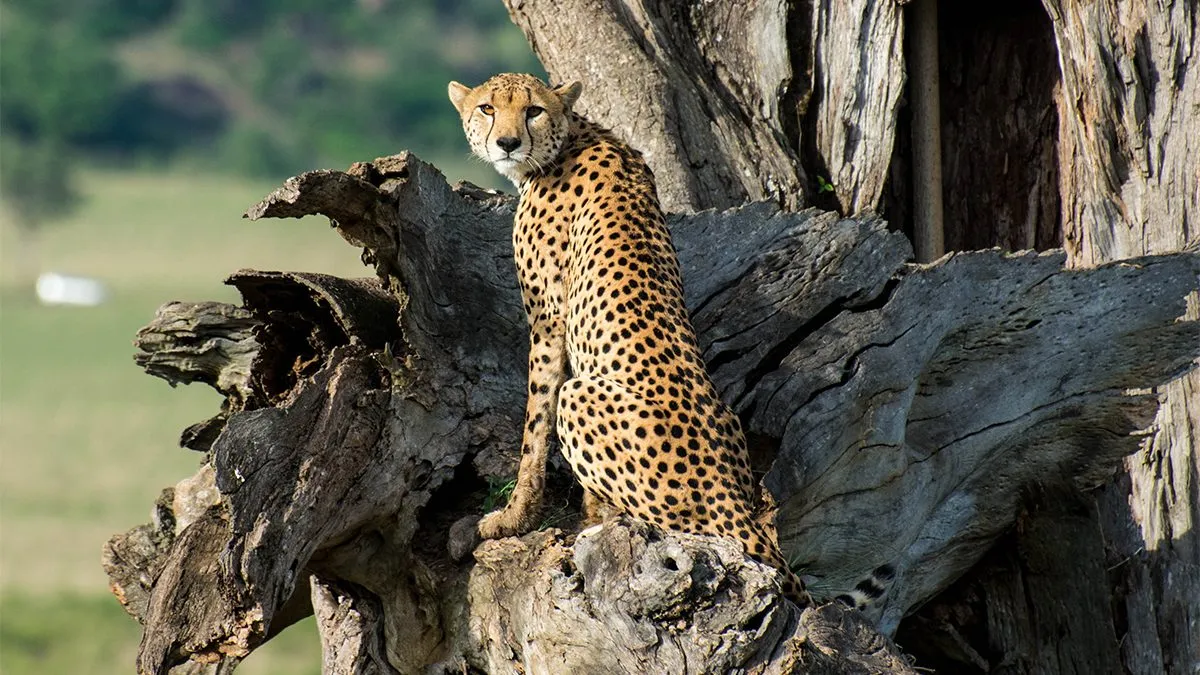
More than 77 mammal species live in Kidepo. Lions, leopards, spotted hyenas, cheetahs, black-backed jackals, side-striped jackals, bat-eared foxes, aardwolves and caracals give the park one of Uganda’s strongest predator line-ups. Cheetahs favour the short, open grasslands, while lions use the Narus plains and rocky outcrops around the main game circuits. Buffaloes form the park’s largest concentrations. The population ranges between about 10,000 and 15,000, and herds can gather in their thousands around Narus during the dry season. Elephant numbers range from roughly 650 to 1,000.
More than 50 Rothschild’s giraffes also move through the park following recovery and translocation work. Zebras, Jackson’s hartebeests, elands, greater and lesser kudu, oribis, Bohor reedbucks, dik-diks and waterbucks add variety across the grasslands and woodland. Patas monkeys are easy to recognise around Apoka because their long legs suit life on the ground. Baboons, vervet monkeys, red-tailed monkeys and black-and-white colobus occupy other habitats. Southern white rhinos began returning to Kidepo in March 2026 and remain within a closely managed sanctuary as the reintroduction continues.
Birds in Kidepo Valley National Park
Kidepo holds 476 bird species, including more than 100 dry-country birds associated with northern Uganda and Kenya. The park is Uganda’s only home for wild ostriches, which are best sought in the drier Kidepo Valley. Secretary birds, kori bustards, Abyssinian rollers, Abyssinian ground hornbills, rose-ringed parakeets, Clapperton’s francolins and Karamoja apalis are other strong targets. Raptors are a major part of the birding. The park supports 56 recorded raptor species, including lappet-faced vultures, pygmy falcons, lesser kestrels, bateleurs, tawny eagles and dark chanting goshawks. Begin around Apoka, then work through Narus Valley, Namamukweny Valley and the northern plains. Carry binoculars on every game drive because many of Kidepo’s best birds appear beside the tracks or over the open grassland.
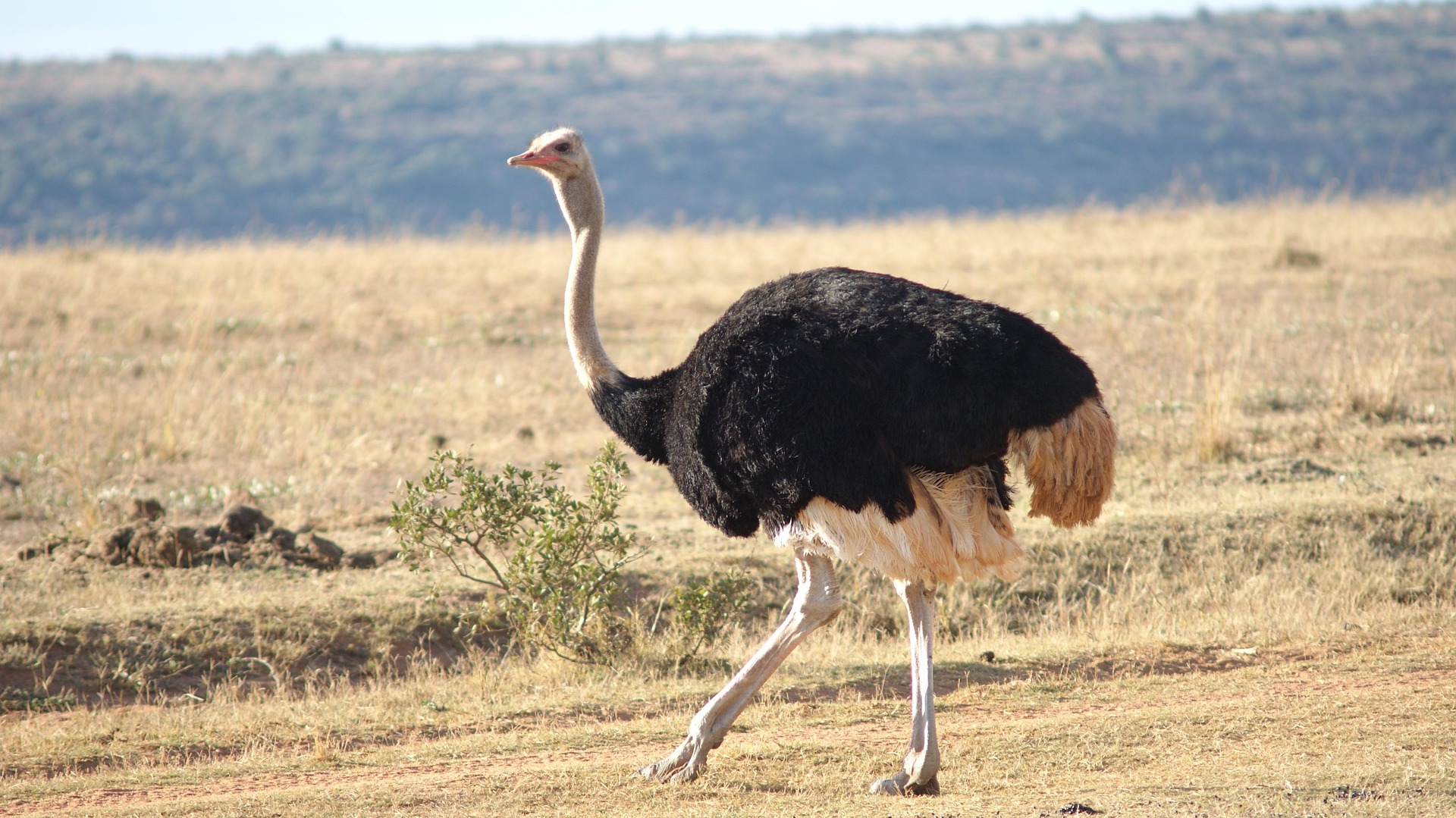
ostriche
Attractions in Kidepo Valley National Park
Kidepo’s attractions are spread across two valleys and the mountains that frame them. Narus provides the strongest concentration of large wildlife, while Kidepo Valley brings open scenery, a dry sand river, ostriches and Kanangorok Hot Springs. Mount Morungole, Namamukweny Valley, Lomej Hills and Lonyili Mountain extend the experience beyond the main game circuits.
Narus Valley
Narus means muddy area, a name that fits the seasonal pools left behind as the river dries. These pools provide the park’s most dependable dry-season water, which is why wildlife, game-drive routes and much of the visitor infrastructure concentrate around southern Narus and Apoka. Look for buffaloes in the low ground, giraffes on the drier slopes and lions on rocky outcrops. Elephants, zebras, Jackson’s hartebeests, oribis, Bohor reedbucks, leopards and cheetahs also use the valley. The main circuits pass Kakine, Katurum and Nagusokopire, while additional loops open the country northwest of Apoka and south of the seasonal Crocodile Pool. Early morning and late afternoon give the most comfortable temperatures and the strongest predator activity.
Kidepo Valley and Kidepo River
Kidepo Valley is drier, wider and less crowded with large mammals than Narus, but the scenery justifies the drive. The valley begins about 30 kilometres from Apoka. Stop at the Narus-Kidepo watershed near Lokimorigen for views towards Jebel Lotuke in South Sudan before descending to the Kidepo River crossing. For most of the year, the river is a broad strip of pale sand rather than flowing water. A ranger can lead you onto the dry riverbed at the approved stopping point. Ostriches and secretary birds are key targets beyond the crossing, with zebras, kudu and other dry-country wildlife appearing across the plains. Carry water and allow enough time for the return journey to Apoka.
Kanangorok Hot Springs
Kanangorok Hot Springs, also called Maji Moto, form a modest cluster of natural hot pools close to the South Sudan border. The springs lie 11 kilometres beyond the Kidepo River crossing, following a 30-kilometre drive from Apoka to the valley. A ranger escort is required. The route matters as much as the springs. Savannah around Narus gives way to shorter grass, open semi-arid plains and the sandy Kidepo River. Ostriches, secretary birds, zebras, giraffes, elephants, kudu, lions and cheetahs can appear along the drive. At Kanangorok, the plains open towards the border mountains and reveal the scale of northern Kidepo.
Mount Morungole and the Ik Community
Mount Morungole rises to 2,750 metres on Kidepo’s eastern side. The mountain supports forest and higher-altitude vegetation that contrast sharply with the savannah below. A ranger-led climb is a demanding full-day outing, taking about 12 hours for the complete journey depending on the trail, group pace and village programme. The Ik live in the high country around Morungole. Arrange the visit in advance with guides and community hosts, and begin early. Carry enough water, food, rain protection and footwear with strong grip. This excursion suits fit travellers with a full day available; it does not fit comfortably into a short game-drive programme.
Namamukweny Valley
Namamukweny Valley lies in northwestern Kidepo and gives birdwatchers a quieter alternative to the main game circuits. The name comes from the Napore language and refers to a lonely place with few people or birds, although the valley itself supports rewarding birdlife. Abyssinian rollers, common bulbuls, eastern paradise whydahs, green wood hoopoes and white-crested turacos occur here. Move slowly, stop beside wooded sections and listen before leaving the vehicle. The valley works well as part of a dedicated birding morning rather than a quick detour between large-mammal sightings.
Lomej Hills
Lomej Hills stand near the park headquarters and fit easily into a day based around Apoka. The slopes provide wide views over nearby grassland and a change from the lower Narus circuits. Mountain reedbucks and dry-country birds are among the species to watch for. Use the hills as a birding and viewpoint stop between game drives, or arrange a longer guided hike. Morning conditions are cooler and clearer. The close position to Apoka makes Lomej one of the easiest hill areas to include without losing a full day of wildlife viewing.
Lonyili Mountain
Lonyili Mountain lies towards the South Sudan border and holds montane forest used by colobus monkeys and other small primates. Reaching it requires more preparation than visiting Narus or Kidepo Valley because access tracks are limited and the area sits outside the regular game-drive routine. Arrange permission, a ranger and local guidance before departure. Treat Lonyili as a dedicated excursion with its own timing, water and food rather than adding it casually to a standard game drive. The reward is a forested mountain environment that feels completely different from Kidepo’s open plains.
Activities in Kidepo Valley National Park
Game drives remain the main activity, but walking, birding, cultural visits, photography and mountain hiking reveal more of the park. Allow at least three nights if you want both valleys, a nature walk and a community visit without rushing. Add another day for Mount Morungole or a dedicated northern excursion.
Game Drives in Narus and Kidepo Valleys
Start an early game drive around 6:00 am, when temperatures are cooler, and predators remain active. Afternoon drives begin around 4:00 pm as the heat eases. Night drives start around 7:00 pm when booked with the required ranger and vehicle arrangements. Narus Valley gives the most consistent access to lions, elephants, buffaloes, giraffes, zebras and antelopes because of its water. Kidepo Valley adds ostriches, secretary birds, kudu, cheetahs and broad border-country scenery. Use a sturdy 4WD throughout the year. Smaller tracks become difficult after heavy rain, and fuel is not available inside the park, so fill the tank before the final approach. For remote routes, travel with a ranger who knows the junctions, river crossings and current wildlife movement. A guide also helps position the vehicle without blocking animals or leaving the approved track.
Birdwatching in Kidepo
Kidepo’s 476 bird species make birding productive from the lodge grounds to the northern plains. Around Apoka and Narus, look for Abyssinian ground hornbills, northern carmine bee-eaters, purple grenadiers, white-bellied go-away birds and raptors. Namamukweny adds woodland species, while Kidepo Valley is the strongest area for ostriches and secretary birds. Serious birders should reserve separate time rather than trying to identify every species during a general game drive. Early mornings bring strong calls and active feeding. Carry binoculars, a field guide, sun protection and enough water, and use an experienced bird guide for difficult dry-country species such as Karamoja apalis and Clapperton’s francolin.
Guided Nature Walks and Hiking
All walks require a ranger. Short walks around Apoka and Narus focus on tracks, plants, birds and plains wildlife. A 2-hour walk from the Apoka Tourism Centre covers about five kilometres, giving you enough time to move through open grassland without taking over the full safari day. The 15-kilometre Rionomoe Trail runs along the southern side of Narus Valley and can be walked in part or as a longer route. Lomej Mountain takes about four hours, with an early start around 7:00 am. Mount Morungole is the most demanding option and needs a full day. Wear neutral clothing, closed walking shoes and long trousers, and carry water, a hat and rain protection.
Cultural Visits with the Karamojong and Ik
Karamojong community visits take place around Karenga, Kawalakol, Lorukul and nearby settlements. A host can introduce the manyatta layout, cattle-keeping traditions, grinding stones, beadwork, crafts and dance. Ask before photographing people and pay activity or craft charges through the agreed community arrangement. Ik visits take you into the Mount Morungole highlands and combine a strenuous hike with time in the community. Set aside the full day and arrange guides and hosts before reaching Kidepo. The walk, altitude and heat make this a very different activity from a short cultural stop near the park gate.
Photography and Stargazing
Kidepo’s open valleys suit wide landscape photographs as well as wildlife portraits. Early morning light works across Narus, while late afternoon adds warm colour to the mountains and grassland. Carry a longer lens for predators and birds, but keep a wider lens accessible for buffalo herds, riverbeds and distant ridges. After dark, limited artificial light leaves a clear view of the sky. Stargazing fits naturally after dinner or after a night drive. Use a tripod for long exposures and switch off unnecessary lights around camp so your eyes can adjust.
How to Get to Kidepo Valley National Park
Kidepo can be reached by road or air. The 571-kilometre drive from Kampala through Gulu and Kitgum takes about 10 hours and requires an early departure. A flight to Apoka Airstrip saves most of the transfer day and places you close to the Narus game circuits.
Getting to Kidepo Valley National Park by Road
The quickest road route runs from Kampala through Gulu and Kitgum to Lokumoit Gate, covering 571 kilometres. Allow about 10 hours in a sound 4WD, plus stops. Breaking the journey in Gulu or Kitgum gives a more comfortable schedule. A Murchison Falls combination also works well, with the sealed route between Murchison and Kidepo taking about seven hours depending on the starting lodge and stops. Two longer routes cross Karamoja and enter through Nataba Gate. The route through Mbale, Moroto and Pian Upe covers about 661 kilometres. Another option through Mbale and Soroti covers about 700 kilometres. These routes suit a wider eastern Uganda itinerary, with possible stops at Jinja, Sipi Falls, Pian Upe Wildlife Reserve or Moroto. Carry enough fuel for the final sections and the planned game drives because fuel is not available inside Kidepo. Rain makes minor tracks difficult, so confirm road conditions before departure and avoid relying on a standard two-wheel-drive vehicle.
Flying from Entebbe to Apoka Airstrip
Scheduled and charter flights connect Entebbe or Kajjansi with Apoka Airstrip. Flight days, departure times, stops and minimum passenger numbers change with the operator, so confirm the exact service for the travel date before fixing the itinerary. The airstrip lies inside the park, close to Apoka and the main Narus game-viewing area. The flight takes roughly two hours when operated directly, with longer journey times when the aircraft makes another safari stop. Camps arrange the short transfer from the airstrip. Light-aircraft baggage limits apply, so use a soft-sided bag and confirm the weight allowance before packing.

Flying from Entebbe to Apoka Airstrip
Best Time to Visit Kidepo Valley National Park
Kidepo is open throughout the year. December to March gives the strongest dry-season wildlife concentration around Narus, while April to November brings greener scenery and fewer visitors. Birding remains productive in both seasons, but road and walking conditions change sharply after rain.
December to March for the Best Wildlife Viewing
December to March is the driest period. Grass becomes shorter and wildlife gathers around the remaining pools in Narus Valley. This makes buffaloes, elephants, giraffes, lions and antelopes easier to locate. Cheetahs and other dry-country species remain strong targets on the shorter grass plains. Daytime temperatures can reach about 40 degrees Celsius. Plan game drives for early morning and late afternoon, then rest through the hottest part of the day. Carry more drinking water than you expect to use, along with a hat and strong sun protection. Dry tracks improve access to the northern valley and Kanangorok Hot Springs.
April to November for Green Landscapes and Fewer Visitors
The main rains fall from April to September, with greener conditions extending into November. Narus Valley receives about 890 millimetres of rain a year, while the drier Kidepo Valley receives about 635 millimetres. Grass grows taller, water spreads across more of the park, and animals range farther from the dry-season pools. Expect more searching during game drives and allow extra travel time after heavy showers. Minor tracks can become muddy, making a capable 4WD essential. The reward is fresh vegetation, dramatic skies, active birdlife and quieter viewing areas. Pack a waterproof jacket, closed shoes and protection for cameras and binoculars.
Where to Stay in Kidepo Valley National Park
Accommodation ranges from a luxury lodge inside the park to tented camps near the boundary, simple bandas, guesthouses and campsites. Staying around Apoka gives the earliest access to Narus Valley, while properties near the gate suit travellers balancing price and comfort. Confirm meals, power, hot water, transfers and ranger arrangements before arrival because services vary widely.