4-day Masai Mara fly-in safari with private game drives, Big Five viewing, Maasai culture and optional balloon safari.
An Exceptional Cross-Border Safari Experience by BLS Safaris Ltd The 7-Day Masai Mara & Gorilla Trekking Adventure delivers an extraordinary journey that unites Kenya’s golden savannah plains with Uganda’s misty rainforest mountains. BLS Safaris Ltd designs this immersive expedit
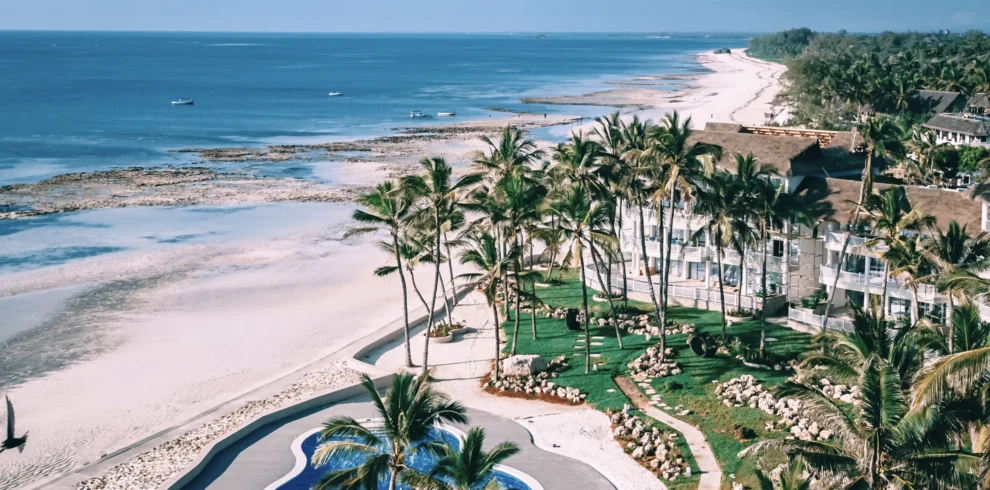
10-day Kenya safari combining Masai Mara wildlife, Big Five game drives, and four relaxing nights on Diani Beach
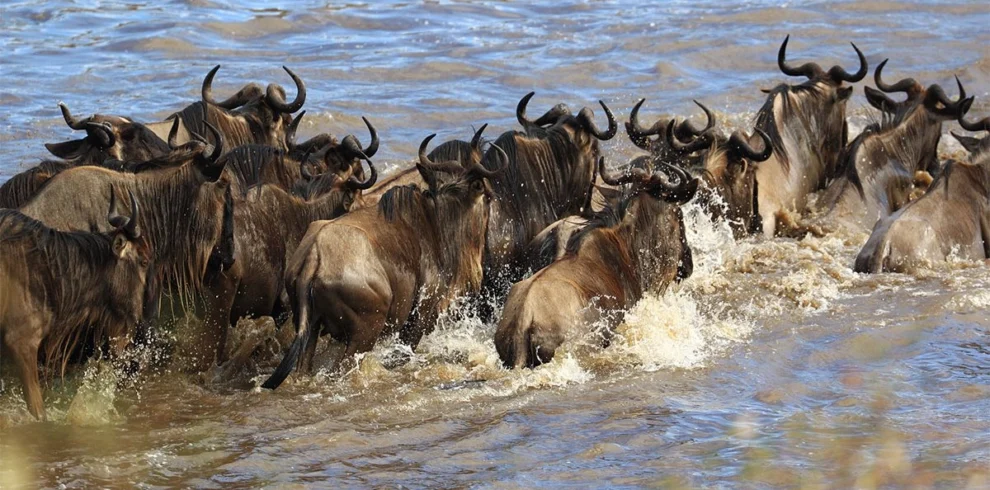
7-day Kenya Great Migration safari with Mara River crossing searches, Big Five game drives, balloon safari, and expert guiding
Wildlife in Masai Mara
Masai Mara’s open grasslands, river valleys and wooded areas offer different wildlife-viewing opportunities. Look for lions and cheetahs across the plains, elephants feeding in family groups and buffalo gathering near water. Trees and riverine thickets provide cover for leopards, making patient searching part of the experience. These habitats give your guide different places to explore during game drives.
The Big Five and Big Cats
Masai Mara is home to the Big Five: lion, leopard, elephant, buffalo and black rhino. Lions are a major draw, while elephants travel in female-led family groups and buffalo gather in herds. Black rhinos are more difficult to find, so approach your safari with time to search rather than an expectation of seeing all five on one drive. Alongside lions and leopards, cheetahs make predator viewing a highlight. Open grasslands provide hunting grounds for cheetahs pursuing gazelles and wildebeest. Leopards use trees, rocky areas and riverine cover, making careful searching worthwhile. Spotted hyenas add another dimension to the Mara’s predator encounters. Smaller carnivores include black-backed jackals, bat-eared foxes, servals and genets. Some are more active after dark, when a conservancy night drive offers a different viewing experience. If this interests you, confirm that your camp offers night drives within its permitted wildlife area before booking.
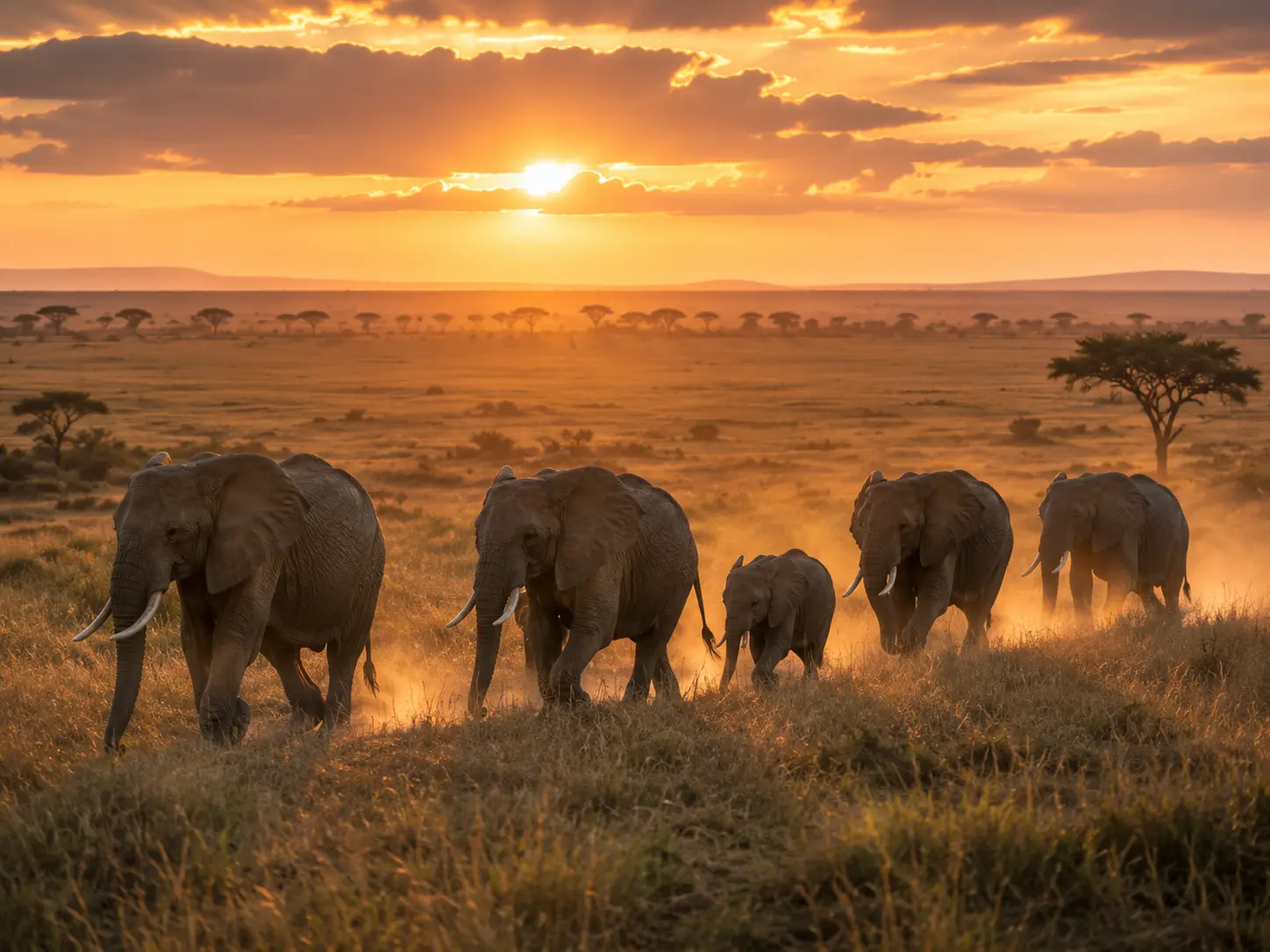
Elephants in Masai Mara National Reserve
Other Wildlife and Birdlife
Beyond the big cats, look for giraffes, zebras, topi, elands, Coke’s hartebeest, impalas and warthogs across the Mara. Rivers and pools provide opportunities to watch hippos, while smaller animals such as banded mongooses add interest between larger wildlife sightings. Give these encounters time rather than moving straight on to search for another predator. Birdwatching adds another reason to explore the reserve throughout the year. November to April brings migrant birds alongside resident species. Look for secretary birds, ostriches, Kori bustards and lilac-breasted rollers, as well as vultures, crowned cranes and African fish eagles. Even on a general wildlife safari, these birds offer rewarding sightings between encounters with the Mara’s mammals.
The Great Migration in Masai Mara
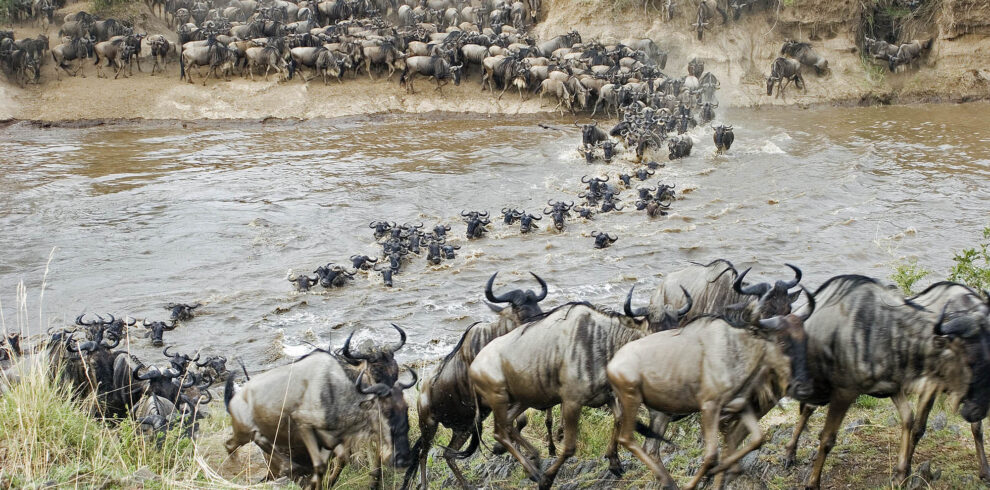
The Great Migration brings large herds of wildebeest, zebras and gazelles from Tanzania’s Serengeti into Kenya’s Masai Mara in search of fresh grazing and water. Rainfall influences their movements, so the migration follows a seasonal pattern rather than a fixed timetable. Watching the herds spread across the plains is part of the experience, alongside the river crossings that attract so much attention. July to October is the main planning window for migration viewing in the Mara. The timing of arrivals, crossings and movement back towards the Serengeti varies between years. Keep your travel plans focused on the wider migration experience rather than one predicted crossing date.
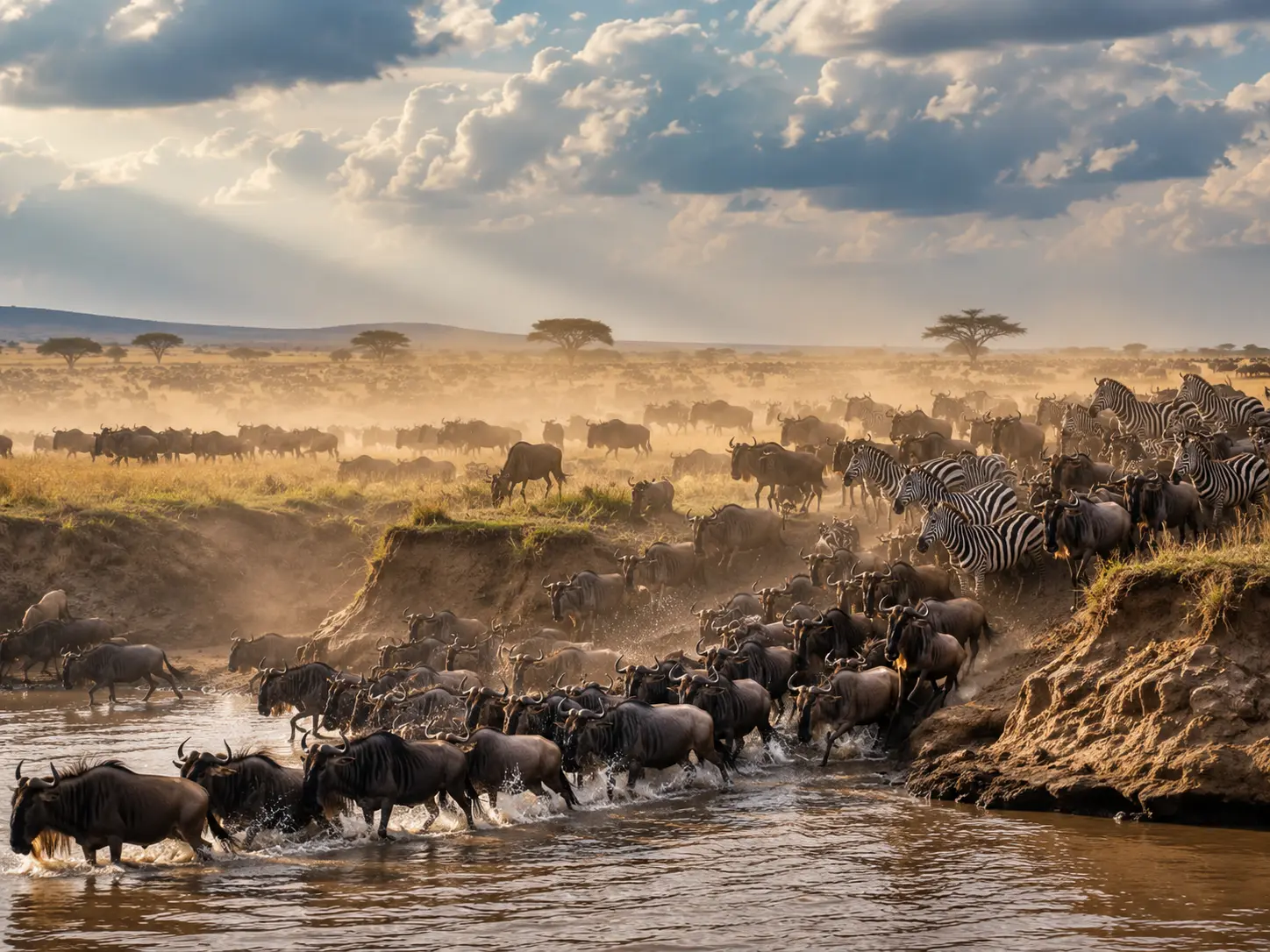
The Great Migration in the Masai Mara
At the Mara River, herds can gather for hours or days before entering the water. Strong currents, steep banks and crocodiles make crossings dangerous for the animals, but their presence at the river does not mean a crossing is imminent. Even a full day of waiting provides no guarantee. Allow more time in the Mara if migration viewing is your priority. When selecting accommodation, check access to the areas relevant to your travel dates. A camp near the Talek River or in a neighbouring conservancy is not automatically close to the crossing sites you hope to visit. Ask how much driving each excursion involves. Explore our Great Migration guide for month-by-month planning.
Things to Do in Masai Mara
Game drives are the main focus of a Masai Mara safari. When choosing other activities, check what your camp offers and whether they take place inside the reserve or in a neighbouring conservancy.
Guided Game Drives
Guided game drives take you through the Mara’s grasslands and riverine habitats in a safari vehicle, with time to stop and watch wildlife. Your guide helps locate animals and explains their behaviour, making each sighting more rewarding. Discuss the daily schedule before booking, including departure times, time spent driving from camp and whether longer outings are available. Ask whether you will share a vehicle with other guests or have a private vehicle, particularly if photography or a flexible pace matters to you. Allow time for quieter stretches between sightings. Watching animals without crowding them or interrupting their movement should remain part of the experience.
Hot Air Balloon Safaris in Masai Mara
A hot air balloon safari gives you an aerial view of the Mara’s grasslands, river bends and wildlife. The morning starts before dawn with a transfer from your camp to the launch site and a pilot’s briefing. Take-off is around sunrise, with approximately one hour in the air, depending on wind conditions. The route follows the wind, so a particular sighting or river crossing cannot be promised. Allow the morning for the excursion, including transfers and breakfast after landing. Confirm whether camp pickup, breakfast and reserve entry fees are included in your booking. Wear a warm layer and closed shoes, and carry your camera. Flights depend on suitable weather, so check the operator’s cancellation and rescheduling terms before paying.
Conservancy Walks and Night Drives
Selected camps in neighbouring conservancies, including Mara North, offer guided walks and night drives. On foot, the focus shifts to tracks, plants, birds and smaller details that are easy to overlook from a vehicle. Walks follow routes selected by the guiding team, with the pace and distance agreed before departure. Night drives offer a different experience, searching for wildlife after dark with your guide. Sightings depend on animal activity, so treat the outing as a chance to explore rather than a promise of finding particular species. If either activity matters to your trip, confirm availability before choosing your camp. Ask about walking duration, age requirements, conservancy access and additional charges. Staying near the reserve does not automatically include these experiences.
Maasai Community Visits
A Maasai community visit adds a human perspective to your time in the Mara. Arrange it through your camp or guide with hosts who welcome visitors. Depending on the programme, you can learn about family life, cattle keeping, beadwork and the community’s relationship with wildlife. Leave time for conversation and questions rather than treating the visit as a brief photo stop. Before setting out, confirm the duration, visit fee and how payment reaches your hosts. Ask permission before photographing people or entering homes, and follow your host’s guidance throughout. Buying beadwork or other crafts is optional. Agree on the price directly with the seller if you find something you would like to take home.
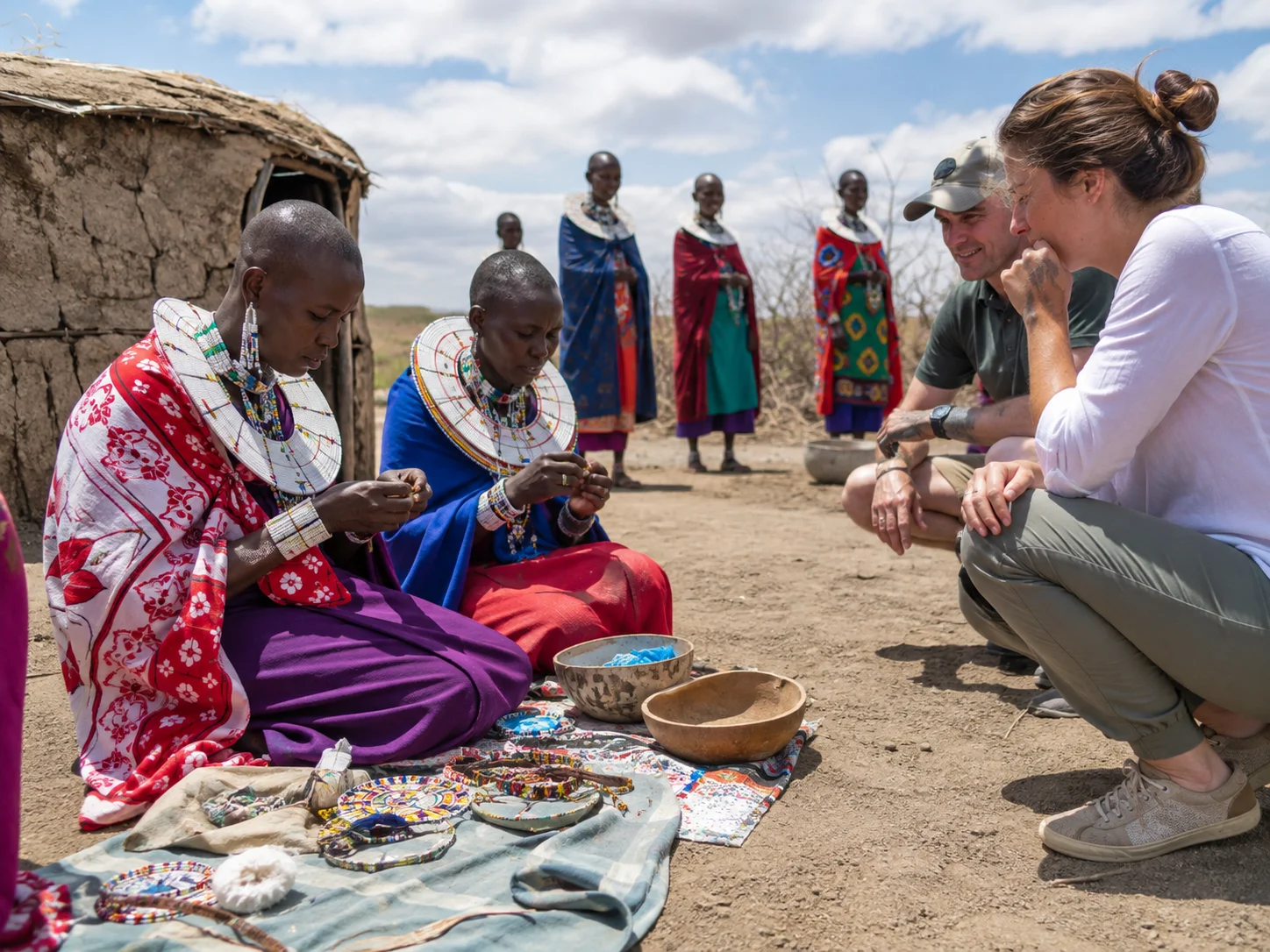
Maasai village visits
Best Time to Visit Masai Mara National Reserve
June to October is the best time to visit Masai Mara for general wildlife viewing, while July to October is the main planning window for the Great Migration. The reserve supports wildlife viewing throughout the year, so your dates also depend on your preference for quieter game drives, greener scenery, or migration herds. The broad seasons are dry from June to October and wetter from November to May, with a relative break in the rains during January and February.
Dry Season in Masai Mara, June to October
During the drier months, thinner vegetation and wildlife gathering near rivers and waterholes make animals easier to spot. Pack a warm layer for early morning game drives and cool evenings. For migration viewing, July to October is the main window, with August and September popular for river-crossing trips. Herd locations change with rainfall and grazing, and crossings are never guaranteed. Keep your route flexible rather than planning around a specific crossing date. The main trade-off is demand. Popular sightings attract more vehicles, and well-positioned camps fill ahead of busy migration dates. Compare accommodation rates for your exact travel period. A neighbouring conservancy can offer quieter drives, but check the driving distance into the reserve if river crossings are your priority.
Rainy Season in Masai Mara, November to May
The wetter months bring green grasslands, fresh flowers and changing skies for photography. Wildlife viewing continues, while migrant birds add to the resident species between November and April. For a quieter safari or lower accommodation rates, compare your exact dates rather than assuming the entire season is cheaper. November and December bring the short rains. January and February offer a relative break, although showers remain possible. These months suit travellers interested in resident wildlife and green scenery outside the main migration period. The long rains run from March to May, with April the wettest month. Taller grass can make animals harder to spot, and muddy tracks can restrict driving routes. Keep your daily plans flexible and confirm that your chosen camp is open for your dates. Flying into the Mara reduces the long road journey, but it does not remove the need for ground transfers or weather-dependent game drives. Check the route between your airstrip and camp, and allow room in the itinerary for changing conditions.
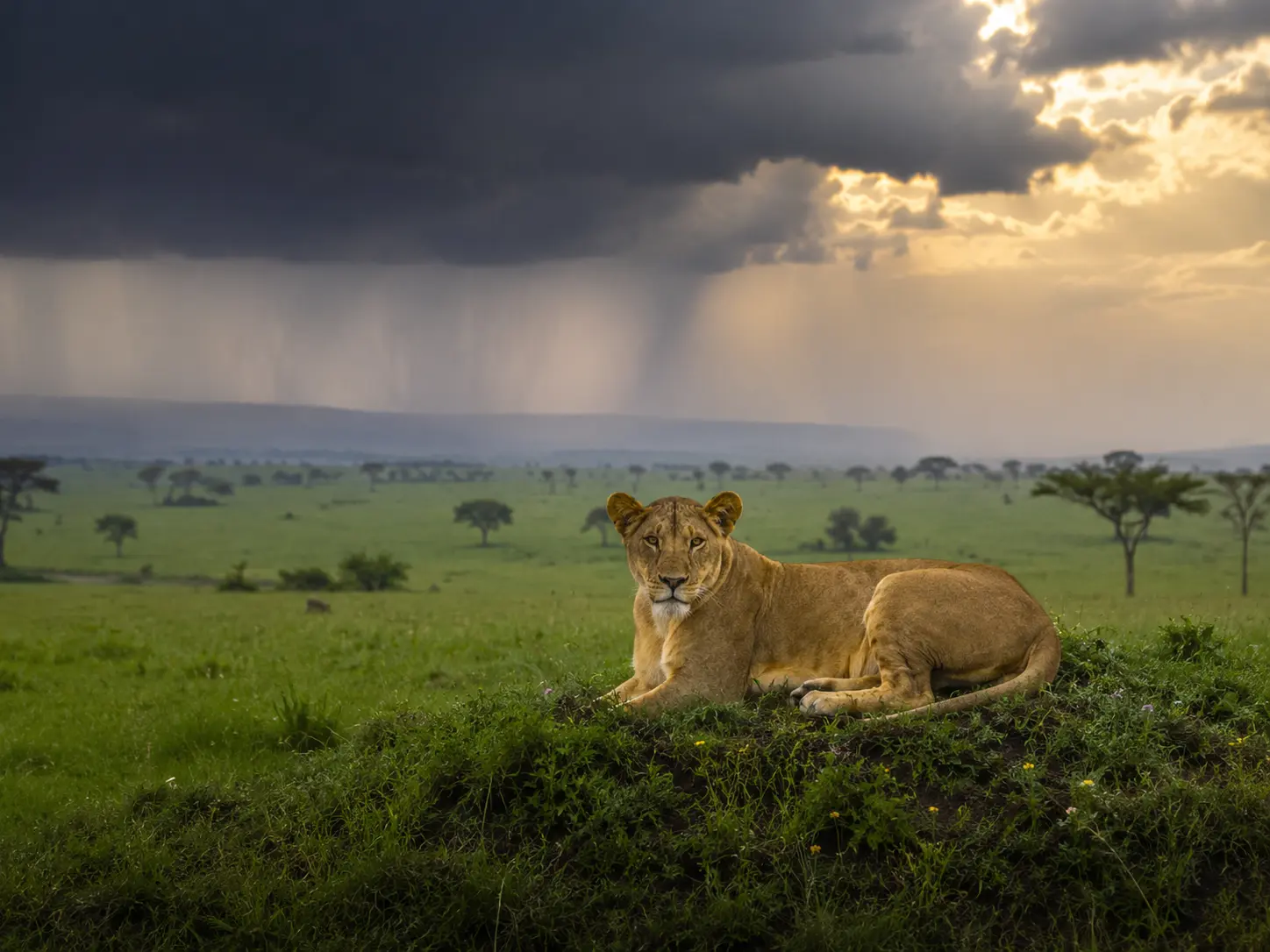
Rainy Season in Masai Mara
How to Get to Masai Mara National Reserve
You can reach Masai Mara by road through Narok or by domestic flight to an airstrip serving your camp. The better option depends on your budget, available time and accommodation location. For international arrivals through Nairobi’s Jomo Kenyatta International Airport (NBO), check whether your onward flight departs from Wilson Airport (WIL), which requires a separate road transfer.
Getting to Masai Mara by Air
Flights from Nairobi Wilson Airport take approximately one hour to the Mara, although services stopping at several airstrips can take longer. Flying reduces the road journey and suits a shorter safari, but include airport transfers and check-in time when planning your travel day. Confirm your camp before booking the flight. Airstrips include Keekorok, Serena, Musiara, Ol Kiombo, Mara North and Kichwa Tembo, and the right choice depends on where you are staying. Ask your camp or safari operator to confirm the arrival airstrip, collection arrangements and driving time to your accommodation. If you arrive internationally on the same day, allow enough time for immigration, baggage collection and the transfer to Wilson. For connections from the Kenyan coast, Amboseli or Samburu, check the available routing for your dates rather than assuming a nonstop service.
Getting to Masai Mara by Road
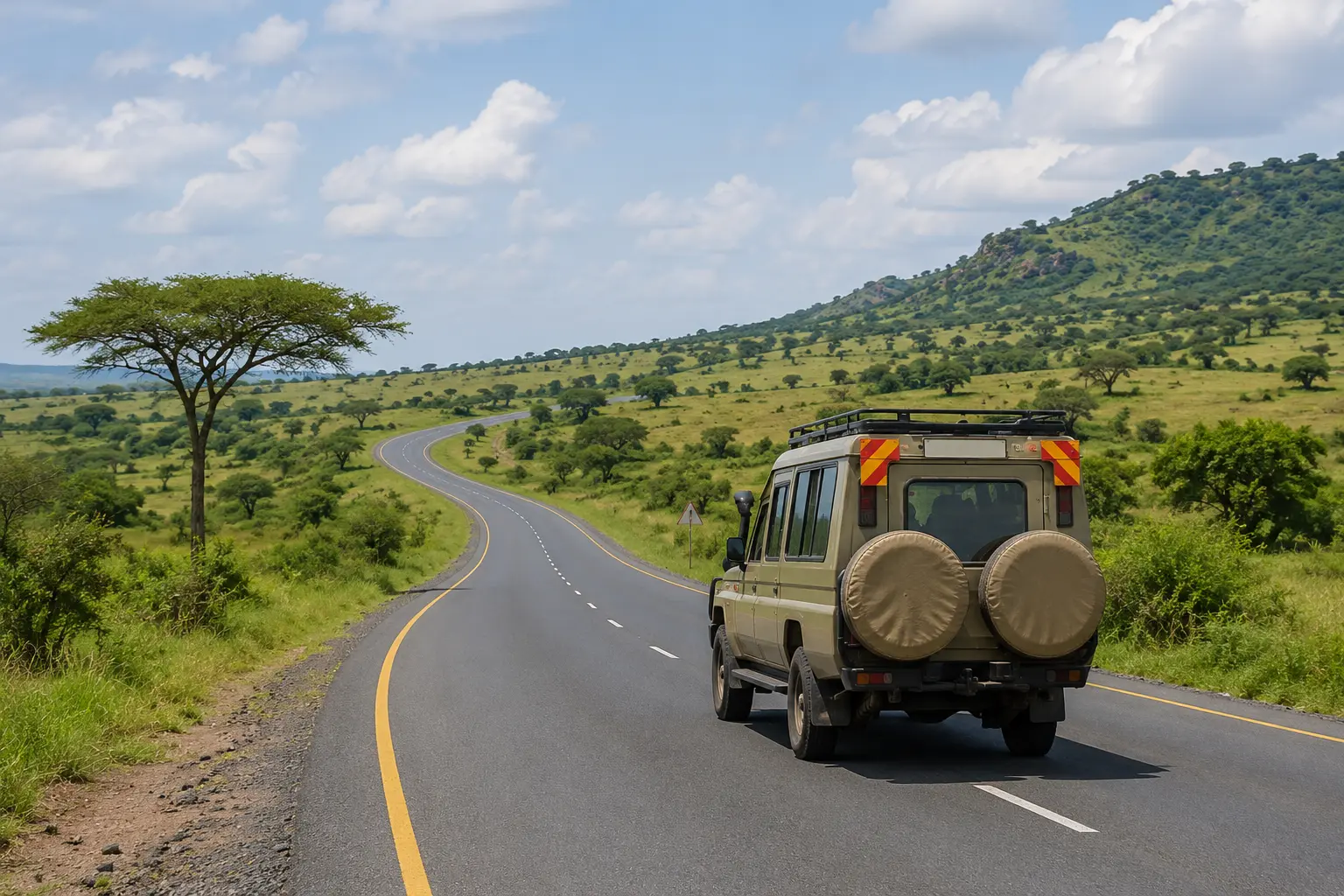
From Nairobi, the road journey to Masai Mara follows the route through Narok. Allow approximately five hours to Sekenani Gate, with extra time for traffic, breaks and the onward drive to your camp. Confirm the total journey to your accommodation rather than treating arrival at the gate as the end of the transfer. The road from Narok to Sekenani is tarmacked, while tracks inside the reserve and approaches to some camps can be rough, dusty or muddy. A 4×4 safari vehicle is recommended. Your accommodation determines the best route, with some western properties reached through Aitong rather than Sekenani. An experienced driver-guide handles navigation and changing track conditions. If you intend to drive yourself, confirm the vehicle and guiding requirements for the area you will visit before arranging the rental. Road travel also works for longer itineraries combining the Mara with Lake Nakuru or Amboseli, provided you allow separate travel time between destinations.