
Bwindi Impenetrable National Park in southwestern Uganda is the country’s principal mountain gorilla trekking destination and a UNESCO World Heritage Site. The 321 km² rainforest lies along the Albertine Rift and protects roughly half of the world’s mountain gorillas, together with exceptional forest birdlife, primates and one of East Africa’s most biologically important montane forests. Gorilla trekking is organised from four sectors: Buhoma, Ruhija, Rushaga and Nkuringo. Choosing the correct sector is one of the most important parts of planning a Bwindi safari because your permit determines where you report for trekking, which lodges are convenient and which road or air route makes sense. Bwindi also offers gorilla habituation, birding, guided forest walks and community experiences, so the park deserves more consideration than a single trekking morning. This guide explains the sectors, current permit arrangements, accommodation, access, best time to visit and the activities worth adding around your gorilla trek.
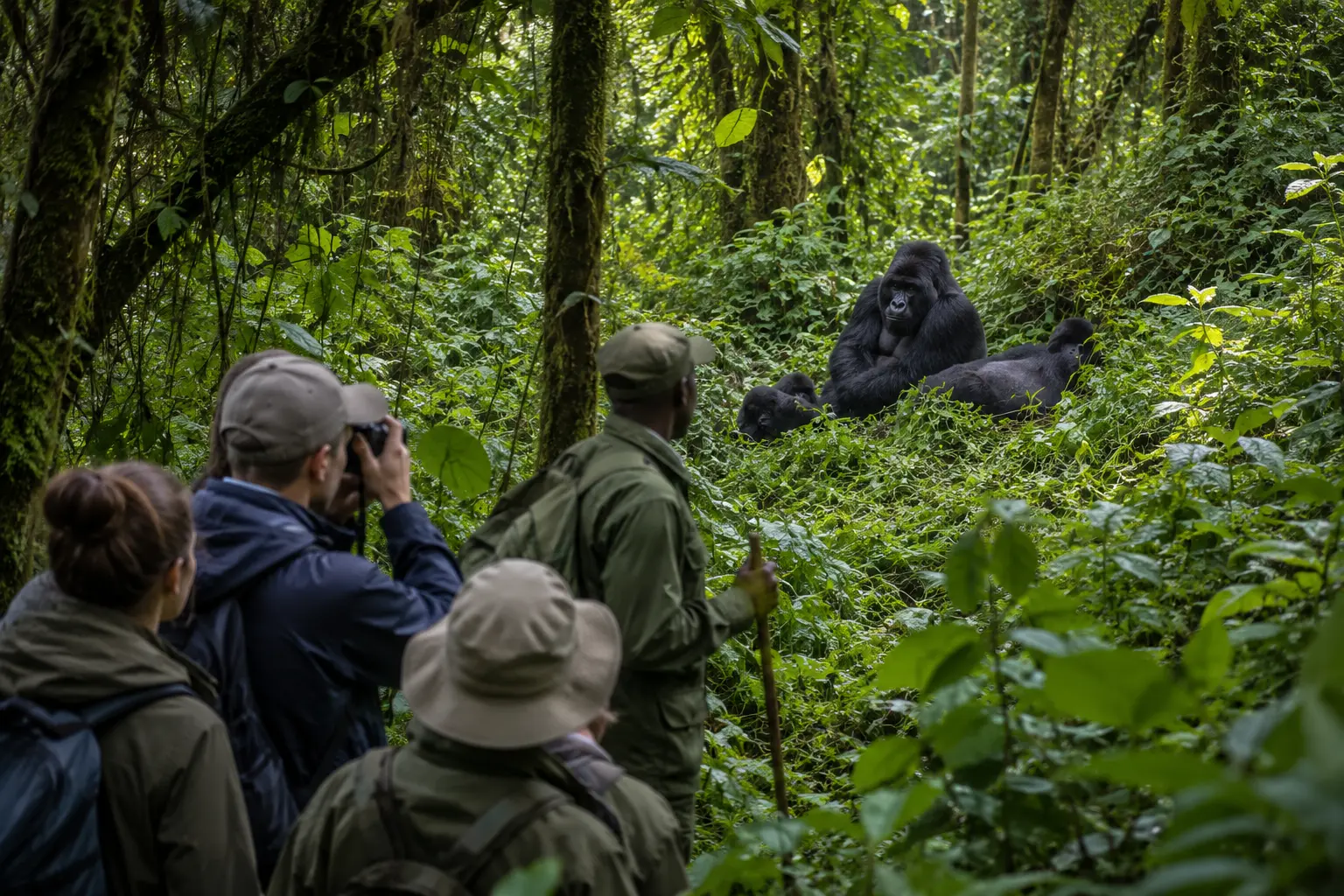
Tourists during a morning gorilla trekking session in Bwindi
Which Bwindi Gorilla Trekking Sector Should You Choose?

Welcome to Uganda, famously dubbed the “Pearl of Africa,” where lush landscapes, diverse wildlife, and vibrant cultures await. This 5-Day Uganda Experiential Safari offers an exhilarating journey through some of the country’s most iconic national parks, including Lake Mburo and B
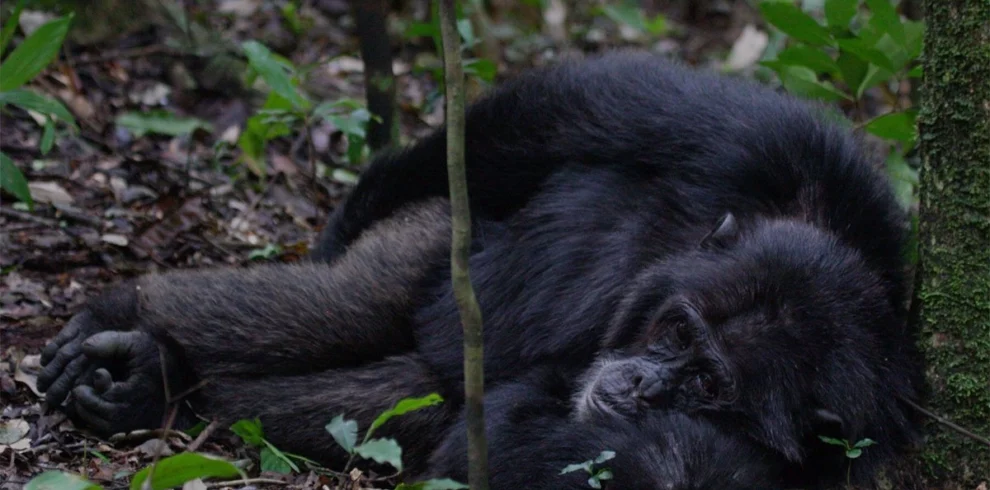
5-Day Uganda Safari with Gorilla Trekking and Chimpanzee Tracking Experience Embark on an unforgettable 5-Day Uganda Safari that promises an exhilarating blend of gorilla trekking and chimpanzee tracking. Uganda, known as the “Pearl of Africa,” offers stunning landscapes, diverse
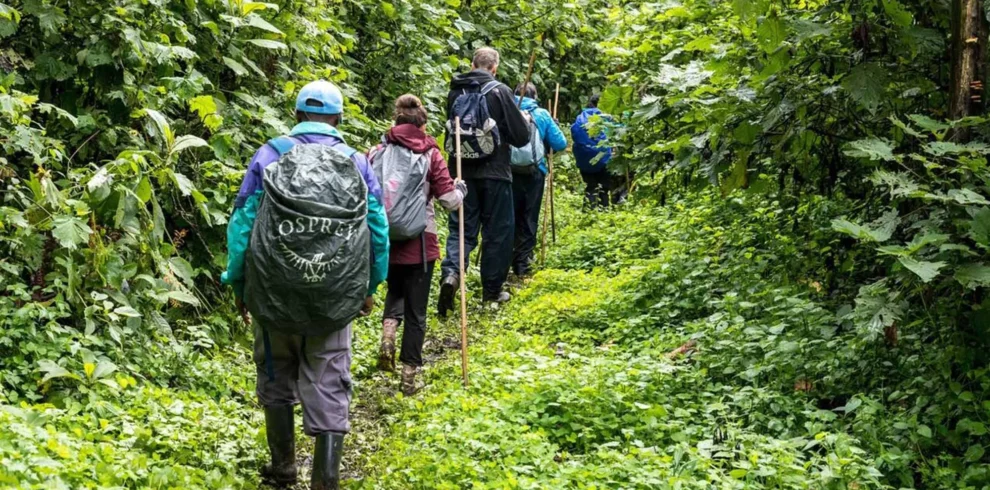
Embark on a thrilling 2-Day Bwindi Gorilla Trekking Safari from Kigali, where you will experience the awe-inspiring majesty of mountain gorillas in their natural habitat. Nestled within the lush, dense forests of Uganda’s Bwindi Impenetrable National Park, this adventure promis

Uganda, famously known as the Pearl of Africa, offers one of the most extraordinary safari experiences on the continent. This 6-Day Uganda Gorilla Trekking & Wildlife Safari takes you deep into the heart of East Africa, combining thrilling wildlife encounters with unforgettable g
Embarking on the 9 Days Uganda Wildlife and Gorillas Adventure Tour offers an unparalleled opportunity to immerse yourself in the stunning landscapes and vibrant wildlife of Uganda, famously dubbed the “Pearl of Africa” by Winston Churchill. This expedition encompasses an array o
The 7-Day Uganda Safari is an unforgettable journey through the “Pearl of Africa,” combining thrilling wildlife encounters, breathtaking landscapes, and rich cultural experiences. This carefully designed Uganda safari takes you to some of the country’s most iconic destinations, i
This 4-day gorilla trekking and night safari in Uganda offers an incredible combination of wildlife adventure and scenic beauty. Experience a thrilling night game drive in Lake Mburo National Park, track endangered mountain gorillas in Bwindi Impenetrable National Park, and unw
This 3-day Bwindi gorilla trekking safari and Lake Bunyonyi tour offers the perfect combination of adventure and relaxation in Uganda. Experience a once-in-a-lifetime encounter with mountain gorillas in Bwindi Impenetrable National Park and unwind at the scenic Lake Bunyonyi, one
Things to Do in Bwindi Impenetrable National Park
Mountain gorilla trekking is the main reason most travellers visit Bwindi Impenetrable National Park, but the forest offers several other experiences worth adding to a longer stay. Depending on your trekking sector and available time, you can include gorilla habituation, birding, guided forest walks, waterfall trails and locally organised community experiences. Spending an extra night in Bwindi gives you more time to experience the rainforest beyond the gorilla trek and makes it easier to combine wildlife, walking and community activities without rushing the itinerary.
Gorilla Trekking in Bwindi Impenetrable National Park
Gorilla trekking is the main wildlife experience in Bwindi Impenetrable National Park and takes place from the Buhoma, Ruhija, Rushaga and Nkuringo sectors. Your permit determines the sector where you report, so accommodation and transport should be planned around that location rather than chosen separately. The trekking day begins with registration and a ranger briefing before visitors enter the forest to search for an assigned habituated gorilla family.
Trekking can take approximately 2 to 7 hours depending on the gorillas’ movements, terrain and walking pace. Once the family is located, visitors are allowed up to one hour observing the gorillas as they feed, rest, groom and move through the forest. Bwindi’s trails can be steep, muddy and slippery, so a reasonable level of fitness and sturdy hiking footwear are important. Hiring a porter can also help with carrying a daypack and provide extra support on difficult sections. The minimum age for gorilla trekking in Uganda is 15 years, and visitor numbers around each habituated family are strictly controlled.
Bwindi Gorilla Permit Prices and Booking
A standard Uganda gorilla trekking permit currently costs US$800 for foreign non-residents, US$700 for foreign residents, US$500 for Rest of Africa visitors, and UGX 300,000 for East African Community citizens. For April, May and November 2026, UWA introduced low-season rates of US$600 for foreign non-residents and US$500 for foreign residents. These discounted permits cannot be rescheduled. From 1 March 2026, UWA also suspended the previous seven-day unpaid reservation window, meaning permits are now secured only after full payment at the time of booking. Because your permit is tied to a trekking sector and specific date, it should be confirmed before finalising the Bwindi lodge and wider safari route.
Gorilla Habituation Experience in Bwindi
The gorilla habituation experience offers more time with mountain gorillas than a standard Bwindi gorilla trek. Visitors join trackers, ranger guides and researchers as they follow a gorilla family undergoing the gradual habituation process, learning how the gorillas are monitored and become accustomed to controlled human presence. After the gorillas are located, visitors can spend up to four hours with the family, compared with one hour on a standard trek. Group sizes are highly restricted, with a maximum of four visitors allocated to a habituation group. The experience can involve a long day in steep forest terrain, so it suits travellers who are comfortable with a more demanding trek. From 1 January 2027, the habituation permit is US$1,800 for foreign non-residents, US$1,600 for foreign residents, US$1,000 for Rest of Africa visitors and UGX 750,000 for East African citizens.
Batwa and Community Experiences around Bwindi
Batwa communities have a long historical relationship with the forests of the Bwindi and Virunga landscape, where generations depended on forest knowledge for food, medicine, shelter and everyday life. Today, locally organised Batwa experiences can introduce visitors to this history through storytelling, traditional skills, crafts, music and guided interpretation of how people once lived within the forest. Around Nkuringo, the Buniga Forest Walk is led by Batwa guides and provides one opportunity to learn about traditional forest knowledge directly from community members. Community visits are also available around Buhoma and other villages surrounding Bwindi, where travellers can encounter local crafts, farming, music and aspects of Bakiga and Batwa culture. These experiences are best arranged through established community-led programmes. They can add valuable cultural context to a Bwindi safari while helping visitors understand the relationship between local communities, tourism and conservation around the national park.
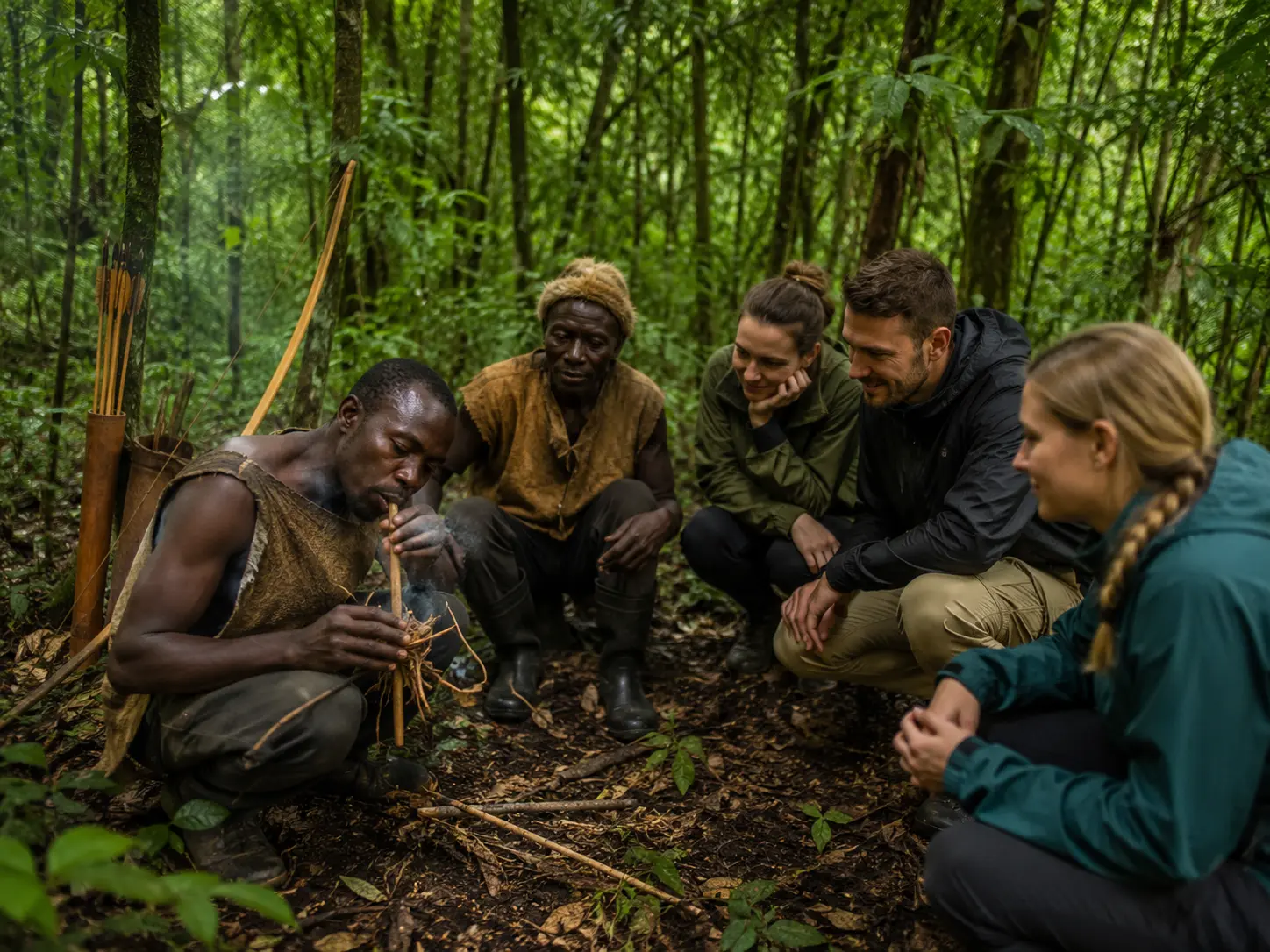
Batwa Cultural Visits
Birding in Bwindi Impenetrable National Park
Bwindi Impenetrable National Park is one of Uganda’s important forest birding areas, with over 350 recorded bird species, including 23 Albertine Rift endemics. Birding is possible from all four of the park’s main trailheads, but Ruhija and Buhoma give visiting birders some of the strongest options for exploring different elevations and forest habitats.
Ruhija is particularly rewarding for Albertine Rift specialities. The Bamboo Trail climbs through high montane forest towards Rwamunyonyi Peak at 2,607 metres, while the separate Mubwindi Swamp Trail takes birders into another of Bwindi’s recognised endemic-bird areas. Important birds to look for include the African green broadbill, Shelley’s crimsonwing, Chapin’s flycatcher, Neumann’s warbler, red-faced woodland warbler, strange weaver, blue-headed sunbird and purple-breasted sunbird.
Around Buhoma, the forest-edge Munyaga River Trail provides another good birding route, while the River Ivi Trail is also recommended for forest species. Early mornings are worth using for slower birding when calls make birds easier to locate. If bird watching is an important part of your Bwindi safari, allow a dedicated day rather than relying only on the hours around gorilla trekking
Nature Walks and Hiking Trails in Bwindi
Nature walks give you time to experience Bwindi beyond the search for mountain gorillas. Depending on where you stay, guided routes take you through river valleys, mature rainforest, ridges and higher montane forest, with opportunities to watch forest birds, butterflies and primates while paying more attention to the forest itself. Around Buhoma, the Munyanga River Trail is one of the shorter options, following the valley below the trailhead through forest-edge habitat where birds and primates can be encountered.
The Waterfall Trail goes farther into the rainforest beneath tree ferns, epiphytic ferns and orchids before reaching three waterfalls. For wider landscapes, the Rushura Hill Trail looks across the Albertine Rift Valley and, in clear conditions, towards Lake Edward and the Rwenzori Mountains. The Muzabajiro Loop Trail climbs Rukubira Hill, opening views across Bwindi Forest, the Albertine Rift Valley and towards the Virunga volcanoes.
Travellers wanting a longer forest walk can also consider the River Ivi route, which follows an old road through the forest and emerges near Nkuringo. In Ruhija, the Bamboo Trail climbs through higher forest towards Rwamunyoni Peak at 2,607 metres, while the separate Mubwindi Swamp Trail is particularly important for travellers combining hiking with serious forest birding. If your itinerary allows it, adding a nature walk on a separate day from gorilla trekking gives you considerably more time to appreciate Bwindi’s forest, rather than seeing it only while concentrating on the gorilla trek.
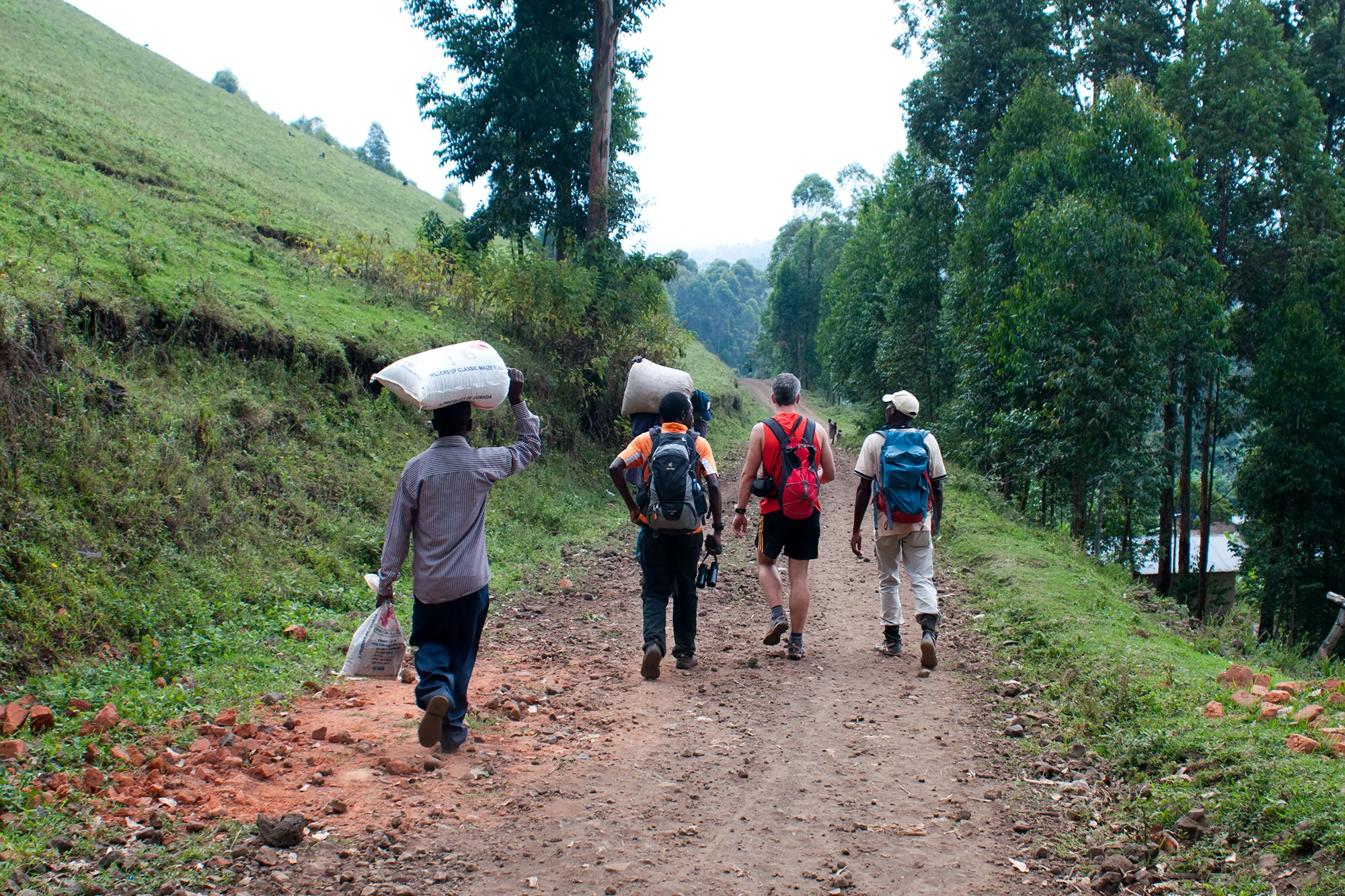
Bwindi Natural Walks
Bwindi Gorilla Trekking Sectors
Bwindi Impenetrable National Park has four main gorilla trekking sectors: Buhoma, Ruhija, Rushaga and Nkuringo, each serving as a designated entry point for gorilla tracking. Each sector has habituated gorilla families, but they differ in location, terrain, road access, accommodation choices and nearby activities. Knowing your trekking sector is important before choosing where to stay. Your lodge should be reasonably close to the correct briefing point, rather than on another side of Bwindi. Confirming the trekking sector first therefore makes it much easier to arrange accommodation and transfers correctly.
Buhoma Gorilla Trekking Sector in Bwindi
Buhoma is Bwindi’s northern gorilla trekking sector and the historic starting point of gorilla tourism in the park. The Mubare gorilla family became the first group opened for tourism in Bwindi in 1993. The Buhoma entry area lies at roughly 1,500 metres and is conveniently positioned for travellers arriving through Kihihi Airstrip or continuing between Bwindi and the Ishasha sector of Queen Elizabeth National Park. Gorilla families trekked from Buhoma include Mubare, Habinyanja, Rushegura, Katwe, Muyambi and Binyindo, giving this sector an important place in Bwindi’s gorilla trekking history. Buhoma is also a good base for travellers who want more than the gorilla trek. Forest walks, bird watching and community visits can be added easily, making this northern side of Bwindi particularly suitable for itineraries combining gorilla trekking with Queen Elizabeth National Park.
Ruhija Gorilla Trekking Sector in Bwindi
Ruhija lies on the eastern side of Bwindi, with the trekking area sitting at roughly 2,350 metres in the park’s higher montane forest. Its location gives this part of Bwindi a noticeably different setting from the lower Buhoma side and makes it a strong choice for travellers combining gorilla trekking with forest birding. Gorilla groups associated with Ruhija include Bitukura and Oruzogo, while the sector also has a long connection with gorilla research through groups such as Kyaguliro and Mukiza. Bitukura’s habituation began in 2006, making it one of the established groups associated with gorilla tourism in this part of Bwindi. Ruhija is particularly important for birders. The Bamboo Trail towards Rwamunyoni Peak and the Mubwindi Swamp Trail are known for Albertine Rift endemics, including the sought-after African green broadbill.
Rushaga Gorilla Trekking Sector in Bwindi
Rushaga lies in southern Bwindi in Kisoro District and is one of the main trekking bases for travellers approaching the park through Kisoro. Its location also works well for itineraries combining gorilla trekking with Lake Mutanda or other destinations around southwestern Uganda. Rushaga has several habituated gorilla groups associated with the sector, including Shongi, Mishaya, Kahungye, Busingye, Bweza, Mucunguzi, Bikyingi and Kutu. The specific family trekked is allocated as part of the day’s gorilla tracking arrangements. What particularly distinguishes Rushaga is its connection with the gorilla habituation experience. Unlike standard trekking, which allows up to one hour with a habituated family, the habituation experience can allow up to four hours with the gorillas while visitors accompany the teams involved in the habituation process.
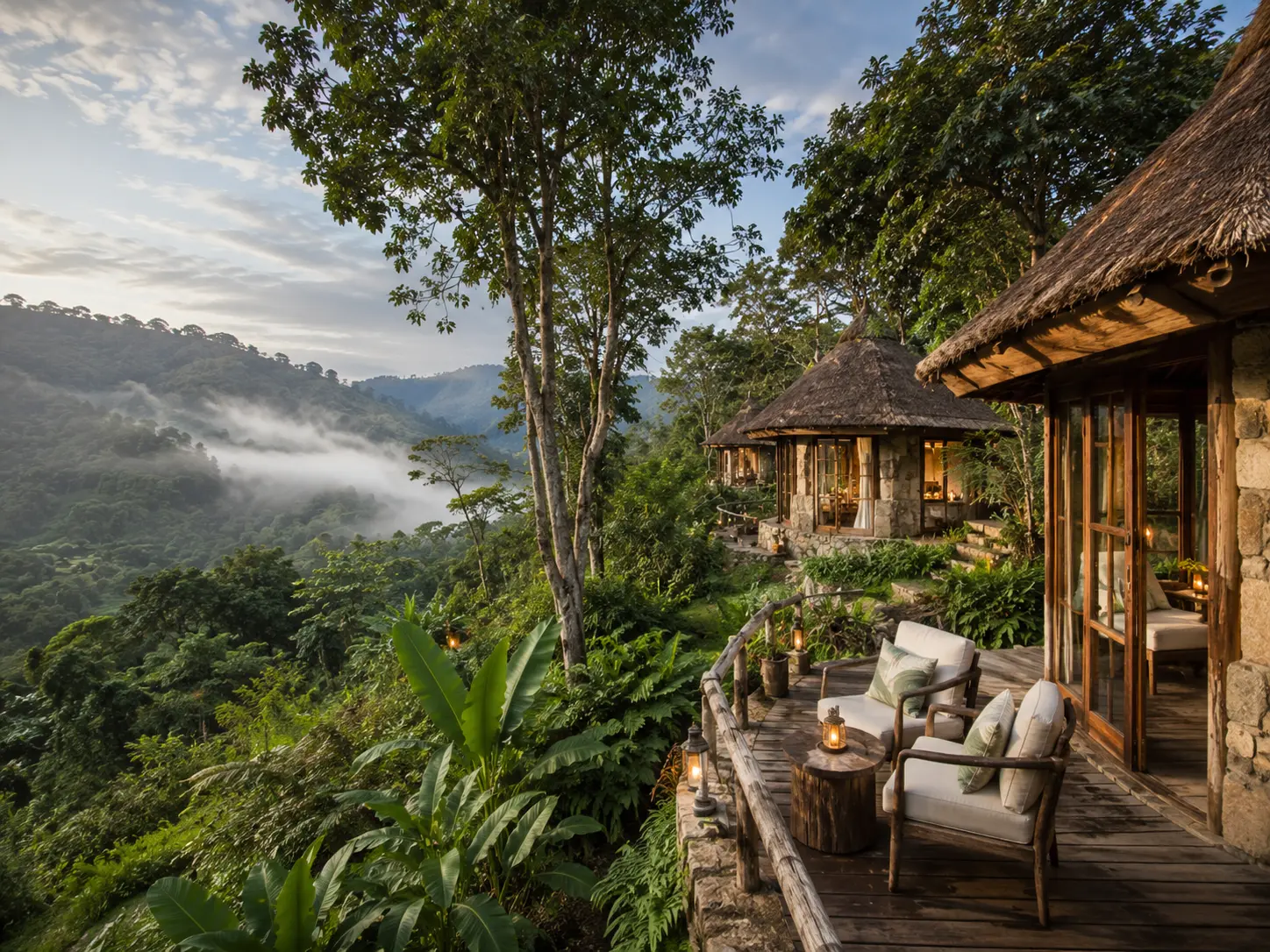
Ichumbi Gorilla Safari Lodge Rushaga
Nkuringo Gorilla Trekking Sector in Bwindi
Nkuringo lies on the southwestern side of Bwindi in Kisoro District and is reached through the park’s southern approach from Kisoro. Its position also works well for travellers staying around Lake Mutanda before or after gorilla trekking. The surrounding landscape is marked by steep hills and forested valleys, giving this side of Bwindi a strong mountain setting. Gorilla groups trekked from Nkuringo include Nkuringo, Bushaho, Christmas and Posho. The Nkuringo group was the first gorilla family habituated in Bwindi’s southern sector, with its first tourism visits taking place in 2004. Later that year, the group recorded the first birth of gorilla twins in Bwindi. Nkuringo works particularly well for itineraries using the southern Bwindi and Kisoro area. Because access involves winding mountain roads, staying near the correct trekking briefing point the night before makes the trekking morning much easier.
Getting to Bwindi Impenetrable National Park
Getting to Bwindi by Road
Bwindi can be reached by road from Kampala, Entebbe, Queen Elizabeth National Park or Kigali in Rwanda, with the best route depending on your gorilla trekking sector. From Kampala, the drive takes about 8 to 10 hours and covers roughly 540 km, depending on the final trailhead and route. For Buhoma, the more direct route runs through Ntungamo, Rukungiri, Kihihi and Butogota. Ruhija is approached from the Kabale-Kisoro road, while Rushaga and Nkuringo are reached through the southern Kisoro side. A 4×4 vehicle is recommended for the final winding and murram roads into Bwindi.
Bwindi also connects naturally with Queen Elizabeth National Park. Buhoma is about 64 km from Ishasha and approximately 160 km from Mweya, making the northern sector useful when combining gorilla trekking with a safari in Queen Elizabeth. Kigali is an important alternative gateway to Bwindi, particularly for Rushaga and Nkuringo. The road journey takes about 4 to 6 hours, with the southern sectors from Kigali via the Cyanika border and Kisoro. Katuna is another crossing option for routes towards Kabale and the eastern or northern side of Bwindi. Public transport reaches towns such as Kabale, Kisoro, Rukungiri and Kihihi, but a private transfer is still needed for the final journey to the correct trekking sector.
Flying to Bwindi via Kihihi or Kisoro
Flying is the quickest way to reach Bwindi if you want to avoid the 8 to 10 hour drive from Kampala or Entebbe. Scheduled domestic flights operate from Entebbe International Airport to Kihihi and Kisoro, with the flight taking about 1 hour 10 minutes before the final road transfer to your lodge. Kihihi Airstrip is the main flying option for Buhoma and also connects conveniently with the Ishasha side of Queen Elizabeth National Park. Kisoro Airstrip serves the southern side of Bwindi and is the main choice for travellers trekking in Rushaga or Nkuringo. From Kisoro, the road to Nkuringo is about 35 km and takes roughly 1 to 1.5 hours. For Ruhija, the most suitable airstrip depends on your lodge location and transfer route, so this should be confirmed before booking the flight. Scheduled flight times can change, and operations into Kisoro can also be affected by weather, so your airstrip, lodge and gorilla trekking sector should be arranged together.
Best Time to Visit Bwindi for Gorilla Trekking
Gorilla trekking in Bwindi takes place throughout the year, but June to August and December to February generally offer drier conditions for forest trails and road access. The wetter periods fall mainly between March and May and September and November, when heavier rain can make trails muddier and mountain roads slower. Bwindi is a tropical montane rainforest receiving roughly 1,130 to 2,390 mm of rain each year, so showers remain possible even during the drier months. Temperatures are generally cool, with an annual average range of about 7°C to 20°C, and June and July among the coldest months.
Dry Season in Bwindi, June to August and December to February
The drier periods in Bwindi generally fall between June and August and December and February. These months normally bring less rainfall, leaving forest trails firmer and making the final mountain roads into the park easier to manage. Rain is still possible at any time because Bwindi remains a tropical rainforest throughout the year. These periods are also popular for gorilla trekking, particularly when international travel demand is high. If you are travelling on fixed dates, secure your gorilla permit and accommodation atleast six months ahead, then choose a lodge close to the trekking sector on your permit. Even during the drier months, carry rain protection and wear strong waterproof hiking boots.
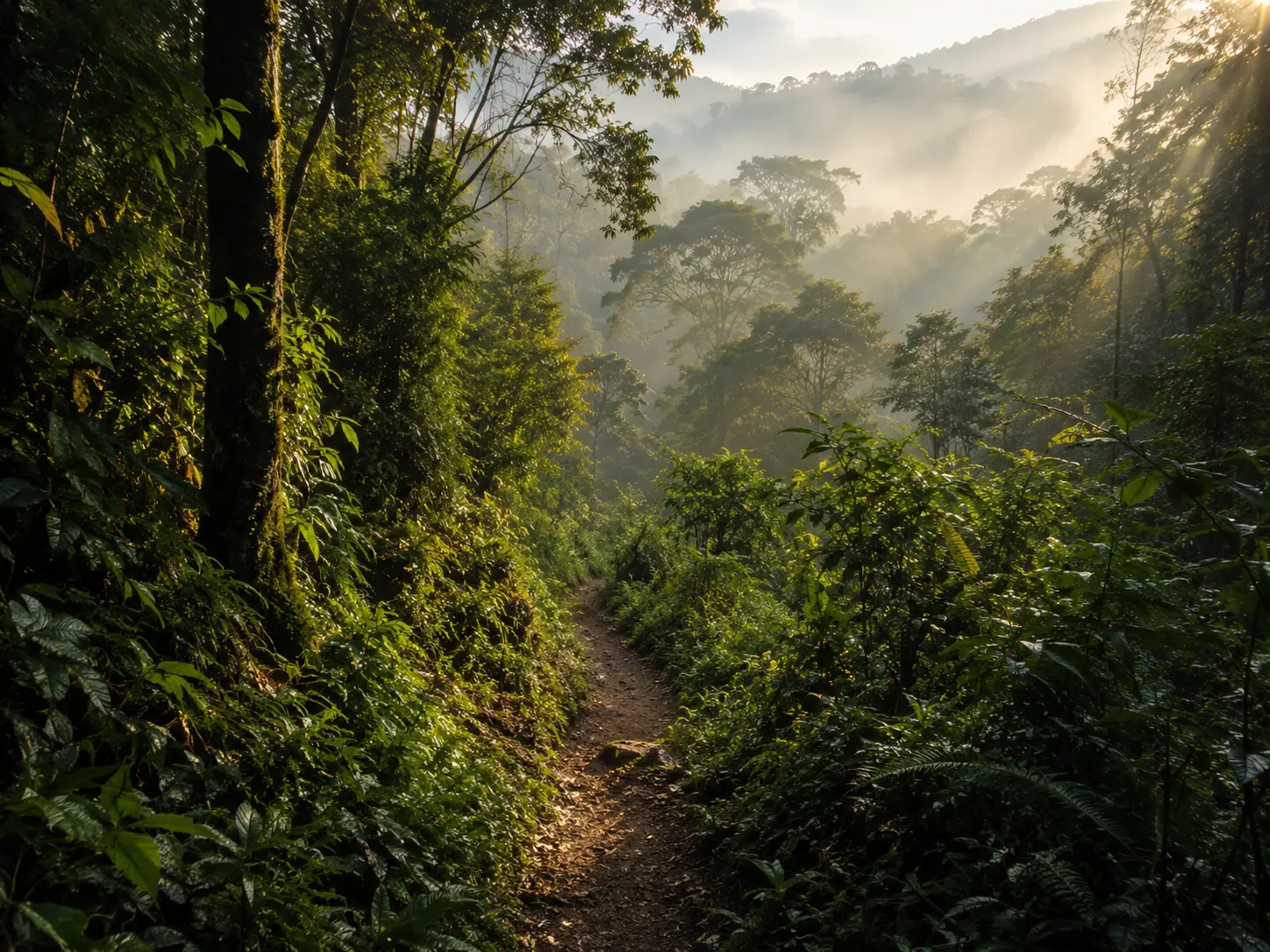
Bwindi trails are firmer during dry seasons
Rainy Season in Bwindi, March to May and September to November
Bwindi’s wetter periods generally fall between March and May and September and November. Heavier rainfall can leave forest trails muddy and slippery, while the final mountain roads into the trekking sectors can become slower. Gorilla trekking still operates throughout these months, so strong waterproof hiking boots and reliable rain protection are important. The wetter season can also offer a useful permit advantage. During April, May and November, UWA offers low-season gorilla permits at USD 600 for foreign non-residents and USD 500 for foreign residents. These discounted permits cannot be rescheduled, so they work best when your travel dates are confirmed. Rain can fall at any time in Bwindi, but during these months you should be prepared for wetter trails and longer road transfers.
What to Pack for Gorilla Trekking in Bwindi
- sturdy waterproof hiking boots
- long trousers
- long-sleeved shirt
- waterproof jacket or poncho
- gardening or trekking gloves
- gaiters or long socks
- small daypack
- drinking water
- packed lunch or energy snacks
- camera and spare battery
- insect repellent
- passport or required identification
Plan Your Bwindi Gorilla Trekking Safari
Once you know when you want to travel, we can help you match your dates with the right gorilla permit, trekking sector, accommodation and transport route. Tell us your preferred travel dates and safari plans, and we can help you put the Bwindi part of your trip together around the correct trekking sector.