
Gombe National Park lies on the eastern shore of Lake Tanganyika in western Tanzania, about 16 kilometres north of Kigoma. The park covers 56 square kilometres, making it one of Tanzania’s smallest national parks. Its steep forested hills, deep valleys, woodland and grass-covered slopes rise directly from the lakeshore. About 13 streams descend from the escarpment towards the sandy beaches, and there is no road into the park. Every visit begins with a boat journey from Kigoma.
Gombe became a national park in 1968 after first receiving protection as a game reserve in 1943. Its global importance grew from 14 July 1960, when 26-year-old Jane Goodall arrived to study wild chimpanzees. Her work with the Kasekela community developed into the world’s longest-running wild chimpanzee study and changed scientific understanding of chimpanzee behaviour, social relationships and tool use.
Chimpanzee trekking is the main activity. You walk through steep valleys and forested slopes with a ranger, listening for calls and checking fruiting trees before approaching a habituated community. Gombe also protects olive baboons, red colobus monkeys, red-tailed monkeys, blue monkeys, vervet monkeys and bushbabies. More than 200 bird species use the forest, streams and lakeshore.
Allow at least 2 nights if chimpanzees are your priority. The extra time gives you another trekking window and space for Kakombe Waterfall, Jane’s Peak, the old feeding-station area or a lake excursion. Gombe rewards a slower visit built around walking, wildlife observation and time beside Lake Tanganyika.
Top Attractions in Gombe National Park
Gombe combines chimpanzees, 8 primate species, forested valleys, waterfalls and Lake Tanganyika within a compact area. Most places are reached on foot, so the journey between attractions becomes part of the experience.
Chimpanzees of Gombe National Park
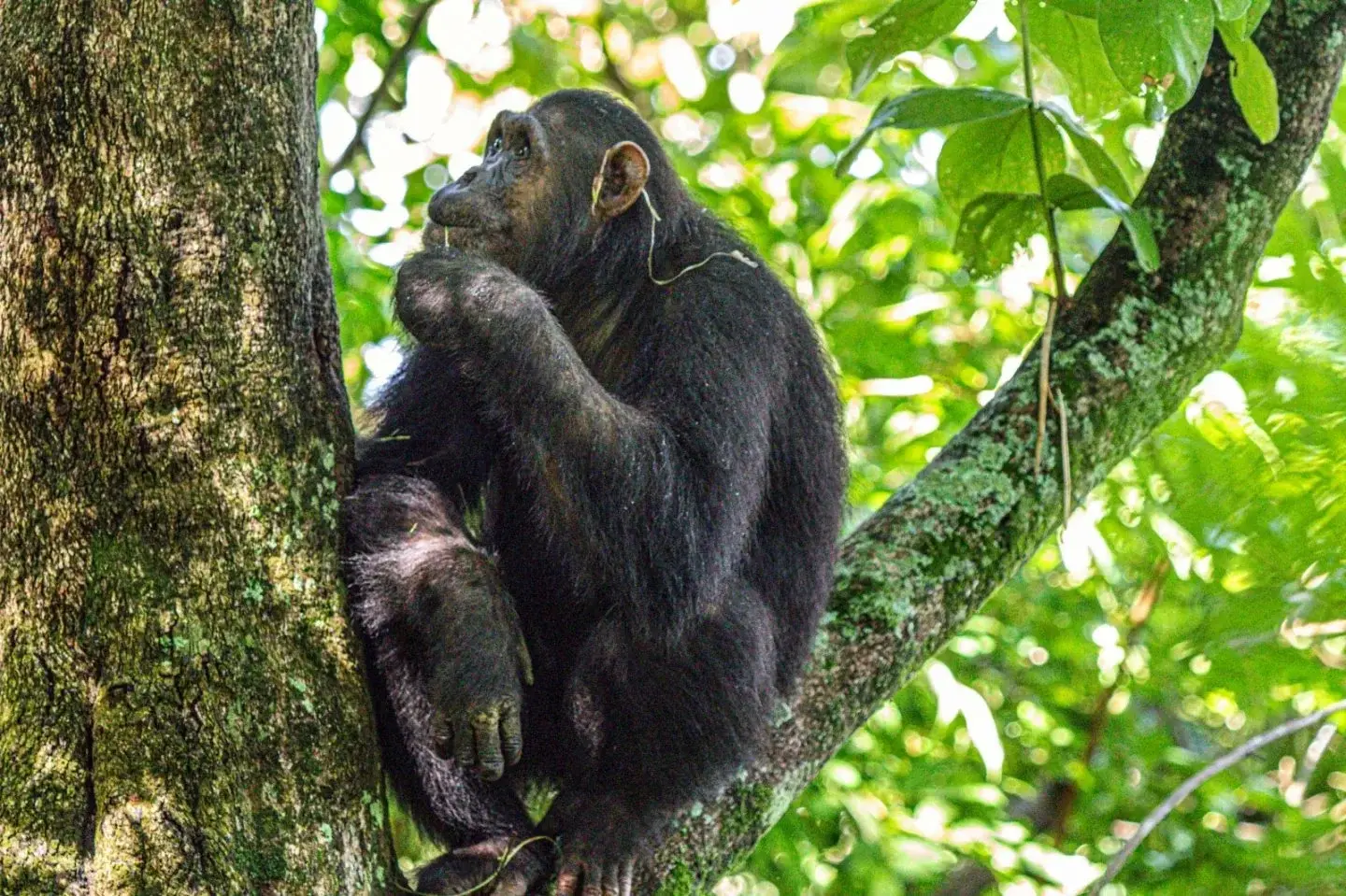
Gombe’s chimpanzees live in social communities and move through the forest according to food, water and group activity. A ranger follows calls, nests, feeding signs and known routes to locate them. Once the group is found, watch how individuals groom, feed, communicate, play and use tools. Hunting can also occur, but it is never guaranteed on a visitor trek. The park contains the Kasekela, Mitumba and Kalande communities. Kasekela is central to the long research history, Mitumba occupies the north, and Kalande uses the southern area. Visitor access depends on the habituated community allocated by the park team, not on a requested individual chimpanzee or fixed location.
Primates and Other Wildlife in Gombe
Keep looking into the canopy after the chimpanzee encounter. Olive baboons use the forest and lakeshore, while red-tailed monkeys, blue monkeys, red colobus monkeys and vervet monkeys move through the trees. Bushbabies become active after dark. Gombe protects 8 primate species and 35 mammal species. Bushbucks, bush pigs, duikers, civets, white-tailed mongooses and checkered elephant shrews also occur in the park. Many remain inside thick vegetation, so quiet walking and patient scanning matter more than covering a long distance.
Birdlife in Gombe National Park
More than 200 bird species live around the forest, streams and Lake Tanganyika. Carry binoculars for African fish eagles, African broadbills, crowned eagles, double-toothed barbets, Livingstone’s turacos, palm-nut vultures, Peter’s twinspots, red-capped robin-chats and kingfishers. Forest birds can stay high in the canopy or move quietly through dense growth. Stop beside clearings and streams, listen before walking on and check the open shoreline for fish eagles and water-associated species.
Kakombe and Mkenke Waterfalls
Kakombe and Mkenke waterfalls sit within steep forested valleys fed by streams descending towards Lake Tanganyika. The trail crosses uneven ground and follows natural watercourses, so wear footwear with strong grip and carry rain protection. Kakombe is the better-known waterfall and fits well after a morning chimpanzee trek when time and trail conditions allow. Mkenke adds another forest walk for travellers staying longer. Discuss the route with the ranger before departure because rain changes the condition of the paths.
Lake Tanganyika
Lake Tanganyika forms Gombe’s western boundary. It stretches about 675 kilometres, reaches a depth of roughly 1,447 metres, and is Africa’s deepest lake and the world’s second-deepest. The lake also supports more than 300 fish species, including many endemic cichlids. The open shoreline provides a complete change from the enclosed forest. Use it for a boat excursion, snorkelling, swimming in approved areas or a quiet break after trekking. Follow local guidance before entering the water and never assume that every beach is open for swimming.
Things to Do in Gombe National Park
A well-paced stay combines one main forest activity with time beside the lake. Begin with chimpanzee trekking, then add a waterfall walk, birding, a boat excursion or a visit to Mwamgongo instead of trying to force every activity into one day.
Chimpanzee Trekking
Set out with a ranger and follow steep trails through forest and woodland in search of a habituated chimpanzee community. Calls can carry through the valleys before the animals come into view, while nests, fruit remains and movement in the canopy help the team follow their direction. Once you reach the chimpanzees, the maximum viewing time is one hour. Remain at least 10 metres away, wear the mask supplied by the guide within 50 metres, keep your voice low and follow every ranger instruction. Chimpanzee visits are restricted to travellers aged 12 years and above, with no more than six visitors and one guide close to the animals at one time.
Primate and Wildlife Viewing
Forest walks also bring chances to see olive baboons, red colobus monkeys, red-tailed monkeys, blue monkeys and vervet monkeys. Check the undergrowth for bushbucks and duikers, and listen for movement before stepping closer to thick vegetation. Bush pigs, civets, white-tailed mongooses and checkered elephant shrews are harder to find. Treat them as additional sightings rather than promises. Your ranger will concentrate on fresh signs and the habitats each species uses.
Bird Watching in Gombe
Gombe’s forest and lakeshore hold more than 200 bird species, including East African grassland birds and western forest species. African fish eagles, black saw-wings, crowned eagles, palm-nut vultures, Peter’s twinspots and several kingfishers are among the birds to watch for. Birding is strongest when you walk slowly and pause at habitat changes. The wetter months from November to April add migratory birds and breeding activity, while clearer dry-season mornings help with visibility and photography.
Hiking and Guided Nature Walks
Gombe has more than 45 kilometres of trails through grassland, woodland, evergreen forest and steep valleys. Guided walks reach Kakombe Waterfall, Mkenke Waterfall, Jane’s Peak and areas associated with the park’s early chimpanzee research. Expect climbs, roots, stream crossings and slippery ground after rain. Tell the ranger your fitness level before choosing a route. A shorter lakeshore or waterfall walk suits a relaxed afternoon, while Jane’s Peak requires more climbing and a longer time on foot.
Swimming and Snorkelling in Lake Tanganyika
Lake Tanganyika offers swimming and snorkelling after a forest walk. Snorkelling reveals colourful cichlid fish close to the shoreline, while swimming provides relief from the heat in approved areas. Check conditions and the designated entry point with park staff before entering the lake. Use properly fitted equipment, keep children under close supervision and avoid swimming alone or after dark.
Boat Trips and Lake Excursions
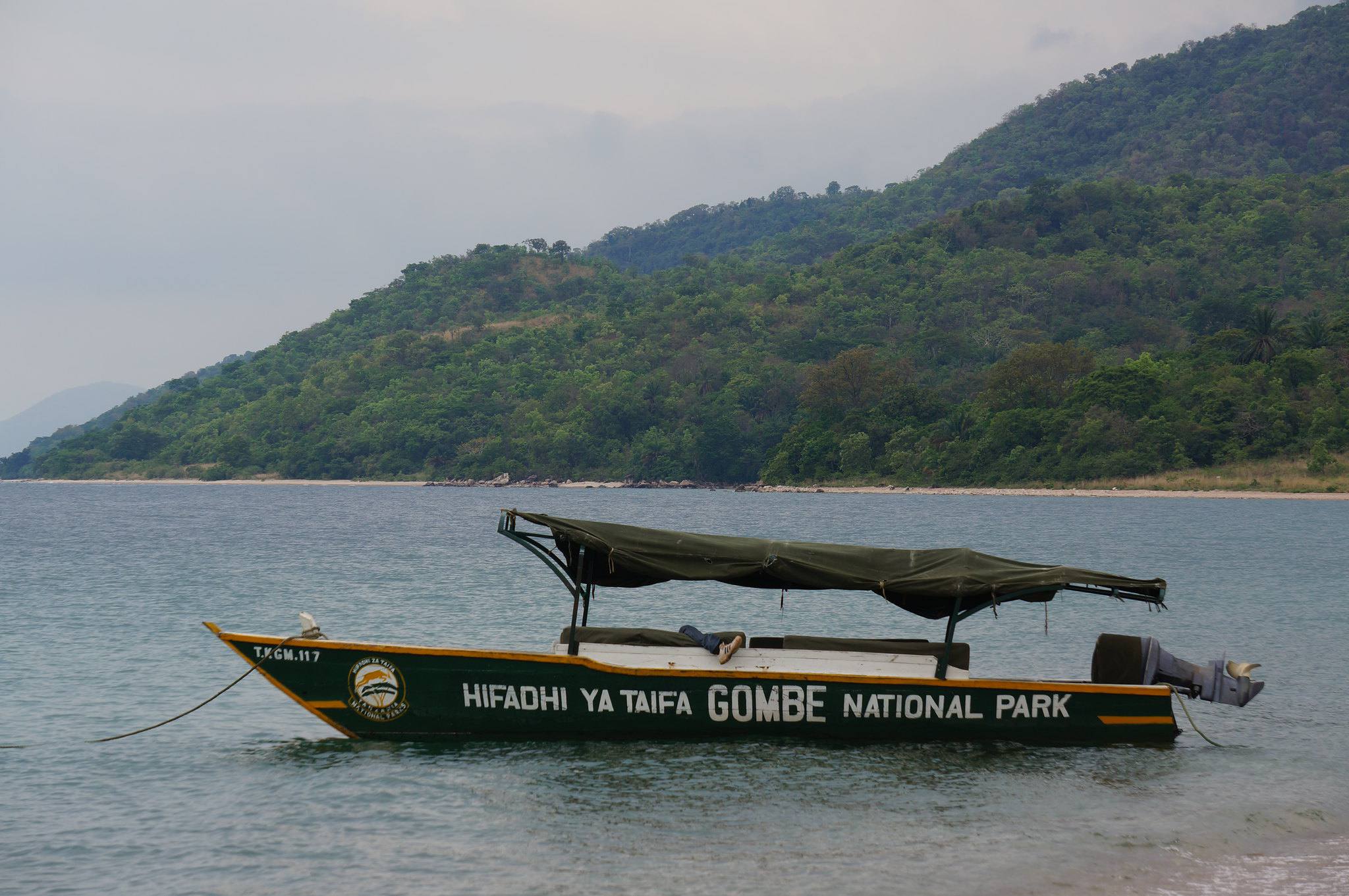
A boat excursion shows Gombe’s steep green slopes from the water and gives you a wider view of the shoreline. Morning trips bring calmer light, while the late afternoon works well for photography and sunset views when lake conditions remain suitable. Arrange the boat through the park, lodge or tour operator. Confirm the vessel, life jackets, departure point, return time and whether fishing or snorkelling requires a separate permit before setting out.
Sport Fishing on Lake Tanganyika
Sport fishing takes place on Lake Tanganyika under a catch-and-release arrangement. A permit and suitable boat are required. Book the activity in advance so the equipment, guide and approved fishing area are ready. Calm water improves comfort and boat control. Carry sun protection and drinking water, and follow instructions on handling and releasing fish.
Visit a Local Fishing Village
Mwamgongo village lies near Gombe and offers an introduction to life beside Lake Tanganyika. A guided visit can include traditional fishing, palm-oil extraction, local crafts and performances by the Mwamgongo women’s group. Arrange the visit before departure and follow the host’s guidance on photography. Buy crafts directly when something interests you and allow enough time for conversation rather than treating the village as a brief stop between park activities.
Best Time to Visit Gombe National Park
Gombe remains open throughout the year. Choose the season according to trail conditions, photography, and how much climbing you are comfortable doing. The chimpanzees remain wild and mobile in every month.
Dry Season for Easier Chimpanzee Trekking and Photography
The main dry season runs from late June to October, with another drier period from January to early March. Trails are firmer, steep sections are easier to manage and clearer light improves forest and lakeshore photography. Food becomes less concentrated as the forest dries, so chimpanzees can travel farther. The walk can therefore be longer even when the ground is easier. June to September offers the strongest balance of firm trails, comfortable trekking and clear conditions.
Wet Season for Chimpanzee Viewing
Short rains fall from November to December, followed by the longer rains from March to May. Forest food becomes more abundant, and chimpanzees can remain closer to productive feeding areas. This can shorten the search on some days, but the animals still decide where they move. Rain makes the steep trails muddy and slippery. Wear boots with strong grip, use a trekking pole, and protect cameras and documents in a dry bag. The forest is green, bird activity is strong, and visitor numbers are lower, but every activity must follow the conditions on the day.
How to Get to Gombe National Park
Travel first to Kigoma in western Tanzania, then continue by boat across Lake Tanganyika. There is no road into Gombe National Park, so the Kigoma arrival and lake transfer must be planned together.
Getting to Kigoma
Flights connect Kigoma Airport with Dar es Salaam and other Tanzanian points according to the operating schedule. The flight from Dar es Salaam takes about two hours. Confirm the operating day and arrival time before fixing the boat because schedules change. Train and bus travel from Dar es Salaam can take up to 2 days. These routes suit travellers with more time, while flying protects limited safari days. From the airport or station, continue to the agreed boat departure point in Kigoma.
Boat Transfer from Kigoma to Gombe National Park
The final journey is by boat from Kigoma. Local lake transport and charter boats take about 2 to 3 hours, depending on the vessel, departure point and lake conditions. Faster private boats can reduce the crossing time, but the operator must confirm the actual duration. Build a safe connection between the flight and boat. Lake conditions, loading and departure arrangements can affect timing, and night crossings require careful planning. Confirm life jackets, luggage limits, the Gombe landing point and the return transfer before leaving Kigoma.
What to Pack for Gombe National Park
Pack for steep forest trails, humid conditions and sudden rain. Keep the load light enough to carry comfortably on foot.
- Sturdy closed-toe hiking boots and trekking pole. Choose deep grip, ankle support and a firm sole for roots, mud and steep slopes.
- Long lightweight trekking clothes. Wear quick-drying long sleeves and trousers in khaki, olive, brown or grey to protect against insects and vegetation.
- Waterproof jacket and dry storage. Keep a light rain jacket close and use a dry bag or waterproof cover for documents and electronics.
- Sun and insect protection. Carry a hat, sunglasses, sunscreen, repellent, hiking socks and light gloves for thick vegetation.
- Binoculars and camera equipment. Add a zoom lens, spare battery and memory card. Avoid flash around chimpanzees.
- Small comfortable daypack. Carry drinking water, snacks, personal medicine and the items needed during the trek.
- Health and travel essentials. Pack a basic first-aid kit, hand sanitiser, wet wipes, identification, permits and emergency contacts.
- Reusable items. Use a refillable bottle and reduce single-use plastics. Carry every item and all waste back from the forest.
Where to Stay Around Gombe National Park
Choose accommodation according to where you want to spend your nights. A camp inside Gombe protects the early trekking start, while a lakeside or island property works better for a longer Lake Tanganyika stay before or after the park.