
Mahale Mountains National Park covers 1,613 square kilometres in Uvinza District, Kigoma Region, on the eastern shore of Lake Tanganyika. The Mahale Mountains rise directly behind pale beaches and clear lake water, creating a setting unlike Tanzania’s road-based safari parks. Gazetted in 1985, the park protects forested valleys, mountain ridges, miombo woodland and a long stretch of lakeshore. There are no game-drive circuits inside the park. You arrive by air or boat, travel along the shore by boat and explore the forest on foot.
Chimpanzees are the main draw. Mahale protects one of Africa’s largest wild chimpanzee populations, while the habituated Mimikire community, known as the M-group, has supported research and visitor trekking since the 1960s. A guided trek brings you into the same forest as the chimpanzees and gives you time to watch their feeding, grooming, resting and social behaviour.
The wider park supports red colobus, blue monkeys, red-tailed monkeys, yellow baboons, vervet monkeys and many other forest species. Lake Tanganyika adds beaches, fish life, kayaking, snorkelling and boat trips to the experience. The Batongwe and Holoholo communities also form an important part of the human history around Mahale.
Attractions in Mahale Mountains National Park
Mahale brings forest, mountains and Lake Tanganyika into one compact safari. You can follow chimpanzees through Kasoge Forest in the morning, walk beneath the mountain slopes and finish the day beside the lake. Since the park has no internal road network, each outing takes place on foot or by boat. This slower pace makes the forest sounds, primate calls, beaches and changing views across the water part of the experience.
Chimpanzees and the M-Group
The Mimikire community, better known as the M-group, is the main habituated chimpanzee community followed by visitors in Mahale Mountains National Park. The story of chimpanzee trekking here goes back to the 1960s, when Japanese primatologist Toshisada Nishida began studying the chimps, creating one of Africa’s longest-running records of wild chimpanzee research. The group changes naturally as young chimps grow, adults move between communities, and new individuals join. Rather than focusing on a fixed number, the real attraction is spending time with the M-group in its forest home, watching how the chimpanzees move through the trees, feed, communicate, and interact with one another. Your ranger follows fresh signs and calls through the forest until the chimpanzees are located. Each viewing group has a maximum of six visitors and spends up to one hour with the chimpanzees. Keep at least 10 metres away, wear a mask within 50 metres and stay out of the forest when ill. Children under 12 cannot join the trek.
Lake Tanganyika
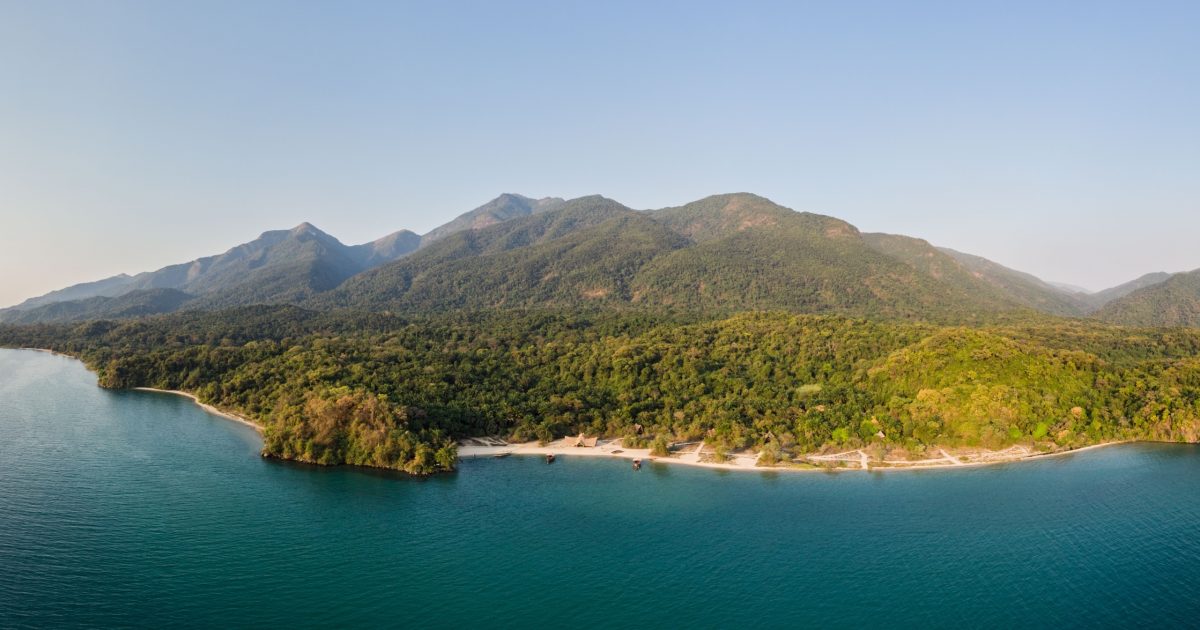
Lake Tanganyika runs along Mahale’s western boundary and shapes daily life in the park. It is the world’s longest freshwater lake and one of its deepest and oldest. Clear water meets pale beaches below the forested mountains, while fish eagles and other waterbirds work the shoreline. Boat trips, kayaking and snorkelling reveal a completely different side of the park. Lake Tanganyika holds exceptional cichlid diversity, much of it found nowhere else, and selected snorkelling sites give clear views of the fish below the surface. Always use the area chosen by your guide because crocodiles and hippos also occur along the lake. Late afternoon brings broad views over the water as the sun drops behind the western horizon.
Lake Tanganyika
Mahale Mountains and Mount Nkungwe
Six prominent peaks rise through the park, including Sisaga, Humo, Sibindi and Nkungwe. Forest, bamboo and montane vegetation cover the slopes, while the higher ground opens views across Lake Tanganyika and the ridges below. Mount Nkungwe reaches 2,462 metres and is the highest point in the Mahale Mountains. The summit route is a demanding hike for fit travellers. Allow about 7 to 9 hours to reach the peak. An overnight or multi-day programme gives you more time for the ascent, descent and camping. Your guide sets the route and schedule around the selected trail and weather. Carry proper footwear, rain protection, drinking water and warm layers for camp.
Other Wildlife and Primates
Mahale’s primates extend well beyond the chimpanzees. Red colobus, blue monkeys, red-tailed monkeys, vervet monkeys and yellow baboons occupy different levels of the forest and woodland. Lesser and greater galagos become active after dark. Bush pigs, bushbucks, red duikers, porcupines, mongooses and squirrels also occur along the walking routes. Lions, leopards, elephants, buffaloes, African wild dogs and roan antelopes live in the wider park, although dense vegetation makes sightings less predictable than on an open savannah drive. Mahale works best when you read the forest slowly with your guide. Tracks, calls, movement in the canopy and signs beside the trail often reveal wildlife before the animal comes into view.
Forests, Birds and Butterflies
Mahale protects rainforest, riverine forest, miombo woodland, bamboo, montane forest, grassland and high mountain vegetation. Kasoge Forest is the best-known area for chimpanzee trekking, but every walk shows how quickly the habitat changes between the lakeshore and the slopes. More than 350 bird species occur in the park. African fish eagles patrol the lake, while kingfishers, palm-nut vultures, guinea fowl, francolins and forest birds add variety along the trails. Butterflies gather around streams, clearings and damp ground. Walk quietly and allow time for the smaller details: primate calls overhead, bird movement in the understorey, insects beside the path and changes in vegetation as the trail climbs.
Things to Do in Mahale Mountains National Park
Mahale is explored on foot and from Lake Tanganyika. Chimpanzee trekking anchors most visits, but forest walks, mountain hiking and lake activities fill the rest of the day. A common rhythm is a morning trek followed by an afternoon on the beach, in a kayak or aboard a boat.
Chimpanzee Trekking
Chimpanzee trekking begins with a ranger briefing before you enter the forest. The walking distance changes with the chimpanzees’ position, so one day can involve a short approach while another requires a longer climb through the hills. Wear sturdy shoes, long trousers and a long-sleeved shirt, and carry water and rain protection. No more than six visitors can approach the chimpanzees at one time. Keep at least 10 metres away and wear the mask supplied by your guide when you are within 50 metres. The viewing period is one hour. Do not eat or drink near the chimpanzees, and tell your camp manager before the trek if you feel unwell. These rules protect a community that is highly vulnerable to human respiratory infections.
Forest Walks and Nature Treks
Forest walks give you time to explore Mahale beyond the chimpanzee trail. Short and long routes pass through riverine forest, woodland and the lower mountain slopes, with chances to see monkeys, bushbucks, butterflies, birds and waterfalls. A ranger sets the route around trail conditions, wildlife movement and the time available. These walks also reveal how the park changes with elevation. The shaded lakeshore forest gives way to steeper ground and different vegetation as you climb. Without vehicle noise, you can follow calls through the canopy, stop at streams and examine tracks beside the path. Carry enough water and use footwear with reliable grip, even on a shorter walk.
Hiking Mount Nkungwe
Mount Nkungwe rises to 2,462 metres and offers Mahale’s toughest established hike. The direct climb takes about seven to nine hours to the peak, while longer programmes include camping and a more measured ascent and descent. A ranger guide leads the route and determines the final plan around trail and weather conditions. The drier months from June to October give firmer footing on the mountain. Rain can make the slopes slippery at any time, so pack a waterproof layer and warm clothing for higher ground. At night, lamps on Lake Tanganyika’s fishing boats form a scattered glow across the water, locally known as the fishing fire.
Birdwatching
Mahale’s more than 350 recorded bird species include forest, mountain and lakeshore birds. Crested guineafowl, giant kingfisher, palm-nut vulture and scaly francolin are among the species to watch for. Birding fits naturally into chimpanzee treks, nature walks and boat trips, so keep binoculars accessible rather than packed deep in your day bag. November to April brings migrant species and strong breeding activity among resident birds. The dry season still offers rewarding birding around the lake, forest margins and streams. Early morning is productive for calls and movement before the day warms.
Snorkelling in Lake Tanganyika
Lake Tanganyika’s clear water offers close views of its colourful cichlids and other freshwater fish. Snorkelling takes place only at sites selected for safe access and suitable water conditions. Your guide checks the area before anyone enters because hippos and crocodiles occur along parts of the shore. Use well-fitting equipment, remain within the designated area and follow the guide’s timing. Calm mornings generally give the clearest, most comfortable conditions. The activity pairs well with a forest trek because it requires little walking and shows the park from below the lake surface.
Kayaking on Lake Tanganyika
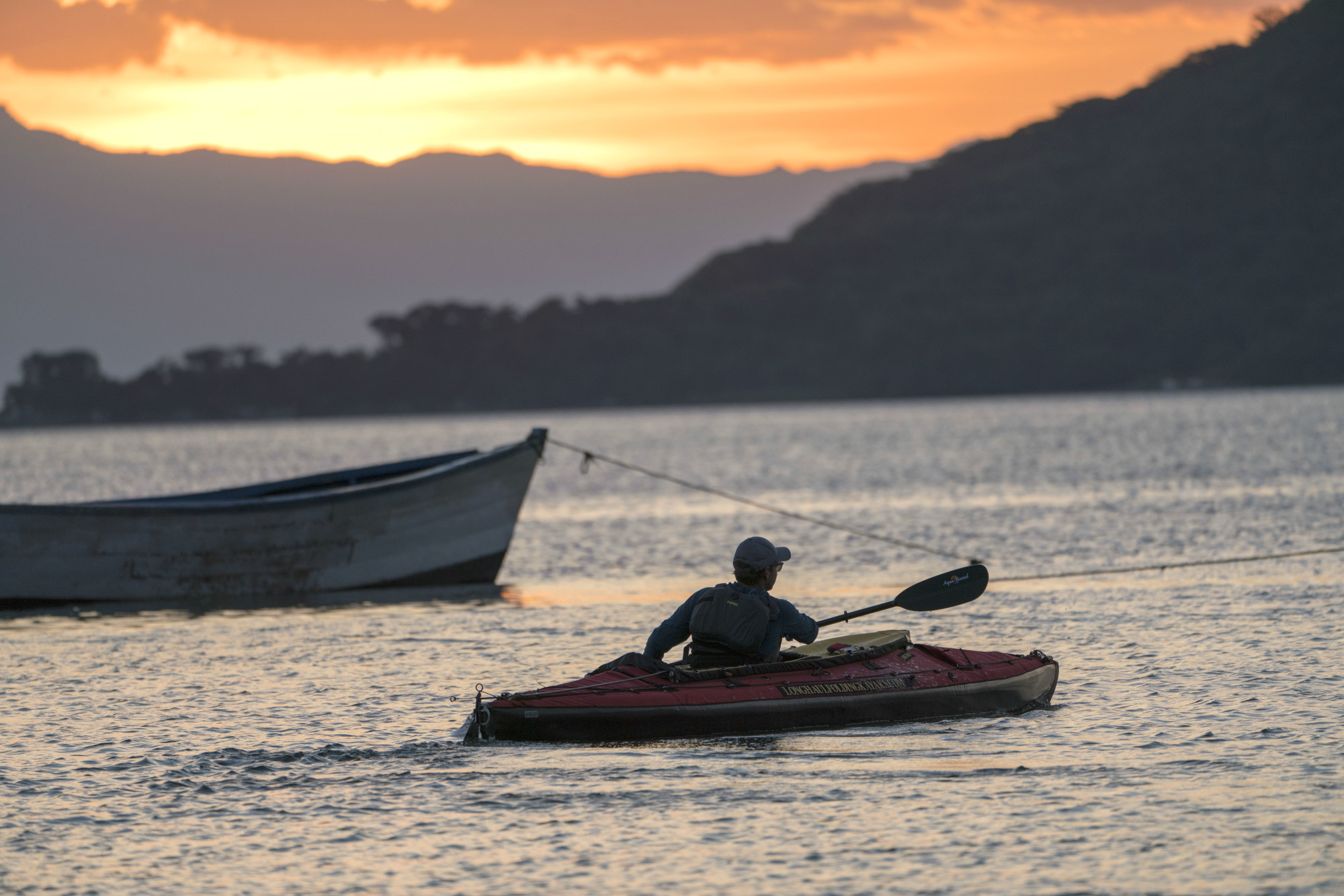
Kayaking gives you a quiet view of Mahale’s beaches and mountain wall from the water. Paddle close to the approved shoreline with a guide and keep to the route chosen for the day’s lake conditions. The most comfortable outings take place when the water is calm. From the kayak, the relationship between forest and lake becomes clear: steep green slopes rise almost directly from the beach, and birds work the shallows. A short paddle fits easily between longer trekking days or before sunset.
Sport Fishing
Sport fishing takes place on Lake Tanganyika under park regulations and follows a catch-and-release method. Arrange the permit, licensed guide, boat and fishing equipment before departure. The activity runs between 7:00 am and 5:00 pm, with the boat operator choosing the safest water and weather conditions. Fishing from a properly equipped boat gives access to deeper water while keeping the activity controlled. Follow the guide’s handling instructions so each fish can be released promptly and safely.
Dhow and Boat Trips
A boat trip shows the full scale of Mahale from the lake. The route follows the forested shoreline, passing beaches, river mouths and steep mountain slopes. Waterbirds, hippos, crocodiles and otters can appear along the way. Late afternoon suits a relaxed cruise because the light softens across the mountains and the sun sets over the lake. Boat transfers also connect accommodation, the airstrip and different parts of the shoreline, making water travel part of the Mahale experience from arrival to departure.
Camping Safaris
Camping supports longer mountain routes and nights away from the lakeshore lodges. Public and private campsites are available, while wilderness and fly-camping arrangements can be built into guided programmes. The Mount Nkungwe route is the main reason many visitors camp inside the park. Book the ranger, campsite, meals, drinking water and equipment together. Mahale’s remote trails leave little room for missing gear, and rain can arrive even during the drier months. A planned camp lets you continue deeper into the mountains without returning to the lakeshore after each walk.
Cultural Visits
Villages around Mahale are home to Batongwe and Holoholo communities. A locally arranged visit introduces the history, livelihoods and relationship between these communities, Lake Tanganyika and the surrounding mountains. Follow the host’s guidance, ask before taking photographs and allow enough time for a genuine exchange rather than a rushed stop. Kigoma adds another cultural and historical dimension before or after Mahale. The town has long served as a transport and trading centre on Lake Tanganyika and remains the main gateway for boat journeys to the park.
Best Time to Visit Mahale Mountains National Park
Mahale remains open throughout the year, but June to October gives the easiest combination of chimpanzee trekking, mountain walking and lake activities. November to April brings greener forest, more rain, migrant birds and increased butterfly activity. The best period depends on whether your priority is firmer trails or wet-season forest life.
Dry Season from May to October
May to October is Mahale’s main dry season, with June to October providing the most dependable walking conditions. Trails are firmer, Mount Nkungwe is easier to tackle and chimpanzees spend more time on lower slopes as seasonal food becomes available there. Their position still changes daily, so every trek has a different walking distance. Calmer, clearer lake conditions support snorkelling, kayaking and boat trips. Days are warm at the shore, while early mornings and higher mountain camps feel cooler. This is the main travel season, so reserve flights, chimpanzee trekking and accommodation well in advance.
Wet Season from November to April
November to April brings higher humidity, greener vegetation and regular rain. Short rains fall in October and November, while heavier rain arrives from March to May. Annual rainfall ranges from about 1,500 to 2,500 millimetres. Trails become slippery, and lake storms can interrupt water activities, so allow flexibility in the daily programme. Birdwatching is excellent during these months as migrant species arrive and resident birds breed. Butterflies also become more noticeable around streams and clearings. Pack a waterproof jacket, dry bags for electronics and footwear with strong grip.
How to Get to Mahale Mountains National Park
Mahale lies in remote western Tanzania and has no internal road network. Most visitors fly to the park or travel by boat from Kigoma. A road journey can reach the lakeside communities south of Kigoma, but the final approach still involves a boat transfer. Build the transfer into the itinerary before confirming the lodge because flight days, boat type and lake conditions affect the arrival time.
Getting to Mahale by Air
Scheduled safari flights connect Mahale with Arusha, Dar es Salaam and selected safari airstrips during the main travel season. Routing and stops determine the total journey, which commonly takes about 3 to 5 hours from Arusha or Dar es Salaam. Charter flights operate outside scheduled services. Mahale Airstrip lies about 5 kilometres from park headquarters. Camps coordinate the aircraft arrival with a short boat transfer along the shore, so confirm the full air-and-boat connection as one arrangement. Baggage limits apply on light aircraft and soft-sided bags are the safest choice.
Getting to Mahale by Boat from Kigoma
Kigoma is the main departure point for the lake journey to Mahale. A speedboat takes about 4 hours, while an ordinary wooden boat takes about 9 hours. Actual time changes with the vessel, loading point and lake conditions, and the boat operator must confirm whether the service reaches park headquarters or connects through another landing point. Another route follows the road south from Kigoma to Mgambo, then continues by local boat for about 40 minutes. At Rukoma or Mgambo, arrange the boat in advance through the park, lodge or a reliable local operator. The lake approach gives uninterrupted views of the Mahale Mountains rising from the shore.
Getting to Mahale by Road
Road travel from Arusha to Kigoma takes about 2 to 3 days and suits an itinerary that already includes western Tanzania. Use a capable 4×4, particularly during the rains. From Kigoma, continue by boat or fly to Mahale. The southern road route reaches Mgambo or Rukoma rather than the park’s visitor areas directly. From there, a pre-arranged boat completes the journey. Once inside Mahale, you travel along the shore by boat and explore the forest on foot. There are no self-drive game circuits within the park.
Where to Stay in Mahale Mountains National Park
Mahale has a small accommodation range, so the choice depends on comfort level, lakeshore setting and access to chimpanzee trekking. Reserve early for the June to October season and confirm the property’s operating dates, flight-day transfers and included activities before fixing the itinerary.