What to Pack for a Gorilla and Wildlife Safari
What to Pack for a Gorilla and Wildlife Safari
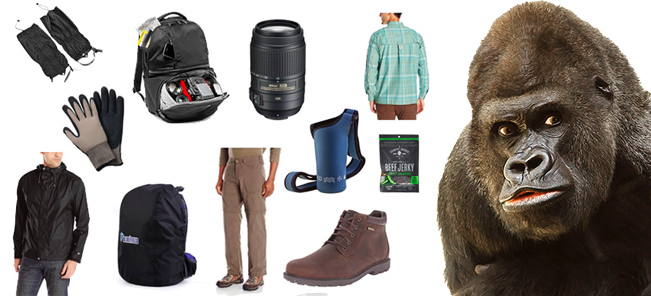
Pack broken-in walking boots, long trousers, long-sleeved shirts, a rain jacket and a small daypack for a combined gorilla and wildlife safari. Add lightweight clothing for game drives, a warm layer for early mornings, a sun hat and binoculars. Your gorilla and wildlife safari packing list needs to cover muddy forest trails, rain, sun and dusty road journeys. Pack clothes you can rewear and protect your camera and documents from moisture. Before departure, confirm lodge laundry services, equipment provided and any domestic flight baggage limits with BLS Safaris.
Gorilla and Wildlife Safari Packing Checklist
Start with the items below, then adjust your bag to the activities on your itinerary. Keep trekking equipment accessible and check what your lodges provide before packing duplicates.
| Item | Why you need it | Priority |
|---|---|---|
| Broken-in walking boots | Grip and protection on muddy, uneven forest trails | Essential for trekking |
| Long trousers and long-sleeved shirts | Cover your skin against vegetation, scratches and insects | Essential for trekking |
| Lightweight rain jacket | Rain protection without carrying a heavy coat | Essential |
| Trekking socks and a spare pair | Comfortable footwear and a dry change after the trek | Essential |
| Small daypack with waterproof protection | Carries your trek-day supplies and keeps valuables dry | Essential |
| Lightweight tops and trousers | Comfortable clothing for game drives and transfers | Essential |
| Fleece or light sweater | An extra layer for early starts and cooler evenings | Essential |
| Sun hat, sunglasses and sunscreen | Sun protection during drives, boat trips and outdoor stops | Essential |
| Refillable water bottle | Keeps drinking water accessible during activities | Essential |
| Insect repellent and personal toiletries | Daily personal care and insect protection | Essential |
| Regular medication and travel documents | Personal requirements that need checking before departure | Essential |
| Gardening gloves | Hand protection when gripping vegetation on the trail | Recommended |
| Gaiters | Additional coverage around boots and lower legs | Optional |
| Binoculars | Clearer views of distant wildlife and birds | Recommended |
| Camera or phone with spare power | Photographs and communication, with rain and dust protection | Personal choice |
| Comfortable shoes or sandals | A change of footwear at the lodge | Recommended |
| Main travel bag | Holds your remaining clothes and equipment, subject to booked flight requirements | Essential |
What to Wear for Gorilla Trekking
Wear clothing that lets you climb, bend and walk through wet vegetation without restricting movement. Cover your legs and arms, and dress in layers you can remove as you warm up.
Walking Boots and Trekking Socks
Wear broken-in walking boots with good grip. Test them on longer walks before departure, including downhill sections where your toes can press against the front. Pair them with comfortable trekking socks and keep a spare pair for changing after the walk.
Long Clothing and Rain Protection
Wear lightweight, quick-drying trousers and a long-sleeved shirt. Avoid heavy jeans that become uncomfortable when wet. Carry a lightweight rain jacket where you can reach it quickly, rather than at the bottom of your bag. A light fleece provides another layer for the morning briefing.
Gloves and Gaiters
Gardening gloves help protect your hands when gripping vegetation for balance. Gaiters provide extra coverage around your boots and lower legs. Without gaiters, tuck your trouser hems into long socks to reduce exposed gaps around your ankles.
What to Wear on Game Drives and Boat Safaris
Wear lightweight trousers and a comfortable shirt for game drives. Add a fleece or light jacket for early departures, then remove it as the day warms up. Clothes should feel comfortable during several hours of sitting. Keep sunglasses and a sun hat within reach, and wear comfortable shoes rather than muddy trekking boots. For boat safaris, bring a hat that stays secure in the wind, sunscreen and a light layer. Keep your rain jacket accessible and protect your phone or camera from splashes. Wear shoes with grip for boarding and follow the crew’s instructions about life jackets. You can reuse your game-drive clothing for the cruise, reducing the number of outfits you pack.
What to Carry in Your Gorilla Trekking Daypack
Pack only what you need for the forest walk. Use a comfortable daypack with a waterproof liner or dry bags inside. A rain cover adds protection, but keep documents and electronics separately sealed. Carry the following.
- Drinking water, with the amount and supply arrangements confirmed before departure.
- Packed lunch and a small snack, arranged with your lodge or guide.
- Rain jacket, near the top of the bag.
- Camera or phone, protected from rain, with spare power if needed.
- Required identification, as confirmed for the park briefing.
- Personal medication, tissues and hand sanitiser.
- A small bag for rubbish, so you carry everything back out.
Keep water easy to reach and avoid filling the bag with spare outfits or heavy camera accessories. If you hire a porter, they can carry your daypack while you keep small essentials accessible. Leave your main luggage in the storage arrangement confirmed by BLS Safaris.
Cameras, Binoculars and Charging Equipment
Bring a camera or phone you already know how to use. Practise photographing in shade before travelling, since forest light can be limited. Keep your equipment ready without approaching wildlife for a better angle. For game drives, a zoom lens helps photograph animals farther from the vehicle, but carry only equipment you can comfortably manage. Binoculars help you watch distant animals and birds without relying on camera magnification. Keep them accessible during drives and boat trips. Pack a lens cloth and protect equipment from rain and road dust.Bring spare camera batteries, enough memory cards, charging cables and a compatible plug adapter. Ask BLS Safaris to confirm socket types and charging arrangements at your booked lodges. Carry a power bank for longer days away from charging points, and check your airline’s battery rules before flying.
Travel Documents and Personal Essentials
Carry your passport, required entry approvals, travel insurance details and safari booking information. Confirm which identification you need for the gorilla trekking briefing. Save copies and BLS Safaris’ contact details offline, and keep paper documents in a waterproof pouch. Pack your regular medication in your hand luggage, with prescription information where relevant. Bring enough for the trip and check any restrictions that apply to carrying it across your travel route. Keep toiletries compact. Include insect repellent, sunscreen, hand sanitiser and personal hygiene supplies. Ask what your lodges provide before packing towels or full-sized bottles. Carry any products you depend on rather than assuming you can replace them near the parks.
Luggage for Road Safaris and Domestic Flights
For a road safari, a compact main bag and a small daypack are the best choices. A soft-sided bag fits more easily into the safari vehicle alongside other guests’ luggage. Keep your travel documents, medication, camera, and other essentials in your daypack so they are within easy reach during the journey. If your safari includes a domestic flight, check the airline’s baggage allowance before you pack. Pay attention to the permitted weight, bag size, and rules for hand luggage and camera equipment. Remember that the baggage allowance for your international flight may be different from the one for your domestic flight. If you plan to bring extra luggage, speak to BLS Safaris in advance about storage options or arrangements to have your bags transported separately. This helps you avoid last-minute problems at the airstrip, where additional luggage may not be accepted on the same flight.
Packing for Your Safari Length and Season
For a 7-to-10-day safari with a confirmed laundry stop, start with 3 or 4 tops, 2 pairs of lightweight trousers, 1 fleece and a rain jacket. Include long-sleeved clothing for trekking, enough underwear between washes and 2 or 3 pairs of trekking socks. Adjust these quantities if laundry is unavailable or your itinerary includes several forest walks. Arrange washing during a stay of at least two nights rather than just before departure. Confirm turnaround times, charges and whether the lodge accepts underwear. Keep one clean outfit aside while the rest is being washed.Pack rain protection in every season. For wetter conditions, prioritise quick-drying clothing, spare socks and waterproof bag liners. Air damp boots and clothing whenever you stop, and separate wet items from clean clothes during transfers.
What to Confirm with BLS Safaris Before Packing
Before closing your bag, ask BLS Safaris to confirm the following for your itinerary.
- Trekking supplies. Packed lunch, drinking water, walking stick availability and porter arrangements.
- Lodge services. Laundry turnaround, toiletries and charging facilities.
- Flight baggage. Weight limits, bag dimensions and arrangements for luggage that cannot travel with you.
- Additional activities. Any equipment needed for cycling, longer hikes or other booked excursions.
- Documents. Identification required for trekking and booking records to keep accessible.
Share any equipment or mobility needs early so arrangements can be checked before you travel.
What to Leave at Home
You do not need a specialist safari outfit for every day. Before closing your bag, remove items that duplicate what you already have or serve no booked activity.
- Heavy jeans for trekking. They become cumbersome when wet and take longer to dry.
- Extra shoes. Walking boots and one comfortable pair for the lodge cover most needs.
- Bulky toiletries and towels. Pack smaller quantities and confirm what your accommodation supplies.
- Camera equipment you cannot comfortably carry. Bring lenses and accessories you know you will use.
- Valuable jewellery and unnecessary electronics. Reduce what you need to secure, charge and protect.
- Too many outfits. Reuse clothing and plan around confirmed laundry stops.
Keep essential medication, rain protection and required documents, even when reducing luggage.

Recent Posts
Kenya Safari Tours: 7 Essential Things to Compare Before Booking
Kenya Safari Packages: How to Choose the Right Trip for You