Gorilla Habituation Experience in Bwindi
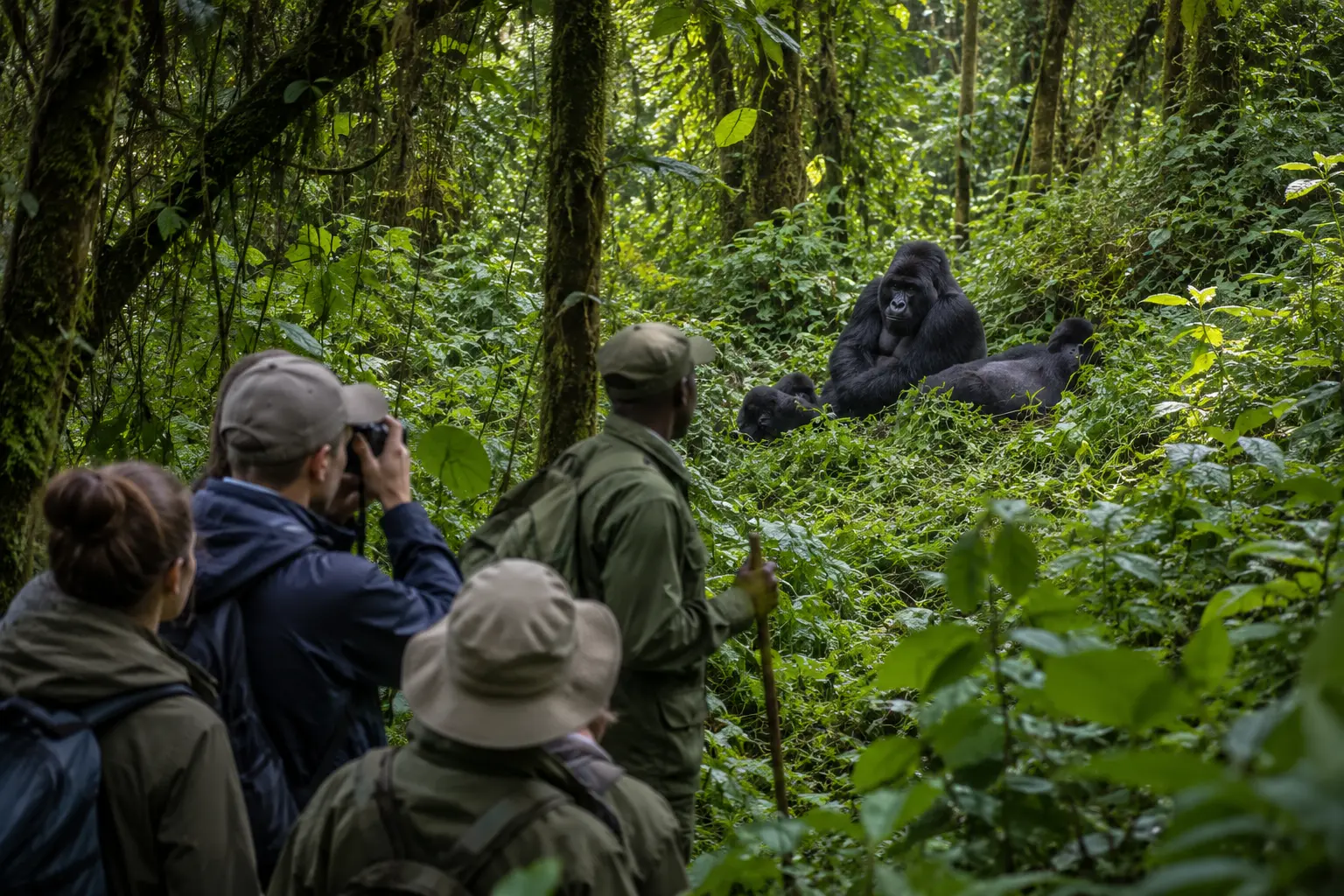
Gorilla Habituation Experience in Bwindi
The gorilla habituation experience in Bwindi takes place in the Rushaga area of southern Bwindi Impenetrable National Park. You accompany the park’s habituation team as they follow mountain gorillas becoming accustomed to controlled human presence. The experience allows up to four hours of observation, compared with one hour on a standard gorilla trek. You could watch adults stripping leaves from stems, youngsters wrestling or family members resting together. When the gorillas move, you follow the team through the forest, with pauses and vegetation affecting your views. Allow the whole day for walking and observation, and confirm your permit before booking a lodge near the reporting point.
Bwindi Gorilla Habituation at a Glance
| Planning detail | What to expect |
|---|---|
| Location | Rushaga area, southern Bwindi Impenetrable National Park, Uganda. |
| The experience | Follow the park’s habituation team as they observe gorillas becoming accustomed to controlled human presence. |
| Observation time | Up to four hours, with walking and waiting as the gorillas move. Clear views are not continuous. |
| Total time needed | Keep the whole day available for the briefing, forest walk, observation and return journey. |
| Walking conditions | Steep slopes, uneven ground, muddy sections and thick vegetation. The route depends on the gorillas’ location. |
| Permit | A separate gorilla habituation permit is required. A standard trekking permit does not cover this experience. |
| Accommodation | Confirm the reporting point before booking a lodge and arranging the morning transfer. |
| Arrival options | Road travel from Uganda or Kigali, or a domestic flight to Kisoro followed by a lodge transfer. Arrive before trekking day. |
| What to carry | Hiking boots, rain protection, drinking water, packed lunch and a small daypack with protection for your camera. |
Gorilla Habituation vs Standard Trekking
Standard gorilla trekking gives you up to one hour with a family accustomed to regulated visits. Habituation allows up to four hours of observation with a family still becoming accustomed to human presence. Neither allowance includes the complete walk into and out of the forest.
| Detail | Standard gorilla trekking | Gorilla habituation experience |
|---|---|---|
| Time with the gorillas | Up to one hour. | Up to four hours. |
| Gorilla familiarity with visitors | Family accustomed to regulated visits. | Family undergoing habituation. |
| How the encounter unfolds | Observe the family while following ranger instructions. | Follow the habituation team, with periods of walking, waiting and observation. |
| Physical commitment | Variable forest walk and a shorter observation period. | Plan for a longer forest day. |
| Best suited to | Travellers satisfied with a shorter encounter. | Travellers interested in spending more time observing gorilla behaviour. |
Observation allowances do not include the complete walk into and out of the forest. Neither experience guarantees clear views or particular gorilla behaviour.
What Happens During the Habituation Experience?
Briefing and Walking Into the Forest
After an early breakfast, travel to the reporting point confirmed with your booking. Carry your identification, packed lunch, drinking water and rain protection. The team explains the rules before you enter the forest. The walk can involve steep slopes, tangled vegetation and slippery roots. Follow your guide’s pace and instructions, and arrange a porter before setting off if you need help carrying your daypack.
Following the Habituation Team
The team leads you towards the gorillas and controls how the group approaches. You observe their work and listen as they explain the family’s behaviour. Visitors do not feed, touch or independently approach the gorillas. When the family moves, you move with the team. At other times, you wait while the guides assess where to stand without crowding the animals or blocking their path.
Observing the Gorillas
You could watch an adult stripping leaves from a stem, a youngster climbing over another gorilla or a mother resting with her infant. Your guide helps you interpret these moments and recognise individuals when conditions allow. The experience permits up to four hours of observation, but vegetation and movement affect your views. Keep your camera ready, with the flash switched off, and spend some time watching without photographing. After the observation period, walk back with the team and return to your lodge.
Where Does Gorilla Habituation Take Place?
The gorilla habituation experience takes place in the Rushaga area of southern Bwindi Impenetrable National Park. Do not assume that a standard trekking booking in Buhoma, Ruhija or Nkuringo includes access to habituation. You need a separate permit for the activity. Confirm your reporting point and arrival time before selecting accommodation. A lodge advertised as being “near Bwindi” can be on another side of the forest, leaving you with a long transfer before the morning briefing. Stay within reach of your confirmed departure point and arrive the day before. BLS Safaris can match the lodge and morning transfer to your habituation booking.
Gorilla Habituation Permit Prices
A separate permit is required for the Bwindi gorilla habituation experience. These rates apply per person, per experience, from 1 January 2027.
| Visitor category | Habituation permit |
|---|---|
| Foreign non-resident | USD 1,800 |
| Foreign resident | USD 1,600 |
| Rest of Africa | USD 1,000 |
| East African citizen | UGX 750,000 |
Low-season permits
No separate habituation discount. The April, May and November discounts for standard gorilla trekking do not apply to these habituation rates.
The permit is one part of your safari budget. Accommodation, road or air transfers, porter services and additional activities should be itemised in your quotation. Send your preferred date and traveller details to BLS Safaris so we can check availability and the applicable visitor category.
Book Your Gorilla Habituation Permit With BLS Safaris
Send BLS Safaris your preferred habituation date, number of travellers and arrival point, whether Kigali, Entebbe or another stop on your safari. Include alternative dates if your schedule is flexible. We check permit availability and confirm the applicable visitor category, price and payment instructions. An availability check does not secure a permit. Follow the booking instructions and obtain written confirmation before committing to arrangements that depend on that date. Once your permit is confirmed, we organise accommodation and transfers around the reporting point. Tell us about walking difficulties or support needs early so we can discuss porter assistance and allow enough time in your itinerary.
How Difficult Is Gorilla Habituation?
Gorilla habituation requires stamina for a long day on uneven forest ground. In Rushaga, you can encounter steep climbs, slippery descents, exposed roots, and thick vegetation. The gorillas’ location determines how far you walk. Reaching the family does not necessarily end the walking. During observation, you can spend time standing on slopes, crouching for a view and following the team when the gorillas move. Consider your comfort with both sustained walking and extended periods on your feet. Build up your walking before travelling, including hills and uneven paths. Wear boots you have already broken in, and arrange a porter to carry your daypack and assist on difficult sections. A walking stick can help with balance. Tell BLS Safaris about mobility limitations before booking. Porter assistance can reduce the load, but it does not remove the demands of the terrain or guarantee a shorter day.
Getting to Rushaga
Arrive near Rushaga the day before your habituation experience. Confirm your lodge and reporting point before arranging transport.
From Kigali
Allow approximately 4 to 5 hours by road from Kigali to the Rushaga area. Your driver will select the border crossing to suit the route and lodge. Border queues, stops and road conditions can extend the journey. Check the entry documents required for both Rwanda and Uganda before travelling.
From Kampala or Entebbe
Allow approximately 9 to 10 hours by road, travelling through southwestern Uganda towards Kabale and Rushaga. Depart early and keep this as a transfer day, with time for meal stops and the final mountain-road approach to your lodge.
Flying to Kisoro
A domestic flight from Entebbe to Kisoro saves much of the road journey. Flights take around an hour or longer depending on the service and stops, followed by a vehicle transfer to your Rushaga lodge. Confirm the flight schedule, baggage allowance and onward driving time before booking.
Where to Stay for Gorilla Habituation
Stay in the Rushaga area and confirm the morning transfer before booking. Ask your lodge to arrange an early breakfast, packed lunch and somewhere to dry wet boots and clothing after the forest day.
| Accommodation | Location | Suitability |
|---|---|---|
| Gorilla Leisure Lodge Luxury |
Rushaga area | An option for travellers wanting a luxury stay around the habituation experience. Confirm the driving time to your reporting point. |
| Emirambi Gorilla Safari Lodge Mid-range |
Near the Rushaga entrance | A mid-range base for a Rushaga stay. Arrange the departure time around your confirmed briefing. |
| Nshongi Camp Simpler camp option |
Rushaga | An alternative for travellers preferring camp accommodation. Check the room type, bathroom facilities and meal arrangements before booking. |
Confirm the transfer to your actual habituation reporting point, rather than relying on the lodge’s distance from the general Rushaga entrance. Allow 2 nights, one before habituation and one afterwards, so you can rest without adding a long transfer after the trek.
Best Time for Gorilla Habituation
June to August and December to February are generally good periods for gorilla habituation if you prefer drier walking conditions. Firmer ground can help on steep sections, but rainfall remains possible in Bwindi’s forest. During wetter periods, prepare for muddy slopes, slippery roots and wet vegetation. Since habituation involves extended observation as well as walking, pack rain protection you can comfortably wear for several hours. Protect your camera and keep a dry layer inside your daypack. Plan around permit availability rather than expecting a particular month to guarantee a shorter walk or clearer views. The gorillas’ movements determine the route, and vegetation can affect photography in any season.
What to Bring and Rules to Follow
What to Carry
Wear hiking boots with good grip, long trousers and a long-sleeved shirt. Carry a rain jacket, gardening gloves and a warm layer protected inside a waterproof bag. Pack drinking water, a packed lunch and snacks in a small daypack. Bring your identification, booking confirmation and any personal medication. For photography, carry spare batteries and protect your equipment from rain. Arrange a porter before departure if you need help with your bag.
Around the Gorillas
Stay with the team and follow instructions about where to stand and when to move. Keep the required distance, leave the gorillas’ path clear and never touch or feed them. Switch off your camera flash and keep your voice low. Eat and drink only when the guide takes you away from the gorillas. Carry all rubbish out of the forest. Tell the team before departure if you feel unwell. Follow the health and mask instructions given at the briefing.
How Many Days Should You Allow?
Allow three safari days and two nights near Rushaga for a focused habituation trip, provided your arrival and departure arrangements fit the transfers. International flights can require additional nights.
| Trip length | Suggested plan | Best suited to |
|---|---|---|
| 3 days | Day 1, transfer to Rushaga. Day 2, gorilla habituation and a second night at the lodge. Day 3, onward transfer. | Travellers focusing on habituation, arriving through Kigali or using domestic flights from Entebbe. |
| 4 days | Arrive, spend a full day on habituation, then allow a separate day for rest or a Lake Mutanda excursion before departure. | Travellers wanting a slower pace around the forest experience. |
| 5 days or more | Add time for travel to Mgahinga and golden monkey tracking, or extend the route towards wildlife parks. | Travellers combining habituation with other activities. The route determines the additional days needed. |
For road travel from Kampala or Entebbe, three days involves a long transfer on both sides of the forest. Add time if you want to break the journey. Avoid booking an international flight immediately after habituation, since the finishing time cannot be predicted.

Recent Posts
Kenya Safari Tours: 7 Essential Things to Compare Before Booking
Kenya Safari Packages: How to Choose the Right Trip for You