The best time for wildlife viewing in Uganda is December to February or June to August. January, February, June, July, August, and September are also favorable months to visit. Well-planned Uganda safari packages can pair a gorilla trek in Bwindi with game drives and time in other parks, balancing primate encounters with broader wildlife viewing.
It’s natural to focus first on the season: weather and travel conditions shape what each day on safari feels like. Your route matters too, especially if you’re considering adding Kenya or Tanzania rather than keeping the whole journey in Uganda.
This guide explains when to go, what gorilla trekking and wildlife viewing involve, and the accommodation and itinerary styles to consider. It also covers trip length, the factors that shape safari costs, and how Uganda can fit into a wider East African safari, so you can plan a journey suited to your priorities.
Key Takeaways
- Plan for a trek that can take 1 to 8 hours, with the usual gorilla visit lasting one hour.
- Match wildlife activities to your interests, from game drives to chimpanzee tracking and birdwatching.
- Compare itinerary length and route alongside accommodation style to understand what suits your travel pace.
- Build a multi-country safari around travel connections and the experiences you most want in Uganda, Kenya, or Tanzania.
- See how local guidance and coordinated routing can bring the different parts of your safari together.
Gorilla trekking in Bwindi
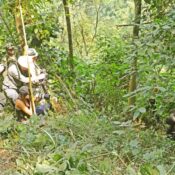
Bwindi Impenetrable National Park is a key destination for gorilla trekking in Uganda. More than half of the world’s mountain gorillas live in Uganda’s Bwindi and Mgahinga National Parks. Bwindi’s steep slopes and dense vegetation can make the trek demanding. The route depends on the location of your assigned gorilla group and the terrain along the way.
Allow time for both the hike and the viewing. A trek can take 1 to 8 hours, depending on the gorilla group’s location, the terrain, and your pace. Once the group is found, the usual visit with the gorillas lasts one hour. That viewing period is separate from the walking time, so plan your day around the full trek rather than the encounter alone.
Uganda also offers a gorilla habituation experience for visitors seeking more time in the forest. Visitors can spend up to four hours with the gorillas, with each group limited to four tourists. This option allows more time to observe gorilla behavior and learn about the research and habituation process. Standard trekking and habituation differ in both time with the gorillas and group size.
Consider the physical demands when choosing your itinerary. Bwindi’s forest trails can be steep and uneven, and the walking pace needs to suit the terrain and group. Sturdy walking boots and clothing that covers your arms and legs are practical for moving through dense vegetation. A small daypack keeps water and personal items manageable while leaving your hands free.
Gorilla trekking can anchor a broader Uganda wildlife itinerary. For example, pair Bwindi with Queen Elizabeth National Park, where game drives and a boat trip on the Kazinga Channel offer a different kind of wildlife viewing. Another option is to add Kibale Forest for chimpanzee tracking. These combinations add variety, but travel between forests and parks takes planning, so route order matters.
Before settling on a route, consider how much time you want in the forest, whether you prefer a standard trek or habituation, and which wildlife areas you want to add. Those choices guide the number of travel days and where overnight stops make sense. You can explore Uganda trip options to see how gorilla trekking fits into wider itineraries, including journeys that combine forest time with wildlife experiences.
How is the wildlife viewing in Uganda?
Uganda combines savannah wildlife viewing with forest encounters and rich birdlife. Queen Elizabeth National Park and the Kazinga Channel are a practical pairing for game drives and boat safaris.
Wildlife Viewing and Game Drives
Game drives in Queen Elizabeth National Park offer a chance to view wildlife in its natural habitat. Its landscapes and wildlife differ from Kibale’s forest setting, where chimpanzee tracking focuses on primates rather than open-country viewing. Choose parks based on the encounters you value, and allow time for road transfers between areas.
Uganda’s wildlife extends well beyond large mammals. The country is estimated to have 5,700 wild chimpanzees and 1,074 bird species. Its bird species represent 50% of Africa’s bird species and 11% of the world’s. For a day focused on bird-watching on a Uganda safari, the Kazinga Channel is known for over 500 bird species, alongside wildlife viewed from the water.
A boat safari on the Kazinga Channel offers a different perspective from a vehicle-based game drive. From the boat, you can scan the banks and water for wildlife and watch birds. Pairing the cruise with a Queen Elizabeth National Park game drive brings two kinds of wildlife viewing into the itinerary.
Plan drive times around the park schedule and your preferred pace. Uganda game drives typically start at 6:00 AM, while activities typically resume around 3:00 PM. That leaves time between outings to rest at your accommodations or travel between activities. A route with Queen Elizabeth National Park and Kibale, for example, balances savannah and forest experiences.
Seasons for Wildlife Viewing
The recommended periods for wildlife viewing are December to February or June to August. January, February, June, July, August, and September are also listed among the best months to visit Uganda. Use these periods to guide your travel dates, then arrange your days around your chosen parks and activities.
Consider the experience you want from each stop. A visit to Queen Elizabeth National Park can combine morning game drives with a Kazinga Channel boat safari, while Kibale adds forest tracking. Set your route first, then choose dates that fit your priorities and leave enough time for transfers and activities.
If birdlife is a priority, include time around the Kazinga Channel and explore Uganda birding safari ideas as you shape your plans. For help bringing parks, drives, and boat viewing into one route, you can discuss a safari itinerary.
When is the best time to go on safari in Uganda?
The recommended travel periods for wildlife viewing are December to February or June to August. January, February, June, July, August, and September are also listed among Uganda’s best months to visit. Your ideal dates depend on the experiences you want to combine, such as Murchison Falls game drives, forest tracking, and gorilla trekking.
Uganda safari itineraries range from short park visits to extended journeys across several national parks. Short trips focused on one or two parks can take 3-4 days, while comprehensive safaris covering major parks and wildlife areas typically take 8-15 days. Extended Uganda safari holidays can last 11 days or longer, giving more time for travel between regions and activities.
Choose the experiences that matter most, then build your route around them. A shorter safari might focus on Murchison Falls, while a longer itinerary could combine game drives, gorilla trekking, and chimpanzee tracking. With Uganda’s varied landscapes, route and transfer time matter as much as the number of activities.
A typical safari day might begin with a morning game drive, followed by a meal and time to rest or travel. An afternoon activity could be another drive or a boat trip, depending on the park and route. Leave room between destinations: packing several distant parks into a short trip can cut into wildlife-viewing time.
Season also shapes itinerary planning. December to February and June to August are recommended for wildlife viewing, and September is also among the best months to visit. Choose dates around your priority activities, then sequence the parks to avoid unnecessary backtracking. A route through Murchison Falls and other parts of East Africa can be shaped around the time available.
For gorilla trekking, Uganda and Rwanda differ in permit fees. Uganda’s mountain gorilla trekking permit for visitors from outside Africa is US$800, while Rwanda’s is US$1,500; these figures compare permits only, not complete safari prices. Uganda and Rwanda can also be combined, with the route and travel days affecting the overall trip. Compare Uganda and Rwanda safari planning in the context of your preferred experiences.
For entry, Uganda’s e-visa application is recommended at least five working days before intended travel dates, and approval usually takes three working days. Vaccination planning depends on your health history, itinerary and transit route. Discuss these with a travel-health clinician, and choose insurance that addresses medical care, evacuation, and trip disruption.
The total safari price depends on the route, accommodation level, transport, activities, and travel dates. BLS safaris provides a tailored quote, with permits, transport, lodging, and meals included and no hidden fees. Compare itineraries by their inclusions and the time allowed at each park, not duration alone.

What type of accommodations can I expect?
Accommodation choices shape how your Uganda safari feels between activities. Staying near Bwindi Impenetrable National Park supports early access to forest trekking, while a lodge near Queen Elizabeth National Park suits game drives and boat excursions. Consider location, comfort, and travel time together, rather than choosing by room category alone.
Accommodation options can include simple guesthouses, tented camps and lodges, with different levels of comfort and service. Near Kibale, a forest-side stay puts you close to chimpanzee tracking; around Queen Elizabeth, a lodge can make reaching park activities easier. The right fit depends on your preferred comfort, route and how much time you want to spend travelling between your stay and excursions.
Transport connects accommodation and activities. Road transfers work well for routes linking parks, while a domestic flight may suit an itinerary covering distant destinations when reducing road time is a priority. International flights to Uganda are a separate consideration from travel between safari stops. Check the itinerary’s start and end points, transfers and any flight segments to understand how each day connects.
Excursions also influence where you stay. A gorilla trek in Bwindi, chimpanzee tracking in Kibale and a game drive in Queen Elizabeth each require access to a different activity area. Staying near these destinations can reduce backtracking and make early starts more manageable. If your itinerary includes several parks, consider whether transfer days still leave time for the planned activities.
Before choosing, compare each option across a few practical details:
- Location: Check how the stay relates to Bwindi, Kibale or Queen Elizabeth.
- Comfort: Match the accommodation style to how you want to rest after trekking or game drives.
- Transport: Review how road transfers or any domestic flight fit the route.
- Activities: Confirm which excursions appear in the itinerary and where they take place.
A Uganda safari itinerary should clearly state which accommodation, transfers and excursions are included, as well as any travel arrangements outside the safari. This makes routes easier to compare, especially if one uses road transfers and another includes a flight. Check how each night’s stay connects to the next day’s activity, such as a forest trek followed by a transfer toward Queen Elizabeth National Park.
For a varied trip, balance nights near forests with stays near savannah parks instead of changing accommodation after every activity. This can make a multi-destination journey easier to follow while preserving time for chimpanzee tracking, wildlife viewing and rest.
Combining Uganda with Kenya or Tanzania
Pairing Uganda with Kenya or Tanzania can add savannah wildlife to a forest-focused journey. Start with the experience you most want, such as gorilla trekking in Bwindi Impenetrable National Park, then choose another country to fit your available time and preferred pace. The key is planning the route as one connected trip rather than treating each country as a separate itinerary.
For a Uganda-and-Kenya route, you could begin with mountain gorillas in Bwindi, then continue to Kenya for wildlife viewing in the Maasai Mara. The experiences are distinct: a guided forest trek in Uganda followed by open-landscape safari viewing in Kenya. Allow enough time for the country change and journey between activities instead of scheduling a major excursion immediately after a long transfer.
Tanzania offers another pairing: combine Bwindi gorilla trekking with a Tanzania safari, or add Zanzibar for a beach stay after wildlife activities. This route suits travelers seeking forest, savannah and coastal experiences in one holiday. Decide whether the beach is essential before planning the safari portion, since it affects the trip’s order and time in the parks.
Build the itinerary in a few practical steps:
- Choose the anchor: Decide whether Bwindi gorilla trekking or a Kenya or Tanzania safari is the priority.
- Select the second experience: Add Kenya’s Maasai Mara, Tanzania wildlife viewing or Zanzibar based on your interests.
- Set a realistic pace: Include travel days between countries and avoid compressing several major activities together.
- Map the route: Match arrival and departure points to the order of destinations and planned transfers.
Multi-country safaris require more coordination than trips within Uganda. Accommodation changes, transfers and activity days need to fit together, and each border crossing becomes part of the route plan. Compare itineraries by destination order and included travel arrangements, not just the number of countries listed. This helps you see whether the schedule allows meaningful time for the animals and experiences you chose.
A Uganda-only trip may suit you better if gorilla trekking and the country’s national parks already fill your available time. Add another country when you have room for the extra travel and a clear reason to include its wildlife or coast. Start with the destinations and experiences you value most, then build the travel sequence around them. A Uganda, Kenya and Tanzania safari plan can help show how those destinations fit together.
BLS safaris: East Africa Safaris
BLS Safaris plans tailor-made itineraries that bring together Uganda’s gorilla trekking, wildlife viewing and travel routes. If you’re weighing a Uganda-only journey against adding Kenya or Tanzania, local guidance and clear routing help shape the trip around your priorities. Packages include handpicked lodges and transparent pricing, with support from enquiry through travel.
Choose Uganda Safaris for a journey focused on the country, or consider East Africa Safaris to connect experiences across borders. Kenya Safaris and Tanzania Safaris can also form part of a regional itinerary. Share the activities and destinations that matter most to start planning.
Contact BLS Safaris or visit bls-safaris.com to discuss your plans.
Shape Your Safari Around What Matters Most
The most rewarding next step is to decide what you want the journey to feel like. You might prioritize time in the forest, a slower pace between destinations, or a route that brings together wildlife and varied landscapes. Let those preferences guide the itinerary, rather than trying to fit every possible stop into one trip.
Then consider how much of East Africa you want to explore. BLS Safaris offers Uganda Safaris, Kenya Safaris and East Africa Safaris, with options for a journey focused on one country or connected across borders. Tailor-made Uganda safari packages can bring your priorities, route and accommodation choices together in a coherent plan.
Share the experiences you value most, along with your preferred travel dates and pace. This gives the planning conversation a clear starting point and helps turn your ideas into a personal, well-considered journey.
Your East African adventure can begin with one clear choice. Take the next step when you’re ready and let the journey take shape around you.
Frequently Asked Questions
Why visit Uganda, and what are its major attractions?
Uganda brings together primate encounters, savannah wildlife, birding and cultural experiences. Bwindi and Mgahinga are known for mountain gorilla trekking, while Kibale offers chimpanzee tracking. Murchison Falls and Queen Elizabeth National Park suit visitors interested in game drives and varied landscapes. You can also shape a journey around birding, culture or beach experiences, depending on your interests and available travel time.
How do I select a reliable Ugandan tour operator?
Look for clear itineraries, transparent inclusions and relevant local planning experience. Check that the operator explains how permits, transport, lodging and meals fit into the trip, and that the route allows time for each activity. BLS safaris lists Uganda Tourism Board license UTB/RTT/TT/2025/101532 and offers customized journeys shaped around travelers’ dates, pace, budget and interests.
How safe is Uganda for tourists?
Plan safety into your itinerary rather than relying on general assumptions. Use organized transfers, keep your route and accommodation details accessible, follow your guide’s instructions around wildlife, and respect park staff directions. Stay with your guide during a game drive and keep a safe distance from animals. Allow realistic travel time for road journeys, especially when changing parks.
What are the best national parks in Uganda?
The right park depends on the experience you want. Choose Bwindi Impenetrable National Park or Mgahinga for mountain gorilla trekking, Kibale for chimpanzee tracking, and Queen Elizabeth National Park for game drives and boat viewing. Murchison Falls National Park is another option for combining wildlife activities with dramatic scenery. Match parks to your priorities and route instead of trying to visit every destination.
What are the costs of park entrance fees and permits in Uganda?
These charges relate to different activities, so identify which parks and permits your itinerary needs. Permit costs are separate from the wider transport, accommodation and meal arrangements in a safari.
What Uganda safari packages are available, and what destinations do they cover?
Uganda safari packages can focus on gorilla trekking, wildlife, chimpanzee tracking, birding or a mix of experiences. Routes may connect Bwindi, Kibale, Queen Elizabeth National Park and Murchison Falls. BLS Safaris also plans Uganda Safaris, Kenya Safaris and East Africa Safaris, allowing travelers to build a Uganda-focused journey or connect it with other regional destinations.
How much do Uganda safari packages cost per person?
The total depends on the route, travel dates, accommodation, transport and activities, including required permits. The number of destinations and travel arrangements also shape the itinerary. BLS Safaris provides a tailored quote, with permits, transport, lodging and meals included and no hidden fees. Compare the itinerary’s inclusions and route details, not just its length, when assessing value.
What is included and excluded in Uganda safari package prices?
BLS safaris’ itineraries include permits, transport, lodging and meals, with transparent pricing and no hidden fees. The specific itinerary sets out how those elements apply to your trip. Review its inclusions and exclusions together, paying attention to which activities and transfers are covered and which arrangements sit outside the package. This makes it easier to compare safari plans on an equal basis.