Your safari budget is shaped as much by how you travel as by where you go. A Kenya safari has no single fixed price: trip length, accommodation, transport, season and chosen activities all affect the final cost. The best fit balances those choices with the wildlife and experiences you most want, rather than simply adding more stops.
It makes sense to want a clear budget before choosing dates or destinations. This guide explains what drives safari costs and how to weigh wildlife viewing, Kenya and Tanzania routes, migration timing and cultural activities when shaping a trip.
You’ll also learn how the season can shape the wildlife you see, why migration viewing is only part of the experience, and how cultural visits can add meaning to an itinerary. Whether you prefer a focused wildlife trip or a wider East African journey, these decisions help you choose a suitable route and pace.
Key Takeaways
- Set your budget by weighing trip length, accommodation style, transport and activities together, rather than choosing a lodge in isolation.
- Match wildlife priorities to destinations: the Masai Mara is known for migration viewing, while other parks offer different landscapes and species.
- Choose travel dates with the season in mind. Kenya’s high or peak season runs from June to October, while November to March brings the birthing season.
- Build a Kenya and Tanzania route around the time you have and the places you most want to explore, leaving room for cultural activities as well as game drives.
- Consider BLS safaris when you want help shaping a Kenya-focused trip or a wider East African itinerary around your interests.
Kenya Safari Wildlife Viewing
Wildlife viewing varies with the destination, season and habitats on your route. The Masai Mara is a key stop for wildebeest migration viewing, while other parks offer different landscapes and wildlife encounters.
Wildlife Highlights Across Safari Destinations
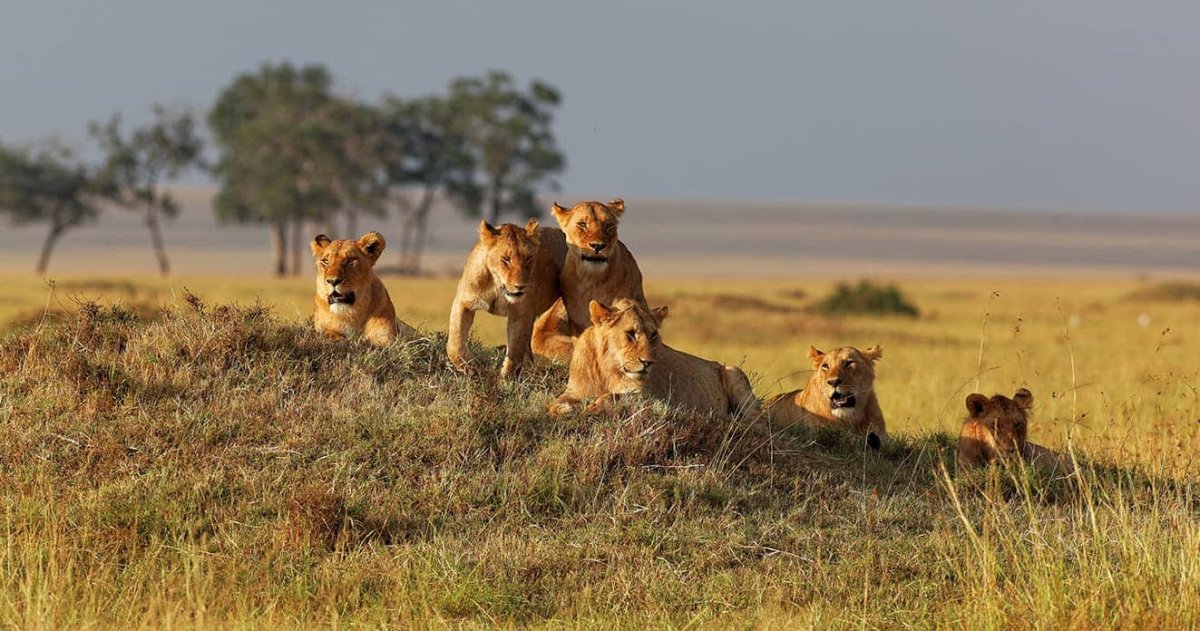
Compare the habitats on your route, not just the number of parks. The Masai Mara’s open plains are a natural setting for watching large herds, while Lake Nakuru is associated with rhino viewing. Linking distinct destinations can add variety to the wildlife you encounter.
Accommodation shapes the setting for each outing. A tented camp can bring you close to the surrounding landscape, while an air balloon flight offers a different perspective over the plains. Consider these experiences alongside game-drive time when deciding what kind of wildlife viewing suits you.
Big Five Viewing
The Big Five are lion, leopard, elephant, buffalo and rhino. If seeing these animals is a priority, consider the destinations and habitats on your itinerary, then allow time for game drives in each area. Sightings depend on animal movements, so no list of parks can guarantee a particular encounter.
Lake Nakuru adds a specific rhino-viewing stop, while the Masai Mara offers varied wildlife viewing across open plains. Treat the Big Five as one focus among many, leaving room to enjoy other species and animal behaviour along the way.
Wildebeest Migration in the Masai Mara
The Masai Mara receives 1.5 million wildebeests from July through October. This movement makes the reserve a prominent destination for Great Migration viewing, with large herds forming a striking part of the landscape. The timing gives a useful planning window, but wildlife moves across the region.
For migration-focused travel, place the Masai Mara at the centre of the route and consider how long you want to spend there. A Kenya and East African safari itinerary can connect the Mara with other destinations, rather than treating the migration as the only wildlife experience.
River crossings are a highlight during the June-to-October peak season, but they are not the only reason to visit. Herds, predators and other species create different moments throughout a game drive, so plan for varied wildlife viewing rather than one specific event.
What Does a Kenya Safari Cost?
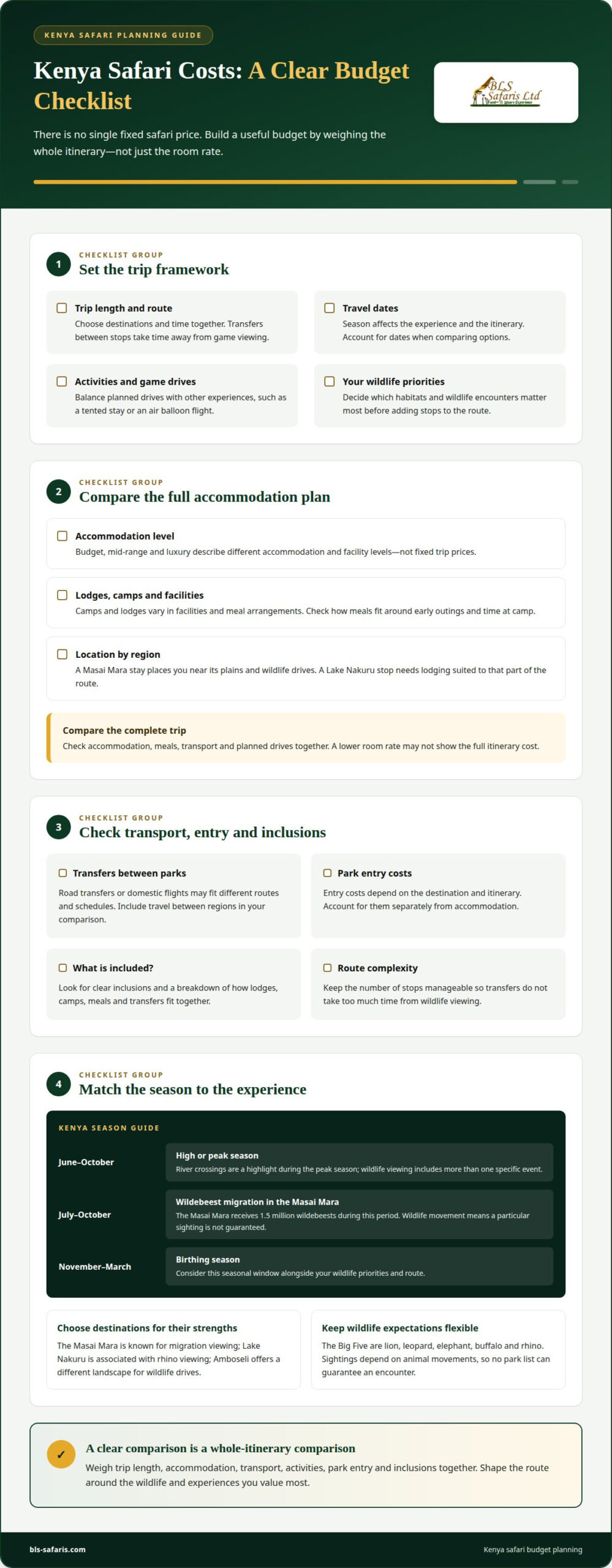
A safari budget depends on accommodation, route, transport and inclusions. Compare these details together, since a lower room rate may not reflect the full cost of an itinerary.
Accommodation Types and Price Ranges
Budget, mid-range and luxury describe different accommodation and facility levels, not fixed trip prices. A budget itinerary may use simpler camps, while mid-range and luxury options can offer more amenities and different settings. Compare the complete trip, including accommodation, meals, transport and planned drives.
A safari’s total price depends on the route, travel dates, accommodation, transport and inclusions, and is provided after a quote request. For a useful comparison, check what each itinerary includes rather than judging by accommodation category alone.
Lodges, Camps, and Facilities
Kenya’s safari accommodation includes lodges and camps, including tented stays. Facilities and meal arrangements vary, so consider how they fit around game drives. An itinerary with early outings, for example, may handle meals differently from one that allows more time at camp.
Consider how accommodation, meals and transfers fit together in the itinerary. A clear breakdown helps you judge whether the facilities and locations suit your priorities, such as spending time in the Masai Mara or following a more varied route.
Accommodation by Region
Accommodation choices depend on the destinations on your route. A Masai Mara stay puts you near the reserve’s plains and wildlife drives, while a route that includes Lake Nakuru needs lodging suited to that stop. Consider travel between regions as well as the room itself.
To choose a reputable safari operator, look for clear route planning, transparent pricing, stated inclusions and local guidance. The itinerary should explain how lodges, camps, meals and transfers fit together. These details make it easier to compare options across Kenya and the wider East Africa trip collection.
Travel Requirements and Park Entry
US travelers need an electronic travel authorisation, or eTA, to enter Kenya. Apply ahead of travel: processing usually takes 3 days but can take longer, and the authorisation is valid for 90 days from issuance. Vaccination decisions depend on personal health needs and the planned destinations; consider the itinerary when arranging travel health advice.
Park entry costs depend on the destination and the itinerary, so account for them separately from accommodation. Between parks, travellers can use road transfers or domestic flights, depending on the route and schedule. For a trip shaped around your preferred regions and lodging style, request a tailored safari quote.
Kenya and Tanzania Safari Itineraries
A Kenya and Tanzania itinerary can focus on wildlife, combine several reserves or include a city visit. Choose destinations and trip length together, allowing enough time for game viewing after travel between stops.
Destinations Across Kenya and Tanzania
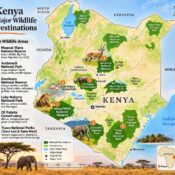
In Kenya, the Masai Mara, Lake Nakuru and Amboseli create a varied route. The Mara is known for migration viewing, Lake Nakuru adds a rhino-viewing stop, and Amboseli offers a different landscape for wildlife drives.
For a two-country trip, decide which Kenyan stops matter most, then plan how Tanzania fits into the journey. A custom Kenya and Tanzania itinerary can connect both countries. Keep the number of stops manageable, since transfers take time away from exploring each reserve.
Itinerary Durations
Trip length changes how much time you can spend in each destination. One featured Kenya wildlife itinerary lasts 14 days, while a separate Kenya itinerary includes a Nairobi giraffe sanctuary visit and lasts 15 days. These examples show how a city experience can sit alongside time in wildlife areas.
A listed Kenya-to-Tanzania mid-range itinerary lasts 10 days. Use that duration as a planning example, not a fixed template: the balance between countries depends on your priority stops and transfer plans. Allow enough time for drives and arrival days, rather than filling every day with a new destination.
Safari Itinerary Ideas
For a Kenya-focused route, combine Amboseli and the Masai Mara, then consider Lake Nakuru if rhino viewing is a priority. This brings different wildlife settings into one journey. A Maasai cultural experience can also add a human perspective alongside time spent observing animals.
If the Great Migration is central to your plans, give the Masai Mara a clear place in the itinerary. For a broader East African journey, connect Kenya with Tanzania and choose stops that match your interests. List your must-see destinations first, then shape the route around travel time, wildlife priorities and your preferred pace.
Great Migration and Wildebeest Viewing
The Great Migration shapes wildlife viewing across the Masai Mara and Tanzania’s adjoining ecosystems. Herd movements change with grazing and rainfall, so leave room for more than one game drive on a migration-focused safari. In the Mara, you may observe wildebeest, predators and other plains wildlife within a national reserve setting.
Kenya’s high or peak season runs from June to October and is described as cool and dry. This period is associated with the wildebeest migration and opportunities to see river crossings. Kenya’s dry season runs from June to September, while rainy periods can affect road conditions and the appearance of the plains. These seasonal patterns shape daily game viewing.
November to March is Kenya’s birthing season, when many young animals arrive. The green season is also hot, with occasional afternoon thunder showers, and migrant birds arrive during this period. If young wildlife or birdwatching interests you, these seasonal experiences may matter as much as migration viewing. A cheetah sighting, for instance, offers a different kind of memorable moment from watching a herd move.
Lake Nakuru offers a different focus from the Masai Mara: rhino viewing. Adding the park can broaden your wildlife experience beyond wildebeest and open plains. Consider how the stop fits with your other destinations and travel time, then allow enough time for game drives. This gives the itinerary more than one wildlife focus.
For migration travel, build the route around time in the Masai Mara rather than treating it as a brief stop between parks. Herd movements and river crossings are natural events, so a longer stay creates more opportunities to explore different areas. A Great Migration safari itinerary can show how the Mara fits into a dedicated wildlife trip.
The season also changes the feel of a safari. June to October is linked with migration viewing, while November to March brings the birthing season and green landscapes. Choose the period that best matches your interests, then shape the route around wildlife, weather and the time available at each destination.
Kenya Safari Activities and Cultural Experiences
A well-planned African safari can include more than wildlife drives. In Kenya, pair time on the plains with a cultural activity, a relaxed camp stay or a different view of the landscape. Choose activities based on destination and pace, so each addition fits naturally into the route without cutting into time among the animals.
Game drives in the Masai Mara National Reserve offer a chance to observe animals across open grassland. Ask your itinerary planner to balance drive time with breaks. The hottest midday hours are generally spent resting, and animals also seek shade, leaving cooler parts of the day for wildlife viewing.
An air balloon flight offers another perspective on the plains and the wildlife below. Consider it a special activity alongside vehicle drives, not a substitute for them. It can suit travelers who want to see the landscape from above, while a ground drive offers closer opportunities to observe animal behavior.
Cultural experiences can add context to a visit alongside time in a national reserve. A community visit can introduce local traditions and everyday perspectives, while respectful listening helps make the exchange meaningful. Discuss where the activity fits in the route and allow enough time to take part without rushing between the visit and a scheduled drive.
October can bring a cultural point of interest: Kenya celebrates Mashujaa Day in honor of national freedom fighters. If your travel dates coincide, this observance may add context to your stay. It is a different experience from wildlife viewing, so consider whether cultural learning belongs among your trip priorities.
For a balanced plan, choose an activity beyond standard game drives, such as an air balloon flight or cultural visit. Connect it to the places you most want to explore, whether that means the Masai Mara’s plains or another destination. This leaves room for wildlife, local perspectives and time to enjoy each part of the journey.
BLS safaris: Kenya Safaris
BLS safaris can turn your priorities into a clear route, planning destinations, travel time and accommodation together. Our Kenya Safaris suit travelers focused on wildlife and cultural experiences in the country. Start planning once you know your preferred season, key destinations or activities, even if the route still needs shaping. One main interest is enough to begin.
Share what matters most, such as migration viewing in the Masai Mara, rhinos at Lake Nakuru or a cultural visit alongside game drives. BLS safaris provides local guidance, clear routing, handpicked lodges and transparent pricing as part of safari planning. This connects your priorities to a practical route instead of treating each stop as a separate decision.
If your plans extend beyond Kenya, East Africa Safaris can bring multiple countries into one journey. Tanzania Safaris suit travelers interested in Tanzania’s wildlife destinations, while Uganda Safaris offer another option for a wider regional trip. A Kenya safari can also be the central part of a broader itinerary. Choose based on the experiences you want to combine and the time available for travel between destinations.
Consider a wider itinerary if one country does not cover your main interests. A Kenya and Tanzania route, for example, can pair Kenyan reserves with Tanzanian destinations, while an East African plan can connect more countries. BLS safaris can organize the sequence and routing around your priorities, keeping the journey coherent across borders.
It can help to contact BLS safaris with a rough idea of your dates, trip length and preferred accommodation style. You can also start with a wildlife or cultural priority, such as migration viewing or local experiences. These details give the planning process a clear starting point, and destinations and routing can be shaped around them.
Safari planning brings the route, lodges and local guidance together in one trip plan. BLS safaris supports travelers from enquiry through travel, coordinating the different elements of the journey. Whether you are considering a focused Kenya trip or a broader East African itinerary, your priorities can guide the planning conversation.
Shape a Safari Around What Matters to You
The next step is to shape your interests into a route that suits your travel plans. A Kenya safari can focus on wildlife in Kenya or form part of a wider East African journey. Consider the experiences you want most, how much travel between destinations suits you, and whether you would like to include another country.
BLS Safaris offers Kenya Safaris and East Africa Safaris , as well as Uganda Safaris . These options provide a starting point for planning a trip around one country or a broader regional journey. Share your preferred destinations and the experiences you value, and the route can take shape around your priorities.
You do not need every detail decided before taking the next step. A few preferences, such as your main wildlife interests or countries of interest, can start a useful planning conversation.
Your safari can begin with a simple idea, then grow into a journey shaped around what you hope to discover.
Frequently Asked Questions
When is the best time to visit Kenya?
The best time depends on what you want to experience. January and February are generally good months for an African safari, while June through October suits travelers interested in migration and cooler, drier conditions. December through February is also high season in Kenya. If you prefer birdwatching or green landscapes, November to March brings migrant birds and occasional afternoon showers.
Are there ATMs in Kenya?
Yes, Kenya has over 2,000 ATMs. You can find them in towns and cities, but access may be limited once you are staying in remote safari areas. Plan cash withdrawals around time in larger centers, and carry a suitable payment option for smaller purchases. ATM withdrawals may incur fees of around 400-500 KES per transaction, so consider that when planning how often to withdraw.
How safe is Kenya for tourists?
Tourist safety depends on your surroundings, transport and activities, so follow local guidance throughout your trip. On safari, listen to your guide, stay inside the vehicle unless instructed otherwise, and keep a safe distance from wildlife. In towns, use arranged transport and keep valuables out of sight. Both your itinerary and travel habits matter, so discuss practical safety arrangements while planning.
Is there tipping in Kenya?
Tipping in Kenya is customary, but it is not obligatory or mandatory. Restaurant and bar tips are commonly 10-15% of the bill. For safari service, suggested amounts vary by role: lodge staff, guides, rangers and trackers may have different customary tips. Carrying small notes can make it easier to tip for service you appreciated, while the amount remains your choice.
What are the toilets and showers like on safari?
Toilet and shower facilities depend on the lodge or camp selected for your itinerary. Some stays provide private facilities, while others may have shared facilities or simpler arrangements. Review accommodation details when comparing properties, especially if privacy, hot water or easy access matters to you. Personal toiletries and a small torch can also be useful around camp after dark.
What kind of wildlife will I see in Kenya?
Kenya’s wildlife includes lions, leopards, elephants, buffalo and rhinos, as well as wildebeest, cheetahs, hippos and crocodiles. The species you encounter depend on the parks and habitats on your route. The Masai Mara, for instance, is known for wildebeest movement, while Lake Nakuru is a destination for rhino viewing. Each game drive brings its own mix of animals and behavior.
What are the best safari destinations in Kenya?
The best destinations depend on your wildlife interests and preferred landscapes. The Masai Mara is a strong choice for open plains and migration viewing; Lake Nakuru adds a rhino-focused stop, and Amboseli offers a different setting for wildlife drives. Samburu can add another region to a multi-stop itinerary. Choose a route around the experiences you value rather than trying to include every park.
When is the best time of year to go on safari in Kenya?
June to October is a popular period for migration-focused viewing, with river crossings among the seasonal highlights. January and February are also generally good safari months, though Kenya can be hot then. November to March brings the birthing season and migrant birds. Match your dates to your priorities, whether migration, young animals, birdwatching or a particular destination.