
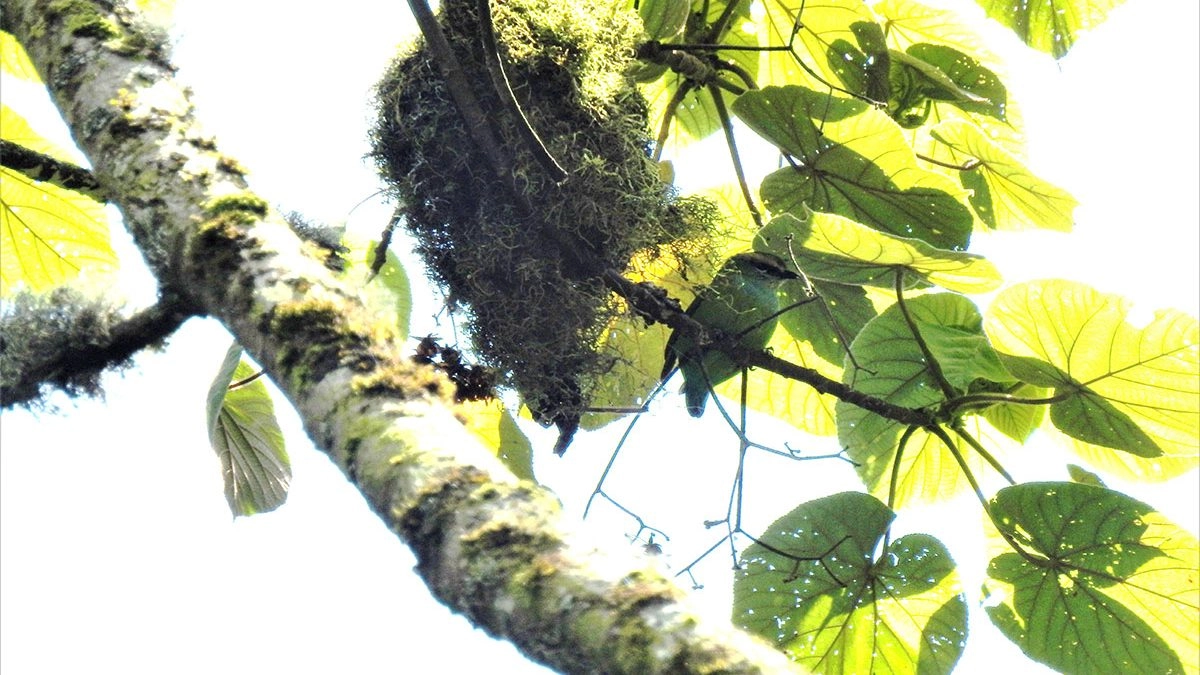
Birding in Bwindi Impenetrable National Park
Lower forest, river valleys, steep ridges, bamboo and swamp habitat sit within one protected area.
Buhoma, Ruhija and the Albertine Rift forestsA birding walk in Bwindi begins with sound.
A birding walk in Bwindi begins with sound. Your guide hears a call above the trail, stops beneath the trees and points to a gap in the leaves. You find the branch with your eyes before lifting the binoculars. The view may last only a few seconds. Even that can turn a quiet stretch of forest into the highlight of the morning.
Bwindi covers 321 km². It rises from 1,160 to 2,607 metres above sea level. Lower forest, river valleys, steep ridges, bamboo and swamp habitat sit within one protected area. The park has 357 bird species, including 23 Albertine Rift endemics. These numbers matter because the forest changes with altitude. Each change brings a different style of birding.
Buhoma is the easier starting point for river and forest-edge walks. Ruhija gives you cooler highland forest, bamboo and the full-day walk to Mubwindi Swamp. A good plan starts with the sector and the amount of walking you want to do. It does not try to force every trail into one short stay.
For a wider route, explore our Uganda birding safaris and combine Bwindi's highland forest with other birding habitats across the country.
How Birding in Bwindi Works
The Forest Hides More Than It Shows
Bwindi is very different from birding on an open savannah. Leaves block long views. Light changes under the canopy, and small birds may cross the trail without landing in the open. Stand still when the guide stops. Look for movement, a shaking leaf or a shape against the sky before searching for colour. This slower method gives you a better chance than walking quickly and trying to collect names.
Altitude Changes the Day
Buhoma sits in lower forest where rivers and open edges give clearer viewing. Ruhija is higher, cooler and more enclosed. The climb in altitude changes the plants, temperature and birds around the trail. It also changes the physical effort. A short walk near Buhoma and a long descent towards Mubwindi Swamp may both be called birding. In the field, they feel like two different activities.
Albertine Rift Birds Give Bwindi Its Importance
Albertine Rift endemics live within a narrow chain of highland forests in western Uganda and neighbouring countries. They are not spread across the normal East African safari circuit. Seeing one in Bwindi connects the bird to the exact forest and altitude it needs. A specialist birder may spend a full morning following a single call. A first-time visitor can still enjoy turacos, bee-eaters and other birds that are easier to recognise.
Match the Walk to Your Time and Fitness
Choose the walk by the time available, the terrain and the kind of birding you enjoy. The table below separates the main options without turning the park into another species checklist.
| Birding plan | Best area | Field conditions | Who it suits |
|---|---|---|---|
| Short morning | Munyaga River or a Buhoma forest edge | Lower forest, river cover and regular stops close to the trailhead | Beginners, photographers and mixed-interest trips |
| Half day | Buhoma Waterfall Trail | Roots, damp ground, river crossings and a steady walk towards the falls | Birders who want scenery and time in the forest |
| Highland session | Ruhija forest edge and Bamboo Trail | Cooler air, higher forest, bamboo and shorter views through dense cover | Birders seeking montane habitat without the full Mubwindi walk |
| Full birding day | Mubwindi Swamp Trail | Long descent through high forest, wet ground and a demanding climb back | Fit birders with a clear highland target |
| Long forest crossing | River Ivi Trail | Old forest road from the Buhoma side towards Nkuringo with pickup planning | Travellers who want distance, quiet forest and a point-to-point walk |
What the Main Trails Feel Like
Mubwindi Swamp Trail
Mubwindi is a full birding day, not a quick stop after another forest activity. The trail drops from Ruhija through high forest towards the swamp. Some of the best moments come before you reach the wetland. Your guide may hear a mixed flock or find movement in the canopy. Save enough energy for the climb back. Rain makes the descent slippery, while frequent birding stops stretch the day beyond ordinary walking time.
Munyaga River and Waterfall Trails
Buhoma gives you a gentler introduction to forest birding. Munyaga stays close to the lower trailhead and works well for a short morning. The Waterfall Trail carries you farther beside river cover and through thicker forest. Neither route is flat. The shorter slopes and clearer edges suit travellers who want to watch birds without committing to the long climb from Mubwindi. The river also adds sound, shade and open gaps for photography.
Ruhija Forest Edge and Bamboo Trail
Ruhija lets you work highland forest without descending all the way to the swamp. Roadside openings can be productive early in the morning. Birds cross between trees and perch where the light reaches them. The Bamboo Trail changes the cover again. Dense stems shorten the view and make calls more important. Wear a warm layer for the early start. Carry it in your pack once the walking and sun raise the temperature.
River Ivi Trail
River Ivi follows an old route through the forest and comes out near Nkuringo. It suits a long, quiet crossing rather than a short loop. Plan the pickup before you enter the forest, and carry enough water and food for the day. The walk passes fruiting trees, river sections and canopy gaps without returning to the same trailhead.
For a broader comparison of walking times and terrain, see our guide to nature walks in Bwindi Impenetrable National Park .
Four Birds Worth Slowing Down For
African Green Broadbill
The African green broadbill is small, green and easy to lose against fresh leaves. It is closely linked with the high forest around Mubwindi. That is why specialist birders give the trail a full day. The search is often slow. Your guide may follow a soft call or watch one section of canopy while the group waits below. A clear view matters because the bird has a very restricted range. You will not add it casually on an ordinary savannah safari.
Shelley's Crimsonwing
Shelley's crimsonwing keeps low in thick vegetation and rarely gives a long open view. The male's red back can flash between leaves, but movement may be the first clue. The interest lies in the difficulty of the encounter. You must keep quiet, watch the same patch of cover and accept that the bird may appear for only a moment. It rewards careful forest work rather than distance covered.
Black Bee-eater
The black bee-eater brings a different kind of sighting. It may sit on an exposed branch near a forest opening, then leave the perch to catch an insect before returning. The dark body, bright throat and long shape make it easier to study than many small understorey birds. It is a good bird for a new birder because you can watch feeding behaviour, colour and flight from one position.
Bar-tailed Trogon
A bar-tailed trogon can sit so still inside the forest that the group looks past it. Search shaded branches below the brightest canopy and listen before scanning. Once the guide fixes the position, use the trunk or a fork in the branch as a landmark. The sighting teaches an important Bwindi lesson: a large and colourful bird can remain hidden when it does not move.
Field Skills That Improve the Walk
Find the Branch Before Raising Binoculars
When the guide points out a bird, ask for a fixed landmark such as a forked branch, pale trunk or hanging vine. Find that spot with your eyes first. Lift the binoculars without looking away, then adjust focus. This simple habit saves time when a bird is small or the view lasts only a few seconds.
Let the Forest Set the Pace
Walk slowly enough to hear changes in the forest. A mixed feeding flock can turn a quiet section into several busy minutes, then disappear. Give the guide room to listen and avoid talking over calls. On steep ground, keep your own pace and tell the guide before fatigue affects balance. The distance on a map rarely shows how long a Bwindi birding walk will feel.
Use Light Carefully for Photography
The forest can stay dark on a bright day. Keep the camera ready before the bird appears. Use a shutter speed that controls movement and wait for a gap in the leaves. Do not step off the trail for a cleaner angle. A rain cover or dry bag should be easy to reach because showers can arrive quickly, especially on long walks.
Best Time for Birding in Bwindi
Birding continues throughout the year because resident forest birds are the main interest. Late May through September usually brings longer dry breaks and firmer trails. December and January also work well for travellers combining birding with gorilla trekking. The forest remains damp, so good footwear and rain protection still belong in the daypack.
May and June are important for nesting and breeding behaviour, although the rains can still affect the trails. Migratory birds add variety from about November to April. The Albertine Rift species still give Bwindi its main birding interest. Start in the morning when calls are clearer and keep enough time in the day for rain to pass.
Birding Fees From January 2027 to June 2028
These fees run from January 2027 to June 2028. The visitor groups are foreign non-resident (FNR), foreign resident (FR), Rest of Africa (ROA) and East African citizen (EAC). Park entrance and activity charges are separate.
| Fee | FNR | FR | ROA | EAC |
|---|---|---|---|---|
| Park entrance | US$40 | US$30 | US$25 | UGX 20,000 |
| Bird watching and nature walks | US$40 | US$30 | US$30 | UGX 30,000 |
| Bamboo walk in Ruhija | US$60 | US$30 | US$30 | UGX 10,000 |
| Munyaga Waterfalls Walk | US$60 | US$40 | US$40 | UGX 40,000 |
| Long walk from Buhoma to Nkuringo | US$100 | US$60 | US$60 | UGX 50,000 |
Transport, meals, accommodation and private guide services sit outside these charges unless your safari price includes them. Match the activity fee to the walk you book
Combining Birding With Gorilla Trekking
Keep gorilla trekking and serious birding on separate mornings. A gorilla trek can last 2 to 7 hours and includes one hour with the family. It should remain the main activity of that day. Use an arrival afternoon for light forest-edge birding, then give the next free morning or full day to the trail that matters most.
A Buhoma gorilla permit pairs naturally with Munyaga or the Waterfall Trail. A Ruhija permit gives easier access to highland forest, the Bamboo Trail and Mubwindi. Travellers trekking from Rushaga or Nkuringo can take a shorter southern forest walk, but should add another night near Ruhija before attempting Mubwindi. Confirm the permit sector before choosing the birding base and morning transfer.
Where to Base Yourself
If birding is the main reason for the visit, spend at least one night in the sector where the walk starts. Roads between Bwindi sectors are slow and winding. First light is better spent beside the forest than inside a vehicle.
| Base | Best reason to stay | What it saves |
|---|---|---|
| Buhoma | Munyaga River, Waterfall Trail and easier lower-forest birding | A long early transfer before a short or half-day walk |
| Ruhija | Mubwindi Swamp, Bamboo Trail and montane birding | The difficult pre-dawn drive from another Bwindi sector |
| Nkuringo or Rushaga | Southern Bwindi walks and a gorilla permit in the same area | Changing lodges when birding is an addition rather than the main goal |
What to Carry
- Binoculars that focus quickly in close forest, with 8x magnification working well for most visitors.
- Walking shoes or boots with firm grip for roots, mud and uneven slopes.
- A light rain jacket, long trousers and a long-sleeved shirt for wet plants and cool air.
- A warm layer for an early start in Ruhija.
- A waterproof pouch for binoculars, phones and camera gear.
- Drinking water, energy snacks and a packed lunch for Mubwindi or River Ivi.
- A field guide or offline birding app for checking names after the walk.
- A walking pole or porter support when steep ground may affect comfort or balance.
Watch Without Disturbing the Forest
Keep voices low, stay on the trail and give nesting birds space. Let a bird remain hidden if it moves deeper into cover. Avoid repeated playback and do not move branches for a photograph. Good birding in Bwindi depends on patience. The best encounter leaves the bird behaving normally after you walk on.
Birding in Bwindi FAQs
Is Buhoma or Ruhija better for birding?
How demanding is the Mubwindi Swamp walk?
Can beginners enjoy birding in Bwindi?
Will I definitely see the African green broadbill?
Can birding and gorilla trekking share the same morning?
Are entrance fees included in the birding activity fee?
Should I change accommodation for birding?
Can Bwindi form part of a longer Uganda birding trip?
More Birding and Forest Experiences
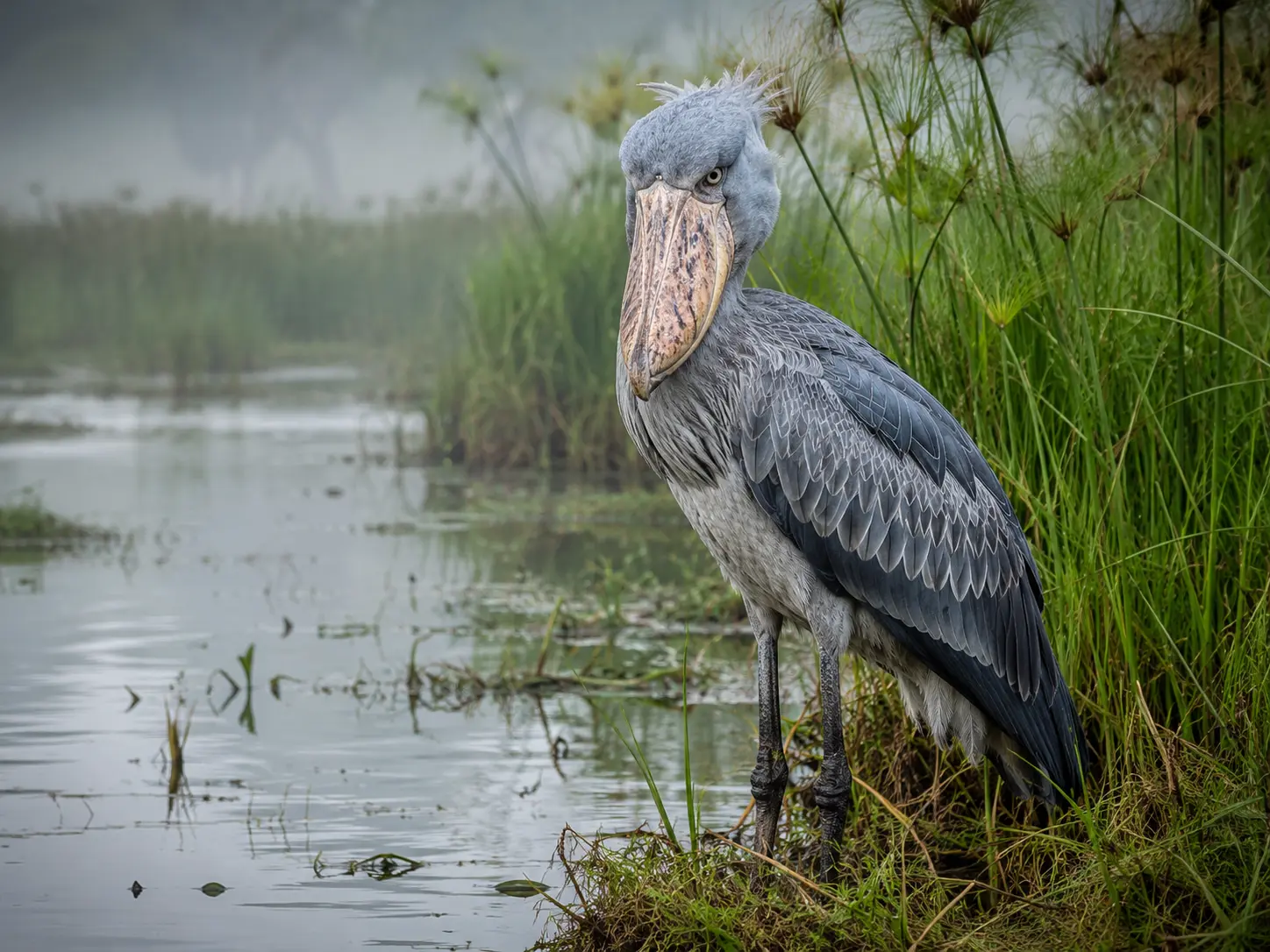 Birding Collection
Uganda Birding Safaris
Combine highland forests, wetlands and savannah habitats in a journey built around your birding interests.
Explore Birding Safaris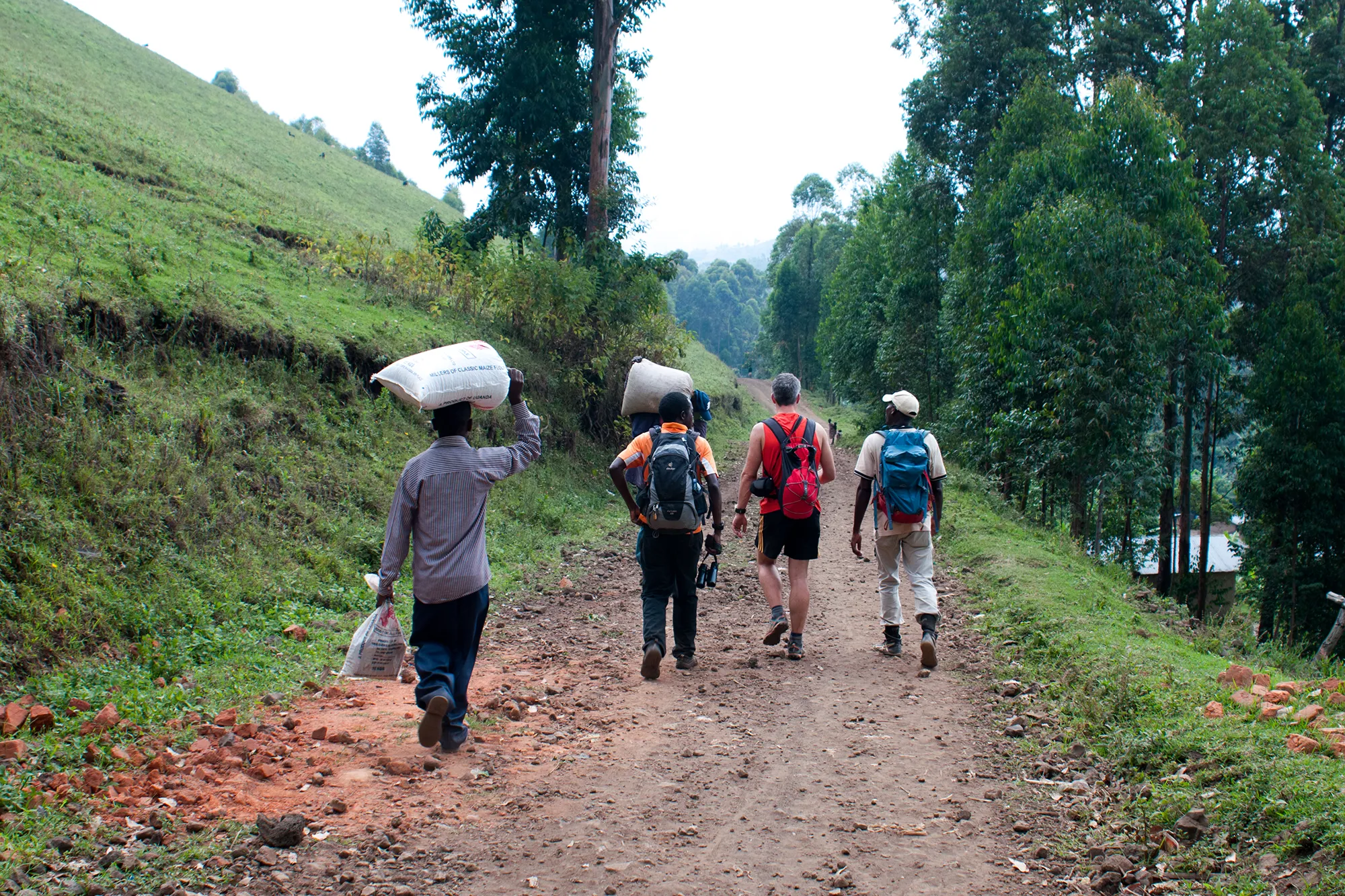 Walking Guide
Nature Walks in Bwindi
Compare waterfall routes, ridge walks and forest crossings by starting sector, time and effort.
Explore the Walks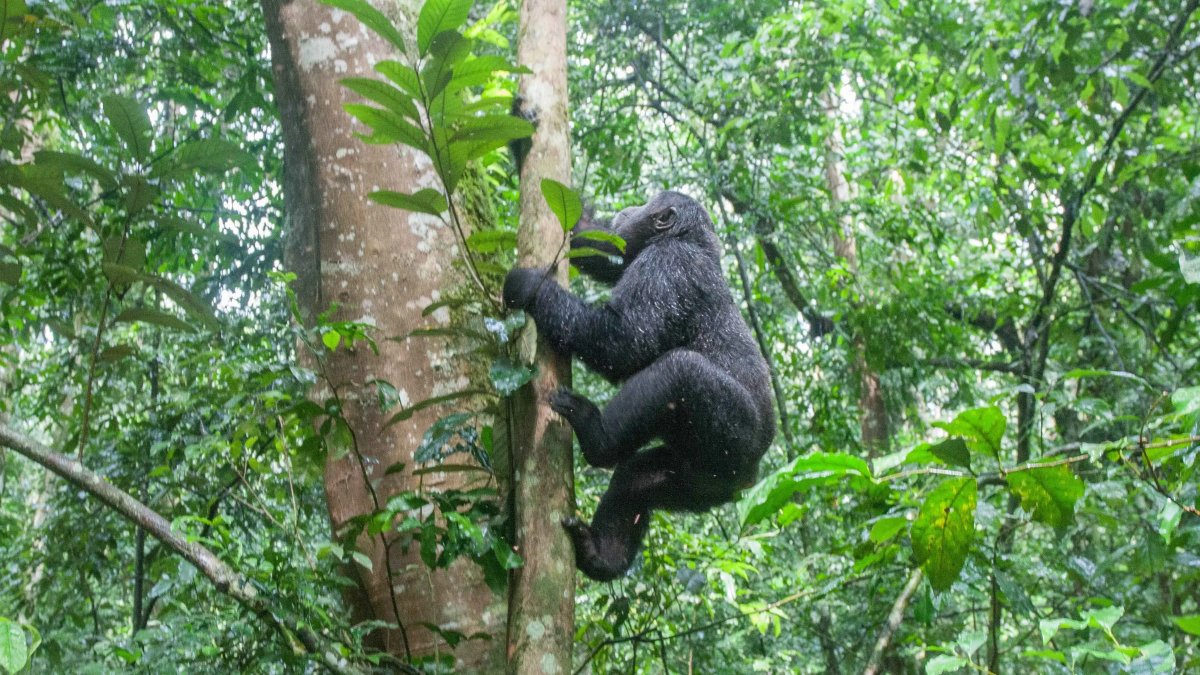 4 Day Safari
4 Day Uganda Gorilla Trekking Safari
Explore a gorilla-focused journey and request a separate birding session or additional Bwindi nights.
Explore the SafariStart in the right sector. Give the forest time.
Tell BLS Safaris your dates, birding interests and walking ability. We will help arrange your guide, accommodation and trail sessions, with gorilla trekking on a separate day where requested.