
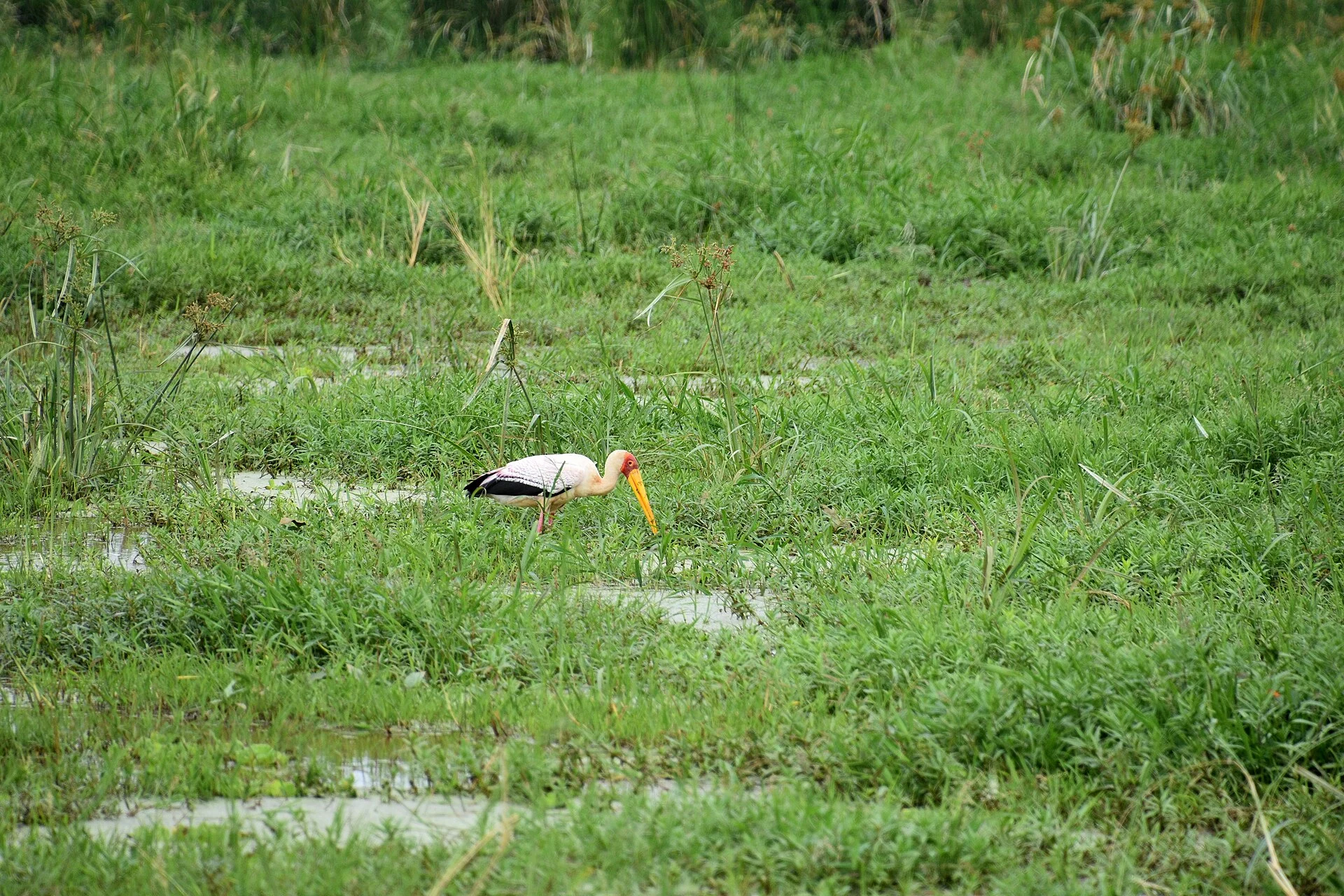
Birding in Queen Elizabeth National Park
Savannah, tropical forest, wetlands, rivers, crater lakes and partly saline lakes meet between 910 and 1,390 metres above sea level.
Kazinga Channel, Kasenyi, Maramagambo and IshashaThe birds change with the scenery.
Across Queen Elizabeth, birding follows the changing scenery. Start with cranes and lapwings on open grass. Continue with kingfishers and skimmers along the Kazinga Channel, then finish beside papyrus or woodland. The birds change because the ground, water and plant cover change around you.
The park covers 1,978 km² in western Uganda and holds more than 600 resident and migratory bird species. It also forms part of a UNESCO Biosphere Reserve. Savannah, tropical forest, wetlands, rivers, crater lakes and partly saline lakes meet between 910 and 1,390 metres above sea level. That habitat range matters more in the field than the size of the bird list.
You do not need to turn the whole safari into a specialist birding trip. Keep binoculars ready during game drives and give the Kazinga Channel cruise its own time. Add a guided forest or wetland session when you want a harder search. Keen birders can stay longer and work the same park through several viewing styles without repeating the experience.
Our Uganda birding safaris can combine Queen Elizabeth's open-country and waterbird sessions with forest birding elsewhere in the country.
Why Birding Here Feels Different
Birds and Big Wildlife Share the Same Scene
Queen Elizabeth rarely asks you to leave the wider safari behind. On the channel, pelicans and storks may stand beside hippos while elephants and buffaloes come to drink. On the plains, a raptor search continues as Uganda kobs, lions and other wildlife move through the grass. This makes the park a strong match for couples or families whose interests do not all begin with birds.
The Viewing Style Keeps Changing
The boat holds a low line along the shore and lets you watch feeding behaviour for longer. A safari vehicle opens wide views across grassland and gives you a steady place for binoculars and a camera. Maramagambo Forest changes the pace again, with shorter views, deeper shade and more listening. Each method tests a different part of your birding skill.
Beginners Can Learn Without Holding Back Keen Birders
Large waterbirds, fish eagles and hovering kingfishers give new birders clear behaviour to follow. The same day can still include skimmers, papyrus birds, raptors and forest targets for visitors with longer lists. Tell the guide which level matters to the group so time is spent watching, not racing through names.
Four Birding Routes Across the Park
Treat the park as four routes rather than one long checklist. Each route changes the habitat, the way you move and the other safari activities that fit around the birds.
The Central Water Route
Use the Kazinga Channel, Mweya Peninsula and Katunguru for the park's strongest water-based birding. The channel runs for about 32 km between Lake George and Lake Edward. A boat keeps you close to the bank. Sand, shallow water, hippo grass, reeds and acacia cover create different places for birds to feed and rest.
Scan beyond the biggest flocks. Pied kingfishers nest in sandy banks, herons use the acacia-lined shore, and skimmers need open water and suitable sandbars. Mweya adds scrub, exposed perches and lake views before or after the cruise . Katunguru brings papyrus into the route, so calls and reed movement become more important than open-water scanning.
The Eastern Grassland Route
Kasenyi and the Lake Bunyampaka area suit a first-light drive. Watch short grass, termite mounds, wet patches and isolated bushes before lifting your eyes to the open sky. Grey crowned cranes, lapwings, larks and raptors use different levels of the plains. Stop the vehicle long enough to scan each one.
This route works well when birding shares the morning with a game drive . The road is not physically demanding, but small grassland birds can be hard to separate. A guide who knows their calls and flight patterns saves time without turning the drive into a list-reading exercise.
The Forest and Crater Route
Maramagambo Forest puts you on foot beneath a closed canopy. The guide listens before moving, checks fruiting trees and watches gaps where a bird may cross for only a few seconds. Roots, wet leaf litter and mud after rain add more work than the open plains, while shade and humidity make photography slower.
Pair the forest with Katwe and Lake Munyanyange for a complete change of setting. The crater country opens the view again and brings saline water, salt pans and seasonal waterbird activity into the day. Feeding conditions draw flamingos in at certain times. The crater landscape still earns its place in the route after the flocks move on.
The Southern Woodland Route
Ishasha mixes grassland, mature fig trees, woodland and river edges beside the Ishasha and Ntungwe rivers. Most birding here stays vehicle-based. Quieter roads allow longer pauses than the central sector. Scan large trees for raptors and vultures, then work the riverine cover for smaller birds before returning to the open plains.
Tree-climbing lions add another reason to stay with the route, but give the birds their own stops. Ishasha works best as an overnight sector or as the final park session before continuing south. A quick return drive from Mweya removes the calm pace that makes this part of the park rewarding.
Birds That Change How You Watch
A few well-watched birds explain the park better than a long list. Each one asks you to read the habitat in a different way.
African Skimmer
The African skimmer feeds in a way that is hard to mistake. It flies low over open water and drops the longer lower half of its bill through the surface. Watch the direction of the flight instead of trying to follow every bird on the bank. A feeding pass shows why open water and undisturbed sandbars matter along the Kazinga Channel.
Papyrus Gonolek
The papyrus gonolek can remain hidden only a few metres away while its paired calls carry through the reeds. Stop at a clean edge, fix the direction of the sound and wait for movement between the stems. The sighting matters because it turns a roadside wetland into a careful lesson in birding by sound.
Grey Crowned Crane
Uganda's national bird brings more than colour to the Kasenyi Plains. Watch how a pair walks through wet grass, searches for food and keeps space around a nesting or feeding area. The upright shape and golden crown help a beginner recognise it. Its behaviour gives the group a reason to stay with the sighting.
Verreaux's Eagle Owl
A Verreaux's eagle owl turns the late afternoon into a different kind of search. During the day it may sit quietly in a large tree, where its size and pale eyelids help with identification. Near dusk, listen for deep calls and watch open branches. Keep a respectful distance from a resting bird and let it remain settled.
Flamingos at the Crater Lakes
Greater and lesser flamingos bring movement and soft colour to the saline lakes when food draws them in. A spotting scope helps you study bill shape, size and feeding lines without walking towards the shore. Add them to the crater route in season. The salt landscape and other waterbirds keep the visit rewarding through the rest of the year.
How to Use a Full Birding Day
A good day changes habitat as the light and temperature change. Keep the morning for open-country activity. Use the middle of the day around water, then save the cooler evening for a shorter final search.
| Part of the day | Main setting | What the session adds |
|---|---|---|
| First light | Kasenyi or Ishasha plains | Cooler air, active grassland birds, perched raptors and a game drive that can pause for small sightings. |
| Late morning or afternoon | Kazinga Channel and Mweya | Seated boat birding, close shoreline behaviour, waterbirds and wildlife using the same banks. |
| Late afternoon | Papyrus edge, crater lake or woodland | Call-led wetland work, softer light and a chance to look for owls or nightjars near dusk. |
One day gives a strong introduction to the plains and channel. Add another morning for Maramagambo or Ishasha when forest birds, woodland or a longer target list matter. A separate session also keeps the boat cruise from becoming the only time set aside for birds.
Field Conditions and Photography
From the Boat
The boat is the easiest session for movement and walking, but space around the seat is limited. Carry one camera body and a lens you can handle without blocking another passenger. Keep the strap secure, protect equipment from spray and watch the background before taking the photograph. A lower angle often shows the bird together with the bank, water and nearby wildlife.
From the Safari Vehicle
Keep binoculars within reach and avoid packing the seat with loose gear. Ask the driver to stop before the vehicle reaches the bird, then let it settle. Turn off the engine for small grassland birds or a perched raptor when the road and wildlife conditions allow. Early light is softer, while midday heat can create shimmer across long distances.
On Foot
Forest and designated nature walks need closed shoes with firm grip. Expect roots, mud, insects and humid air rather than steep climbing. Move quietly behind the guide and leave space between walkers so everyone can see through the same gap. In thick cover, a clear two-second view may be more valuable than covering another kilometre of trail.
Best Time for Birding
Drier Months for Easier Movement
The longer dry spell runs from late May through September. A shorter dry period usually comes from December to February. Roads are firmer and long rain breaks are less common. These months work well when the trip combines game drives, the channel cruise and a forest walk. Start early because heat builds quickly on the open plains.
Wet Months and Migratory Birds
March to May and September to November bring greener scenery, softer forest trails and regular showers. Resident birds remain active, but carry dry protection for optics and leave room in the day for rain to pass. Migrants add another layer from about November to April, especially around open water, muddy edges and wetlands.
Birding Fees from January 2027 to June 2028
The rates below apply to the park from January 2027 to June 2028. FNR means foreign non-resident, FR means foreign resident, ROA means Rest of Africa and EAC means East African citizen.
| Fee | FNR | FR | ROA | EAC |
|---|---|---|---|---|
| Park entrance | US$40 | US$30 | US$30 | UGX 20,000 |
| Bird watching and nature walks | US$25 | US$20 | US$20 | UGX 20,000 |
| Launch trip | US$30 | US$25 | US$25 | UGX 30,000 |
| Day game drive per guide | US$30 | US$25 | US$25 | UGX 30,000 |
Park entrance and activity charges are separate. Transport, accommodation, a private bird guide and operator services sit outside this table unless your safari package already includes them. Confirm the activity date and traveller category before payment.
What to Carry
- 8x or 10x binoculars with a wide field of view for grassland, shoreline and forest birding.
- A spotting scope when flamingos, distant raptors or open-water birds are an important part of the day.
- A Uganda or East Africa bird guide, an offline birding app and a small notebook for calls and locations.
- A telephoto camera setup you can carry comfortably, with extra batteries, memory cards and a clean lens cloth.
- A light rain jacket and a dry bag or waterproof cover for binoculars, phones and camera equipment.
- Neutral, light clothing with a long-sleeved layer for insects, reeds and forest-edge plants.
- Shoes with closed toes and a firm sole for Maramagambo Forest and wet ground after rain.
- A hat, sunscreen and insect repellent for open plains, the boat and crater country.
- Drinking water and a light snack for a long morning or a day that joins several birding settings.
Queen Elizabeth Birding FAQs
Is Queen Elizabeth suitable for beginner birders?
Where should I begin a first birding visit?
Can birding share a game drive with wildlife viewing?
Are flamingos always present at the crater lakes?
How long should I stay for birding?
Does the birding activity fee include park entrance?
Do I need to walk to enjoy birding here?
Can Queen Elizabeth form part of a longer birding safari?
More Birding and Queen Elizabeth Experiences
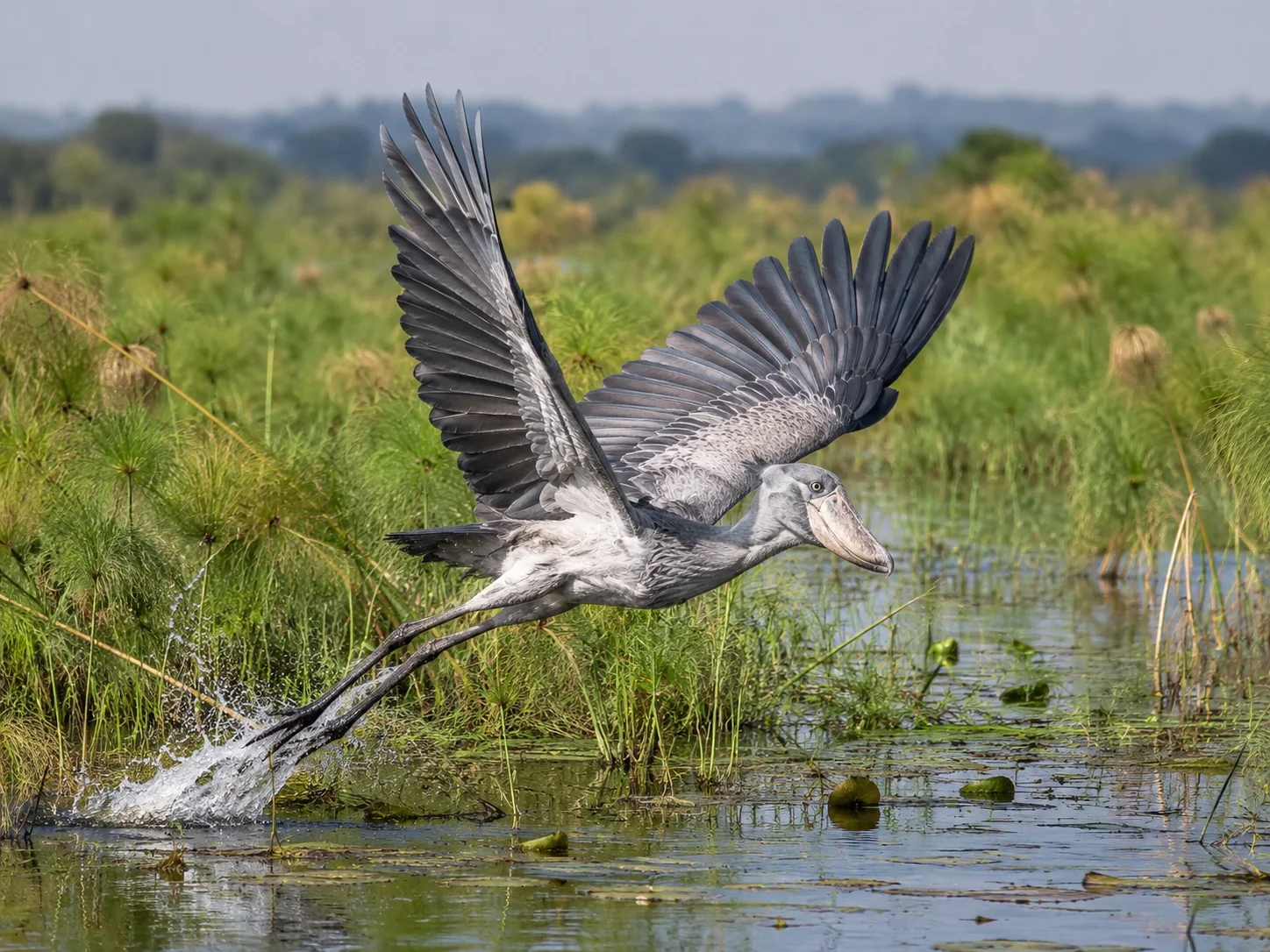 Birding Collection
Uganda Birding Safaris
Combine savannah, wetlands and forest habitats in a journey built around your birding interests.
Explore Birding Safaris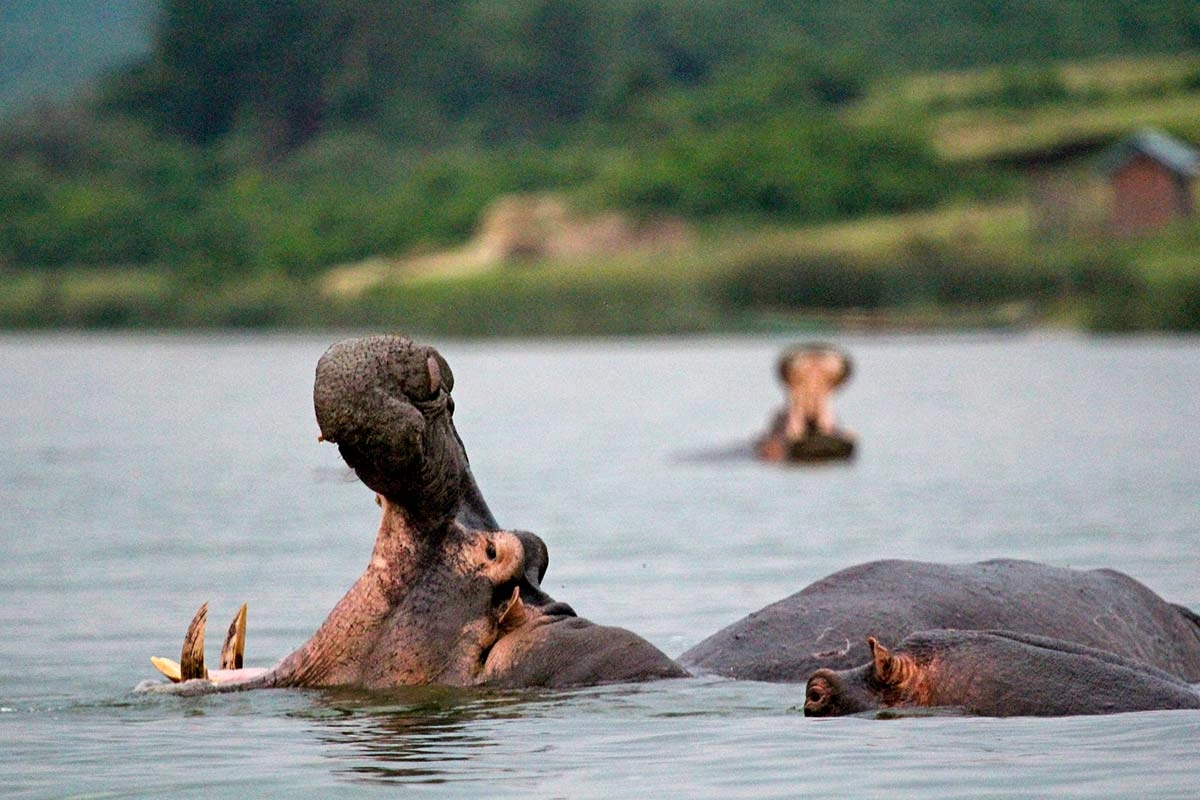 Boat Safari Guide
Kazinga Channel Boat Cruise
Plan time on the water for shoreline birds, hippos and wildlife visiting the channel.
Explore the Cruise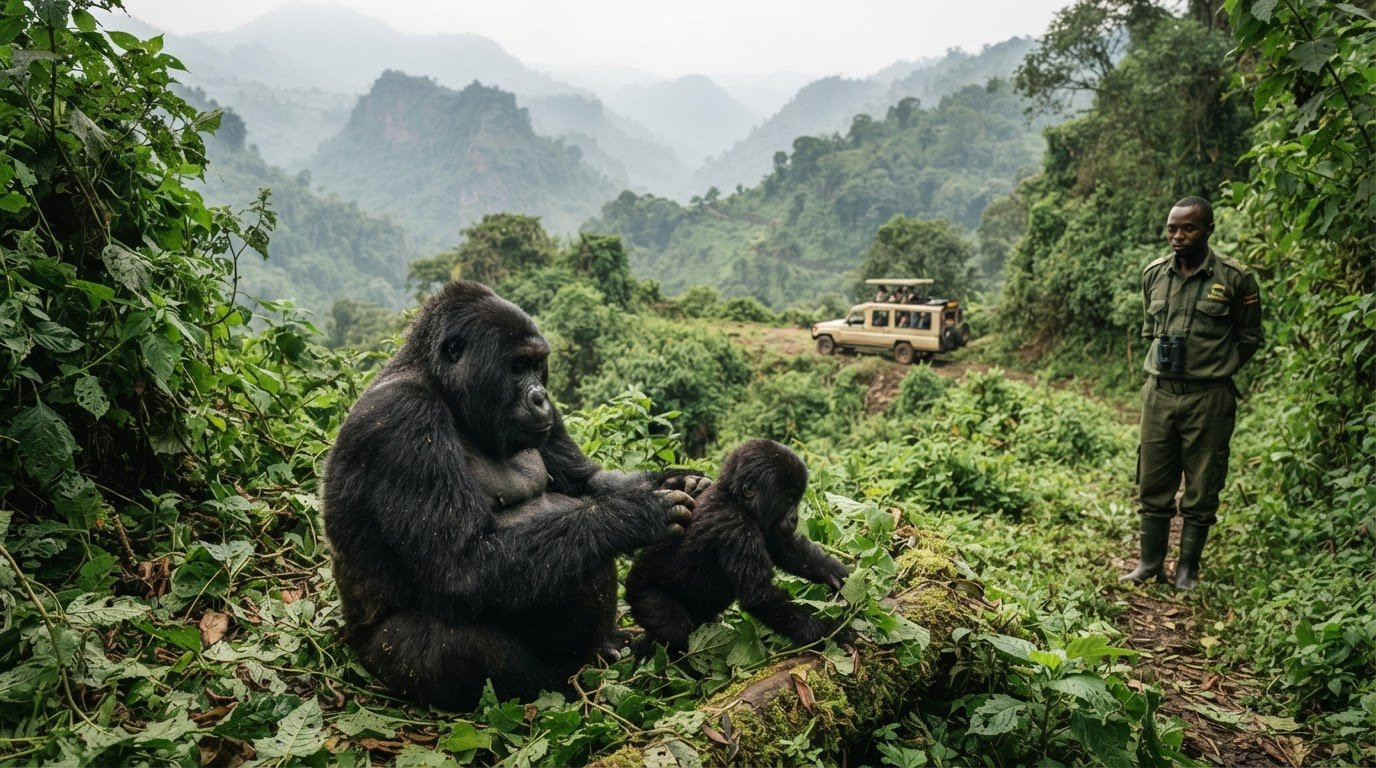 7 Day Safari
Uganda Gorilla and Wildlife Safari
Explore a wider Uganda journey and request dedicated birding sessions when tailoring the route.
Explore the SafariGive the plains, channel and forest their own time.
Share your dates, birding interests and preferred pace with BLS Safaris. We will help arrange your guide, boat session, accommodation and selected routes around Queen Elizabeth National Park.