
Tsavo West National Park is located in southeastern Kenya’s Taita-Taveta County between Nairobi and Mombasa. It covers 9,065 square kilometres and forms part of the wider Tsavo Conservation Area with neighbouring Tsavo East. The A109 Nairobi-Mombasa road and railway separate the two parks, while Tsavo West extends south towards the Tanzania border.
Tsavo West is more rugged and wooded than Tsavo East. Volcanic hills, black lava fields, rocky ridges, acacia woodland, grassland and permanent springs create a landscape that changes continually during a game drive. This variety makes the park particularly rewarding for travellers who value scenery alongside wildlife.
Mzima Springs is its best-known attraction. Clear groundwater from the Chyulu Hills emerges through old lava and supports pools inhabited by fish, hippos, crocodiles and waterbirds. Shetani Lava Flow and Chaimu Crater reveal the area’s volcanic past, while Poacher’s Lookout opens across the surrounding plains. Climbers also know Kichwa Tembo for its 300-metre east face. Elephants, buffalo, lions, leopards, giraffes and antelopes occupy the wider park, and black rhinos receive protection around Ngulia Rhino Sanctuary.
Top Attractions in Tsavo West National Park
Mzima Springs
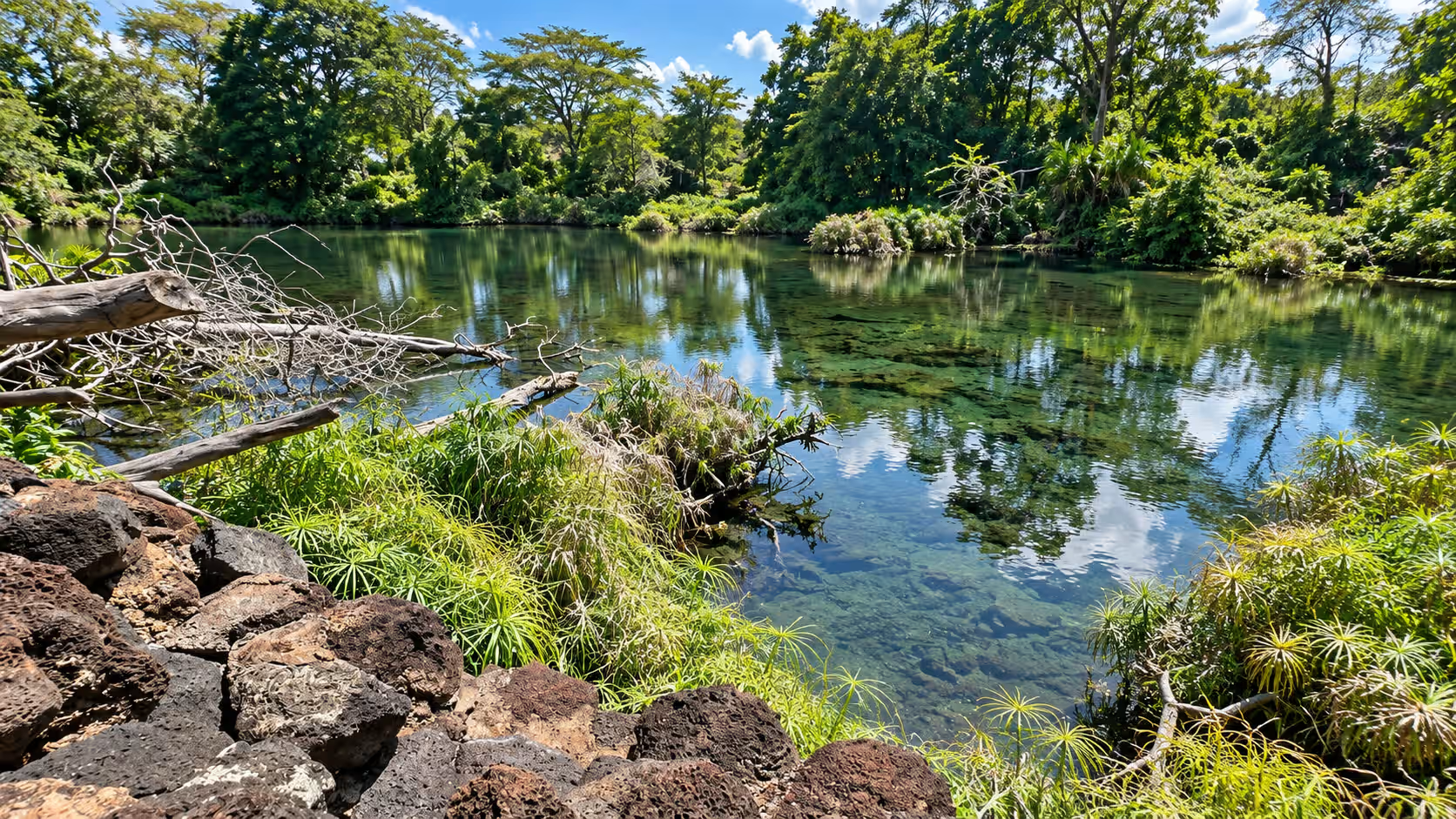
Mzima Springs brings clear water and dense green vegetation into an otherwise dry volcanic landscape. Four natural springs feed a series of pools and streams where you may see fish, hippos, crocodiles, vervet monkeys and waterbirds. Rain falling on the Chyulu Hills filters through porous lava, travels underground and emerges naturally at Mzima. The walking route covers about 3.2 kilometres with little climbing, so it provides an easy break between game drives. Follow the water beneath palms and riverine trees to the underwater viewing chamber, where fish are usually the clearest sight and hippos may pass when water visibility allows. Allow 1 to 1.5 hours if you want time for birds and photographs. Stay on the path and follow the ranger’s direction because hippos and crocodiles remain wild.
Shetani Lava Flow
Shetani Lava Flow spreads across roughly 50 square kilometres as a dark field of broken volcanic rock. Shetani means devil in Kiswahili, a name linked to the smoke, fire and black lava that local communities once associated with the devil rising from the ground. The longer walking route covers about 6.4 kilometres and gains close to 100 metres. The surface is rough, the rocks are sharp and the heat builds quickly, so start early with strong footwear, drinking water and a ranger or guide who knows the safe line across the lava. If you do not want the full walk, a shorter roadside stop still gives you a clear view of the flow against the Chyulu Hills.
Chaimu Crater
Chaimu Crater is a dark volcanic cone with wide views across lava country, plains and distant hills. The return walk is about 4 kilometres with roughly 200 metres of climbing, making it more demanding than Mzima Springs. Loose ash and steep volcanic slopes require closed shoes, an unhurried pace and an early start before the heat strengthens. From the higher ground, you can see how open savannah, wooded valleys and old lava fit together. Allow 2 to 3 hours for the climb and time on the rim. After rain, ask about the condition of the slope before setting out.
Poacher’s Lookout
Poacher’s Lookout gives you a raised view over the plains, Chyulu Hills and surrounding ridges. Grassland, scrub, acacia woodland and distant volcanic country come together below, making this one of the best places to read the landscape. Include it as a 20 to 30-minute stop during a game drive. Scan the plains for elephants, buffalo and antelopes, then stay for the softer morning or late-afternoon light if photography is important. On a clear day, the long view explains the scale of Tsavo West better than it appears from the woodland tracks.
Ngulia Rhino Sanctuary
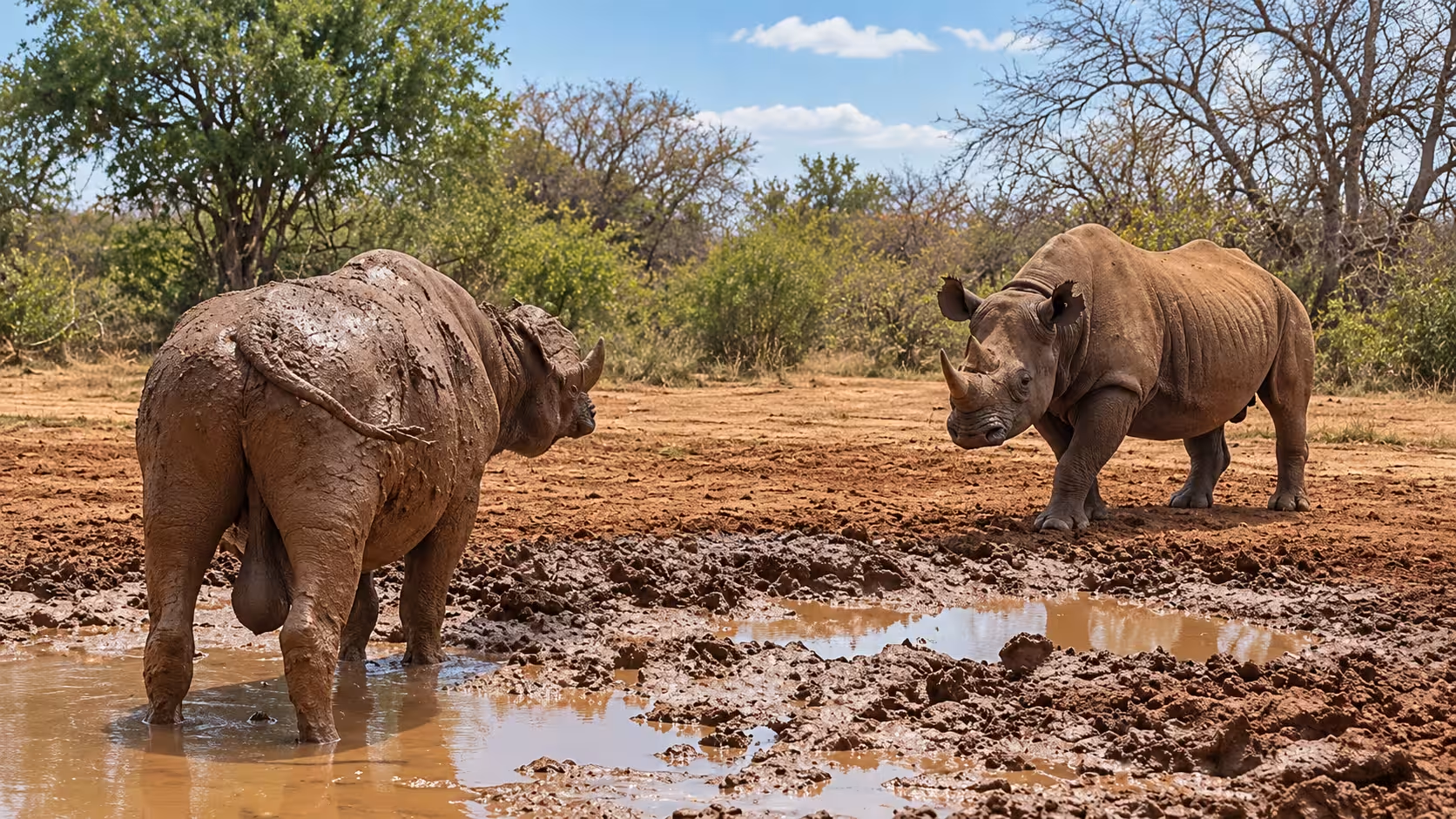
Ngulia Rhino Sanctuary protects critically endangered eastern black rhinos within Tsavo West. The wider Tsavo area held an estimated 20,000 black rhinos in 1940, but intense poaching reduced the population to fewer than 20 by 1989. Long-term protection has helped the population recover to around 130. The sanctuary lies at the foot of Ngulia Hills, where dense vegetation gives black rhinos food and cover. Sightings are never guaranteed, so drive slowly and watch openings in the bush rather than expecting rhinos beside the main track. Buffalo, elephants and antelopes also use this area, making the route worthwhile even when the rhinos remain hidden.
Roaring Rocks
Roaring Rocks is a rugged viewpoint overlooking the open country of Tsavo West. Wind moving around the rock and sounds rising from the plains contribute to its name. The walking route is about 4.8 kilometres with close to 150 metres of climbing through rocky ground and acacia woodland. Allow about 2 hours and begin early, when temperatures are lower and the light across the plains is clear. Closed shoes help on the uneven surface. From the top, look for elephants and antelopes below and listen for distant wildlife carrying across the open country.
Rhino Valley Circuit
Rhino Valley passes through open grassland and woodland near the Ngulia area. The longer guided walking circuit covers about 8 kilometres with little steep climbing, but the distance and heat still require good walking comfort, water and sun protection. Buffalo, elephants, antelopes and rhinos may all use this country. Walk only with a qualified ranger, keep the group together and allow about 3 hours rather than rushing the route. If you prefer to remain in the vehicle, Rhino Valley also works as a scenic game-drive circuit linked with the sanctuary and nearby viewpoints.
Wildlife in Tsavo West National Park
Big Five and Black Rhinos
Tsavo West supports elephants, buffalo, lions, leopards and black rhinos. Rhino protection gives the park particular conservation importance, but thick bush and controlled access make sightings uncertain. Elephants and buffalo are generally more visible, especially near water and along open woodland edges. The varied terrain changes how wildlife is seen. Animals can disappear quickly behind vegetation or rocky ridges, so drives require patience and careful observation. This makes each sighting feel connected to the park’s rugged character rather than to a predictable circuit.
Elephants, Lions, Leopards and Buffalo
Elephants move between grassland, woodland, springs and volcanic terrain, often carrying red Tsavo dust on their skin. Buffalo may graze in herds or rest in thicker cover. Both species become easier to locate near dependable water during dry conditions. Lions occur throughout the park and may rest near rocky outcrops or follow prey through the bush. Leopards are more secretive and are best sought during early or late drives along quiet tracks and riverine vegetation. Cheetahs and hyenas are also present, although sightings vary with habitat and animal movement.
Antelopes, Giraffes and Smaller Wildlife
Masai giraffes, zebras, impalas, hartebeest, lesser kudu, dik-dik and oryx occupy different parts of Tsavo West. Their distribution changes between open ground, wooded valleys and drier scrub, giving each route a different mix of wildlife. Smaller animals include bushbabies, jackals, genets, mongooses, hyraxes and porcupines. Mzima Springs and other permanent water sources support hippos, crocodiles, fish and aquatic birds. Looking beyond the largest animals reveals how much variety exists within the park’s changing habitats.
Birding in Tsavo West National Park
Key Bird Species
More than 600 bird species have been recorded in Tsavo West. Springs, riverine forest, acacia woodland, open plains, rocky ridges and seasonal wetlands allow waterbirds, raptors and dry-country species to occur within the same park. Birds to watch for include African skimmers, kingfishers, hornbills, bee-eaters, herons, weavers, starlings and ostriches. The corncrake and Basra reed warbler are notable migrants, while the white-headed buffalo weaver is recognised by its white heads and red rump. Many species can be seen during ordinary game drives, but dedicated birders benefit from slower stops and binoculars.
Best Birding Areas
Mzima Springs is one of the easiest birding sites because water and riverine vegetation attract kingfishers, herons and other water-associated species. The Tsavo River and Lake Jipe add further wetland habitat, while wooded and rocky areas suit hornbills, weavers and raptors. Morning provides the strongest combination of bird activity and comfortable temperatures. Late afternoon can also be productive around water and woodland edges. A guide familiar with calls and habitat helps locate smaller species that are easily missed from a moving vehicle.
Things to Do in Tsavo West National Park
Game Drives
Game drives are the main way to explore this vast, rugged park. Wildlife moves through woodland, shrub, rocky hills, riverine vegetation and open grassland, so it is not always visible from a distance. Patient driving around water, open edges and quieter tracks gives better results than rushing between attractions. Early morning and late afternoon bring cooler conditions and stronger animal activity. A four-wheel-drive vehicle is particularly useful during wet weather and on rough internal roads. Black rhinos remain difficult to locate, but elephants, buffalo, giraffes, zebras, antelopes and predators all contribute to a varied drive.
Guided Nature Walks
Guided walks slow the safari down and reveal tracks, dung, medicinal plants, bird calls, insects and volcanic stone that are easily missed from a vehicle. Walks follow approved areas with a qualified guide or ranger; this is not a park for leaving the vehicle and hiking alone. Choose the route by fitness and interest. Mzima Springs offers the gentlest option, Shetani focuses on lava, Chaimu brings a steeper crater climb, and Roaring Rocks adds a longer viewpoint walk. Closed shoes, water and sun protection are essential, and an early start keeps the temperature manageable.
Mzima Springs Walk and Underwater Viewing
The walk at Mzima Springs follows clear pools and lush vegetation before reaching the underwater viewing chamber. Fish are the most dependable sight through the glass, while hippos or crocodiles may appear when water clarity and animal movement allow. The springs release about 250 million litres of fresh water each day and form part of the water supply serving Kenya’s coast. For visitors, the stop combines a gentle walk, birding and an unusually close view of freshwater life within the dry Tsavo landscape.
Mzima Springs
Rock Climbing and Viewpoints
Tsavo West’s volcanic ridges and rock faces create several viewpoints, including Poacher’s Lookout, Roaring Rocks and Chaimu Crater. Each provides a different perspective over the plains, wooded valleys and lava country. Experienced climbers can arrange technical routes at Kichwa Tembo, whose east face rises about 300 metres. Contact the park and Mountaineering Club of Kenya before the safari to confirm permission, equipment and an experienced climbing partner. For most visitors, the established viewpoint walks provide enough height and scenery without technical climbing.
Bush Breakfasts, Picnics and Sundowners
Bush meals and sundowners create time to enjoy the landscape between game drives. A breakfast may follow an early drive, while an approved picnic stop breaks a longer route between the springs, lava fields and viewpoints. Sundowners work well where a lodge or operator has permission to use a safe location. These activities require proper arrangements and must follow park rules. They should be fitted around wildlife movement and driving distance rather than forcing the day into a fixed schedule.
Lake Jipe and Water-Based Excursions
Lake Jipe lies on the Kenya-Tanzania border in the southern part of the park. Reeds, open water and the Pare Mountains create a quieter setting for waterbirds, hippos, fishing communities and views across the international boundary. A locally arranged boat trip moves through reed beds where you can look for herons, egrets, kingfishers and African fish eagles. Water levels affect access, so confirm the boat before driving south. Give Lake Jipe at least half a day and include it during a longer stay rather than squeezing it between Mzima Springs and the northern game-drive routes.
Best Time to Visit Tsavo West National Park
Best months for Wildlife Viewing
The drier periods from June to October and January to February generally provide easier wildlife viewing. Vegetation becomes thinner, roads are more dependable and animals rely more heavily on permanent water. June and July bring cool mornings that may require a sweater in an open vehicle, while January and February often reach around 30°C during the day. Tsavo West can be visited throughout the year, but the thick vegetation makes sightings less predictable than in more open parks. Early starts remain valuable in every season because wildlife is active before midday temperatures rise.
Best months for Birding and Green Scenery
The long rains usually fall from March to May, with shorter rains around November and December. Vegetation becomes greener, migratory birds add variety and the landscape feels fresh. Rain often arrives in heavy showers rather than continuing all day, although patterns vary. Some tracks become muddy or slow, and animals spread out when water is widely available. Travellers interested mainly in easy big-game viewing may prefer the dry months. Birders, photographers and visitors comfortable with flexible routes can enjoy the quieter green season.
How to Get to Tsavo West National Park
By Road from Nairobi or Mombasa
Tsavo West is reached from both Nairobi and Mombasa along the Nairobi-Mombasa highway. Mtito Andei Gate is about 240 kilometres from Nairobi and roughly 250 kilometres from Mombasa. Allow around 4 hours from Nairobi and 4.5 to 6 hours from Mombasa, depending on traffic, roadworks and the distance from the gate to your lodge. Tsavo Gate serves the eastern side, Lake Jipe Gate opens the southern route, and Chyulu and Maktau gates suit other approaches. Match the gate to your accommodation and first activity so you do not spend hours crossing the park after arrival. A four-wheel-drive vehicle is the practical choice, particularly during the rains when internal roads become rough or muddy.
By Air to Nearby Airstrips
Small aircraft connect Nairobi’s Wilson Airport and the coast with Kilaguni, Kamboyo, Lake Jipe and private lodge airstrips. A direct flight from Wilson Airport takes about 50 minutes, although the final timing depends on stops made by the scheduled service. Kilaguni works well for the central attractions, while Kamboyo serves the Mtito Andei side. Finch Hattons uses a nearby private airstrip, and Lake Jipe is the practical choice for the far south when flights operate. Match the airstrip to the lodge because the road transfer across Tsavo West can take several hours.
Accommodation in Tsavo West National Park
Accommodation ranges from self-catering facilities to safari lodges and tented camps. Location matters because attractions are spread across the park, and the wrong base can add long transfers to each day.
| Accommodation | Location and setting | Safari value |
|---|---|---|
| Ngulia Safari Lodge | Below Ngulia Hills near the rhino sanctuary routes | Convenient for sanctuary drives, Roaring Rocks and western viewpoints |
| Kamboyo Guest House | Private self-catering house near the Mtito Andei approach | Independence, privacy and a simple base for families or small groups |
| Kilaguni Serena Safari Lodge | Central lodge overlooking a busy waterhole, with Kilimanjaro views in clear weather | Wildlife viewing from the lodge and easy access to Mzima Springs and volcanic sites |
| Finch Hattons Luxury Tented Camp | High-end tented camp beside natural springs in the southern sector | Personal service, wildlife around camp and a quiet bush setting |
| Severin Safari Camp | Unfenced camp near Mzima Springs and the Shetani area | A tented stay with practical access to the park’s central attractions |
| Lions Bluff Lodge | Ridge-top lodge in Lumo Community Wildlife Conservancy outside the park | Sunrise and sunset views with a connection to the wider Tsavo landscape |
Operating periods, transfers and activities can change, so details should be confirmed before travel. Lions Bluff lies outside the national park and should be selected only when its conservancy location suits the wider itinerary.
How Many Days Do You Need in Tsavo West National Park?
Tsavo West covers a large and varied landscape, and wildlife can be spread through thick vegetation. Two to three days allow a more balanced visit than a rushed transit stop.