
Nature Walks
in Mabira Forest
Step beneath the canopy for forest sounds, monkey encounters and guided trails within reach of Kampala and Jinja.
Najjembe trails / Griffin Falls / Forest birdingLeave the highway.
Listen to the forest.
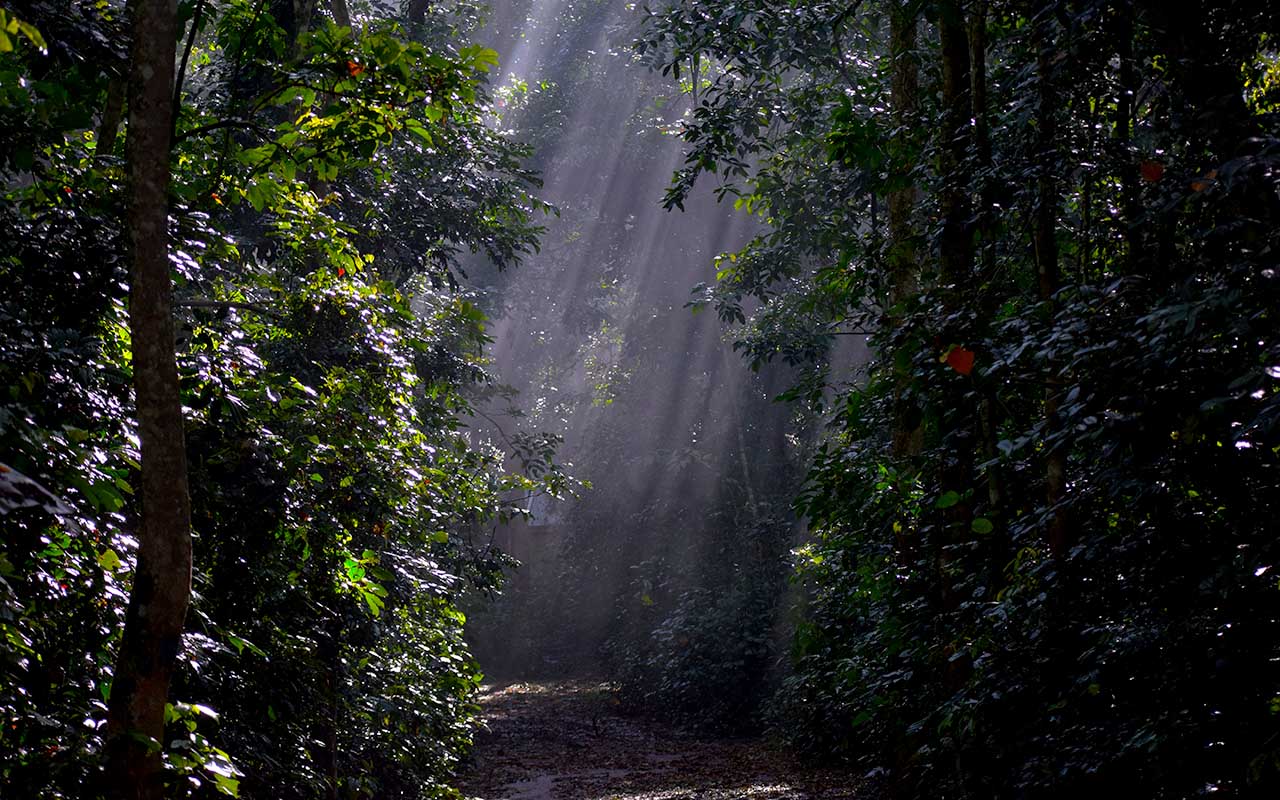
Branches move above the trail, a bird calls from deep shade and sunlight picks out butterflies in a clearing. Nature walks in Mabira Forest slow the journey between Kampala and Jinja and bring attention to life beneath the canopy.
Mabira offers one of the forest experiences within our walking safaris in Uganda . Expect trees, birds, monkeys and close forest details. A guided forest trail feels different from a savannah wildlife walk, with more listening and less visibility through the vegetation.
Start at Najjembe for accessible forest walks and birding, or use the Griffin Falls side for waterfall trails and the canopy zipline. Agree on the starting point before travelling because the activities do not all share one entrance.
Book a general nature walk, birding morning or primate-focused outing by name. A short forest walk does not automatically include mangabey tracking, Griffin Falls or ziplining.
Walking experiences in Mabira Forest
Short walks, focused wildlife outings and longer hikes use different amounts of time. Tell your guide about your interests and comfort on muddy ground before setting off.
Najjembe nature walks
Najjembe is the simplest starting point for a forest stop along the Kampala to Jinja road. The ecotourism site is about 0.5 km from the highway, reached by a short access track.
Follow a guided circuit beneath tall trees, stopping for butterflies, plants and movement in the canopy. A shorter route works well when Mabira is part of a wider Jinja day. Longer walks need a larger time window.
Griffin Falls walk
The Griffin Falls side combines forest trails with a waterfall destination. Expect roots, damp ground and uneven sections near the water rather than a smooth path throughout.
Use the separate camp approach confirmed by your guide. This is also the side to consider for ziplining, allowing the forest walk and canopy activity to fit into the same day.
Guided birding walks
Begin early and move quietly with a guide who knows the forest calls. Birds may remain hidden even when they sound close, so allow time to listen and watch gaps in the canopy.
A focused birding morning is better than trying to add serious birding to a quick roadside stop. Bring binoculars and let the guide know your experience and interests.
Butterfly and forest-detail walks
Slow down around sunny clearings, damp soil and flowering plants. Butterflies, fungi, bark and vines become easier to notice when you stop covering ground for a moment.
Sunny breaks can bring more butterfly activity, while cloud and rain change the scene. Stay on the trail and avoid damaging plants while positioning your camera.
Uganda mangabey-focused walks
If mangabeys are your main interest, request a primate-focused outing rather than relying on a chance encounter during a general walk.
Your guide listens for calls and movement before searching the canopy. Group location, vegetation and the animals' movements affect viewing, so sightings cannot be promised.
Longer guided forest hikes
Set aside a larger part of the day if walking is the main reason for your visit. Humidity, mud and regular stops can make a route feel longer than its distance suggests.
Agree on the trail, likely duration and return point with your guide. Carry water and a packed meal where needed, and arrange collection before starting a route that finishes elsewhere.
Wildlife and forest life in Mabira
Monkeys in the canopy
Watch for Uganda mangabeys, red-tailed monkeys and black-and-white colobus where they are active. Branch movement and falling fruit may reveal a group before you see the animals. Keep space and never offer food.
Birds across forest layers
Great blue turacos and hornbills can draw attention through calls, size or movement. Smaller birds often demand more patient searching. Look from the undergrowth to the canopy instead of watching at one height.
Trees, insects and water
Notice changing bark, leaf shapes, fungi and insects beside the path. Guides can explain local plant knowledge without collecting or damaging the vegetation. Damp valleys and stream edges reveal another side of the forest.
What walking in Mabira feels like
Shaded, humid and uneven
The canopy provides shade, but the air can still feel warm and humid. Natural earth trails cross roots, fallen leaves and muddy patches. The walk is not a smooth garden circuit.
A route matched to your ability
Shorter circuits can suit first-time forest visitors and families who are comfortable on uneven ground. Tell the guide about knee, balance or mobility concerns before the route is selected.
Rain changes the pace
Clay, roots and leaf litter become slippery after showers. A shorter route may be more enjoyable than pressing on through difficult conditions. Keep your schedule flexible.
Activities to combine with a Mabira walk
Canopy ziplining
Pair ziplining with a Griffin Falls walk so the activities use the same side of the reserve. Confirm operation, participant requirements, briefing time and the combined schedule before booking.
Mountain biking
Treat cycling as a separate session if you also want a detailed nature walk. Check bicycle condition, the route and guide arrangements. Wet earth tracks can be slippery.
Picnics and overnight stays
Use designated picnic areas and carry all waste out. An overnight can help with an early birding start, but confirm the accommodation, camping facilities and meals before arrival.
Best time for nature walks in Mabira
Drier days for firmer trails
Drier conditions make longer walks easier and help visitors who are less confident on mud. Sunny clearings can also be rewarding for butterfly watching. Carry rain protection even when the morning begins bright.
Rainy days need more flexibility
Rain refreshes the forest but slows movement across roots and clay. Wear shoes with grip, protect electronics and let your guide adjust the route. Early starts work well for birding, while butterfly activity depends more on light and warmth.
Getting to Mabira from Kampala or Jinja
Mabira lies beside the Kampala to Jinja highway. Traffic around Kampala, Mukono and roadside trading centres can extend the journey. Give your driver the booked meeting point rather than only the forest name.
| Starting point | Distance and timing | Planning advice |
|---|---|---|
| Kampala | About 54 km to the main forest area. Allow around 1 to 2 hours or longer in heavy traffic. | Leave early for a fixed birding or activity departure. |
| Jinja | About 26 km, depending on the starting point. Allow roughly 30 to 45 minutes before local access roads. | A morning or afternoon forest visit can fit around a Jinja stay. |
| Najjembe ecotourism site | About 0.5 km from the main highway. | Use the confirmed meeting point for general forest walks and birding. |
| Griffin Falls | A separate turn-off and local approach road. | Obtain current directions for the waterfall and zipline side before travelling. |
What to pack for a Mabira Forest walk
Firm grip helps on roots, wet leaves and muddy earth.
A forest shower can begin even when the highway is dry.
Carry enough for the planned route and humid conditions.
Prepare for shaded forest, insects and low vegetation.
They help with birds and monkeys high above the trail.
Protect your phone, camera and travel papers from rain.
Keep both hands free when negotiating rough ground.
Arrange food for longer outings and use designated stopping areas.
Combine Mabira with a Jinja trip
Forest and Source of the Nile
Take a shorter Najjembe walk in the morning, then continue to Jinja for lunch and a Nile visit. Leave room for highway delays rather than filling every hour.
Forest and rafting
Put a long forest walk and rafting on separate days. Visit Mabira en route, sleep in Jinja and join the rafting briefing the following morning.
Forest and wetland birding
Mabira and Mabamba offer different habitats and guiding experiences. Give each a separate morning rather than combining them into one rushed birding day.
Mabira can be a short outing or part of a longer journey. Our Uganda safari packages can be adapted to include time here. For savannah walks, rhino tracking and other forest destinations, compare the options in our Uganda walking safari guide .
Mabira nature walk questions
Where should I start a Mabira nature walk?
Najjembe is a convenient starting point for general forest walks and birding. Griffin Falls uses a different approach and suits the waterfall and zipline combination. Confirm the exact meeting point when booking.
How long should I allow for the visit?
Allow a half day for a shorter guided walk and the associated travel. Longer hikes, focused birding or a walk combined with ziplining need more time. Agree on the likely walking duration before departure.
Will a general walk include Uganda mangabey tracking?
Not automatically. Ask for a mangabey-focused outing if primates are your priority. Monkeys may be encountered on a general trail, but that walk may focus mainly on plants, forest ecology and other wildlife.
How difficult are the forest trails?
Difficulty depends on the route and weather. Shorter circuits can be manageable for regular walkers, but roots, mud and humidity still matter. Griffin Falls and longer hikes may involve rougher sections. Share mobility concerns before selecting a route.
Can children join a Mabira Forest walk?
A shorter guided route may suit children who are comfortable walking on uneven ground. Share their ages and walking experience when enquiring. Ziplining and other adventure activities have separate operator requirements that must be checked.
Can I combine Najjembe and Griffin Falls in a short stop?
The sites have different approaches, so allow for the transfer between them. For a short stop, focus on one side. A Griffin Falls walk and zipline combination avoids adding a separate Najjembe hike to the same limited time window.
What if it rains during the walk?
Carry rain protection and waterproof storage for electronics. Your guide can shorten or change the route when paths become slippery. Heavy rain or other unsuitable conditions may require a change to the activity arrangements.
How does Mabira compare with other Uganda walking destinations?
Mabira focuses on forest trails, birds, primates and smaller details. Lake Mburo offers a savannah wildlife walk, while Ziwa centres on rhino tracking. Our walking safaris in Uganda page compares these experiences.
Related walking guides and safari routes
 Main Activity Guide
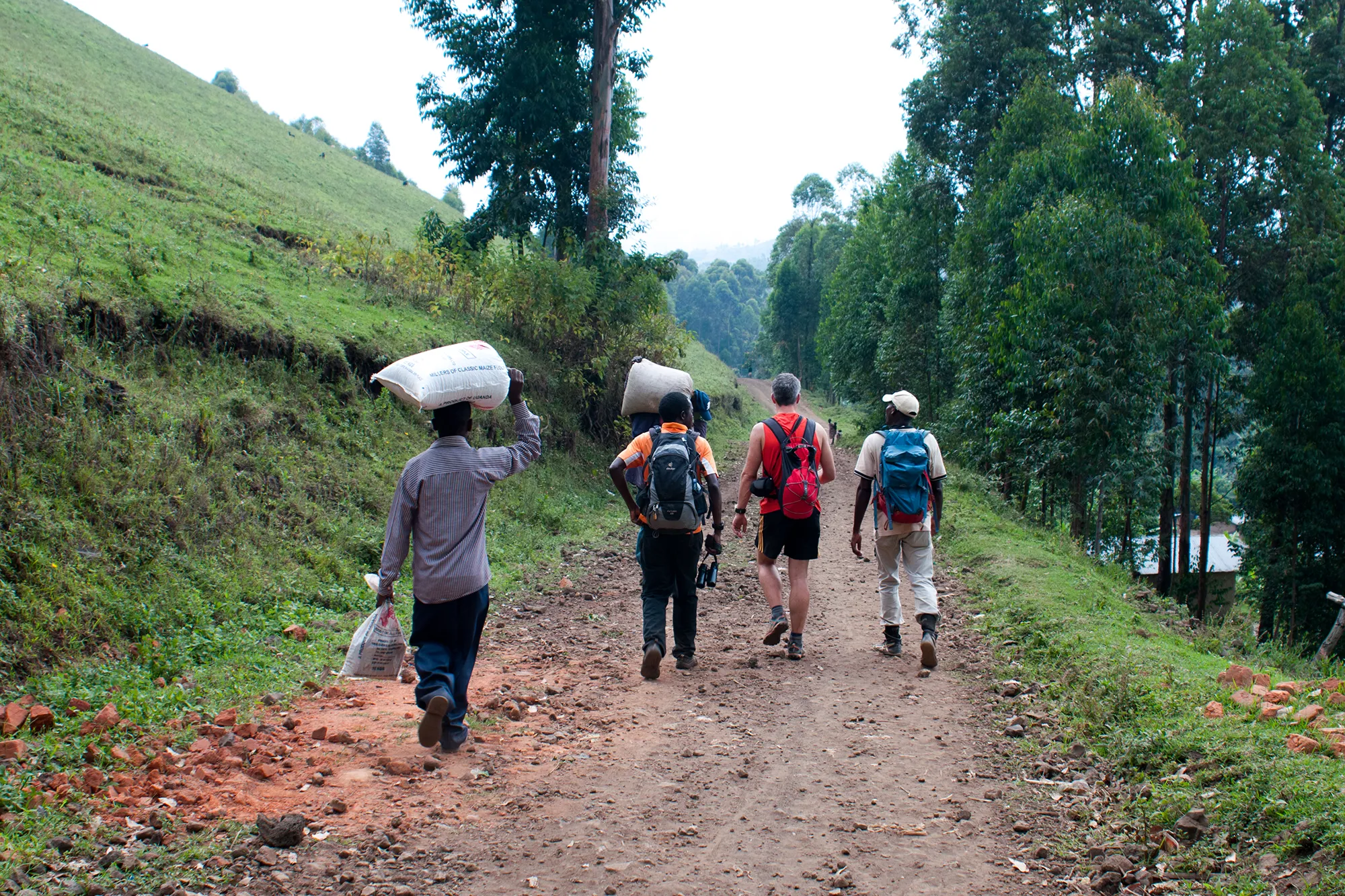
Walking Safaris in Uganda
Compare wildlife walks, forest trails, crater scenery and highland hiking experiences.
Explore the Guide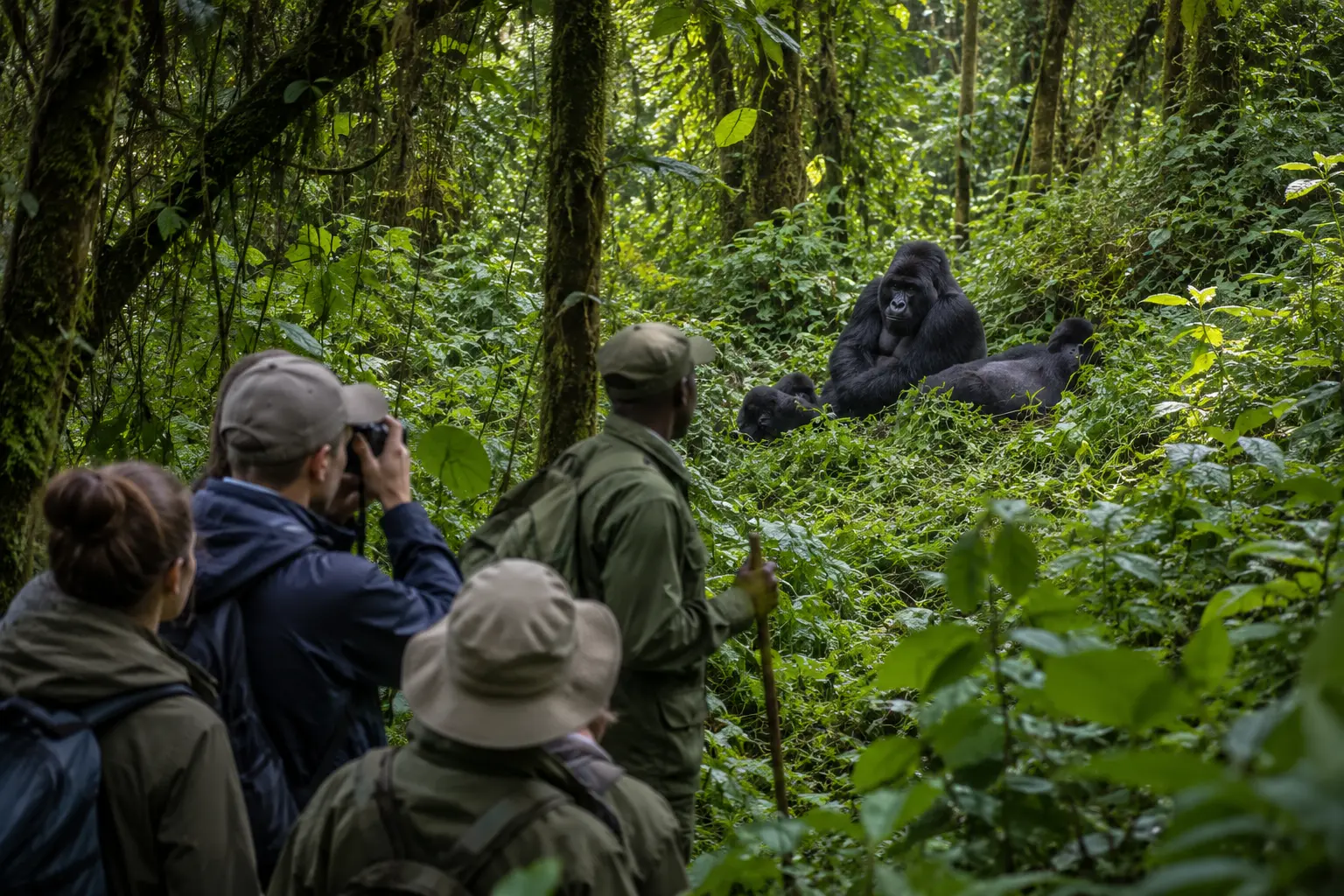 5 Days
Uganda Gorillas and Jinja Rafting Safari
Explore a Jinja-based adventure combination and ask about adding a Mabira forest stop.
Explore This Safari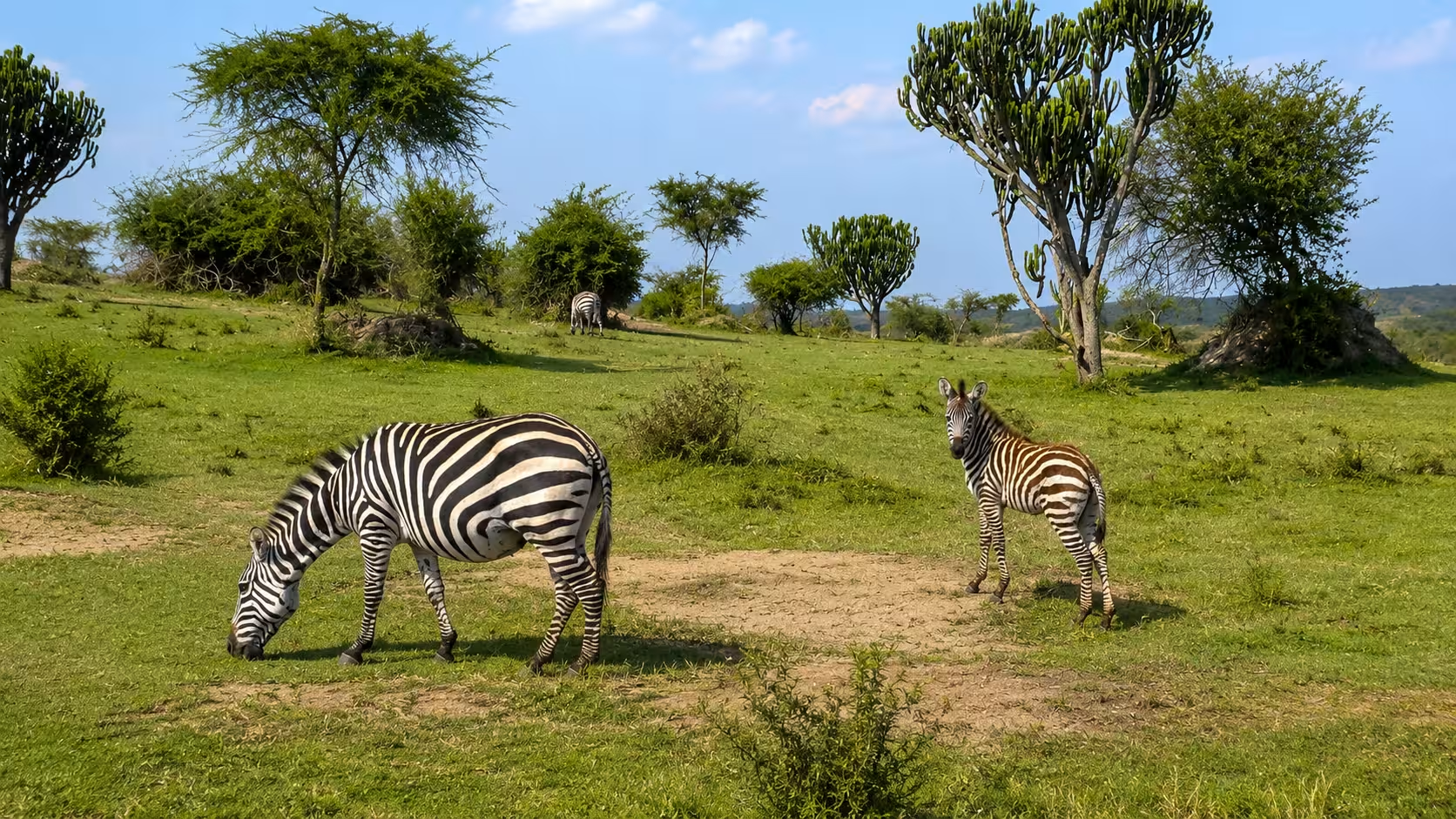 4 Days
Lake Mburo and Lake Bunyonyi Safari
Explore a southwestern route with the option to request a ranger-led Mburo walk.
Explore This SafariMake time for the forest.
Tell BLS Safaris where you are starting, how long you want to walk and what interests you most. We will help arrange the right guide, trailhead and travel schedule.