
Tarangire National Park is one of the most rewarding wildlife stops on Tanzania’s northern safari circuit. It sits within the Maasai Steppe, close to Lake Manyara, Ngorongoro Crater and Serengeti National Park, which makes it easy to include in a short safari or a longer northern route. The park covers about 2,850 square kilometres, making it one of Tanzania’s larger national parks. From Arusha, you reach it in about 2 hours by road. It is also about 1.5 hours from Ngorongoro Crater and roughly 4 hours from the Serengeti, depending on the route and stops along the way.
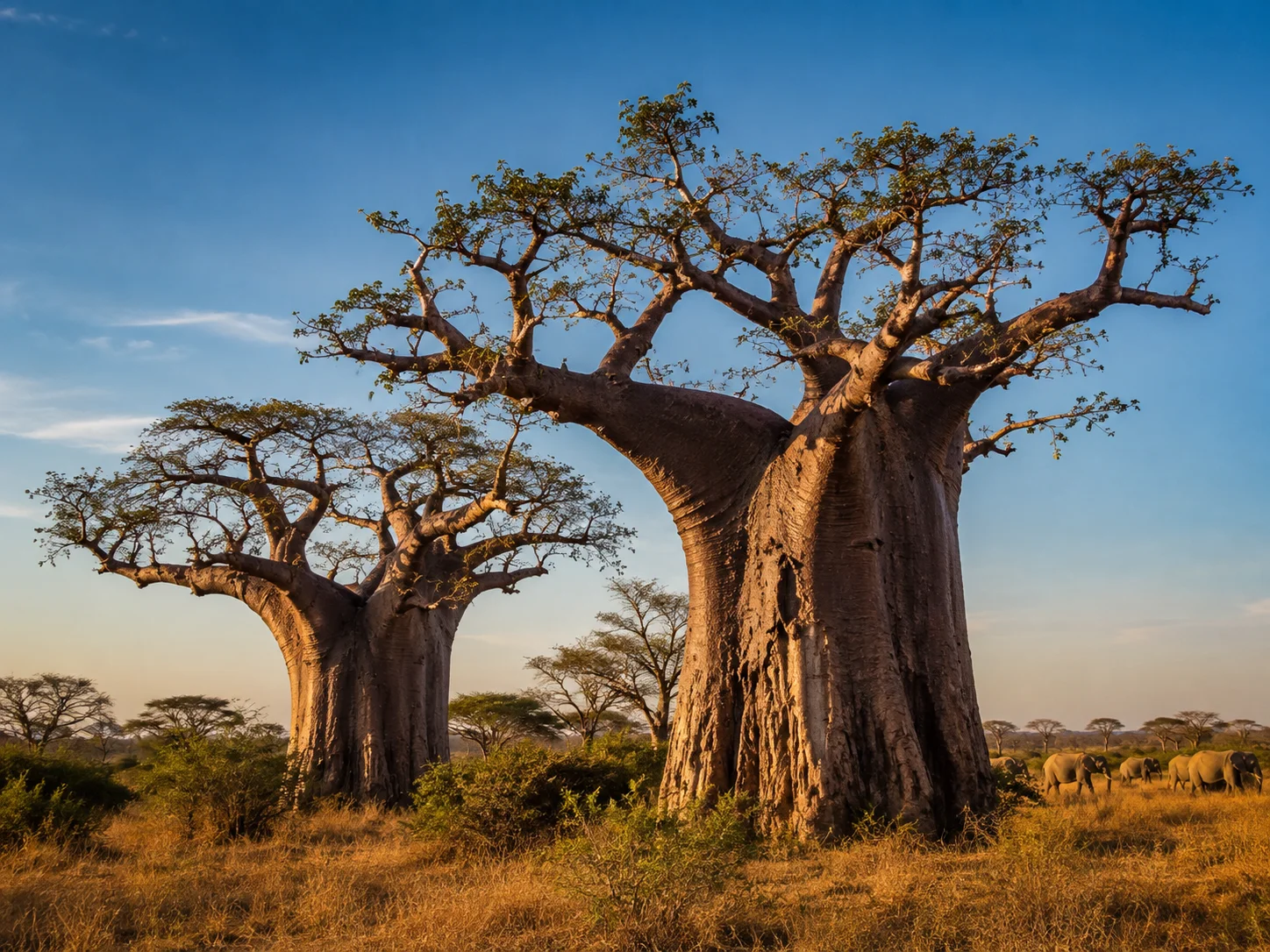
What gives this park its character is the landscape. You drive through wide valleys, ridges, swamps, acacia woodland, Combretum woodland, seasonally flooded grassland, and huge baobab trees. The baobabs are part of the soul of the place. They rise above the plains like old guardians of the bush, giving the landscape a rugged northern Tanzania feel that is very different from the open Serengeti plains or the crater floor of Ngorongoro.
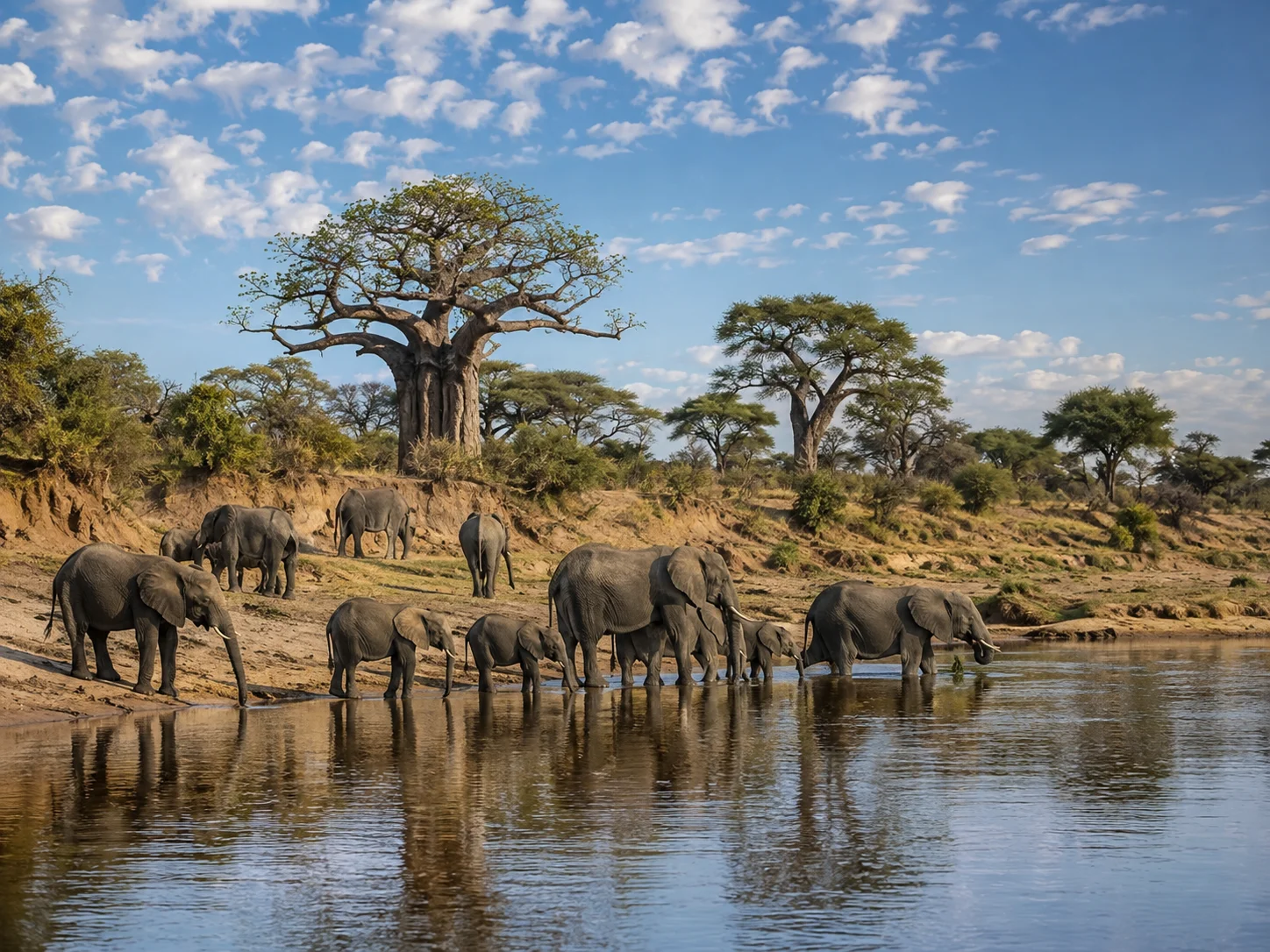
The park takes its name from the Tarangire River, the main water source running through the area. In the dry season, this river becomes the centre of life. Animals move in from the surrounding Maasai Steppe, and the riverbanks fill with elephants, buffaloes, zebras, antelopes and predators waiting nearby.
This is one of Tanzania’s best elephant parks. Herds can reach up to 300 elephants, and around 5,000 elephants move into the area during peak migration. You also have a strong chance of seeing giraffes, buffaloes, zebras, elands, Coke’s hartebeests, greater and lesser kudu, Bohor reedbuck, Thomson’s gazelles, gerenuk and fringe-eared oryx.
Predators add the drama. Lions, leopards, cheetahs and hyenas all bring energy to the game drives, especially when wildlife gathers near water in the dry months. Birding is also excellent, with more than 500 bird species recorded. Lovebirds, starlings, kori bustards, ostriches, raptors and many woodland birds keep the safari interesting even between the bigger sightings.
Around Kolo, you can also visit ancient rock paintings, adding a cultural and historical layer to the journey. If you want elephants, baobabs, predators, birds, open country and a park that still feels less crowded than the Serengeti or Ngorongoro, this is one of the finest places to begin or end a Tanzania safari.
Giant Baobab Trees in Tarangire National Park
Top Attractions in Tarangire National Park
This park gives you more than a standard game drive. You have giant baobabs, wide swamps, strong dry-season wildlife movement, rich birdlife, and some of the biggest elephant gatherings in East Africa. The river is the lifeline. When the surrounding country dries out, animals move towards the river, Silale Swamp, Lemiyon Triangle, Matete Woodlands and Kitibong Hill. Each area gives your safari a different mood, and that is what keeps the day interesting from morning to evening.
Silale Swamp
Silale Swamp is one of the standout areas in the park. In the green season, it works like a huge sponge, taking in water and releasing it slowly into the dry months. That makes it a powerful wildlife area when water becomes scarce elsewhere. Herbivores gather here, followed by predators such as lions, leopards and African wild dogs. Elephants and Cape buffaloes also use the wetlands heavily. The swamp is also excellent for birdlife, with species such as Donaldson-Smith’s nightjar and vulturine guineafowl recorded around the area.
Giant Baobab Trees
Few sights stay with you like the giant baobabs here. These ancient trees shape the identity of the park. They stand above the plains with massive trunks and bare-looking branches, giving the landscape that wild, old, unmistakable look. Across Africa, the baobab is widely known as the Tree of Life because it stores water in its trunk. Some trees can hold up to 300 litres of water, live for as long as 600 years, and produce fruit and seeds that help feed wildlife during tougher months. Elephants rub and sharpen their tusks on the bark. Many visitors also enjoy the old story that the baobab looks as if it was planted upside down, which explains its strange and beautiful shape.
Birding in the Park
This is one of Tanzania’s finest birding destinations, with around 500 bird species. Even if you are not a serious birder, you will notice the birds here. They are in the baobabs, along the river, around the swamps, across the grasslands and inside the woodland. Birds to look out for include crested francolins, hoopoes, yellow-necked spurfowls, hornbills, guinea fowl, steppe eagles, brown parrots, lappet-faced vultures, white-bellied go-away birds, bateleur eagles, mousebirds, kori bustards, yellow-collared lovebirds, bee-eaters and starlings. If birding matters to you, give this park proper time on your itinerary.
Seasonal Wildlife Movement
The park has its own seasonal wildlife movement, and this is one of the reasons the dry months feel so alive. From June to October, much of the wider region becomes dry. Animals move towards the park because the river remains a dependable water source. During this period, elephants, wildebeests, zebras, hartebeests and gazelles enter in large numbers. Lions, leopards and other predators follow close behind. When the rains return from November to May, many herds spread out again across the Maasai Steppe and towards the Lake Manyara side of the ecosystem.
Elephant Herds
This is one of the best places in Tanzania to watch elephants. In the dry season, large herds move through baobab country, gather around the river and cross the plains in family groups. One of the most memorable sights is watching elephants dig into the dry riverbed in search of underground water. You see how intelligent and patient they are, using their feet and trunks to reach water hidden below the sand. Even when the rains spread animals across the wider landscape, elephants remain one of the strongest wildlife experiences here.
Elephants drinking water from Tarangire River in Tarangire National Park
Tarangire River
The Tarangire River is the heartbeat of the park. It is the main water source for the ecosystem and one of the best places to watch wildlife in concentration. In the dry season, animals gather along the riverbanks to drink, cool off and wait out the heat. Elephants are the major draw, but you can also see wildebeests, zebras, buffaloes, gazelles, lions and leopards along the river corridor. If you want classic dry-season game viewing, this is one of the first places we focus on.
Poacher’s Hide
Poacher’s Hide is one of the more unusual attractions in the park. It lies southwest of Tarangire Hill, about 100 metres west of the park’s main north-south road. The feature itself is an old baobab with a hidden entrance and an inside chamber once used as a hideaway by poachers. The tree is thought to be more than 300 years old and has a diameter of around 10 metres, making it one of the oldest and most interesting trees in the park. It is not just a photo stop. It gives you a small window into the park’s past and how conservation has changed the story of this landscape.
Lemiyon Triangle
Lemiyon Triangle is a quieter corner in the northern reaches of the park. This area is known for massive baobab trees, open scenery, and huge flocks of red-billed quelea. It is also a good place for raptor viewing, so keep your binoculars ready if you enjoy birds of prey. Its quieter feel adds something special to the safari. You get the sense that you are seeing a less-travelled side of the park.
Matete Woodlands
Matete Woodlands is one of the best places for travellers hoping to find leopards. The habitat here includes elephant grass, prickly reeds and acacia tortilis trees, creating good cover for cats. It also gives this part of the park a different look from the more open plains. This area also gives you a chance to see the uncommon oryx antelope, adding another layer to the wildlife experience.
Kitibong Hill
Kitibong Hill is good for both scenery and wildlife. This part of the park is known for large Cape buffalo herds and sightings of endangered African wild dogs. Packs of wild dogs can be seen here in groups of 6 to 20, which is always a thrilling sight when luck is on your side. The open acacia plains around the hill also make it a good place to watch buffalo moving across the landscape in impressive numbers.
Wildlife Around the Key Areas
One reason this park stands out is the variety of wildlife tied to its different habitats. Along with elephants, you can see impalas, elands, giraffes, buffaloes, Bohor reedbucks, Coke’s hartebeests, Thomson’s gazelles, greater kudu, lesser kudu and, on rarer sightings, gerenuk and fringe-eared oryx. A few black rhinos are also thought to remain in the wider ecosystem. Lions, leopards, hyenas, cheetahs and wild dogs add predator interest, while hippos can be seen around wetter sections. With more than 500 bird species, the park’s appeal goes far beyond mammals alone.
Things to Do in Tarangire National Park
Tarangire gives you a rich mix of safari activities. You can enjoy classic game drives along the river, walking safaris, bird watching, night drives, balloon safaris and cultural visits around the greater area. Every activity shows you a different side of the park: elephants in baobab country, birds around the swamps, predators near the river and quiet wilderness in the southern areas.
Game Drives
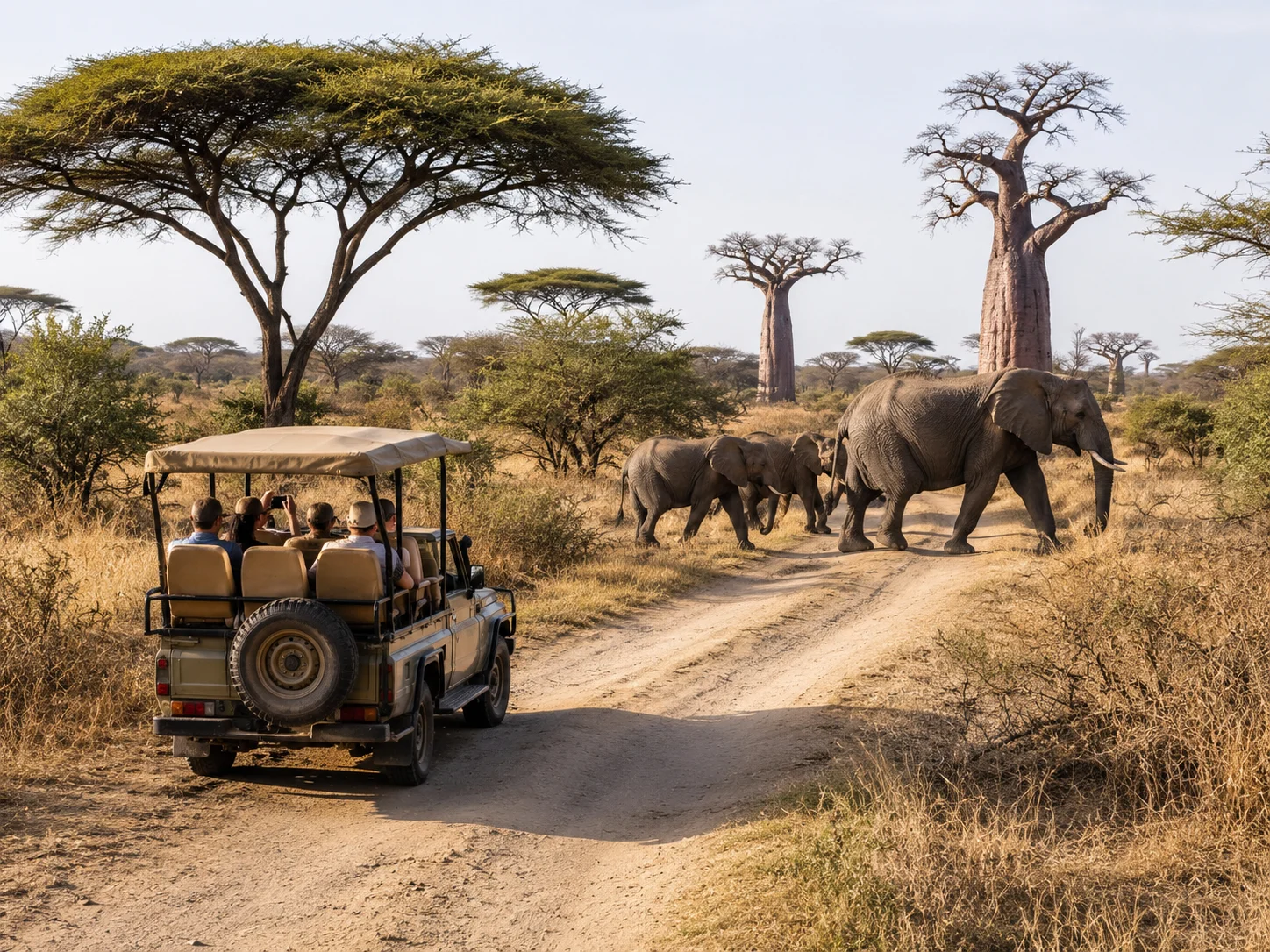
Game drives are the main activity and the best way to explore the park’s different habitats in one safari. A good drive takes you through open savannah grasslands, acacia woodland, riverine forest, baobab country, seasonal swamps and the river corridor. From July to October, game drives are at their best because the surrounding plains dry out and wildlife moves closer to permanent water.
This is when you see big elephant herds, wildebeests, zebras, giraffes, buffaloes, gazelles, hartebeests and antelopes in strong numbers. Lions, leopards, cheetahs, hyenas and wild dogs follow the movement of prey, giving this park some of the most rewarding predator viewing in northern Tanzania.
A game drive here is not only about big animals. Slow down near termite mounds, acacia thickets and river edges, and you start seeing the smaller details: dik-diks moving through the undergrowth, rock hyraxes sunning themselves, elephants digging into sand for water and birds calling from baobab branches above you.
Game drives in Tarangire, Tanzania
Walking Safaris
A walking safari gives you the park from ground level. Instead of watching everything from a vehicle, you move with an armed ranger and learn to read the bush properly. You start noticing tracks in the sand, fresh dung, broken branches, wildflowers, insects, medicinal plants and the quiet signs that show which animals passed through before you arrived.
Walking works well when you want a deeper understanding of the landscape. You feel the size of the baobabs, hear the forest sounds more clearly and notice the smaller life that gets missed during a normal game drive. These walks are arranged only in approved areas and through properties or operators with the correct park permissions, so they need to be planned.
Night Game Drives
Night drives show you a completely different side of the park. After sunset, the bush changes its rhythm. Nocturnal animals become active, predators begin to move, and the air carries sounds you never hear during the day. This is the time to look for genets, civets, bush babies, nightjars, owls, hunting cats and predators using the darkness to their advantage. Not every lodge or camp can operate night drives. These drives are allowed only through approved properties and areas that meet park regulations. For that reason, your accommodation choice matters if a night safari is one of the experiences you want included.
Balloon Safaris
A hot air balloon safari gives you a wide, quiet view of baobab country from above. You rise over treetops, baobab crowns, river lines, open grasslands and wildlife moving below. From the air, you begin to understand the shape of the park: the river, the swamps, the valleys and the open plains all spread out beneath you. From the balloon, you can look down on elephants, lions, antelopes, giraffes and other wildlife crossing the plains. It is a beautiful choice for photography and for travellers who want something slower, scenic and memorable before returning to the ground for the rest of the day’s safari.
Bird Watching
Bird watching is excellent here because the habitats change so much across the park. The river, marshes, woodlands, baobabs and seasonal wetlands create strong birding conditions. Look out for yellow-collared lovebirds, kori bustards, hornbills, hoopoes, crested francolins, yellow-necked spurfowls, brown parrots, steppe eagles, bateleur eagles, lappet-faced vultures, white-bellied go-away birds, mousebirds, bee-eaters, guinea fowl and starlings. Wet-season birding from around February to March is especially rewarding because migrants from Europe and Asia add more activity around the swamps and riverine areas.
Cultural Visits Around the Park
Cultural visits add another layer to your safari. The surrounding area is home to Maasai communities who have lived alongside this wildlife-rich landscape for generations. A visit to a Maasai boma gives you time to see local homesteads, beadwork, song, dance, cattle culture and traditional ways of life connected to the wider ecosystem. You can also combine the park with cultural experiences around Mto wa Mbu, where communities, farms, local markets, food experiences and craft stops give you a broader picture of northern Tanzania beyond wildlife. These visits work well before or after your park safari, depending on your route.

Maasai village visits
Kolo Rock Paintings
The Kolo Rock Paintings are a good add-on for travellers who want culture and history beside their wildlife safari. Located outside the park in the greater Kondoa area, these ancient rock art sites give insight into early human expression and the long history of people living across this part of Tanzania. A visit to Kolo works best on a longer itinerary rather than a short game-drive day. It connects the safari not only with elephants and baobabs, but also with the human story of northern Tanzania.
Nearby Add-On Activities
This park combines well with several nearby experiences. You can add Maasai village visits, Mto wa Mbu cultural tours, Lake Manyara mountain biking and Hadzabe cultural experiences, depending on your wider route. These are not all inside the national park itself, but they strengthen a northern Tanzania itinerary when you want wildlife, culture, scenery and activity in one journey.
Best Time to Visit Tarangire National Park
Tarangire National Park is open all year, but the safari experience changes clearly between the dry season and the green season. For classic wildlife viewing, the strongest months are June to October, with July to October standing out for heavy animal concentrations around the river and Silale Swamp. This is when the surrounding Maasai Steppe dries out, water becomes scarce outside the park, and animals move back towards the river corridor.
Dry Season, June to October
The dry season is the peak wildlife season. As water reduces across the wider landscape, elephants, wildebeests, zebras, elands, hartebeests, buffaloes, oryx, gazelles and other grazers gather near the river, Silale Swamp and remaining water points. The grass is shorter, the vegetation is thinner, and game drives become more productive because animals are easier to find.
This is the season that gives the park its famous elephant reputation. Large herds move through river valleys and baobab country. By September and October, sightings of big elephant groups are at their strongest. During this period, the park feels full of movement, dust, sound and heavy wildlife traffic. Predator viewing is also strong in the dry months. Lions, leopards, cheetahs, hyenas and wild dogs follow prey towards the river and open grazing areas. The dry season comes with dust, higher demand and busier safari routes, but if you want the most reliable game viewing, this is the right window.
Green Season, November to May
The green season begins around November and December, when the first rains freshen the plains and bring the park back to life. Dry browns soften into green grass, wildflowers appear, rivers swell, and the baobab and acacia landscapes become more scenic. November can still be fairly dry before the short rains build, and it can bring better rates than the busiest safari months.
From November to February, the park is green and full of new life. Wildebeests and zebras can be seen giving birth, and many resident animals remain in the area. The large dry-season concentrations spread out as water becomes available across the Maasai Steppe and Rift Valley floor, so wildlife is less concentrated than from July to October. By March, the park is lush. Wildflowers are out, butterflies rise in large numbers, and birding becomes excellent. Migrant birds arrive, resident birds move into breeding plumage, and the swamps and riverine areas become active with birdlife.
The heaviest rains fall around April and May. These months bring the deepest green scenery, fewer visitors and lower demand, but road conditions can become more difficult, and some camps close. For photography, birds, quiet landscapes and lower rates, the green season works well. For concentrated wildlife and big elephant herds, choose the dry season from June to October, with September and October giving the strongest chance of seeing the park at its most dramatic.
Where to Stay in Tarangire National Park
Where you stay shapes the whole safari. Most travellers base themselves in the northern part of the park near the river, where access is easier and game drives reach the main wildlife areas quickly. The south is also beautiful, with quieter landscapes, deep wilderness, baobab country and a stronger feeling of being away from the busier northern routes.
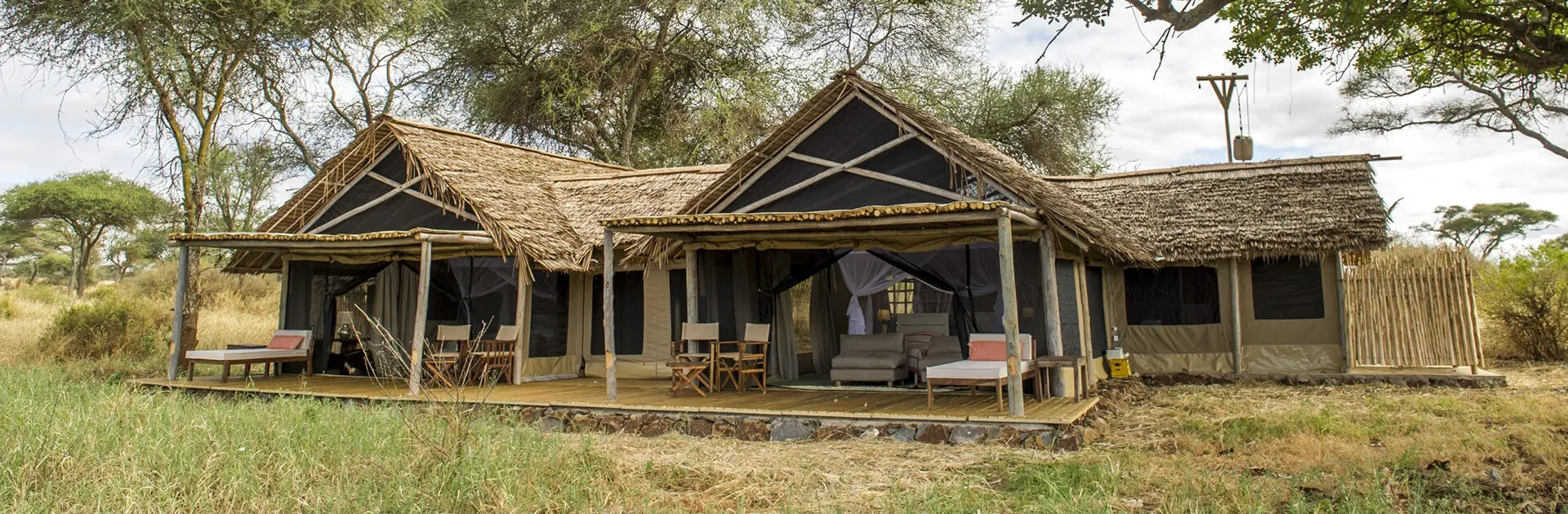
Accommodation is mainly made up of tented safari camps, river camps, lodges and tree-house style properties. Some sit inside the park, giving you fast access to early morning and late afternoon game drives. Others sit just outside the boundary, giving good access with a wider choice of facilities and views.
Kuro Tarangire
Level
LuxuryBest For
Travellers who want an intimate tented safari feel inside the park, strong guiding and access to quieter game-viewing areas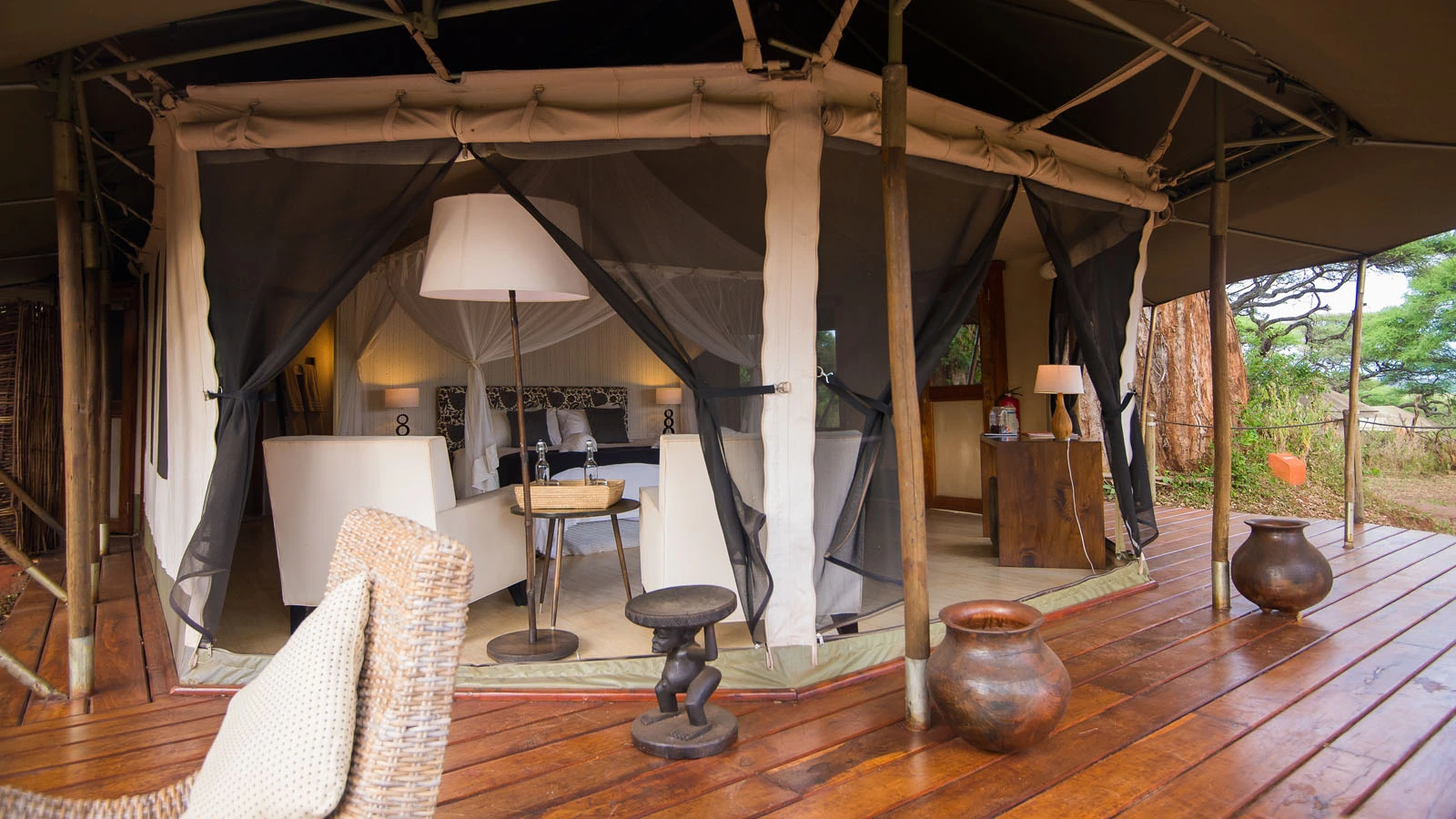
Swala Safari Camp
Level
LuxuryBest For
Guests looking for a refined wilderness camp with elephants, baobabs, predators and classic game drives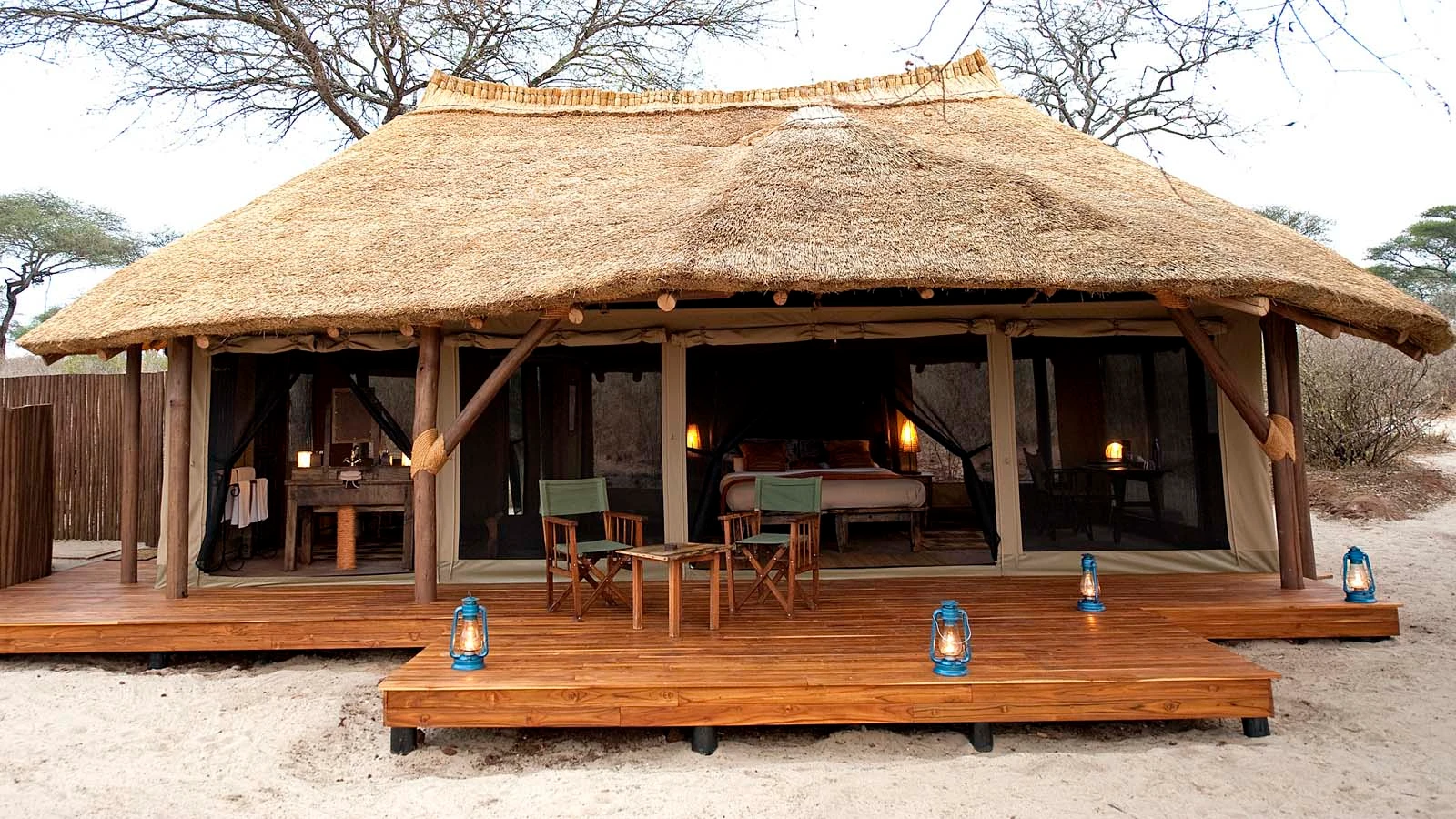
Oliver's Camp
Level
LuxuryBest For
Travellers who want a deeper safari experience, with walking safaris and fly camping where arrangements allow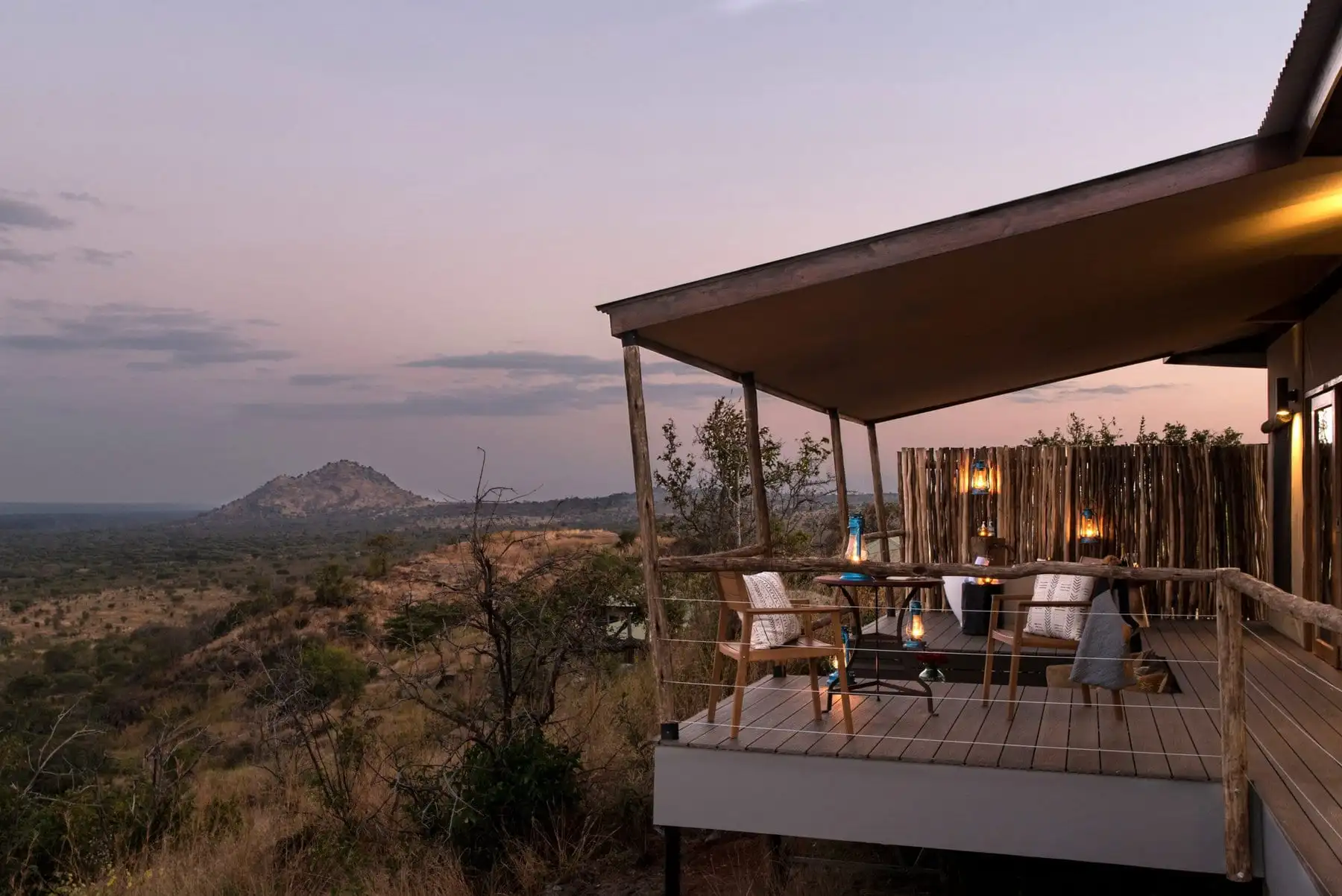
Lemala Mpingo Ridge
Level
LuxuryBest For
Honeymooners, private safari guests and travellers who want elevated views, stylish rooms and a polished safari base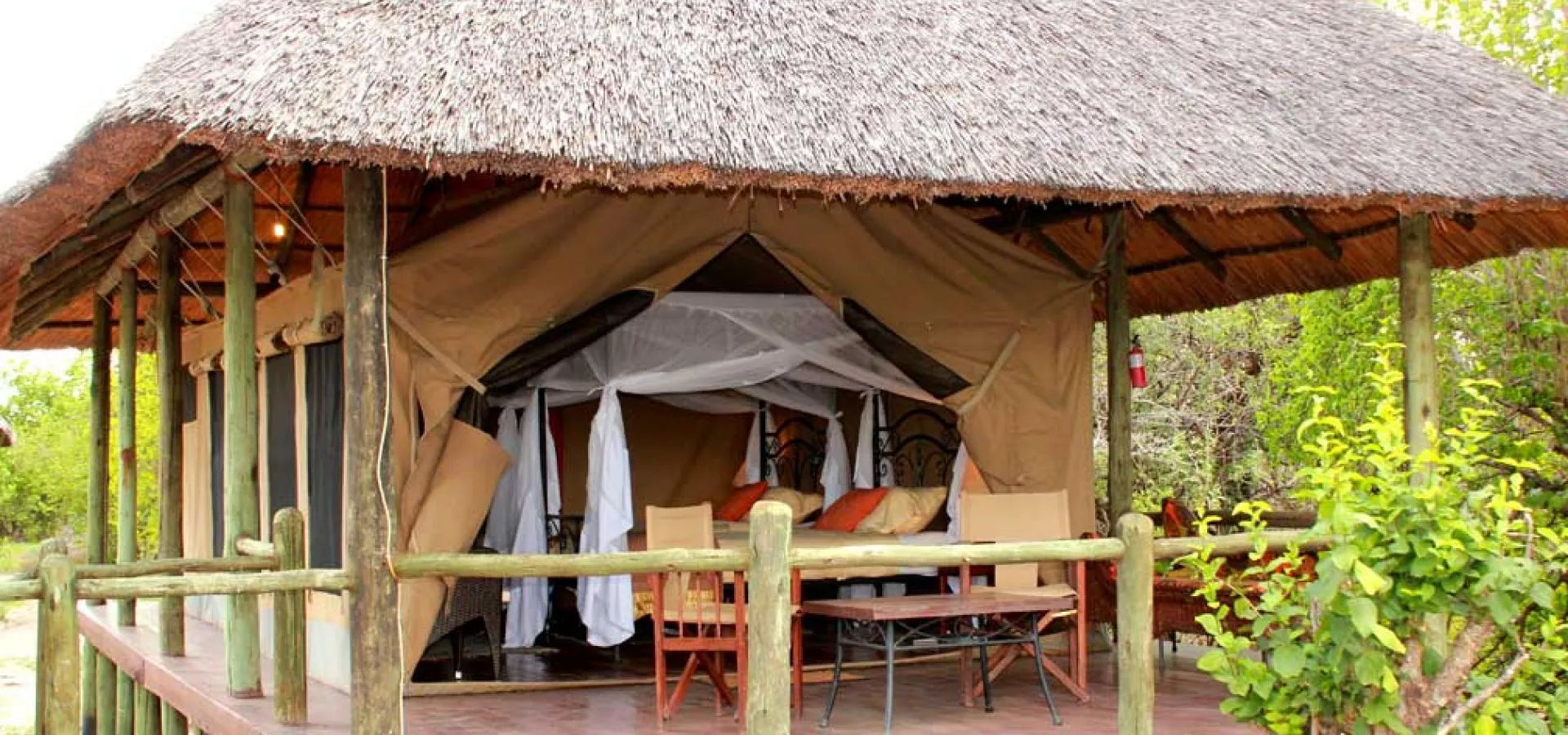
Mbali Mbali Tarangire River Camp
Level
MidrangeBest For
Travellers who want comfort, river scenery, a swimming pool and easier access to northern game-viewing areas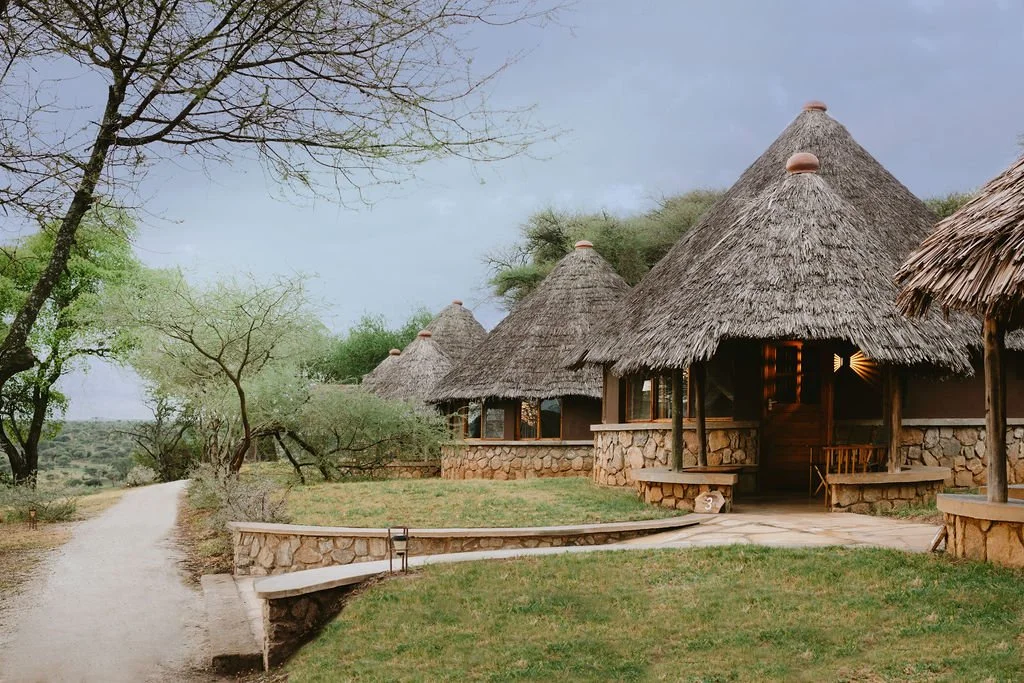
Tarangire Safari Lodge
Level
MidrangeBest For
Guests looking for a reliable classic safari lodge with comfort, simplicity and strong access to the main safari routeHow to Get to Tarangire National Park
Tarangire is one of the easiest parks to reach on Tanzania’s northern safari route. It sits within a comfortable driving distance of Arusha, close enough for a short safari but rich enough to deserve more than a quick stop. Most travellers reach the park by road from Arusha. Guests with limited time can fly into northern Tanzania and continue by road or light aircraft, depending on the final safari route.
Getting There by Road
The most common way to reach the park is by road from Arusha. The drive takes about 3 hours, depending on traffic, road conditions, stops and vehicle type. With a direct safari transfer and no long detours, the journey is smooth enough for travellers starting their northern Tanzania safari from Arusha.
Road transfers are normally done by private safari vehicle, shuttle arrangement or hotel-organised transport. For safari travellers, a private 4×4 is the better choice because it gives you comfort, luggage space and a driver who understands the route, park entry timing and onward connections to Lake Manyara, Ngorongoro or Serengeti. If you are coming from Arusha, your driver takes you through the main road network towards the park area before entering for your game drive or lodge transfer.
This route works well for short safaris and longer northern circuit itineraries. The park is close enough to combine with nearby destinations, making it a good first stop before continuing to Lake Manyara, Ngorongoro Crater or Serengeti National Park. Before travelling by road, make sure your driver or tour operator has the right documents, a valid driving permit, identification and a properly prepared safari vehicle. This matters because the drive involves highway sections, rural roads, park access procedures and timing around entry gates.
Flying to the Park
Flying works well when you want to save time or connect this area with other safari destinations in Tanzania. International travellers can arrive through Kilimanjaro International Airport near Arusha or Julius Nyerere International Airport near Dar es Salaam, then continue by domestic flight or road transfer. From Arusha, the flying distance to the area is roughly 29 miles, depending on the airstrip and routing used. Small aircraft are commonly used for safari connections, and your driver or safari escort meets you on arrival to continue to your lodge or into the park.
Travellers can also arrive through Dar es Salaam, connect onward to Arusha, and continue by road. Some guests entering Tanzania through Nairobi continue overland to Arusha before beginning their safari, though this route needs careful timing because of border formalities and transfer coordination. For air travel, book early and allow enough time between international arrivals, domestic connections and road transfers. Your safari team can match the best routing to your lodge location, budget and full itinerary.
Tarangire Safari Routes and Nearby Parks
Tarangire sits in one of the best positions on Tanzania’s northern safari circuit, making it easy to combine with Lake Manyara, Ngorongoro Crater and Serengeti National Park. From Arusha, the park is about 2 to 3 hours by road, making it a strong first stop before moving deeper into the northern parks. It also sits about 1.5 hours from Ngorongoro Crater and roughly 4 hours from Serengeti National Park, depending on the route, gate timing and stops.
A good route gives you a strong change of scenery in a short time. You begin with baobab country, elephant herds, acacia woodland, river valleys, ridges, swamps and the river. Then you continue into lake country, crater highlands or the open Serengeti plains. That is why this park works well for short Tanzania safaris and longer northern circuit itineraries.
Tarangire and Lake Manyara National Park
Tarangire and Lake Manyara work very well together because the two parks sit close to each other and give you different safari moods in one route. Tarangire brings the dry-country feeling, with big baobabs, open grassland, elephants, buffaloes, giraffes, zebras, antelopes and predators gathering around the river during the dry months. Lake Manyara adds a softer landscape of groundwater forest, lake views, escarpment scenery, birds and lakeshore wildlife.
This pairing works well when you want a short northern Tanzania safari without rushing too far into the circuit. You can start from Arusha, spend time in the park, then continue towards Lake Manyara before moving on to Karatu or Ngorongoro. For travellers with limited time, this can form a compact 2- to 3-day safari route. One park gives you stronger big-game viewing, while the other adds scenery, birdlife and a different habitat.
Tarangire and Ngorongoro Crater
Tarangire and Ngorongoro Crater are one of the strongest short combinations in northern Tanzania. Tarangire gives you a wilder, more open safari setting with elephants, baobabs, seasonal swamps and the river. Ngorongoro Crater brings a completely different experience inside one of Africa’s most famous volcanic landscapes. The drive between the two takes about 1.5 hours, making this route easy to arrange without losing too much safari time on the road.
A good flow is to begin with Tarangire, then continue towards the Ngorongoro highlands for an overnight stay before descending into the crater the next morning. This route works well because the wildlife experiences do not repeat each other. In Tarangire, animals move with the seasons and gather strongly around water in the dry months. In Ngorongoro, the crater floor holds a high concentration of wildlife in a smaller enclosed landscape. For travellers who want elephants, baobabs, crater scenery, lions, buffaloes, zebras, wildebeest and a strong chance of seeing black rhino, this is one of the best short safari combinations in Tanzania.
Tarangire and Serengeti National Park
Tarangire and Serengeti give you a longer, fuller Tanzania safari route. The drive from Tarangire towards Serengeti takes around 4 hours, depending on the route, road conditions and where you are staying. Most travellers connect the two parks through the Ngorongoro highlands, making the journey part of the safari rather than just a transfer.

Great Wildebeest Migration in the Serengeti
Tarangire gives you a strong sense of place before you reach the Serengeti plains. You see elephants moving through baobab country, wildlife drinking along the river and dry-season herds gathering where water remains. Serengeti then opens the journey into larger plains, big-cat country and the wider migration route.
This combination is best when you have enough time for a proper northern Tanzania safari. Tarangire is a strong first park because it gives you quick access from Arusha and excellent wildlife viewing before the longer journey west. From there, your route continues through Ngorongoro and into Serengeti for a richer safari that includes river valleys, crater highlands, open plains, predators, and seasonal migration movement.