The Masai Mara National Reserve is in southwestern Kenya, where it forms the northern extension of Tanzania’s Serengeti National Park. The reserve is only one part of the wider Mara landscape: nearby conservancies have different boundaries and safari options. Knowing the difference helps you picture where you’re going and choose an experience that fits your plans.
The Great Migration draws plenty of attention, but there’s more to consider than herd timing. The Masai Mara National Reserve and nearby conservancies offer different ways to explore the area, while wildlife viewing and land-use pressures also shape the experience.
This guide explains where the Masai Mara is, how the reserve differs from conservancies, which wildlife and safari activities you may encounter, and what pressures affect the landscape. First, we’ll look at the location, then at how these areas are managed and what that means when planning a safari.
Key Takeaways
- Locate the Mara in southwestern Kenya and understand how it connects to Tanzania’s Serengeti ecosystem.
- Plan around migration patterns: wildebeest usually enter the area in July or August, while river crossings are most likely in August and September.
- Understand how the national reserve and nearby conservancies differ, including the safari activities available in each.
- Explore options such as game drives and hot-air balloon flights, and learn how land use and wildlife threats affect the region.
- Use the area’s geography and seasonal patterns to shape a safari that fits your interests.
Land-use pressures and wildlife threats
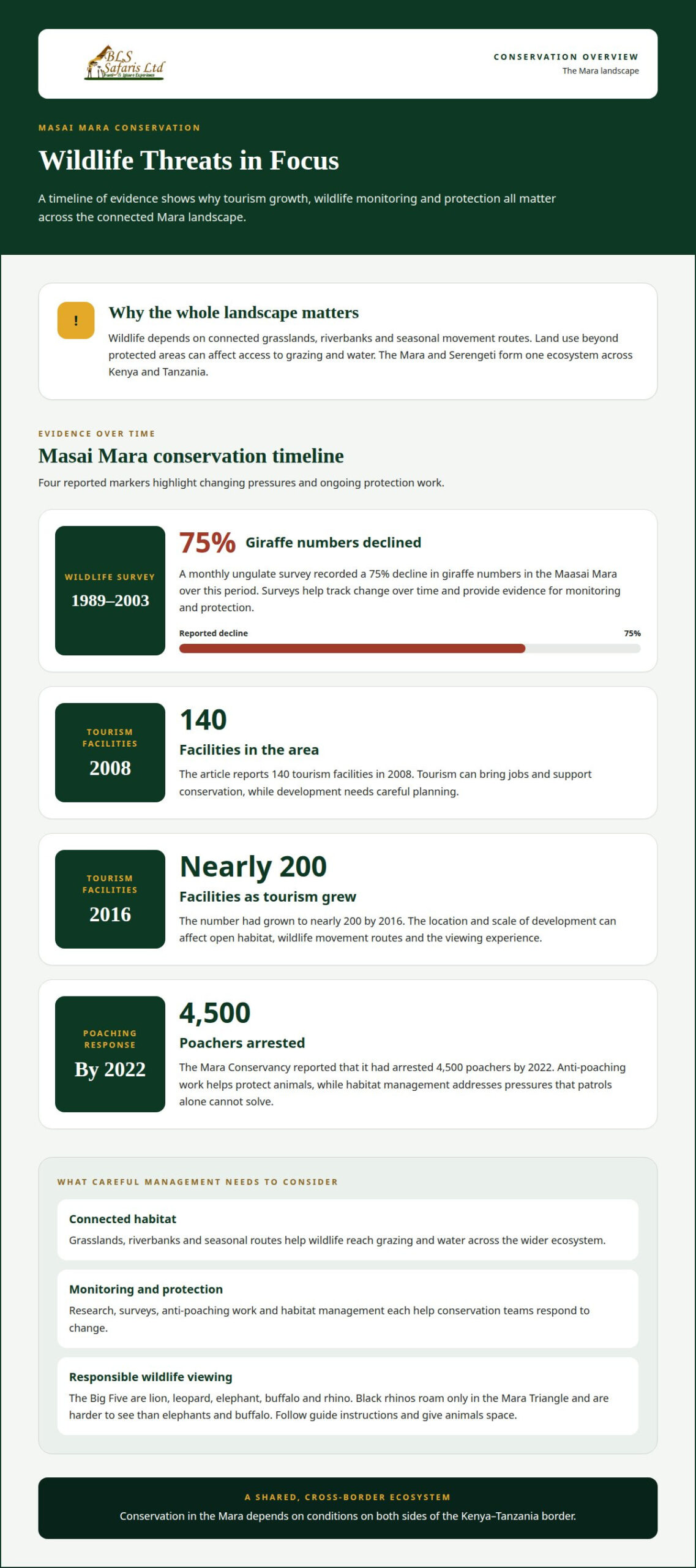
The Mara’s wildlife depends on connected grasslands, riverbanks, and seasonal movement routes. Land use beyond protected areas can affect how animals reach grazing and water. The Serengeti and Mara form one ecosystem, so conservation depends on conditions on both sides of the Kenya-Tanzania border. The safari landscape is closely connected to the communities and land uses around it.
Tourism growth is one pressure to manage. The area had 140 tourism facilities in 2008, and the number grew to nearly 200 in 2016. More camps and lodges can bring jobs and support conservation, but development also needs careful planning. Its location and scale can affect open habitat, movement routes, and the experience of wildlife viewing.
Population figures also show why ongoing wildlife research matters. Giraffe numbers in the Maasai Mara declined by 75% between 1989 and 2003 in a monthly ungulate survey. Such surveys help track changes over time and identify species that need attention. They give conservation teams evidence to guide monitoring and protection, rather than relying on occasional sightings alone.
Poaching remains another threat. The Mara Conservancy reported that it had arrested 4,500 poachers by 2022. Anti-poaching work helps protect animals, while habitat management addresses pressures that cannot be solved through patrols alone. Together, research, monitoring, and protection help conservation teams respond to changes across the landscape.
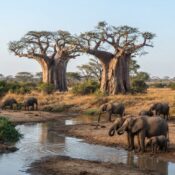
Wildlife viewing can include the Big Five: lion, leopard, elephant, buffalo, and rhino. These animals are present year-round, but sightings depend on movement and habitat. Black rhinos roam only in the Mara Triangle and are harder to see than elephants and buffalo. Patience and a flexible route help, especially when a sighting depends on natural animal behaviour.
Lions, leopards, and cheetahs are among the big cats visitors hope to see. They use different parts of the ecosystem and can be difficult to spot in tall grass or away from roads. A guide can scan likely areas and interpret tracks or movement without disturbing animals. Keep expectations flexible: daily sightings depend on wildlife activity, not a fixed schedule.
When planning, consider how time in the reserve, conservancies, and surrounding areas shapes your wildlife experience. A practical itinerary balances habitat, travel time, and the species you hope to observe; this guide to planning safari days in the Masai Mara can help frame that choice. Responsible viewing also means following guide instructions and giving animals space, particularly around elephants and big cats.
Where is the Maasai Mara?
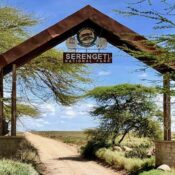
The Masai Mara National Reserve lies in southwestern Kenya, beside Tanzania’s Serengeti. The two protected areas are part of the wider Mara-Serengeti ecosystem, where seasonal rainfall guides grazing animals toward fresh grass. For visitors, this means the migration is a cross-border journey, not an event contained within one reserve. Herds move across open savannah as conditions change through the year.
The Great Migration brings wildebeest north from the Serengeti into the Mara. Around 1.3 million blue wildebeest make this journey around July each year. The wider movement also involves zebra and gazelles, with around 200,000 Grant’s zebras and 500,000 Thomson’s gazelles among the migrating animals. Across the ecosystem, about 2.5 million wildebeest, zebras, and gazelles follow the rains in search of new grass.
The herds’ arrival varies across the migration route. They usually cross from Tanzania’s Serengeti into Kenya’s Mara in July or August, and migration into the Mara typically takes place from July to mid-September. These are broad seasonal patterns, not a set arrival day. Rainfall and available grazing influence herd movements, so their location can shift during the season.
Mara River crossings are a dramatic part of the journey, but only one stage of it. August and September are the most likely months to see wildebeest herds crossing in Kenya. Animals gather near the river before entering the water, while current conditions and herd movement shape what unfolds. A crossing may happen away from the viewing point, so a migration-focused safari benefits from time and route flexibility.
Migration numbers are often described in different ways because sources may count separate species, locations, or parts of the route. One estimate describes a million-plus wildebeest moving into the Mara with zebra and other animals. Another counts around 1.5 million wildebeests arriving each July through October. These figures refer to the migration at a broad scale, rather than promising that every animal will be present in one viewing area.
For a safari that connects Kenya’s Mara with Tanzania’s Serengeti, the route should account for border crossings and seasonal movement. Explore the Serengeti’s role in the migration as part of that regional picture. If you’re shaping a cross-border itinerary, share your safari plans to begin planning around the places and timing that matter to you.
Location and geography of the Maasai Mara
For health and safety, carry any regular medication, follow your guide’s instructions around wildlife, and stay inside the vehicle unless your guide says it’s safe to leave. Pack for changing conditions: rainfall varies across the region, and routes can involve long stretches between places.
The Masai Mara National Reserve lies in southwestern Kenya and covers 1,510 square kilometers. Its coordinates are -1.46°, 35.10°, and the land sits between 1,500 and 2,180 meters above sea level. These details help explain why the Mara is not simply a flat grassland. Open plains, river areas, and higher ground create varied habitats across the landscape.
The Mara-Serengeti ecosystem crosses Kenya and Tanzania, with the Maasai Mara forming the northern extension of Tanzania’s Serengeti National Park. Rainfall varies from about 800 mm per year in the east to 1,200 mm per year in the west. This east-to-west difference shapes the landscape and helps explain why grazing and wildlife movement can vary across the region.
Two landmarks help visitors understand the area. The Mara River runs through the ecosystem, while the Oloololo Escarpment rises along its western side. The Mara Triangle is a distinct part of the reserve, not a separate country or park. These names help you follow safari routes and understand where a particular sighting takes place.
The name Maasai Mara connects the place to the Maasai people and the Maa language. An estimated half a million people spoke Maa in 2008. The reserve’s history also includes more than one formal date: it was established in 1961, while the Maasai Mara Game Reserve was established through legal notice 271 of 1974. The distinction matters when reading about the area’s history and management.
Cultural visits can add context to the wildlife landscape by introducing visitors to Maasai traditions and everyday life. Approach a village visit as an exchange, not a performance. Listen to your local host, ask before taking photographs, and follow guidance about customs and private spaces. These steps help keep the visit respectful and centred on what community members choose to share.
For more on the reserve’s setting and safari options, explore this guide to the Masai Mara National Reserve in Kenya. The Mara’s location also makes it a useful stop on a broader East African journey, linking Kenya’s grasslands with Tanzania’s Serengeti and its changing habitats.
Safari activities, including game drives and hot-air balloon safaris
Game drives are the main way to explore the reserve’s plains, river areas, and wildlife habitats. A drive can last 2-3 hours, giving a guide time to follow tracks and scan for animals such as cheetahs, elephants, and lions. Routes may pass open grassland or the Mara River, with the day’s sightings shaped by animal movement and conditions across the landscape.
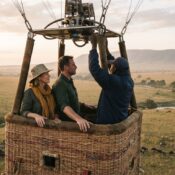
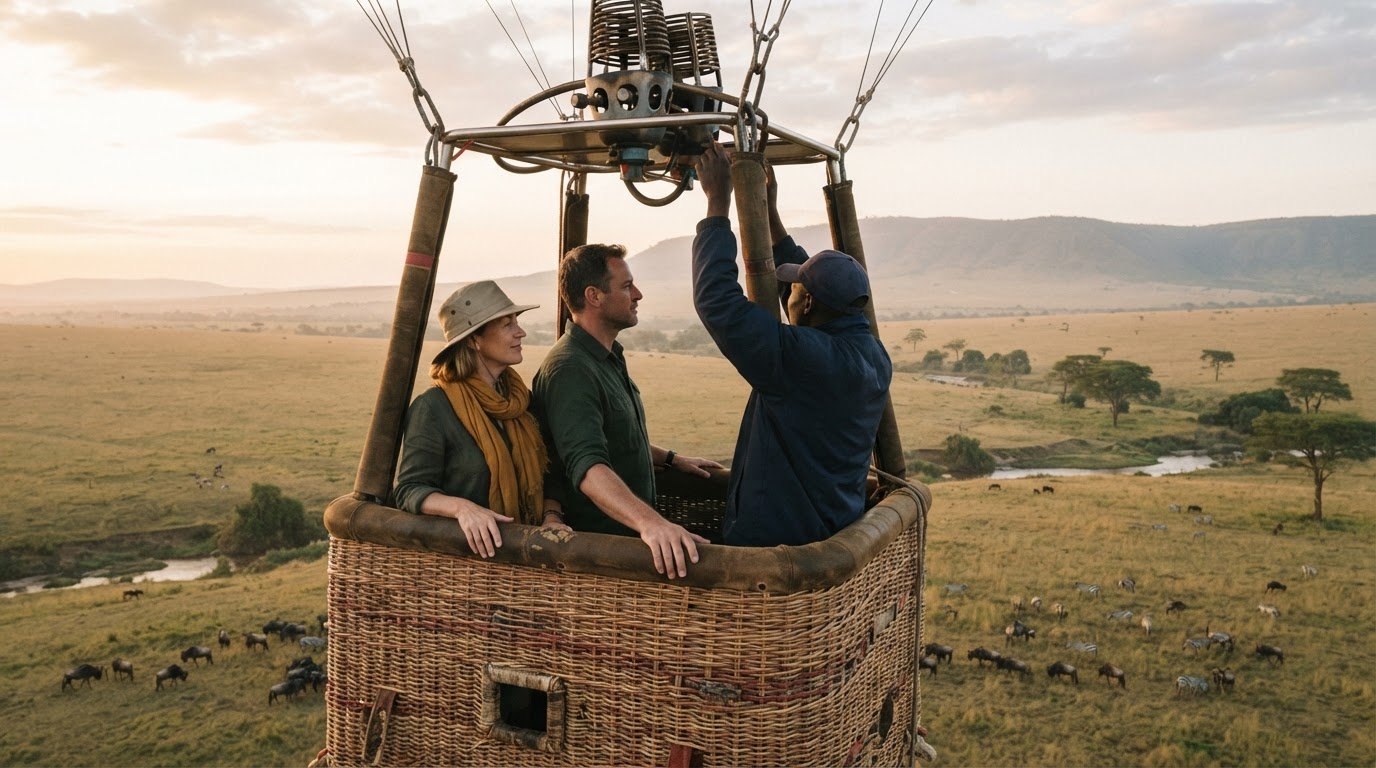
Hot-air balloon flights over the Mara offer a different perspective and last about an hour. From above, you can see the broad sweep of the plains and seasonal patterns, including routes used by migrating herds. A balloon flight is separate from a vehicle safari, so allow time for both if you want to include them in your itinerary.
The reserve is listed as open daily from 6:00 AM to 6:00 PM. Night drives and walking safaris aren’t permitted inside the reserve, though conservancies usually offer these activities. Self-guided game drives are permitted in the Mara Triangle but not in conservancies. In June 2024, reserve authorities banned self-drive activities east of the Mara River.
These differences matter when planning each day. A guided vehicle safari suits visitors who want to explore with a guide, while a conservancy stay can offer walking or night-drive options. Activities depend on where the safari takes place, so don’t treat the reserve and conservancies as identical operating areas.
Migration seasons can shape your activity choices. If wildebeest crossings are a priority, you may want to spend time near the Mara River; a broader wildlife itinerary can include different plains and habitats. A guide can adapt the route to current animal movement and road conditions. In open grassland, scanning carefully matters: a cheetah may be visible at a distance while other animals remain hidden.
Accommodation options include safari camps and lodges in and around the area. Location can affect drive times, access to particular parts of the landscape, and how easily your itinerary combines vehicle drives with other activities. Choose accommodation as part of the overall safari plan, alongside routes, activities, and daily travel.
A practical plan pairs a suitable camp or lodge with guided game drives and any additional activity you value. Decide whether wildlife viewing, a balloon flight, or conservancy activities are your priority, then organize the route around that choice. This helps balance time on the plains, travel between areas, and the reserve’s daily opening hours.
Masai Mara National Reserve and conservancies
The reserve and conservancies are part of the wider Maasai Mara landscape, but offer different safari settings. Understanding their boundaries, management, and activities helps you decide where to spend your time.
Entrance Fees for Adults and Children
Adult and child entrance charges are separate categories, so account for both when planning your visit. The total depends on the applicable entry category and your visit details. Keep reserve access separate from conservancy activities in your itinerary, as these are different areas with different safari arrangements. Base your budget on the places you plan to visit and the activities you want to include.
Planning Your Stay
A four-day itinerary focused on the Masai Mara is one way to plan a dedicated visit. The time you need depends on your priorities: several game drives, exploring different sectors, or adding nearby destinations all shape the route. Set your schedule around those choices rather than treating a short stop as equivalent to a wildlife-focused stay.
The national reserve is managed by the Narok County Government and has two management sectors. As of 2023, the Mara Triangle was managed by the Mara Conservancy on behalf of Narok County, while the county government managed the Narok Sector. This distinction helps explain why the Mara Triangle and Narok Sector may feel like separate safari areas, even though both belong to the reserve.
Conservancies add another dimension to the Mara experience. They are distinct from the national reserve, and available safari activities can vary by area. Walking safaris and night drives, for example, are usually offered in conservancies, not inside the reserve. Including both settings can combine daytime wildlife viewing in the reserve with activities offered in a conservancy.
These choices matter for wildlife viewing, too. The Mara landscape supports more than 500 bird species, alongside large mammals and predators such as leopards. The Mara Triangle is one reserve sector, while conservancies provide a different setting around the protected landscape. Decide whether your priority is the reserve’s broad plains, a specific sector, or a mix of locations, then build your safari around that focus.
The Mara is part of a wider ecosystem that extends into Tanzania’s Serengeti National Park. A visit centred on the reserve suits travellers focused on Kenya, while a broader itinerary can connect destinations across the region. Your choice depends on how much time you want to spend in the Mara, which activities matter most, and whether you want to visit other destinations.
BLS safaris
BLS safaris can turn your plans for the masai mara national reserve into a safari itinerary with clear routing, local guidance, and wildlife experiences shaped around your priorities. Kenya safaris can focus on the reserve and nearby areas, while East Africa safaris can connect the Mara with destinations in Tanzania, Uganda, or Rwanda.
Bring together timing, activities, travel days, and lodge choices in one itinerary. This is especially useful when deciding between a Mara-focused visit and a wider regional journey, or when fitting the reserve and conservancies into your plans. Contact BLS safaris to discuss the safari you have in mind.
Shape your Mara safari around what matters to you
Let your priorities guide the next step. You might focus on wildlife viewing, spend time in a conservancy, or connect the Masai Mara National Reserve with other East African destinations. Consider your preferred travel pace and activities, along with the places you hope to include, to turn general ideas into a clear itinerary.
BLS Safaris can bring these choices together through East Africa Safaris, Uganda Safaris, and Kenya Safaris. This helps if you’re deciding whether to stay in Kenya or plan a wider regional journey. Share what you want from the trip, and the route can be tailored to your priorities.
A thoughtful itinerary leaves room to experience the Mara at a pace that suits you, while keeping travel connections and activities in view. Start with the places and experiences that matter most, then build your journey around them.
Your next safari can start with a simple conversation about what you want to discover.
Frequently Asked Questions
Where is the Masai Mara National Reserve and how do you get there?
The Masai Mara National Reserve is in southwestern Kenya, and the route depends on where your journey begins. Plan the transfer alongside your wider itinerary, allowing time to reach your chosen camp or lodge. If your trip also includes Tanzania, coordinate the reserve portion with the cross-border route and your other destinations. A safari planner can help arrange transport and overnight stops into one practical sequence.
What is the best time of year to visit the Masai Mara for wildlife viewing?
June to October is the general wildlife-viewing season, while August to October is the wildebeest migration season. July to October is also a useful window for dry-weather viewing. Choose dates according to your main interest: broader wildlife viewing or the seasonal movement of herds. Migration follows rainfall and grazing, so its progress can vary across the ecosystem rather than follow a fixed daily schedule.
What wildlife can you see in the Masai Mara, including the Big Five and Great Migration?
You may see lion, leopard, elephant, buffalo, and rhino, alongside cheetahs, giraffes, and many bird species. The Great Migration brings wildebeest and other grazing animals into the Mara ecosystem from the Serengeti. For a varied day in the Masai Mara National Reserve, discuss different habitats with your guide instead of focusing on one animal. Black rhinos are associated with the Mara Triangle and can be harder to spot.
What safari options are available in the Masai Mara, and how do their prices compare?
Common options include guided game drives, hot-air balloon flights, and itineraries that combine the reserve with conservancies or other destinations. Costs depend on the route, travel dates, accommodation, transport, and activities included. Compare what each itinerary covers, such as lodging, meals, and transfers, rather than judging it by the headline price alone. A tailored safari quote reflects the choices in your plan.
Where should you stay near or inside the Masai Mara, and what do accommodations cost?
Safari camps and lodges in or around the Mara can place you near different areas and routes. Choose accommodation as part of your itinerary, considering where you want to explore and how much time you want to spend travelling between activities. Accommodation costs vary by property, season, room type, and included services. BLS Safaris includes lodging in safari packages, rather than offering standalone lodge bookings.
How does the Masai Mara National Reserve compare with nearby conservancies and other Kenyan parks?
The Masai Mara National Reserve and conservancies differ in their settings and available activities. Night drives and walking safaris are not permitted in the reserve, but are usually offered in conservancies. Other Kenyan parks have their own landscapes and wildlife experiences, so compare them by the habitats and activities you want to include. If your itinerary spans several parks, allow time for travel between destinations as well as game viewing.
What activities are allowed in the reserve, and what are the rules for photography and wildlife viewing?
Game drives and hot-air balloon flights are available, while walking safaris and night drives take place in conservancies rather than the reserve. Follow your guide’s directions around wildlife, keep a respectful distance, and avoid disturbing animals. During community visits, ask before photographing people. These habits support respectful photography and calm, considerate wildlife viewing.