
Boat Safaris in Uganda
Explore wildlife-lined riverbanks, papyrus channels and highland lakes, with a boat trip matched to your safari route.
Wildlife launches, birding canoes and scenic cruisesA different view of the shoreline.
A boat safari brings you level with the riverbank. Hippos surface beside the boat, crocodiles lie on sandbars and elephants step out of the grass to drink. You also see how the animals behave at the water. A buffalo may stand in the shallows to cool down, while a kingfisher uses the same branch again and again as a hunting perch.
Uganda offers several very different boat experiences. The Nile below Murchison Falls builds towards a powerful waterfall. The Kazinga Channel brings you close to busy wildlife along a low shoreline. Lake Mburo feels smaller and quieter, while the Nile Delta and Mabamba Swamp slow the day down for wetland birding. Jinja, Lake Bunyonyi and Lake Mutanda focus more on river history, islands and scenery.
Pick the trip by the experience you want and the route you are already travelling. The right cruise can fill one strong safari session without making the day feel crowded. The sections below explain how the main options differ, what the boats feel like, the 2027 to 2028 park fees and how to combine time on the water with other Uganda experiences .
How a Boat Safari Feels
A Lower View of the Shore
The water gives you a clear line to the bank. Tall grass and roadside shrubs no longer block the lower part of an animal. You can watch a hippo breathe, see a crocodile slide from the mud or follow an elephant family as it approaches the river. The boat does not replace a game drive. It shows a side of the habitat that the road network cannot always reach.
A Slower Wildlife Session
Most park cruises move at a steady pace and stop when the guide finds something worth watching. The day is less about covering distance and more about reading the shoreline. Look ahead for movement, then scan behind the boat as well. An animal can step out after the bow has passed, and small birds often remain low in reeds until the boat is almost beside them.
Shared Launches and Small Boats
A large launch gives you covered seating, more room to move and, on some boats, a raised deck or toilet. A small motorboat sits closer to the water and suits a private group, photographers or birders who want more control over stops. Ask about shade, the boarding steps and the viewing level before you pay. The best boat is the one that fits your group and the water route, not simply the smallest or largest option.
Choose the Cruise by Experience
| Main interest | Best fit | Usual time | What makes it different |
|---|---|---|---|
| Waterfall and wildlife | Murchison Falls cruise | About 2 to 3 hours | A 17 km Nile journey that ends below the falls |
| Wetland birding | Nile Delta or Mabamba | Half day | Slower searches through open delta water or papyrus channels |
| Dense shoreline wildlife | Kazinga Channel | About 2 hours | Hippos, buffaloes, elephants and birds along a low bank |
| Quiet park boat safari | Lake Mburo | About 2 hours | A smaller lake with calm edges and good finfoot habitat |
| River history and sunset | Jinja and the Nile | Short trip to 2 hours | The Source of the Nile, river islands and evening light |
| Hills and islands | Bunyonyi or Mutanda | 1 to 3 hours | Canoes or motorboats below terraced highlands |
Best Places for Boat Safaris in Uganda
Murchison Falls Boat Cruise
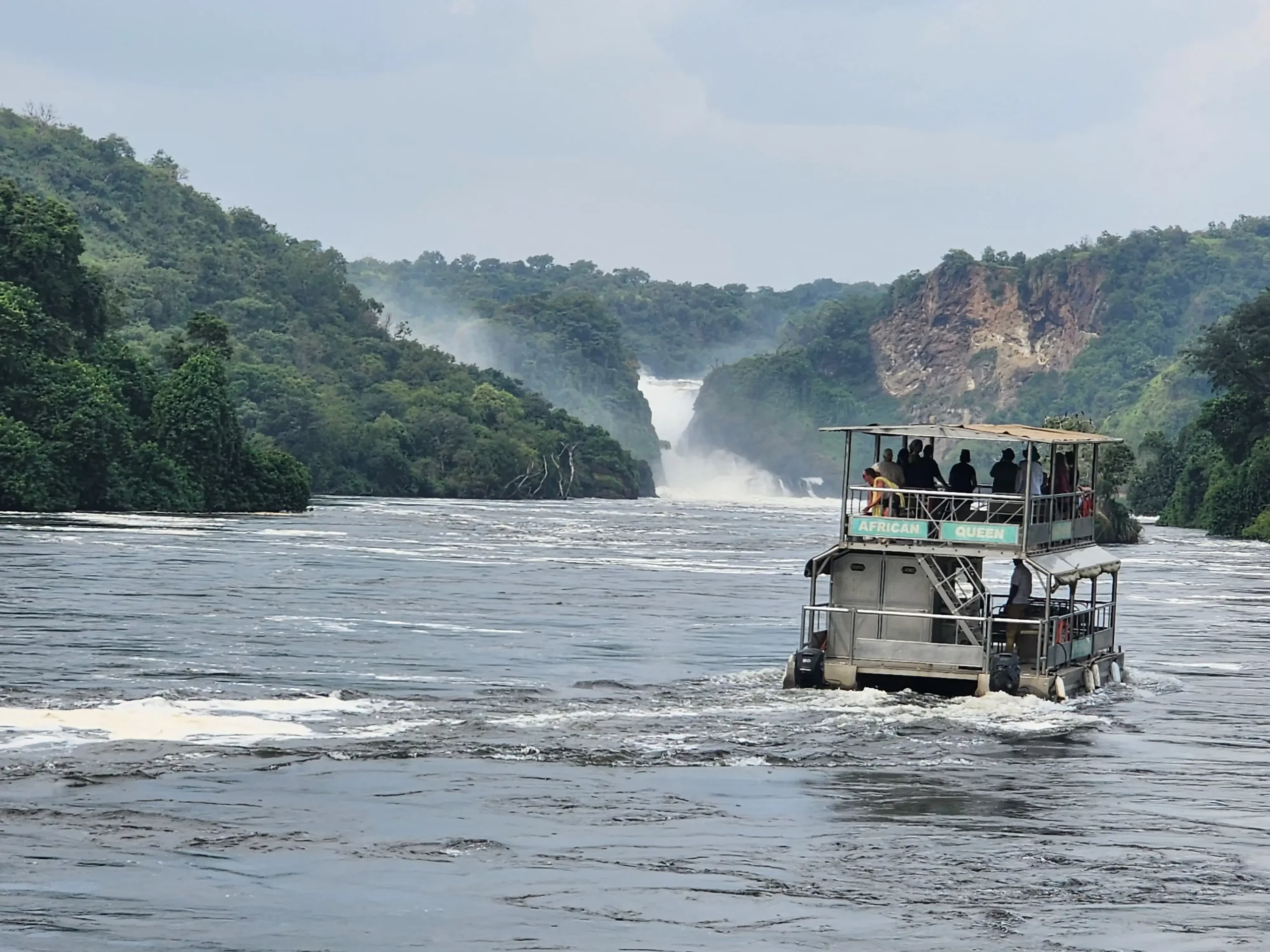
The classic Murchison cruise leaves Paraa and follows the Victoria Nile for 17 km towards the bottom of the falls. Allow about 2 to 3 hours on the water, depending on the operator and route. The river narrows near the final section, and the falling water grows louder as the boat approaches the cliffs. Strong current keeps the boat at a safe viewing point below the falls, so you see the full setting without entering the roughest water.
Keep checking both banks on the way. Hippos occupy the deeper pools, crocodiles rest on exposed ground and elephants or buffaloes may come down to drink. Giraffes and antelopes can also appear above the bank. The waterfall gives the outing a clear finish, which makes this the strongest choice for a first Uganda boat safari or for travellers who want wildlife and scenery in one trip.
Nile Delta Boat Safari
The delta trip leaves Paraa in the opposite direction and follows the Nile to Lake Albert. The river becomes wider and quieter as channels, reed beds and shallow water replace the cliffs near the falls. Give this trip half a day. It suits travellers who enjoy patient birding and a long spell on the water more than a quick landmark visit.
Shoebill is the main target, but the search is part of the experience. Your guide checks shallow edges, floating plants and quiet channels for the bird's upright shape. Goliath herons, African jacanas, kingfishers, skimmers and papyrus birds keep the trip active between searches. Fishing canoes and tilapia fishers also show how people use this part of the Nile.
Kazinga Channel Boat Safari
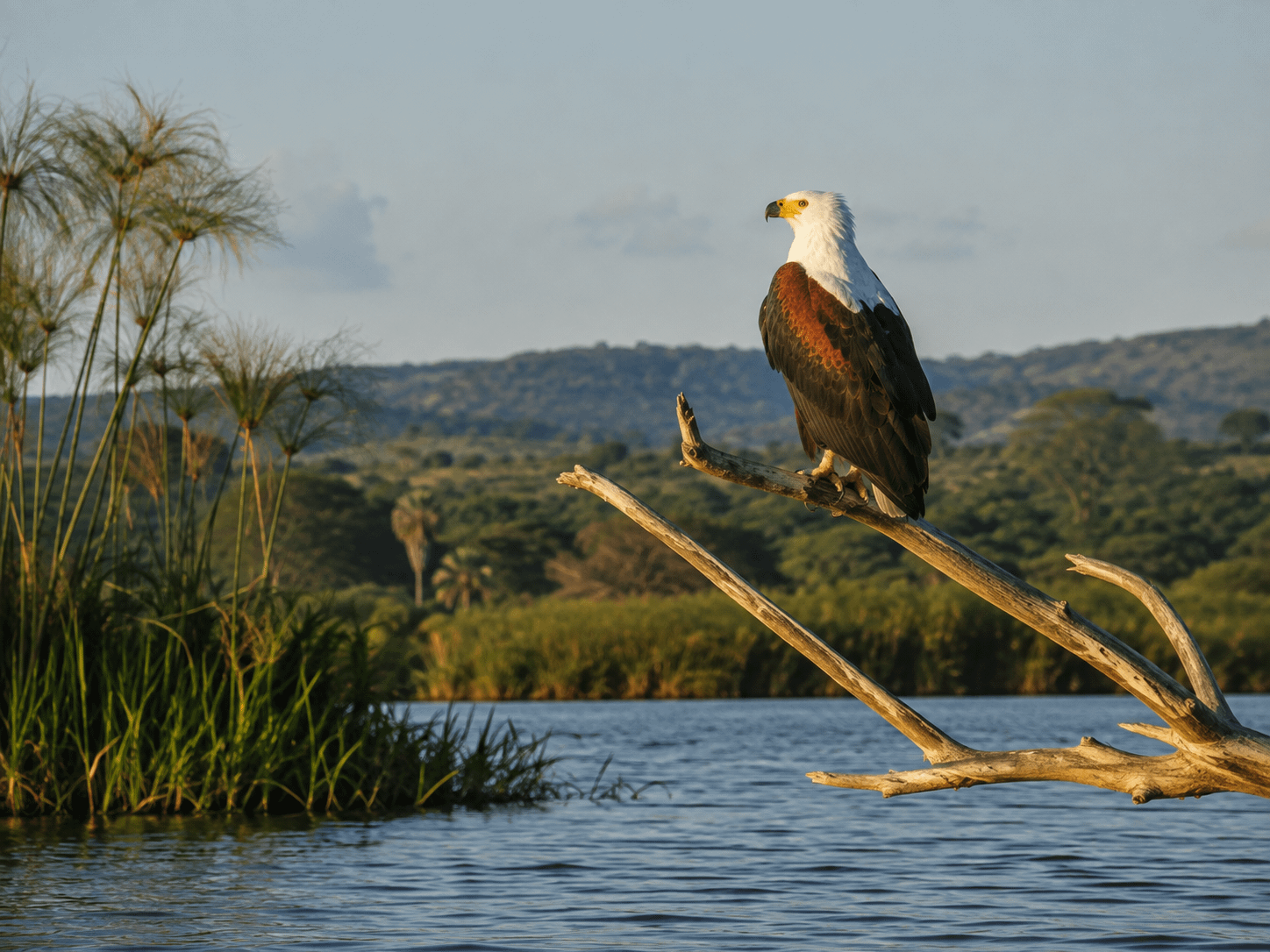
The Kazinga Channel runs for 40 km between Lake George and Lake Edward in Queen Elizabeth National Park . A standard cruise takes about 2 hours and stays close enough to the shoreline for clear views. Hippos gather in the water, while buffaloes, elephants, waterbucks and Uganda kobs use the banks. Crocodiles and monitor lizards often lie in similar places, so watch the head, tail and body shape before deciding what you have seen.
Kazinga works well for a mixed group because the action is easy to follow. Large mammals hold the attention of first-time safari travellers, while pelicans, African spoonbills, cormorants and African skimmers keep birders busy. The low bank also gives photographers clean backgrounds and strong reflections when the water is calm.
Lake Mburo Boat Safari
Lake Mburo lies about 228 km from Kampala, a road journey of roughly 3.5 hours before the final drive inside the park. Boats leave from the eastern shore near the lakeside campsite and Rwonyo area. The 2-hour trip follows quiet bays and reed edges rather than a broad river channel. It feels more private than the large launches in Murchison or Queen Elizabeth, even when the boat is shared.
Hippos and crocodiles provide the main large-animal interest. Buffaloes, waterbucks and bushbucks may stand near the shore, while zebras and other grazers are better seen during a drive or walk away from the lake. Slow down near overhanging cover if African finfoot is a target. The bird stays close to shaded water and can disappear quickly behind roots and reeds.
Mabamba Swamp Canoe Trip
Mabamba gives you a wetland trip not a national-park launch cruise. Local guides use narrow canoes to move through papyrus channels near Lake Victoria. The low boat can enter water that a large motor launch cannot reach. You sit close to the reeds, listen for calls and search open patches where shoebill stand stilll while hunting lungfish.
Set aside half a day from Entebbe. The pace is quiet, and the guide may stop the canoe while the group waits for a bird to move into view. A shoebill sighting cannot be timed, so the value of the trip also comes from the papyrus habitat, local fishing life and the chance to watch wetland birds at close range.
Scenic Boat Trips in Jinja and the Southwest
Jinja boat trips focus on the place where Lake Victoria narrows into the Nile. A short motorboat ride reaches the source marker, while a longer evening cruise follows the river for sunset, islands and riverside life. These outings suit travellers who want a calm water activity around a Jinja stay. White-water rafting and family floats use different river sections, equipment and safety briefings, so treat them as separate adventure activities.
Lake Bunyonyi and Lake Mutanda fit naturally after a gorilla trek in Bwindi or Mgahinga. A dugout canoe gives you a slow, close view of the shore, while a motorboat covers more islands and open water. The attraction is the setting. Terraced hills, farms, fishing canoes and changing light replace the large mammals seen in the national parks. Prices and routes are set locally, so agree on the boat, duration and total charge before departure.
Types of Boat Trips in Uganda
Wildlife Launch Cruises
Choose a launch cruise for a guided wildlife session in Murchison Falls, Queen Elizabeth or Lake Mburo. Scheduled boats follow a set route and departure time. The guide scans the banks and explains the animals, birds and river features along the way. These trips suit first-time visitors, families and mixed groups because there is always a clear main attraction.
Private Small Boat Safaris
A private small boat gives your group more say over seating and how long to hold a safe viewing position. It works well for photography, birding or a family that needs a quieter pace. The skipper still controls movement and distance from wildlife. Park minimum charges also apply, so a private boat can cost more than buying seats on a shared launch.
Birding Canoes and Wetland Boats
A birding boat spends more time along reeds, floating plants and shallow edges. Mabamba canoes and Nile Delta trips are the strongest examples. Tell the guide which birds matter to you before leaving. The group can then spend less time on common open-water species and more time checking the habitat used by shoebill, finfoot and papyrus birds.
Our Uganda birding safaris can include dedicated water-based sessions alongside forest and savannah birding.
Scenic Lake and River Cruises
Scenic cruises give more weight to the landscape than to a wildlife list. Lake Victoria sunsets, the Source of the Nile and the highland lakes near Bwindi all fit this style. Ask whether the trip includes island stops, refreshments or a guide. A simple transfer boat and a guided lake tour may leave from the same landing but offer very different experiences.
Morning and Afternoon Boat Safaris
Morning and afternoon cruises can follow the same route, but the light, temperature and wildlife rhythm change the feel of the trip.
| Time | What the trip feels like | Best reasons to book | Points to prepare for |
|---|---|---|---|
| Morning | Cooler air, softer light and a quieter start on the water | Bird activity, calm conditions and photography before the heat builds | Mist or cloud can reduce early light, and fewer animals may need to drink |
| Afternoon | Warmer banks, stronger light and more movement near the water | Elephants, buffaloes and antelopes coming to drink during dry weather | Glare can be strong, and the boat may return close to sunset |
Boat Safari Fees From January 2027 to June 2028
| Charge | FNR | FR | ROA | EAC |
|---|---|---|---|---|
| Murchison Falls park entrance | US$45 | US$35 | US$35 | UGX 25,000 |
| Queen Elizabeth park entrance | US$40 | US$30 | US$30 | UGX 20,000 |
| Lake Mburo park entrance | US$40 | US$30 | US$30 | UGX 20,000 |
| Murchison Falls launch cruise | US$30 | US$25 | US$20 | UGX 30,000 |
| Kazinga Channel launch cruise | US$30 | US$25 | US$20 | UGX 30,000 |
| Lake Mburo boat ride | US$30 | US$25 | US$20 | UGX 30,000 |
| Murchison hike to Top of the Falls | US$15 | US$10 | US$10 | UGX 10,000 |
The shared cruise fee is per person. A small boat uses a minimum charge of US$120 for FNR, FR and ROA visitors, or UGX 120,000 for EAC visitors. Murchison small boats use a minimum of 8 passengers, while Lake Mburo and Queen Elizabeth use a minimum of 4. Large launches use a minimum charge equal to 15 passengers. Vehicle entry, meals, transport and private operator services sit outside the figures above.
Planning Your Uganda Boat Safari
Allow Time for the Landing Point
The cruise time is only part of the plan. Leave enough space for the drive through the park, parking, boarding and the return to your lodge. Allow about 2 to 3 hours for the Murchison Falls cruise and about 2 hours for Kazinga or Lake Mburo. Give the Nile Delta and Mabamba half a day. A scenic Lake Victoria or highland lake trip may run from 1 to 3 hours, depending on the route and any island stops.
Use the Exact Jetty Name
Tell your driver the landing point, not only the park or lake. Murchison cruises leave from the Paraa area, and some boats use the south bank. Lake Mburo boats board near the lakeside campsite and Rwonyo area. Lake Victoria trips may use Nakiwogo, Banga Beach or another Entebbe landing. Check the final reporting point and bank before setting out, especially where a bridge or long park road separates the two sides.
Check What the Boat Includes
Ask whether your payment covers the seat, guide, refreshments and any landing or park charge. Check if the boat has shade, a toilet and space for a camera bag. Shared trips can use a minimum passenger number, while a private boat may carry a minimum charge. Keep the booking message with the departure time, landing point and contact number together on your phone.
Children and Travellers With Limited Mobility
Give the booking team the children's ages and explain any mobility needs before seats are reserved. Ask how passengers step from the jetty into the boat and whether hand support is available. A correctly sized life jacket must be ready for every child. If a wheelchair is used, establish whether it can stay on board or whether the traveller must transfer into a fixed seat.
Larger launches often provide more stable boarding, covered seating and toilets, but the upper viewing deck may require stairs. A smaller boat may bring the group closer to the water, yet boarding can be lower and less steady. Pick the layout that reduces strain for the traveller. A 2-hour cruise is usually easier to manage than a half-day birding trip when heat, sitting time or toilet access is a concern.
Boat Safari Photography
Prepare the camera before the boat leaves the jetty. Fit the lens, attach the strap and set a shutter speed that can hold both subject movement and the motion of the boat. A zoom lens helps with animals on a high bank, while a wider view can show hippos, reeds and the surrounding landscape in one frame. Keep spare batteries and memory cards inside a waterproof pouch.
Sit where you can turn towards the bank without blocking another passenger. Ask the guide before moving seats, and remain seated when the skipper requests it. A polarising filter can cut glare, but it also reduces light. Check the result on the camera rather than leaving it fitted all day. When wildlife is close, watch first and take a few planned photographs instead of spending the whole sighting behind the screen.
What to Pack for a Boat Safari in Uganda
- Binoculars for checking birds and animals on the far bank.
- A camera with a secure strap, spare battery and enough memory space.
- A waterproof pouch or dry bag for phones, travel papers and camera gear.
- A light rain jacket or poncho that can be reached without opening the main bag.
- A hat, sunscreen and polarised sunglasses for open water and afternoon glare.
- Muted clothes with a light long-sleeved layer for sun and insects.
- Shoes with a firm grip for wet steps, boat decks and uneven landing points.
- Drinking water and a small snack when the trip does not include refreshments.
Boat Safari Safety in Uganda
- Wear the life jacket from boarding until the crew tells you it can be removed.
- Do not board an overloaded boat or accept a life jacket that cannot fasten securely.
- Take your time at the gap between the jetty and the boat, and accept help from the crew.
- Remain seated during departure, sharp turns and rough water.
- Keep children beside an adult at the landing and throughout the trip.
- Keep bags inside the boat and camera straps attached to your body.
- Keep your hands inside the boat and never reach towards hippos, crocodiles or the bank.
- Tell the guide at once if you feel unwell, overheated or unsafe.
Combining Boat Safaris With Other Uganda Experiences
Game Drives and Park Cruises
Use the road and water sessions for different parts of the habitat. In Murchison Falls, start with a morning game drive on the northern tracks, return for lunch near Paraa and board the afternoon cruise to the falls. The drive gives you open savannah, giraffes and predators. The boat then moves the focus to hippos, crocodiles and animals visiting the Nile.
Queen Elizabeth follows the same easy rhythm. Spend the cooler morning on the Kasenyi tracks , take a break around Mweya and join the Kazinga Channel cruise later in the day. At Lake Mburo, pair a morning drive with an afternoon boat trip. Leave enough time between sessions so a good sighting on land does not turn the drive to the jetty into a rush.
Gorilla Trekking and the Highland Lakes
Place Lake Bunyonyi or Lake Mutanda after the gorilla trek , not before the early briefing. The lake then becomes a slower recovery session after the forest. A short motorboat trip suits travellers who want to rest, while a canoe trip adds gentle activity. If you are moving between Bwindi sectors, check the road time before adding the lake because the mountain roads are slower than the map suggests.
Chimpanzee Tracking and a Wildlife Cruise
Kaniyo Pabidi and the Murchison boat cruise fit within the same northern route, but each needs its own main session. Use one morning for chimpanzee tracking and another part of the stay for the river. In Queen Elizabeth, a Kyambura Gorge trek and Kazinga cruise can fit on the same day only when the confirmed tracking time leaves a comfortable break. Otherwise, keep the cruise for the following day and combine it with a game drive.
Walking and Hiking Beside the Water
Lake Mburo gives you the cleanest walking and boat combination. Walk with a ranger in the morning when the air is cool, then move to the lake after lunch. In Murchison Falls, the boat can end at the Fajao landing for a guided hike towards the Top of the Falls. Book the boat, ranger and vehicle pickup as one plan. Travellers who want less climbing can take the cruise and visit the Top of the Falls by road.
Jinja River Days
Keep a Source of the Nile boat trip or sunset cruise separate from rafting, kayaking or a family float. The calm cruise focuses on the river setting and local history. Adventure activities use different launch points, equipment and minimum ages. A relaxed plan places the active river session in the morning, allows time for lunch and keeps the evening cruise as the final activity of the day.
Boat Safaris in Uganda FAQs
Which boat safari is best for wildlife?
Is the Nile Delta trip the same as the falls cruise?
Where can I search for shoebills by boat?
Do park entrance fees include the boat trip?
Can children join a boat safari?
Are boats accessible for travellers with limited mobility?
Should I book a morning or afternoon cruise?
Can a boat safari be included in a private Uganda itinerary?
More Water and Wildlife Experiences
 Cruise Guide
Kazinga Channel Boat Cruise
Plan shoreline wildlife viewing and waterbird watching between Lake George and Lake Edward.
Explore the Cruise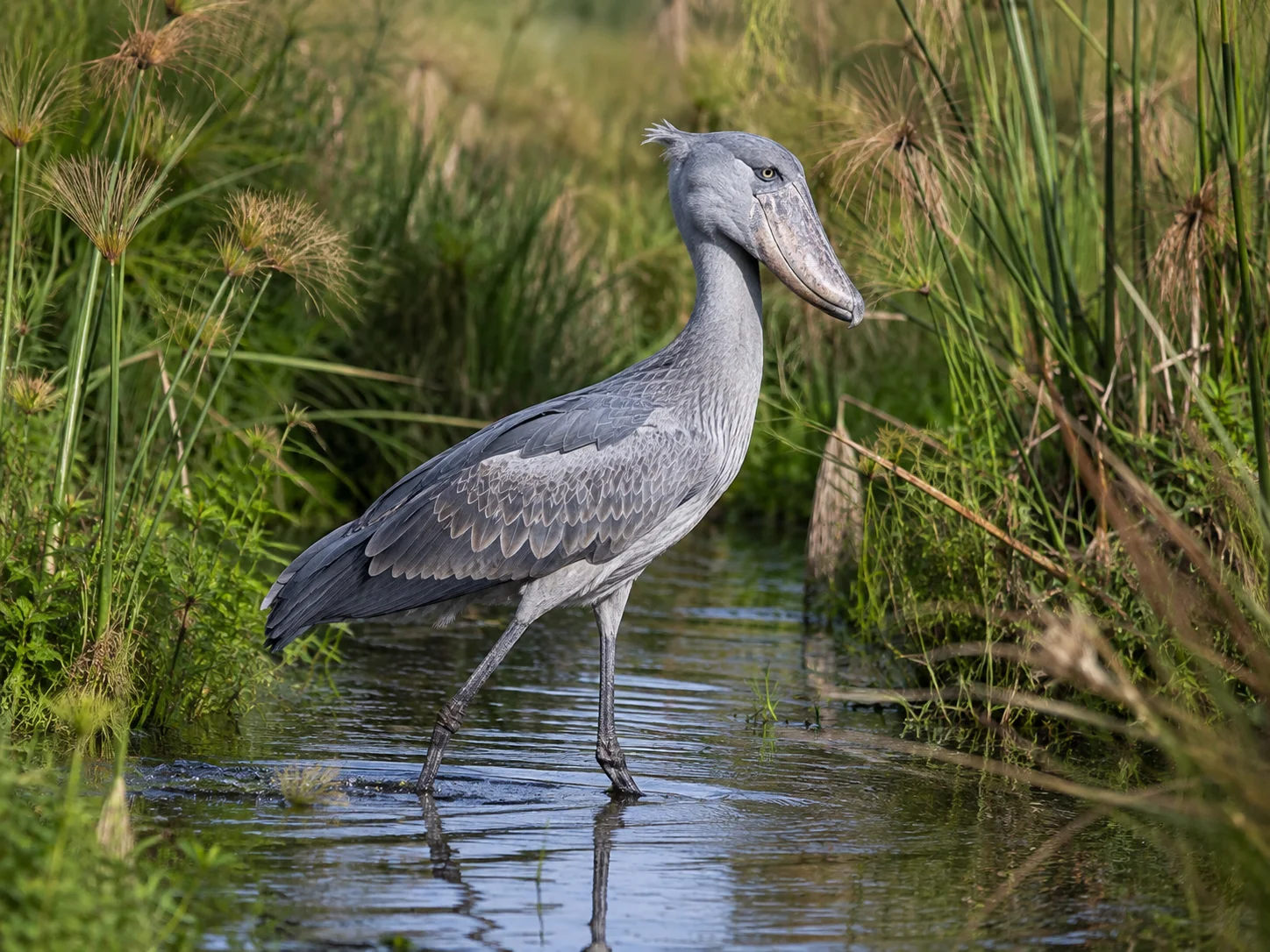 Birding Route Guide
Where to See Shoebills in Uganda
Compare Mabamba, the Albert Delta, Lugogo and Lake Albert by route and boat experience.
Read the Guide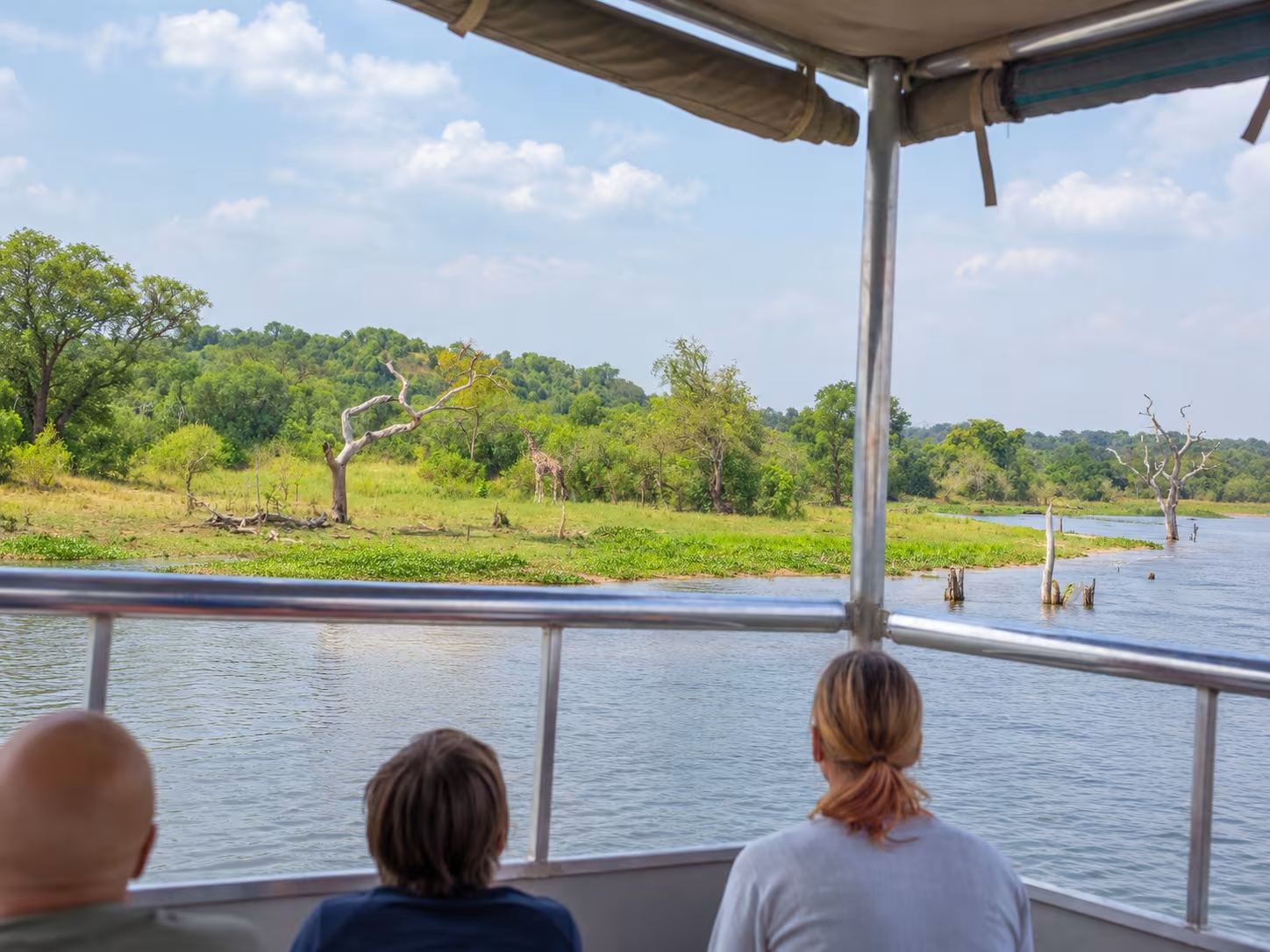 4 Day Safari
Lake Mburo and Lake Bunyonyi Safari
Explore a southern Uganda journey and discuss your preferred boat activities when tailoring the trip.
Explore the SafariFind the cruise that fits your safari.
Share your dates, route and preferred boat experience with BLS Safaris. We will help arrange the cruise, transfers and surrounding activities, with boarding and comfort needs planned in advance.