
Tsavo East National Park lies in southeastern Kenya between Nairobi and Mombasa. Established in April 1948, it is one of Kenya’s oldest national parks and covers 13,747 square kilometres. Together with neighbouring Tsavo West, it forms part of the wider Tsavo ecosystem. Its immense scale suits travellers who enjoy long game drives, open country and a strong sense of wilderness.
Tsavo East is flatter and drier than Tsavo West, with broad plains, acacia woodland, thorn scrub and volcanic formations. The Galana River cuts through this semi-arid landscape and draws wildlife to its banks during dry periods. The Voi River supplies Aruba Dam, another productive area for wildlife and waterbirds.
The park is best known for elephants coated in its iron-rich red soil. Lions, buffalo, giraffes, zebras, hippos, crocodiles, antelopes, cheetahs, leopards and the rare hirola also live here. Major landmarks include Lugard Falls, Mudanda Rock and the Yatta Plateau. Together, the red plains, rivers, rock formations and wildlife make Tsavo East rewarding for game drives, photography, birding and safari combinations with the Kenya coast.
Wildlife in Tsavo East National Park
The park’s open country and dependable water sources create excellent conditions for viewing big game. Elephants move across the plains and gather near the Galana River, Aruba Dam and seasonal waterholes. Buffalo, giraffes, zebras, waterbucks, lesser kudu and gerenuk share the same dry-country habitats, while hippos and crocodiles occupy the river system.
Elephants, Lions, Buffalo and Big Game
Elephants are the signature sight in Tsavo East. Their reddish colour comes from dust bathing in the park’s soil, and their family groups are particularly striking against the dry plains. During the drier months, game drives around permanent water offer the best chance of watching elephants and other animals drink, bathe and move between feeding areas. Lions are another major attraction. The area’s history includes the Man-Eaters of Tsavo, which attacked railway workers in 1898, but present-day viewing takes place safely from a safari vehicle. Adult male Tsavo lions often have sparse or short manes. Leopards remain secretive, while cheetahs and hyenas may appear on the more open plains. Early morning and late afternoon drives give the best viewing conditions because animals are active and the light is softer.
Rare Wildlife Including Hirola
Tsavo East protects animals rarely seen on a standard Kenya safari. The critically endangered hirola, also called Hunter’s hartebeest, is the most notable. A sighting is never guaranteed, but its presence adds considerable conservation value to the park. Other dry-country species include gerenuk, lesser kudu, Grevy’s zebra and jackals. Reptiles are also part of the ecosystem. Nile crocodiles live in the rivers, while agama lizards, monitors, pythons, puff adders and tortoises occupy different habitats. Rhino sightings are not dependable in Tsavo East experience. Travellers particularly interested in rhinos can combine the park with Tsavo West and its protected sanctuary areas.
Birdlife with Over 500 Recorded Species
More than 500 bird species have been recorded in Tsavo East. Savannah, woodland, riverine vegetation, dams and seasonal wetlands support an unusually broad mix within one park. Commonly watched birds include hornbills, bee-eaters, kingfishers, starlings, secretary birds, lovebirds and sacred ibis. Both common and Somali ostriches occur here, and the Somali ostrich is recognised by its blue-grey neck and legs. Martial eagles and other raptors patrol the open country, while kori bustards walk through the grasslands. The Galana River and Aruba Dam are particularly useful stops for waterbirds and photography. Woodland edges bring different species into view, and migratory birds add variety during the wetter months. Even travellers without a dedicated birding itinerary see plenty of bird activity during ordinary game drives.

Somali ostrich
Top Attractions in Tsavo East National Park
The attractions in Tsavo East are spread across a large area rather than concentrated in one small circuit. A practical route follows water sources, river crossings, rock viewpoints and open plains. This gives each game drive a balance of wildlife, scenery and time to appreciate the scale of the park.
Galana River
The Galana River is the park’s main lifeline. It crosses the dry interior and supports greener riverine vegetation, hippos, crocodiles, waterbirds and animals coming to drink. Wildlife activity becomes especially noticeable along its banks when seasonal water sources begin to shrink. The river also creates some of the park’s strongest photographic contrasts. Red soil and pale plains meet a green corridor of vegetation, while elephants and buffalo move between the water and surrounding bush. Following the river allows a game drive to change naturally from open-country viewing to closer observation along the banks.
Lugard Falls
Lugard Falls is a series of rapids rather than a tall waterfall. Here, the Galana River forces its way through narrow channels carved into rock, forming potholes, smooth surfaces and rushing white water. The sound and movement provide a marked change from the still, open plains. A stop at the falls breaks up a long game drive and reveals the force of the river that sustains much of Tsavo East. Visitors must follow ranger instructions and remain within permitted areas because crocodiles and other wildlife occupy the river environment.
Mudanda Rock
Mudanda Rock is a long inselberg that rises above the surrounding plain. It acts as a natural water catchment, directing rain towards a seasonal pool below. Elephants and other animals gather at this water source during dry conditions. The top provides a broad view across the park and allows visitors to watch wildlife without approaching the water. The combination of raised terrain, red earth and animal movement makes the 1.6-kilometre-long rock one of Tsavo East’s strongest scenic stops.
Yatta Plateau
The Yatta Plateau runs for roughly 300 kilometres along the park’s western side and is considered one of the world’s longest lava flows. Lava from the Ol Donyo Sabuk area formed this raised feature, giving the otherwise open landscape a strong volcanic character. The plateau is not always viewed as one continuous cliff from the road, but it shapes the northern landscape and helps explain the park’s geological scale. It is most rewarding for travellers interested in scenery, landforms and the relationship between volcanic terrain and the surrounding plains.
Aruba Dam
Aruba Dam was built across the Voi River in 1952. Its reservoir attracts elephants, buffalo, antelopes and waterbirds when surrounding areas become dry. The open water, exposed edges and nearby bush make it a useful place to stop, scan and wait for wildlife rather than driving continuously. Water levels and sightings change with the season, so the dam should form part of a wider game-drive route. Its accessibility and concentration of different habitats make it particularly suitable for general wildlife viewing and bird photography.
Activities in Tsavo East National Park
Activities in Tsavo East work best around the cooler hours, productive water sources and the considerable distance between attractions. Game drives remain the main experience, supported by birding, approved walks, camping and visits to neighbouring communities where arrangements are available.
Game Drives in Tsavo East
Game drives may be taken in the early morning, across a full day or during the late afternoon. Morning drives begin before the heat builds, while afternoon drives benefit from softer light and animals returning towards water and shade. An enclosed four-wheel-drive safari vehicle with large windows provides practical protection from dust and allows clear viewing across the plains. Because the park is so large, patient route planning works better than rushing between landmarks. A driver-guide can follow tracks, check water points and use the open terrain to locate elephants, buffalo, giraffes, zebras, antelopes and predators. A full day also allows time for scenic stops without shortening the main wildlife-viewing periods.
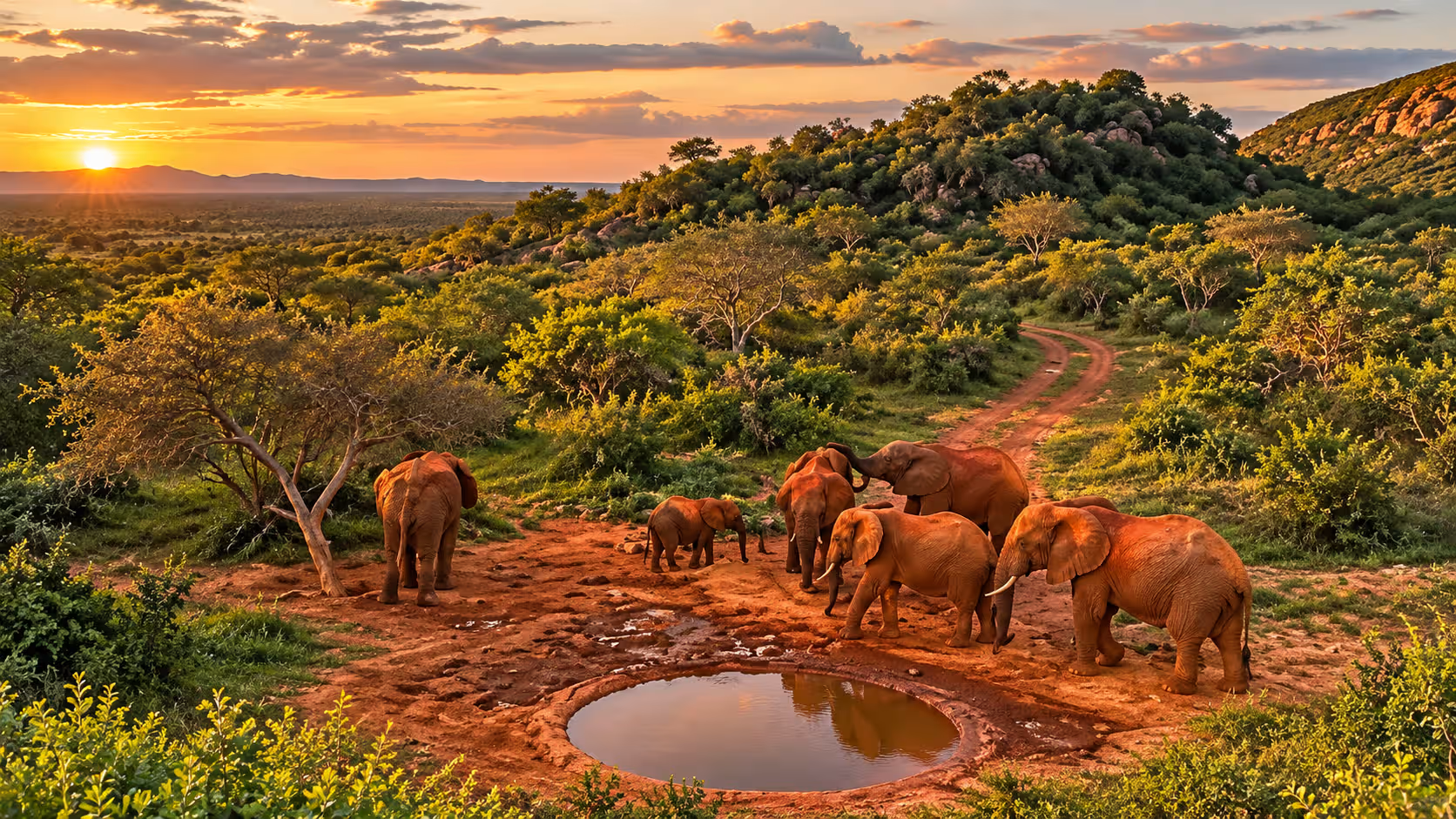
Tsavo’s Red-Dusted Elephants at Sunset
Guided Walking Safaris Along the Galana River
Approved guided walks offer a closer look at tracks, plants, birds and smaller animals that are easy to miss from a vehicle. Riverine areas create a noticeably different environment from the open plains and reveal how wildlife uses the water corridor. Walks must be arranged with a qualified guide because elephants, buffalo and predators move through the same country. Your guide interprets footprints, feeding marks, dung, plants and bird calls while keeping a safe distance from large animals. Ask your camp or safari operator to arrange the walk before arrival because the route and availability depend on your location in the park.
Bird Watching and Nature Walks
Birding takes place during game drives and approved walks around rivers, dams, woodland and savannah. Binoculars are useful because many species perch high in acacias or move along distant water edges. Early morning brings strong activity, while late afternoon is cooler and often more comfortable than the middle of the day. Routes can be adjusted to combine water-associated species with dry-country birds. Travellers with a particular target should tell their driver-guide in advance so more time can be spent in the correct habitat rather than trying to cover too much ground.
Camping, Local Villages and Cultural Experiences
Camping brings visitors closer to the sounds and atmosphere of the bush, with options ranging from established campsites to more organised arrangements. Facilities and access vary, so the location should match the level of comfort required and the route through the park. Community visits and cultural performances can also be arranged around the wider Tsavo area, particularly near Voi and the park’s southern approaches. The surrounding region is closely associated with the Taita people, whose farms, villages and traditions add local context to the journey. Allow enough time for conversation, crafts and dance instead of treating the visit as a brief roadside stop
Best Time to Visit Tsavo East National Park
Best Months for Wildlife Viewing
The main dry periods, from June to October and January to February, usually provide the easiest wildlife viewing. Animals concentrate around the Galana River, Aruba Dam and remaining waterholes, while shorter grass and thinner vegetation improve visibility. June and July are generally more comfortable than the hotter first months of the year. Tsavo East remains warm throughout the year, and midday conditions can be hot. Early departures, drinking water, sun protection and a flexible schedule make drives more comfortable. Wildlife movement still varies from day to day, so no month guarantees particular sightings.
Wet Seasons, Birding and Road Conditions
The long rains usually occur from March to May, with shorter rains around November and December. Showers often arrive in heavy bursts, although patterns vary. Some roads become slower or temporarily difficult, and wildlife spreads across a wider area as more water becomes available. The greener months bring fresh vegetation, dramatic skies and strong birding. Migratory species increase variety, and lower visitor numbers can create a quieter experience. Travellers visiting at this time should allow flexibility for rain and road conditions rather than expecting the same routes each day.
How to Get to Tsavo East National Park
By Road from Nairobi or Mombasa
Tsavo East sits on the main Nairobi-Mombasa highway. From Nairobi, Manyani Gate is about 285 kilometres away and Voi Gate about 325 kilometres away; allow roughly 5 to 6 hours before adding traffic, stops and the drive from the gate to camp. From Mombasa, Bachuma Gate is about 110 kilometres away, Voi Gate 156 kilometres and Manyani Gate 191 kilometres. Sala Gate serves the park’s eastern side and is useful for travellers arriving from Malindi or the north coast. The quickest gate is not always the best one for your itinerary. Satao Camp and Ashnil Aruba Lodge sit in the southern and central safari area, while Galdessa lies farther north beside the Galana River. Confirm the entry gate with your lodge or driver-guide, as the final drive inside the park can add considerable time even after leaving the highway.
By Air to Nearby Airstrips
Flying reduces time on the highway and suits travellers connecting Tsavo East with Nairobi, the coast or another safari area. The flight from Nairobi takes about one hour, depending on the routing and stops. Airstrips serving different parts of the park include Voi, Aruba, Satao, Sala, Ithumba and Bachuma, while some properties use their own nearby strips. The correct flight depends on the accommodation and operating schedule. A lodge transfer or safari vehicle meets the aircraft and continues to camp. Confirm the airstrip before booking because landing in the wrong part of this immense park can create a long road transfer
Where to Stay in Tsavo East National Park
Accommodation should be selected by location as well as comfort. Staying near the wildlife area and gate used in the itinerary reduces unnecessary driving and leaves more time for morning and afternoon viewing.