
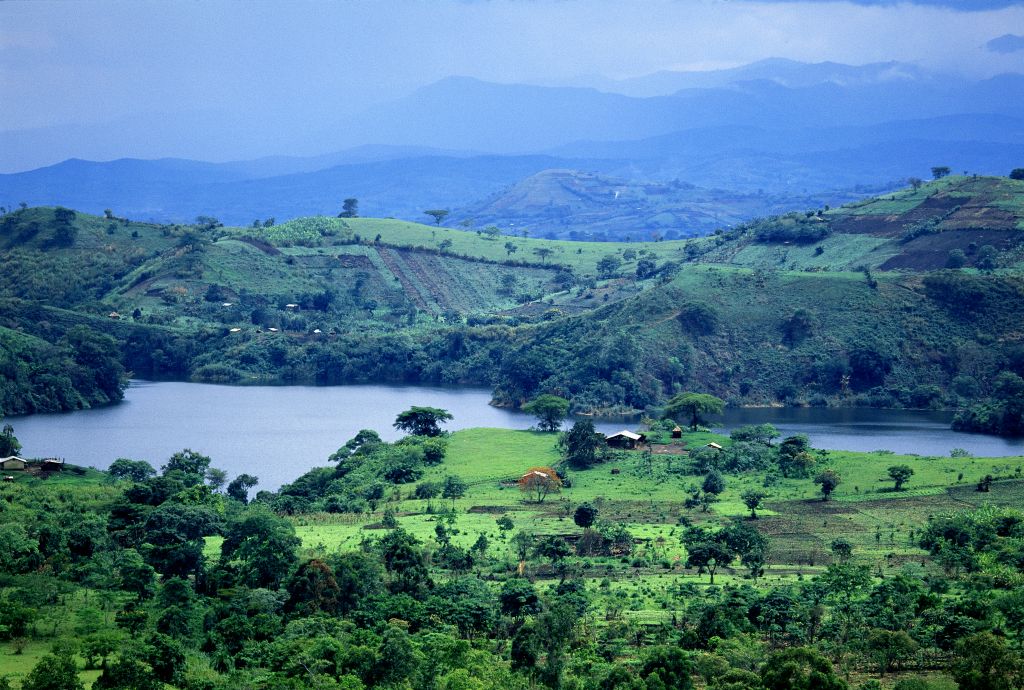
Nature Walks and Hikes Around Fort Portal
Walk crater rims, follow wetland boardwalks and explore forest trails beneath the Rwenzori foothills, with time for Tooro culture between outdoor days.
Crater lakes, forests and mountain foothillsA different walking landscape each morning.
Crater lakes sit below green ridges, tea fields spread across the hills and forest trails lead into the country around Fort Portal. Few bases in western Uganda offer such a varied choice of walks within a single stay.
Some outings are short and gentle, including Tooro Botanical Gardens and selected paths around Lake Nkuruba. Bigodi adds wetland boardwalks and monkey watching. Kibale brings a focused chimpanzee trek, while the Rwenzori foothills suit walkers who want steeper ground and a longer day.
For travellers comparing walking safaris in Uganda , Fort Portal works well when you want several habitats without changing accommodation every night. Match each walk to your fitness, interests and available time, then allow for the drive to its starting point.
A walking stay also fits into our wider Uganda safari journeys . Combine crater scenery and forest primates with wildlife viewing farther south, or spend longer exploring the hills and communities around the city.
What walking around Fort Portal feels like.
Repeated hills and open ridges
Crater walks often climb a rim, descend through farms and rise again towards another viewpoint. Several short slopes can feel harder than the distance suggests. Open paths become warm by late morning.
Natural paths and wet ground
Many routes follow village tracks and earth paths. Forest roots, wet clay and narrow boards need steady footing. Local guides help arrange access across community land and select suitable routes.
Early starts and changing weather
Mornings suit longer hikes and birding. Carry rain protection throughout the year and allow time to finish before dark. A shorter garden or city walk fits well later in the day.
Best nature walks and hikes around Fort Portal.
Select a few contrasting outings rather than trying to cover every lake and forest in 1 visit. The drive, terrain and walking pace all shape the day.
Fort Portal crater-lake walks
The crater countryside links steep green lake basins with banana gardens, small farms and village paths. Routes around Nyinambuga, Nyabikere and the Kasenda area offer open views and a close look at rural life.
Allow about 2 hours for a shorter outing or half a day for a route joining several viewpoints. Agree on the lakes and walking distance beforehand, because the climbs between them can be demanding.
Amabere and the Nyakasura hills
About 7 km from Fort Portal, Amabere Ga Nyina Mwiru combines a shaded rock shelter, dripping mineral formations and a waterfall. A local guide explains the story of Nyina Mwiru and its place in Tooro tradition.
Extend the visit into the Nyakasura crater hills for roughly 2 to 3 hours of walking. The route becomes steeper as it leaves the damp waterfall area and climbs towards open views over lakes and farmland.
Lake Nkuruba forest and crater walks
A patch of forest around Lake Nkuruba adds shade and chances to watch monkeys and birds beside the crater. Shorter paths suit a quieter outing, while countryside extensions add more hills.
Allow around 1 to 3 hours, depending on the route. Tell your guide if you prefer to remain near the forest edge rather than descend towards the water or continue on a longer loop.
Tooro Botanical Gardens
On Njara Road, the gardens offer a gentler nature outing inside Fort Portal. Walk among native trees, plant collections and nursery areas, with a guide explaining plant uses and restoration work.
Allow 1 to 2 hours. Birders can spend longer in the wooded sections, while families can keep the visit shorter. It fits comfortably into an arrival afternoon or a quieter day between hikes.
Bigodi Wetland Sanctuary
Near Kibale, Bigodi follows wetland edges, forest paths and boardwalks around Magombe Swamp. A standard guided circuit is about 4.5 km and can take up to 3 hours at a wildlife-watching pace.
Look for colobus monkeys, red-tailed monkeys and birds such as the great blue turaco. The terrain is mostly gentle, although muddy approaches and narrow boards need care. Morning suits dedicated birding.
Bigodi can follow chimpanzee trekking in Uganda , provided your forest trek finishes with enough time and energy for another walk.
Kibale Forest chimpanzee trekking
Kibale National Park offers a ranger-led forest trek centred on finding a habituated chimpanzee community. Allow several hours, followed by up to 1 hour of viewing once the chimpanzees are located.
Routes change with the animals' movements. Expect roots, muddy sections and uneven ground rather than a fixed sightseeing loop. The standard trekking minimum age is 12, so plan another outing for younger children.
Book your chimpanzee trekking permit before arranging the day's other activities. Your confirmed session determines the departure from your hotel.
Sempaya Hot Springs in Semuliki
The road towards Sempaya drops from the Fort Portal hills into the warmer Albertine Rift. Allow roughly 1 to 1.5 hours each way, depending on your starting point and stops.
Guided paths and boardwalks lead through lowland forest and swamp towards the hot springs. The walking is shorter than a crater circuit, but heat and humidity add to the effort. Carry water and stay on the designated paths around the steaming ground.
Rwenzori foothill hikes
Community walks around Ruboni and the Mubuku valley suit hikers wanting steeper slopes, rivers and mountain scenery. Half-day outings offer an introduction, while longer routes add height and more demanding ground.
These trailheads are farther from Fort Portal than the nearby crater walks. Allow a full day with road travel, or stay closer to the mountains for an early start. Carry a warm layer and rain jacket, even when the city is sunny.
Which Fort Portal walk suits you?
Walking times below exclude road transfers. A short walk can still involve steep or slippery ground.
| Walking area | Time and effort | Main experience |
|---|---|---|
| Crater-lake countryside | 2 hours to half a day, with repeated climbs. | Lake viewpoints, farms and village paths. |
| Amabere and Nyakasura | About 1 hour for the cave area, or 2 to 3 hours with hill walking. | Tooro stories, a waterfall and crater scenery. |
| Lake Nkuruba | 1 to 3 hours, easy to moderate by route. | Forest shade, monkeys and crater views. |
| Tooro Botanical Gardens | 1 to 2 hours, generally gentle walking. | Native plants, nurseries and birding. |
| Bigodi Wetland | About 4.5 km and up to 3 hours. | Monkeys, wetland birds and community guiding. |
| Kibale Forest | Several hours on changing forest terrain. | Chimpanzee trekking and other forest wildlife. |
| Sempaya Hot Springs | Short guided walks in hot, humid conditions. | Lowland forest, boardwalks and geothermal springs. |
| Rwenzori foothills | Half a day to a full day of walking. | Steeper mountain slopes, rivers and viewpoints. |
Other attractions in Fort Portal.
Leave some time for the city itself. Royal heritage, food and markets bring a different view of the region.
Tooro Palace on Karuzika Hill
Karuzika Hill overlooks Fort Portal, with wider views towards the surrounding hills when the weather is clear. A guided visit introduces the Tooro Kingdom and the role of the Omukama.
The shorter visit can follow a morning walk. Dress respectfully and follow the site's guidance on access and photography.
Karambi Royal Tombs
Karambi holds the burial places of former Tooro kings and members of the royal family. A caretaker-led visit explains the royal history and objects associated with the site.
Give the visit time for stories and questions. It is a quiet heritage stop that fits beside a shorter outdoor outing.
City walks, markets and crafts
A guided city walk can connect the Empaako monument, River Mpanga and central markets. Ask about Empaako names and their place in Tooro culture.
Craft shops and markets offer baskets, fabrics, jewellery and handmade bags. Rubona, along the Kasese road, can also fit into a southbound journey for visitors interested in basket making.
Tooro food and home cooking
A host-led cooking visit introduces the region through everyday food. Depending on the household, you may prepare matoke, millet-based karo or firinda made with peeled beans.
Arrange the visit in advance and share dietary needs. Allow enough time to watch the preparation, ask questions and eat with your hosts.
Best time for walks around Fort Portal.
Drier days for crater and hill routes
Firmer ground makes steep crater paths and mountain slopes easier to manage. Start open hill walks early before the heat builds, with water and sun protection in your bag.
Clear mornings can improve mountain views, but cloud may still hide the Rwenzori. Forest and wetland paths can remain muddy even after several dry days.
Rainy days for shorter, flexible walks
Rain deepens the green landscape and feeds the waterfalls, while making clay slopes and boardwalk approaches more slippery. Keep your route flexible after heavy showers.
A garden visit or shorter local outing may fit better than a long ridge walk. Carry a rain jacket and a dry bag throughout the year.
How many days should you allow?
Count full days separately from hotel nights. Arrival and departure days often leave less walking time than expected.
| Full days available | A balanced walking plan |
|---|---|
| 1 day | Walk at Amabere and Nyakasura, followed by a shorter palace or botanical gardens visit. |
| 2 days | Give 1 day to the crater countryside and another to Kibale or Bigodi. Combine the 2 primate outings only when timing and energy allow. |
| 3 days | Add a separate Sempaya excursion or a Rwenzori foothill outing, including road transfers. |
| 4 days or more | Give each major walking area its own day, with time for local food, heritage and rest between outings. |
How to get to Fort Portal.
By road from Kampala
The direct route passes through Mityana, Mubende and Kyenjojo, covering roughly 290 km. Allow about 4 to 6 hours, with extra time for traffic and stops.
Keep any arrival-day walk short. An early departure leaves more room to settle into your hotel before heading out.
From Kasese and Queen Elizabeth
Fort Portal fits into a western Uganda route with the Rwenzori and Queen Elizabeth National Park .
Allow around 2 hours from the Kasese area, with more time from lodges farther inside the park. The exact pickup point determines the journey.
Flying via Kasese
A flight using Kasese Airfield can reduce the longer road journey from Entebbe, followed by a pre-arranged transfer to Fort Portal.
Flight availability and routing vary. Confirm the flight and road transfer together before scheduling an activity for the same day.
Where to stay for Fort Portal walks.
A city base suits crater walks, heritage visits and outings in several directions. Stay nearer Kibale when an early chimpanzee briefing and Bigodi are your main priorities.
| Property | Setting | Why consider it |
|---|---|---|
| Dutchess Hotel | Near the city centre. | A smaller city base for local visits, restaurants and arranged road transfers. |
| Mountains of the Moon Hotel | Within Fort Portal. | Suits travellers who prefer a hotel base between outdoor days. |
| Home Bliss Hotel | A garden setting outside the centre. | An option for travellers wanting a quieter return after walking. |
| Nyaika Hotel | Boma Hill area. | A city hotel to consider for heritage visits and guided day trips. |
| Ruwenzori View Guest House | Lower Kakiiza Road. | A guesthouse option for travellers who prefer a smaller property. |
| Mandari Eco Pods | Saka Road area. | An alternative base to compare for nearby countryside outings. |
Check the drive to your actual trailhead before booking. A hotel described as being in the Fort Portal area may still require an early transfer for Kibale or a mountain outing.
What to pack for Fort Portal walks.
Walking shoes with grip
Crater slopes, forest roots and wet clay need secure footing. Wear shoes you already know are comfortable.
A light rain jacket
Showers can arrive quickly around the forests and hills, even on a day that begins clear.
Drinking water and snacks
Carry enough for your route, especially on exposed crater walks and warmer lowland outings.
A sun hat and sunscreen
Farm paths and high viewpoints may have little shade.
Binoculars
Bring canopy birds and monkeys into view without leaving the path or moving too close.
A small dry bag
Protect your phone, camera and travel papers during showers.
A light warm layer
Early starts and mountain foothill walks can feel cool.
A walking stick if needed
Ask about support for steep descents and muddy ground before leaving the trailhead.
Fort Portal walking FAQs.
Which Fort Portal walks are easiest?
Do I need a guide for crater-lake walks?
Can I combine Kibale and Bigodi in 1 day?
Are these walks suitable for children?
How many nights should I spend in Fort Portal?
Can I visit Sempaya on a day trip?
Can I hike in the Rwenzori foothills from Fort Portal?
Where can I compare other walking safaris in Uganda?
More walks, forest experiences and Uganda journeys.
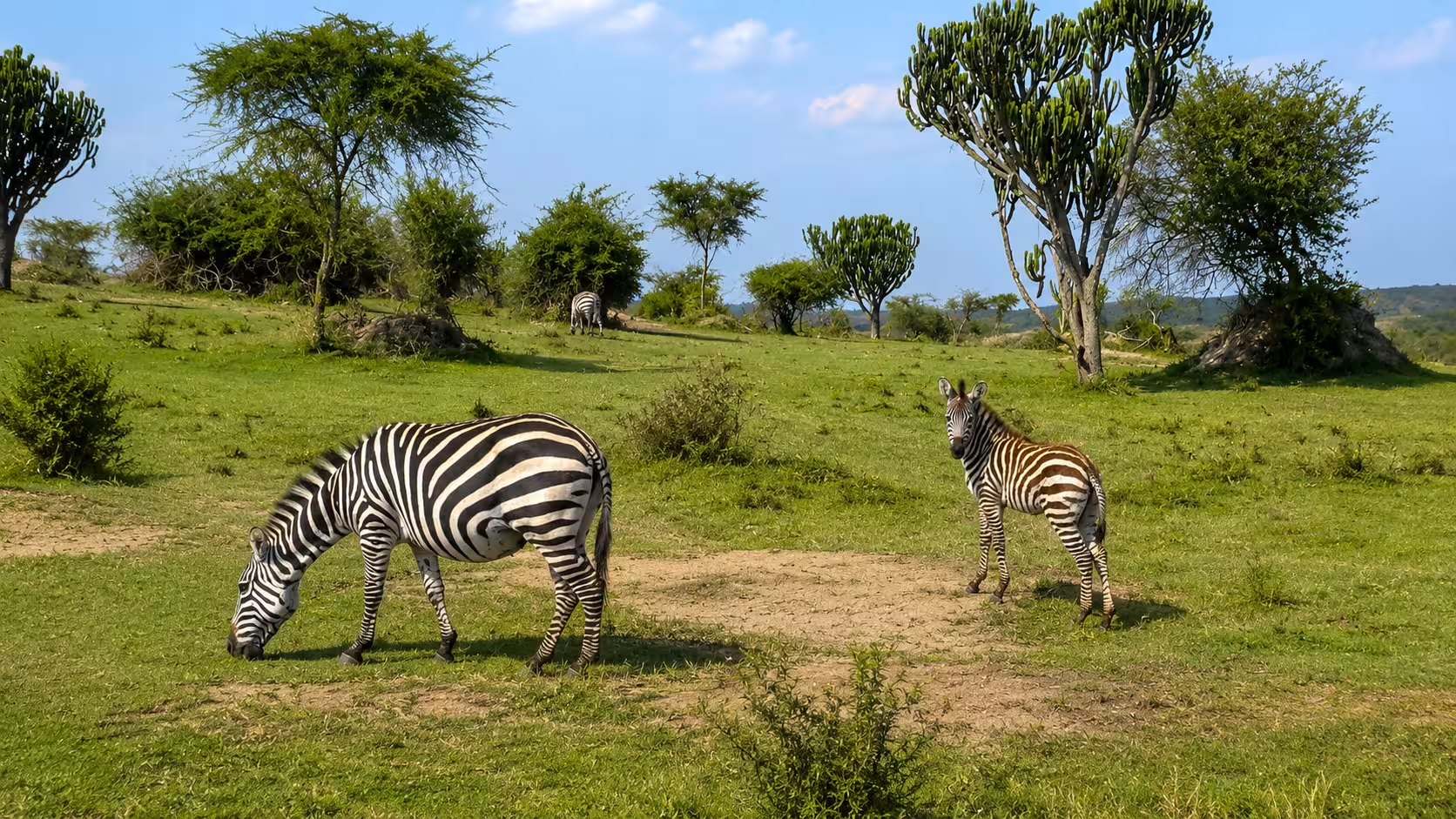 Walking Guide
Walking Safaris in Uganda
Compare forest trails, waterfall hikes and guided wildlife walks across the country.
Read the Guide Destination Guide
Kibale National Park
Explore the forest behind Uganda's best-known chimpanzee trekking experience and plan your time around the Kanyanchu area.
Explore Kibale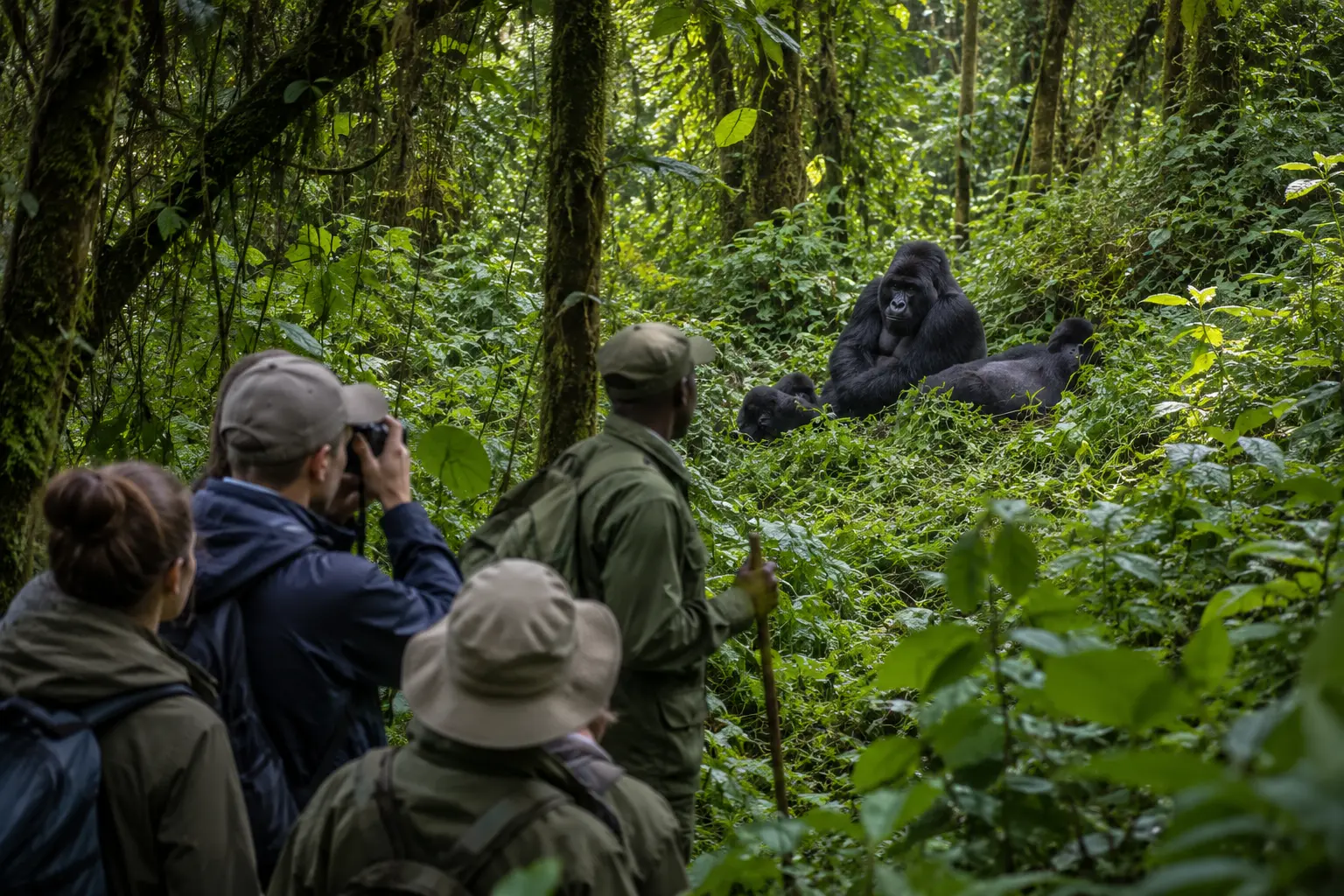 9 Day Safari
9 Days Uganda Wildlife and Gorilla Safari
Explore a wider Uganda wildlife route. Request additional Fort Portal walking time when tailoring the journey.
Explore the SafariWalk the crater hills. Make time for the forest.
Tell BLS Safaris your dates, walking ability and main interests. We will help arrange suitable routes, local guides, accommodation and transfers, with time for the experiences you most want to enjoy.