Wildlife in Ol Pejeta Conservancy
Ol Pejeta is one of Kenya’s strongest wildlife areas when you want close, meaningful game viewing without covering huge distances. Set on the Laikipia plains at the foot of Mount Kenya, the conservancy protects the Big Five, rare northern Kenya species, rescued chimpanzees and one of Africa’s most important rhino populations. This is not only a place to see animals from a safari vehicle. It is a living conservation landscape where every drive shows how wildlife protection, community support and tourism come together.
Big Five Safari in Ol Pejeta
This is one of the best places in Kenya to see the Big Five in a compact and well-managed conservancy setting. Lions, leopards, elephants, Cape buffaloes and rhinos all occur here, giving you a strong chance of enjoying a full Big Five safari without the long distances needed in larger reserves.
The open plains, acacia woodland and grassland pockets make game viewing clear and rewarding. On a good drive, you can scan for elephants moving across the plains, buffaloes feeding in the grass, giraffes browsing through the trees and predators using the cover. Mount Kenya adds a beautiful sense of place. When the skies are clear, you get wildlife in front of you and the mountain rising in the distance. Elephants move freely through the conservancy, feeding across the plains and browsing among whistling thorn trees. Buffaloes are common, while lions, leopards, cheetahs, serval cats, hyenas, jackals and African wild dogs bring excitement to morning and evening drives.
Rhinos in Ol Pejeta Conservancy
Rhinos are the great conservation story here. The conservancy is one of the most important black rhino sanctuaries in East Africa. In 2013, it recorded the birth of its 100th black rhino, a milestone that confirmed its position among Africa’s leading rhino protection areas. Both black and white rhinos live here, making the area one of Kenya’s most reliable rhino-viewing destinations. You are not waiting for a lucky sighting in a vast wilderness. You are visiting a place where ranger patrols, veterinary care, anti-poaching work and careful habitat management protect rhinos every day. Black rhinos are more secretive and stay alert in thicker cover. White rhinos are easier to see in open areas. Seeing both gives your safari real depth.
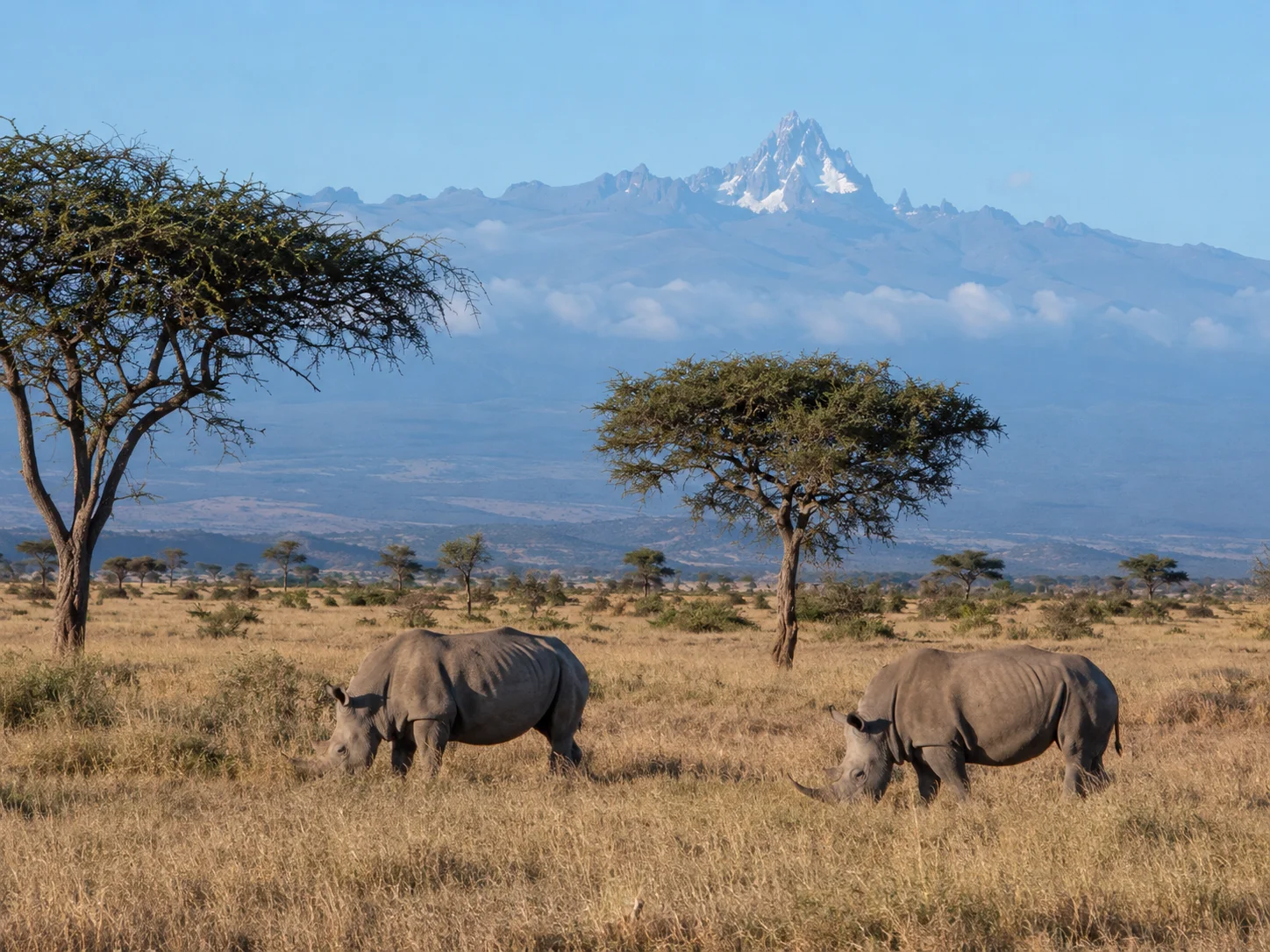
Two rhinos graze across the open plains of Ol Pejeta Conservancy, with Mount Kenya rising in the distance
The Last Northern White Rhinos
Najin and Fatu, the last two known northern white rhinos on earth, live under constant protection in the conservancy. Their story is one of the most moving conservation stories in Africa. Four northern white rhinos were moved from Dvůr Králové Zoo in the Czech Republic to Kenya in 2009. The hope was that the grasslands, climate and protected space would support breeding. The two males, Sudan and Suni, and the two females, Najin and Fatu, lived under 24-hour armed protection in a 700-acre enclosure.
Suni died in 2014. Sudan, the last male northern white rhino, was euthanised in 2018 after age-related complications. Today, Najin and Fatu remain under daily care and protection. Seeing them is not a normal safari sighting. It is quiet, rare and serious. It helps you understand the cost of poaching, the pressure on endangered species and why strong conservation work matters.
Chimpanzees in Ol Pejeta
The Sweetwaters Chimpanzee Sanctuary is the only place in Kenya where travellers can see chimpanzees. The sanctuary gives a safe home to orphaned, abandoned and rescued chimpanzees that cannot return to the wild. This adds a very different side to your safari because you are not only seeing Kenya’s classic savannah wildlife. You are also learning about great ape rescue and long-term care. This visit works well for families, conservation-minded travellers and anyone interested in primates. It gives the journey an educational side without taking away from the wild feeling of the conservancy.
Rare Wildlife and Northern Kenya Species
The conservancy is also excellent for rare and dry-country species that are not seen everywhere in Kenya. Look out for Grevy’s zebra, reticulated giraffe, Beisa oryx, gerenuk, Jackson’s hartebeest, Grant’s gazelle, dik-dik, eland, impala, plains zebra, vervet monkeys, baboons, hippos and bat-eared foxes. These species give the safari a strong northern Kenya character. If you have already visited the Maasai Mara or Amboseli, this wildlife mix feels different. The variety is wider, the conservation story is stronger, and the Laikipia setting gives the experience its own identity.
Birdlife in the Conservancy
Birding adds another rewarding layer to the safari. More than 300 bird species are found across the conservancy. The open plains, wetlands, riverine areas and acacia woodland attract raptors, grassland birds, waterbirds and smaller savannah species. Even if you are not a serious birder, you quickly notice the variety. Birds of prey scan the plains, colourful species move around wetter areas, and a good guide can turn quiet stretches between big sightings into some of the most interesting moments of the drive.
Wildlife Corridors and Rhino Protection
One of the smartest parts of the conservancy is the way wildlife movement is managed. Most animals move freely in and out through specially built game corridors. Elephants, antelopes and carnivores can step over or jump past the knee-high posts placed close together along these corridors. Rhinos cannot pass through them, which keeps them inside safer areas where they are easier to monitor and protect from poaching threats. This system keeps the wider ecosystem open while giving rhinos stronger security. For you, the result is simple: strong wildlife viewing, meaningful conservation, and a safari that feels connected to something bigger than one game drive
Things to Do in Ol Pejeta Conservancy
Game Drives in the Conservancy
Game drives are the main way to explore this Laikipia wildlife area. They work well because the conservancy has open plains, acacia woodland, grassland, riverine areas and good wildlife density across its 360 km² range. A 4×4 safari vehicle gives you the height and comfort needed to scan for elephants, rhinos, buffaloes, giraffes, hyenas, baboons, antelopes and predators moving through the plains. The area is home to the Big Five, along with African wild dog, cheetah, oryx, Grevy’s zebra, Beisa oryx and Jackson’s hartebeest.
You can also see giraffes, hippos, hyenas, baboons, plains zebras, impalas, elands, gazelles and many smaller animals that bring the drives to life. Night drives add a completely different feeling. After dark, the plains change. Your attention shifts to nocturnal wildlife such as aardvark, zorilla, white-tailed mongoose, hyenas, leopards and other animals that become active after sunset.
Lion Tracking
Lion tracking is one of the most interesting activities here because it brings you close to real conservation work. Some lions wear tracking collars, helping rangers locate different prides and understand how they move across the 360 km² conservancy. During the activity, you go out with a ranger or research team and follow the signal to find the lions. The activity runs during the cooler parts of the day, from 06:30 to 08:30 in the morning or 3:30 to 5:30 p.m.
These times are good because lions are more active before the heat rises and again when the day cools. This is not only about seeing lions. You also learn how researchers identify individuals, monitor prides, record movement patterns and protect predators from conflict and poaching threats. For travellers who enjoy big cats, this is one of the strongest hands-on safari activities in the conservancy.
Endangered Species Enclosure
The endangered species enclosure is one of the most important places to visit during your stay. It is the only fenced-off area within the conservancy, created to protect animals that need close monitoring and stronger security. Here, you can see black and white rhinos, including the last two remaining northern white rhinos in the world, both female, protected under 24-hour armed security within an enclosed habitat.
The enclosure also protects Grevy’s zebra and Jackson’s hartebeest, both under pressure from habitat loss and population decline. This visit gives your safari a deeper meaning. You are not only seeing rare animals. You are seeing the care, security and daily monitoring needed to keep endangered species alive.
Chimpanzee Sanctuary Visit
The chimpanzee sanctuary is another major reason this conservancy stands out. It is open daily between 10:00 and 15:30 and has cared for orphaned, abandoned and rescued chimpanzees since 1993. These chimpanzees are not native to Kenya, so the sanctuary gives them a protected island habitat where they can live in a more natural setting after rescue and rehabilitation. This is the only place in Kenya where you can see chimpanzees, making the visit valuable for families, primate lovers and travellers who want something beyond vehicle-based wildlife viewing. The experience also helps you understand the wider story of great ape rescue, animal welfare and long-term sanctuary care.
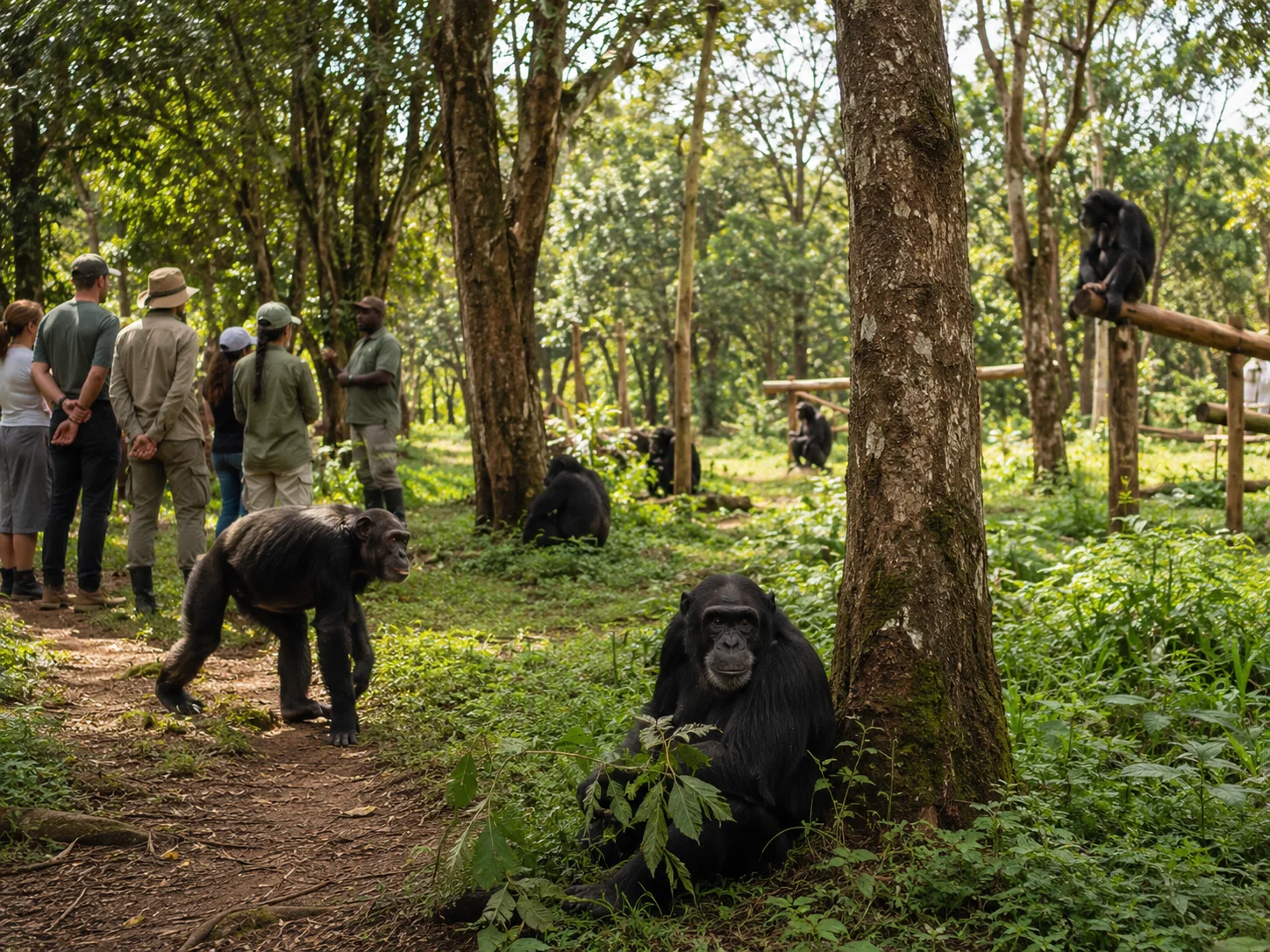
Chimpanzee Sanctuary Visit
Walking Safari and Hippo Hide
A walking safari gives you a slower, closer view of the conservancy. Instead of watching from a vehicle, you walk with trained rangers across the plains, learning about tracks, plants, dung, animal behaviour, insects, birds and the smaller details you miss during a game drive. Walking safaris are arranged in the morning or afternoon, from 06:30 to 09:30 or from 15:30 to 18:30.
The hippo hide adds a calm and rewarding stop to the walk. You head down towards the Ewaso Nyiro River, where hippos rise to the surface and rest in the water. The route also passes indigenous plants used by local communities for cooking and medicine, giving the walk a cultural and ecological side. The hide is open daily between 07:00 and 18:30.
Horse Riding with Rhinos
Horse riding gives you one of the quietest ways to experience the landscape. Moving on horseback means less engine noise and a stronger feeling of being part of the surroundings. In selected areas, you view wildlife from a different angle, with the rhythm of the plains around you. For confident riders, the rhino experience is the highlight. Few places allow this kind of close, controlled wildlife encounter in such a conservation-focused setting. It suits guests who want something more active than a normal drive and are comfortable around horses.
Mountain Biking and Cycling
Cycling and mountain biking bring an active side to your safari. With experienced rangers leading the way, you ride through designated parts of the conservancy, taking in open views, fresh air and the feeling of moving through the landscape at your own pace. This is a good option if you enjoy fitness, soft adventure and a break from sitting in a vehicle. You feel the terrain, notice smaller details and remain in a guided safari setting.
Running with Rangers
Running with rangers is a strong choice for active travellers. You join the conservancy team for an early morning run, keeping your fitness routine while learning about the daily work of the rangers who protect the wildlife here. After the run, there is time for coffee and conversation. That turns the activity into more than exercise. You hear about patrol work, wildlife monitoring, security and the discipline needed to protect rhinos, predators and the wider ecosystem.
Canine Anti-Poaching Unit
The canine anti-poaching unit gives you a close look at one of the conservancy’s important protection teams. Trained bloodhound dogs help rangers track scent trails and support anti-poaching patrols. A visit to the kennels shows how the dogs are trained, cared for and used in real conservation work. This activity explains wildlife protection beyond the safari vehicle. It brings out the discipline, teamwork and security systems that keep endangered species safer on the ground.
Rhino Monitoring and Identification
Rhino monitoring and identification is one of the most conservation-focused activities in the reserve. You join the rhino monitoring team and learn how individual rhinos are identified by their ear notches, body shape, condition, behaviour and movement patterns. The information collected helps rangers understand the health, habitat use and activity of each animal. For travellers interested in rhinos, this experience gives a deeper understanding of what protection means day by day. It is not only about seeing rhinos. It is about learning how each animal is recorded, monitored and safeguarded.
Community Visits and Wildlife-Livestock Integration
Community visits connect your safari with the people living around the conservancy. Local communities benefit through education, water, health, infrastructure, agriculture and livestock-related programmes. A visit helps you understand how conservation supports people as well as wildlife. The conservancy also runs a wildlife-livestock integration model, managing more than 6,000 cattle while preserving wildlife habitat. This is one of the most interesting parts of the work here. It shows how livestock, conservation, tourism and community livelihoods can exist within one managed landscape.
Ol Pejeta House Tour
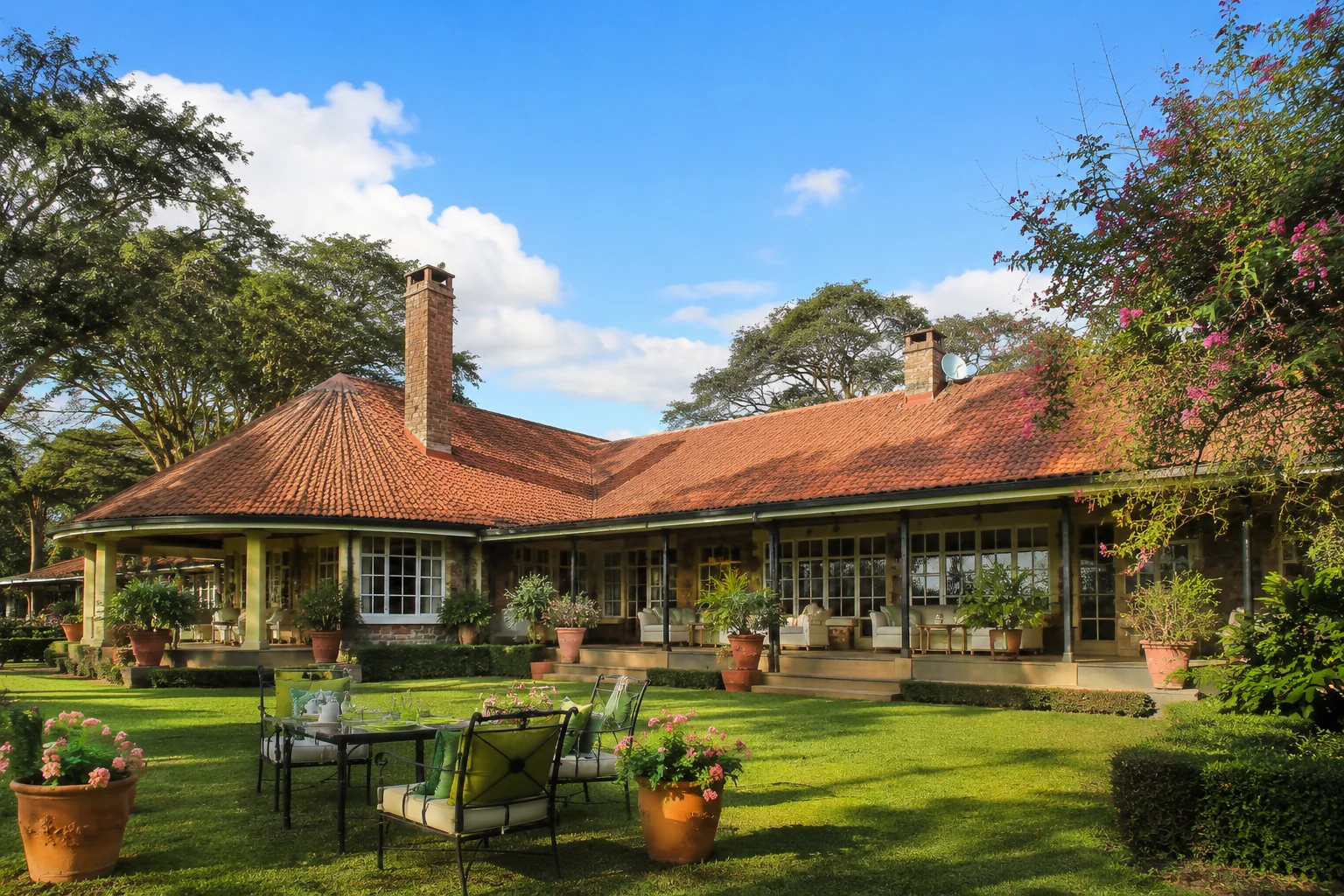
The Ol Pejeta House tour adds a historical side to your visit. The house was once the residence of multi-millionaire Adnan Khashoggi and remains one of the better-known historic properties in the area. Visiting the house gives you a break from wildlife activities and adds context to the land’s past before it became one of Kenya’s leading conservation areas.
Best Time to Visit Ol Pejeta Conservancy
Ol Pejeta is open and rewarding throughout the year, but the best time depends on the kind of safari you want. For clear game viewing, Big Five sightings, rhino encounters, lion tracking and easier movement across the conservancy, the dry season is the strongest choice. For greener scenery, fewer visitors, migratory birds, photography and softer light around Mount Kenya, the wet season also has real value.
Dry Season in the Conservancy
The dry season runs mainly from January to March and June to October. These months give some of the best wildlife viewing because the grass is shorter, vegetation is thinner and animals gather closer to available water sources. This is a strong time for seeing rhinos, elephants, buffaloes, lions, cheetahs, leopards, giraffes and plains game.
From January to March, the plains are green after the short rains, the air is clear and Mount Kenya views can be excellent. February is hot and dry, with an average high of about 27°C / 81°F. Since the conservancy sits around 1,800 metres / 5,900 feet above sea level, evenings can feel cold, dropping to around 7°C / 45°F, so warm layers are worth packing.
February also brings flocks of white storks, and the clear light makes this a good period for photography. Heavy rains begin around mid-March, so late March trips need more flexibility. June to October, the conservancy becomes one of the best places in Kenya for dry-season game viewing. Waterholes become busy, predators follow plains game, and Big Five sightings are strong. July and August are cooler, with average highs around 23°C / 72°F and lows around 9°C / 48°F. September gets a little warmer and is a good month as school holiday crowds begin to reduce.
Wet Season in the Conservancy
The wet season falls mainly from mid-March to May and again during the short rains of November to December. This is the greener side of the reserve, with fresh grass, softer scenery, flowering plants and strong bird activity. It is also a good period if you want fewer vehicles around and better-value lodge rates.
The long rains run from mid-March to May, with April receiving the heaviest rainfall. Roads and tracks can become muddy, and some camps close in May because of the rains. Wildlife remains present, and big cats use roads and drier tracks to avoid wet grass. Temperatures during this period range from about 11°C / 52°F to 25°C / 77°F. By June, the conservancy is mostly dry again, with lush vegetation still covering the plains.
The short rains arrive around late October or November and continue into December. This period turns the grasslands green, brings migratory birds and creates beautiful safari photography conditions. Late September and October are also strong months, with fewer tourists and good chances of seeing cheetahs using taller grass for hunting cover.
November and December can still deliver excellent game viewing, but afternoon showers are part of the season. Average temperatures sit around 24°C / 75°F during the day and about 9°C / 48°F at night. For the strongest all-round safari, choose June to October. For greener landscapes, photography, white storks, migratory birds, fewer crowds and better rates, choose January to March or November to December.
Where to Stay in Ol Pejeta Conservancy
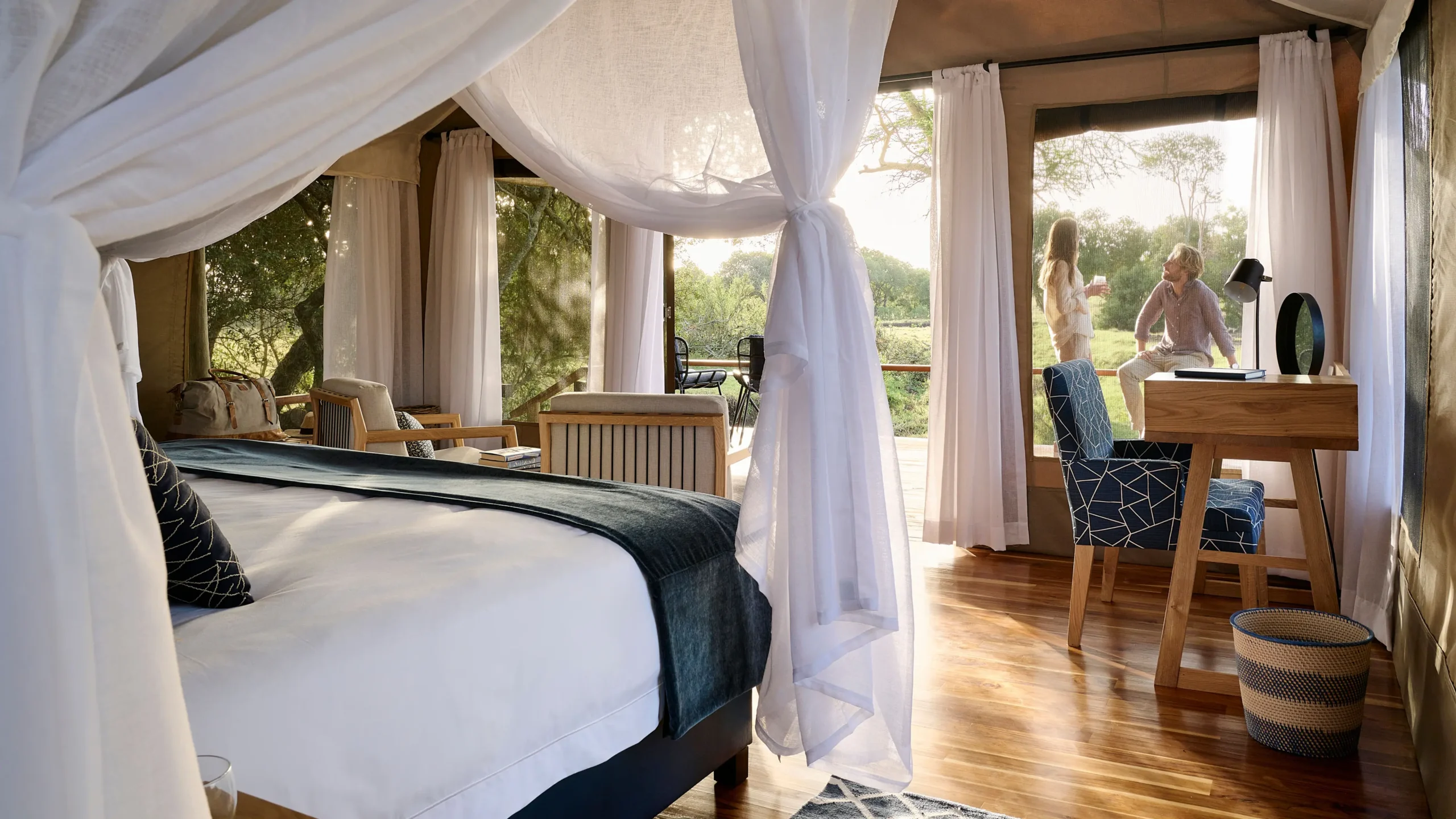
Accommodation around the conservancy ranges from intimate safari camps beside the Ewaso Nyiro River to larger tented lodges with waterhole views, private house-style stays, conservation-focused camps and simpler budget options.
The best place to stay depends on how you want your safari to feel. Some guests want to be close to rhinos and game drives. Others prefer privacy, family-friendly comfort, a strong conservation focus or easy access for a first-time safari.
For the strongest safari flow, stay inside or very close to the conservancy. This gives you faster access to game drives, lion tracking, the endangered species enclosure, the chimpanzee sanctuary, night drives, walking safaris, rhino monitoring and other activities. It also reduces long daily transfers, which matters when you want to be out early before the heat builds.
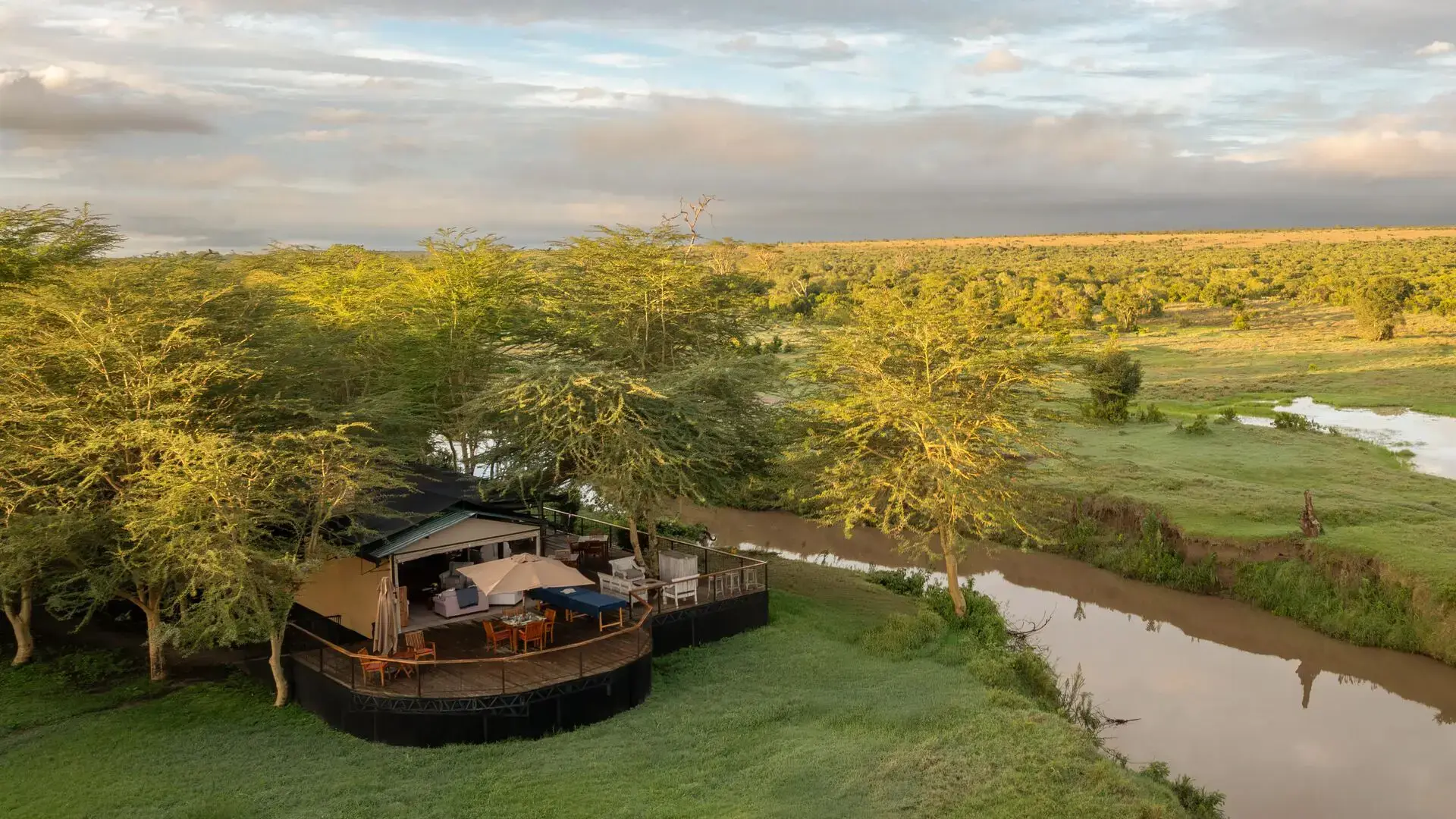
Ol Pejeta Bush Camp
Accommodation Style
Fully furnished tented camp with en-suite bathroomsBest For
Travellers who want a small, close-to-nature camp with strong wildlife access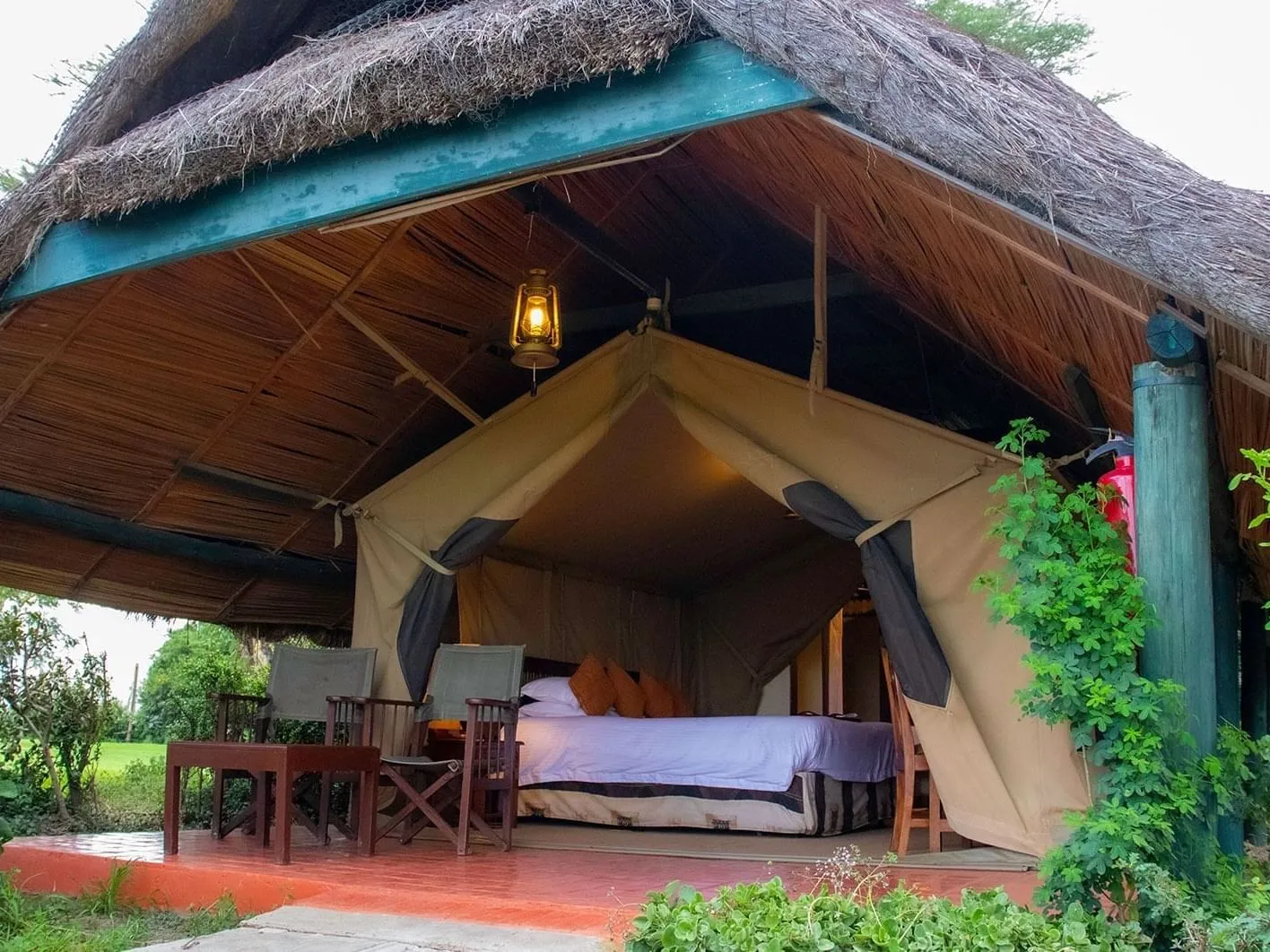
Sweetwaters Serena Camp
Accommodation Style
Large tented camp with about 50 tentsBest For
Families, first-time safari travellers, waterhole viewing and easy access to activities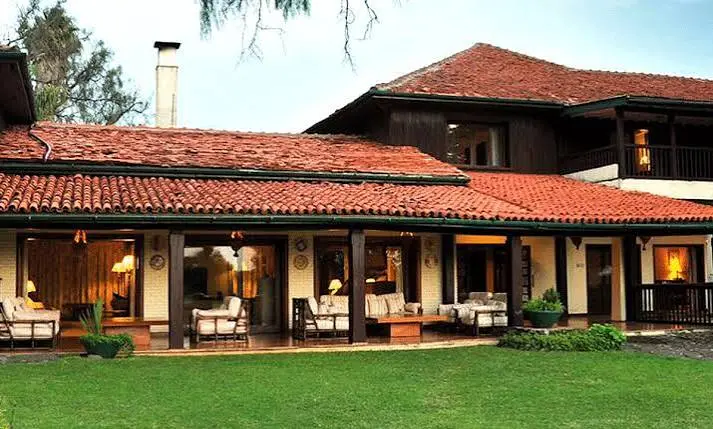
Ol Pejeta House
Accommodation Style
Exclusive house-style stay with a few rooms and two private swimming poolsBest For
Private safaris, families, couples and guests wanting a more exclusive base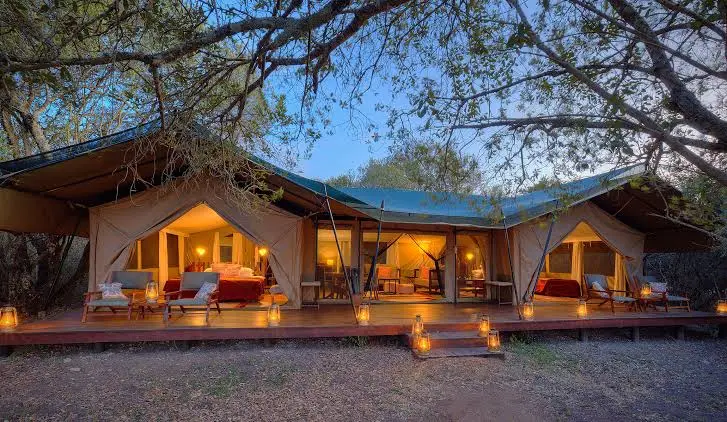
Kicheche Laikipia Camp
Accommodation Style
Luxury conservation-focused campBest For
Travellers who value guiding, privacy and conservation impact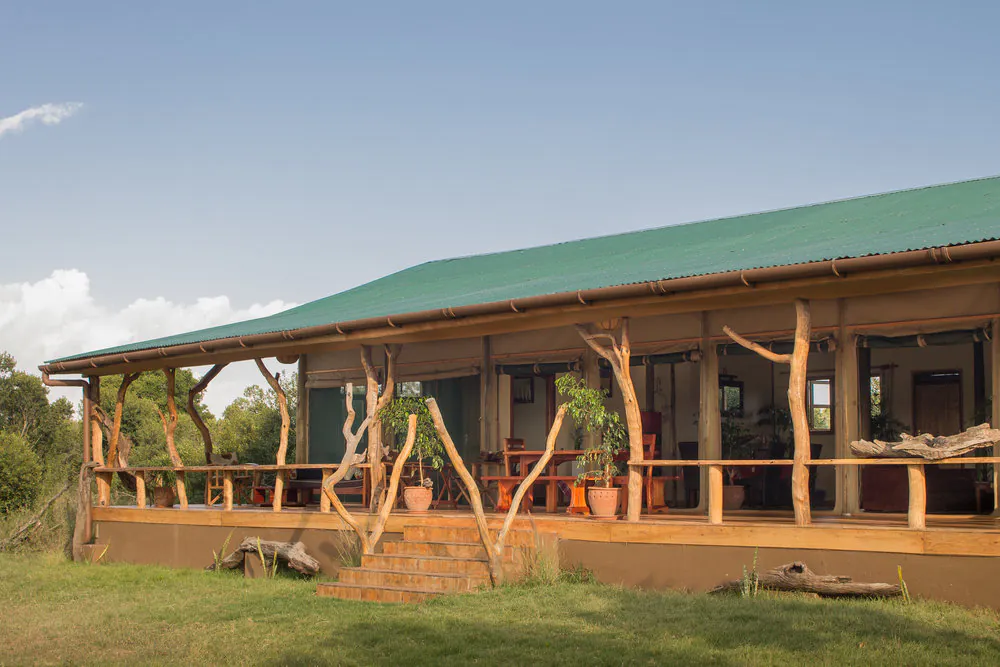
Porini Rhino Camp
Accommodation Style
Eco-friendly safari campBest For
Quiet safaris, rhino-focused trips and low-impact travel