
Arusha National Park, known in Swahili as Hifadhi ya Taifa ya Arusha, sits about 25 km northeast of Arusha city. The drive to the main entrance takes roughly 40 to 60 minutes, depending on your hotel and traffic. Kilimanjaro International Airport lies about 60 km away, while central Moshi is roughly 90 km by road. This location makes the park a strong day trip, an easy first safari after arrival or a final wildlife stop before departure.
The park covers about 552 km² and brings together three distinct landscapes. Mount Meru dominates the west, rising to 4,566 metres as Tanzania’s second-highest mountain. Ngurdoto Crater occupies the southeast with steep forested walls around a marshy floor. The alkaline Momella Lakes spread across the northeast in shades of blue and green, attracting flamingos and other waterbirds. Montane forest, acacia woodland, grassland, wetlands, heath and alpine terrain fit within this compact area.
Arusha is not a park to select for reliable lion sightings. Leopards live here but remain difficult to find in the thick vegetation. Its strength lies in variety. Giraffes, buffaloes, zebras, warthogs and several antelope species use the open areas, while black-and-white colobus monkeys and blue monkeys move through the forest. The lakes support a different wildlife experience, with flamingos, ducks, waders and raptors around their shores.
You are not restricted to a vehicle. Ranger-guided walks, canoeing on Small Momella Lake and the 3- or 4-day Mount Meru climb add an active side to the visit. On a clear day, Kilimanjaro appears beyond the park, while Mount Meru remains close throughout. Arusha National Park therefore works well for travellers who want mountain scenery, primates, birds and several ways to explore without a long transfer from the city.
Top Attractions in Arusha National Park
The scenery changes quickly as you move between Mount Meru’s forested slopes, Ngurdoto Crater, open grassland and the Momella Lakes. Each area brings a different view and wildlife habitat, so a full-day visit gives a better sense of the park than a rushed drive.
Mount Meru
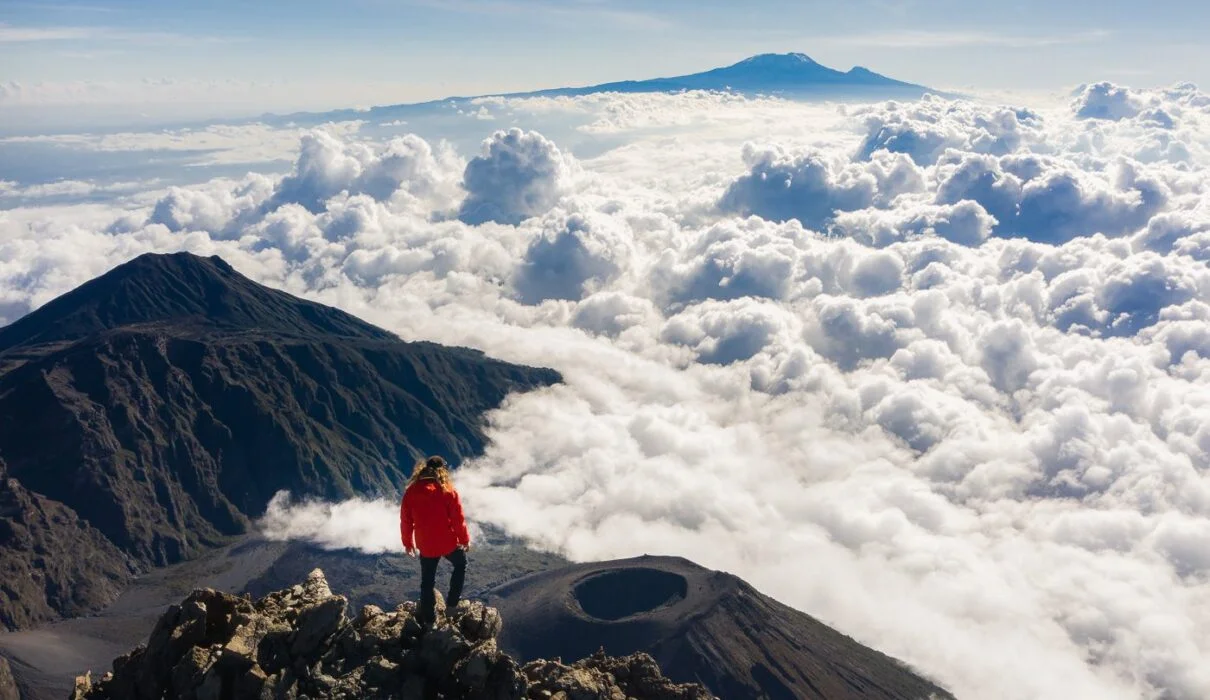
Mount Meru rises to 4,566 metres and forms the physical centre of the park. Its lower slopes carry montane forest, while heath, moorland and alpine terrain appear higher up. Even without climbing, you see the mountain from roads, grasslands and crater viewpoints throughout the day. Trekkers follow a route through wildlife country to Miriakamba Hut and Saddle Hut before the final climb to Socialist Peak. Clear mornings can reveal Kilimanjaro to the east and the broken volcanic rim below.
Mount Meru, Arusha National Park
Ngurdoto Crater and Its Five Viewpoints
Ngurdoto Crater is a steep-sided volcanic caldera with forest around its rim and grassland, swamp and woodland on the floor. Vehicles remain on the rim roads because the crater floor is closed to visitors. Five named viewpoints, Mikindu, The Rock, Buffalo, The Glade and Leitong, provide different angles into the crater. Leitong is the highest and gives a broad view towards the Momella Lakes, Mount Meru and, in clear weather, Kilimanjaro. Buffaloes and other animals feed below, but binoculars help because the distance from the rim is considerable.
Momella Lakes and Lake Longil
The Momella Lakes are shallow alkaline lakes fed by rainfall and underground water. Their different mineral and algae levels create changing blue-green colours, while lesser and greater flamingos gather when feeding conditions suit them. Small Momella Lake is the recognised canoeing area, giving paddlers a quiet view of waterbirds and animals along the shore. Lake Longil is the park’s freshwater lake. Tilapia live in its water, while papyrus and reeds form floating mats that shift with wind and water movement. Give the lake area enough time for birding and photography rather than treating it as a brief stop between wildlife areas.
Tululusia Hill and Tululusia Waterfall
Tululusia means lookout point, a fitting name for a hill with views towards Mount Meru and, when the sky clears, Kilimanjaro. Tululusia Waterfall drops through a narrow gorge cut into soft volcanic soil. The fall is about 28 metres, or 92 feet, high. Red-winged starlings nest around the gorge, while the surrounding forest adds birds, plants and the chance of primate sightings. The waterfall is reached on foot with a ranger and fits naturally into a walking safari.
Serengeti Ndogo, the “Little Serengeti”
Serengeti Ndogo means Little Serengeti. Its open grassland contrasts sharply with the wooded and forested areas around it, giving clear views across the plains. Giraffes, buffaloes, zebras, waterbucks and warthogs feed here, and the open ground makes them easier to watch from a distance. This is one of the best sections for a traditional game drive, particularly after spending time among the lakes or in the forest.
Fig Tree Arch
The Fig Tree Arch formed as the aerial roots of a Ficus thonningii grew downwards and created a natural opening. The arch is large enough for a safari vehicle to pass beneath it, making it an easy photographic stop along the forest road. It is a small attraction compared with Mount Meru or Ngurdoto Crater, but it shows how much of the park’s character comes from its volcanic soils and mature forest rather than wildlife alone.
Wildlife in Arusha National Park
Wildlife changes with the habitat. Forest roads bring primates and smaller animals into view, the open grasslands hold giraffes and plains game, and the lakes support hippos, waterbirds, and animals coming to drink. Arusha does not hold the large predator concentrations found in Serengeti or Ngorongoro, but one day can still produce a varied safari.
Black-and-White Colobus Monkeys and Other Primates
Black-and-white colobus monkeys are among the park’s signature animals. Their long white mantles and tails stand out when they leap between trees, although they can disappear quickly into the canopy. Blue monkeys also live in the montane forest, while olive baboons move through woodland and along roads. Slow driving and time spent watching the upper branches improve your chances of seeing the primates properly.

Black-and-White Colobus Monkeys
Giraffes, Buffaloes, Zebras and Other Large Mammals
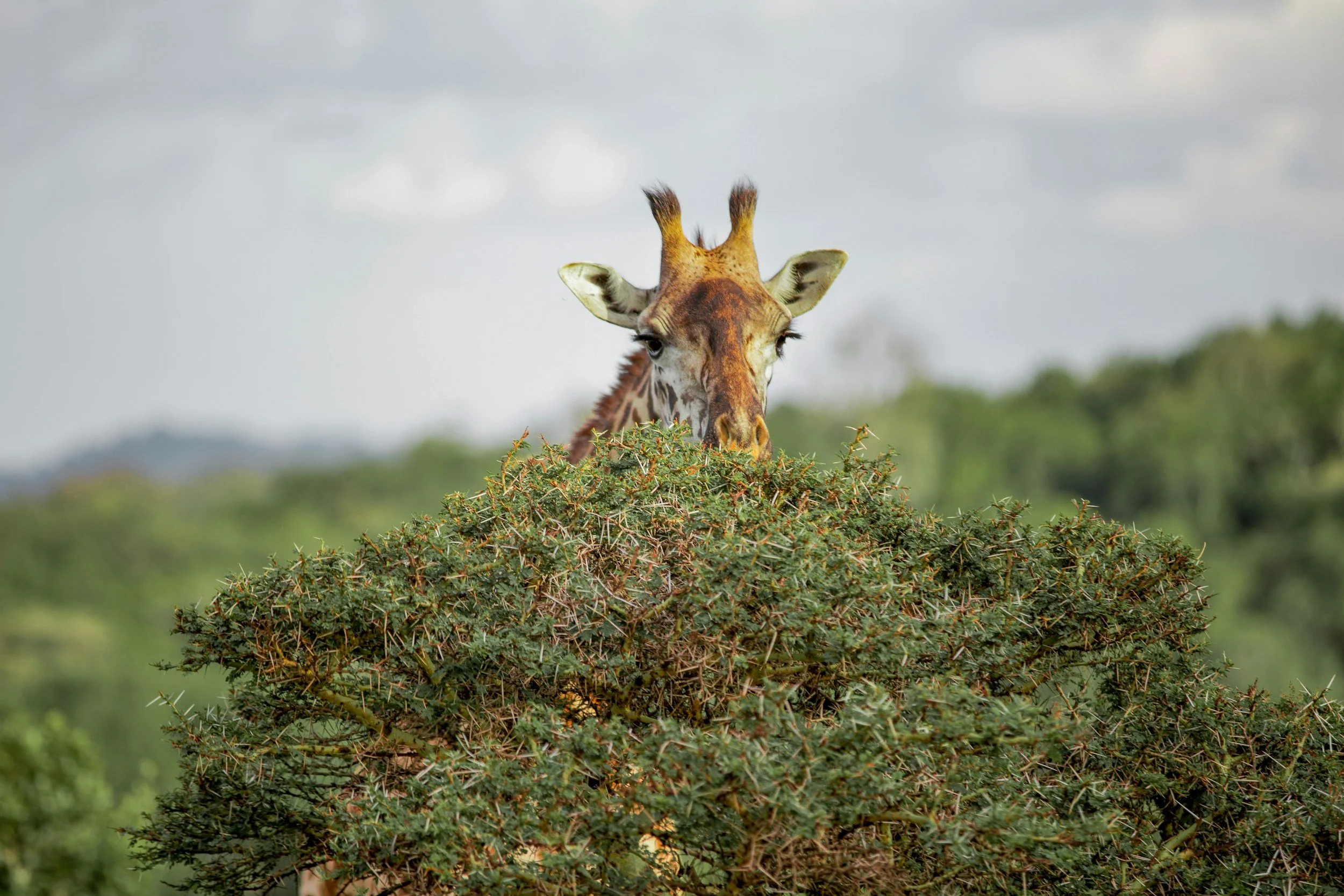
Giraffes are widespread across the woodland and open grasslands. Buffaloes use the Ngurdoto area, forest clearings and places with reliable water, while zebras, warthogs, waterbucks and bushbucks appear in suitable habitat. Hippos occupy lake and wetland areas. Elephants and wildebeest occur in the wider ecosystem but are less dependable sightings here than in Tanzania’s larger northern parks. The park’s compact scale lets you move from forest animals to open-country species within a short drive.
Predators in Arusha National Park
Leopards live in the park, but thick forest and secretive behaviour make sightings uncommon. Spotted hyenas also occur, while African civets and other smaller carnivores are more active after dark, outside normal visitor hours. Lions are not a regular feature of an Arusha National Park safari. Treat any predator encounter as an unexpected highlight and plan the day around scenery, primates, giraffes, buffaloes and birdlife instead.
Flamingos and Birdlife at the Momella Lakes
The Momella Lakes attract greater and lesser flamingos when water chemistry and food levels are favourable, so numbers change through the year. African fish eagles, grey-crowned cranes, herons, ducks, waders and other wetland birds use the lake margins. Woodland and grassland add superb starlings, lilac-breasted rollers and raptors. More than 400 bird species have been recorded in and around the park, making a slow drive with binoculars worthwhile in every season.
Activities in Arusha National Park
Game drives remain the easiest way to cover the main landscapes, but walking, canoeing and climbing bring you closer to the mountain and forest. Activity times depend on park schedules, weather and ranger availability, so they should be arranged before reaching the gate.
Walking Safaris in Arusha National Park
Walking safaris take place with an armed park ranger. Routes cross forest, open ground and the lower slopes of Mount Meru, with Tululusia Waterfall among the recognised destinations. Giraffes, buffaloes, warthogs and colobus monkeys can appear during the walk, but the ranger controls the route and distance according to wildlife and conditions. Walking slows the day down, giving you time to examine tracks, plants, insects and birds that pass unnoticed from a vehicle. Closed shoes, neutral clothing and water are important.
Canoeing on the Momella Lakes
Canoeing takes place on Small Momella Lake under guided arrangements. The paddle normally lasts about 2 to 3 hours and stays close enough to the shoreline for views of waterbirds, buffalo, giraffes, waterbucks and hippos at a safe distance. Flamingos can be present elsewhere in the Momella system, but they cannot be promised for every canoe trip. The activity depends on weather, water conditions and current park approval, so confirm it when planning the day.
Climbing Mount Meru
The Mount Meru climb takes 3 or 4 days and reaches Socialist Peak at 4,566 metres. The route starts at Momella Gate, passes through wildlife habitat and continues to Miriakamba Hut at about 2,514 metres and Saddle Hut at about 3,570 metres. An armed ranger accompanies the climb because buffaloes, giraffes and other animals use the lower trail. The final ascent begins before dawn and follows steep volcanic ground and an exposed crater ridge. Meru is lower than Kilimanjaro, but it remains a demanding high-altitude trek. Its 3- or 4-day schedule, steep summit section and changing weather require fitness, warm clothing and proper mountain equipment. Many climbers use it for acclimatisation before Kilimanjaro, while others treat it as a rewarding expedition in its own right.
Waterfalls and Nature Walks
Shorter guided walks explore the lower forest, streams and waterfalls without committing to the Mount Meru summit. Tululusia is the best-known waterfall inside the park, and routes can be adjusted to the group’s time and fitness. These walks combine well with a morning game drive or the Momella Lakes, allowing you to divide the day between the vehicle and the trail. Rain can leave the forest muddy, so shoes with firm grip remain useful throughout the year.
Maasai Cultural Visits Around Arusha
Maasai communities live in the wider Arusha region outside the national park. A well-arranged visit can introduce you to cattle keeping, homestead life, music, dress and the place of livestock in Maasai society. The strongest experiences are led by community members, allow conversation, and direct a clear share of the visit’s value to the hosts. This activity works before or after the park rather than during wildlife-viewing time.
Local Coffee Tours Near Arusha National Park
Coffee grows on the fertile slopes around Arusha and Mount Meru. A farm visit follows the crop from the coffee tree through picking, drying, roasting and grinding, with a tasting at the end. The experience adds the farming landscape to a park visit and fits well into an arrival or departure day. Locations and transfer times differ, so select a farm that sits sensibly between your hotel, the park and the next stage of the journey.
Best Time to Visit Arusha National Park
Arusha National Park remains open throughout the year. June to October brings the driest roads and firmest walking trails. November and December bring short rains, followed by a warmer period in January and February. The long rains arrive from March into May. Each season changes the scenery, wildlife movement and mountain conditions.
Best Time for Game Drives and Wildlife Viewing in Arusha National Park
June to October is the main dry season. Cooler weather, firmer roads and thinning vegetation support game drives, walking and clear views of Mount Meru. Animals also spend more time near permanent water as the season progresses. July to September receives more visitors, though Arusha remains quieter than Tanzania’s larger northern parks. January and February also provide warm, relatively dry conditions between the two rainy seasons. These months work well for a full day combining a game drive with walking or canoeing. Wildlife remains present throughout the year, so the choice is less about migration and more about road conditions, scenery and the activities you want to include.
Best Time for Game Drives and Wildlife Viewing
Best Time for Mount Meru Trekking and Green Scenery
Mount Meru is most comfortable during the drier periods from June to October and from January to February. The trail remains open in other months, but heavy rain, mud and cloud make the climb harder. Mountain weather changes quickly at every time of year, and the upper ridge can be cold and windy before sunrise. November and December bring the short rains, while March to May carries the long rains. The park becomes greener, waterfalls strengthen, and migratory birds join resident species. Showers can interrupt walking or canoeing, yet mornings can still open with clear views. Birdwatchers and photographers who value fresh vegetation can enjoy these months with waterproof clothing and a flexible day plan.
How to Get to Arusha National Park
Arusha National Park is about 25 km northeast of Arusha city. The short road transfer makes it an easy day trip and a natural first or final stop on a northern Tanzania itinerary. Most visitors enter through Ngongongare Gate, while Mount Meru climbers and some activities use Momella Gate.
Getting to Arusha National Park by Road from Arusha
From central Arusha, allow about 40 to 60 minutes to reach the park entrance. The first part follows the main Moshi road before turning north towards Usa River and the park. Morning city traffic can extend the drive, so an early departure protects wildlife-viewing time. A four-wheel-drive safari vehicle provides the best access inside the park, particularly during wet months when side roads become muddy. The park fits easily before or after Tarangire, Lake Manyara, Ngorongoro or Serengeti, but it is not on the direct western road to those destinations. Return through Arusha before continuing west. Travellers heading towards Moshi or Kilimanjaro International Airport can leave the park and continue east without returning to the city centre.
Getting to Arusha National Park by Air
Kilimanjaro International Airport (JRO) is the main international gateway. It lies about 60 km from the park, and the road transfer commonly takes 1 to 1.5 hours depending on the gate, traffic, and hotel stop. Arusha Airport (ARK) serves domestic flights and safari connections. It sits on the western side of Arusha city, about 35 to 45 km from the park, so the drive can take around one to one and a half hours through town. Travellers arriving through Dar es Salaam can connect by domestic flight to JRO or Arusha Airport. From either airport, the final stage is by road. A same-day park visit works when the flight arrives early, but enough time should be left for baggage, the transfer and park registration.
Where to Stay Near Arusha National Park
Accommodation falls into three useful areas. Lodges near Usa River and the eastern side of Arusha shorten the drive to the park. Coffee-estate properties near Arusha Airport suit domestic flight connections. Central hotels give easy access to shops, restaurants and city services but add traffic to the morning transfer. Confirm the exact property location because an Arusha postal address can cover a wide area