The right Uganda safari operator does more than arrange transport and accommodation. A thoughtful operator shapes gorilla trekking and wildlife experiences around your interests, schedule, and preferred pace.
It’s natural to want clear answers before booking, especially when a safari involves several destinations, permits, lodges, and travel days. Ask how the itinerary is planned, what the quoted price includes, and how the route supports responsible tourism.
In this guide, you’ll find 10 essential questions to ask before you book. They cover trip planning, local guidance, eco-tourism, practical arrangements, and ways to tailor a safari to your needs, helping you choose a journey that feels right for you.
Key Takeaways
- Learn how to compare gorilla trekking and wildlife itineraries, including trips that combine Uganda with nearby destinations.
- See how safari choices can support eco-tourism and connect travel with local culture and communities.
- Assess an operator’s reputation by considering reviews, guide experience, communication, and legal recognition.
- Understand how a private, tailor-made itinerary can bring wildlife tracking, primate experiences, and different regions together at your preferred pace.
- Use clear questions about planning and trip arrangements to decide which safari approach best fits your needs.
Uganda Safari Operator Packages for Gorilla Trekking and Wildlife
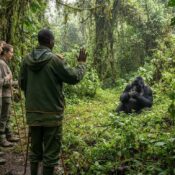
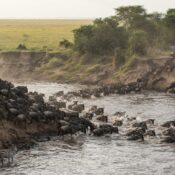
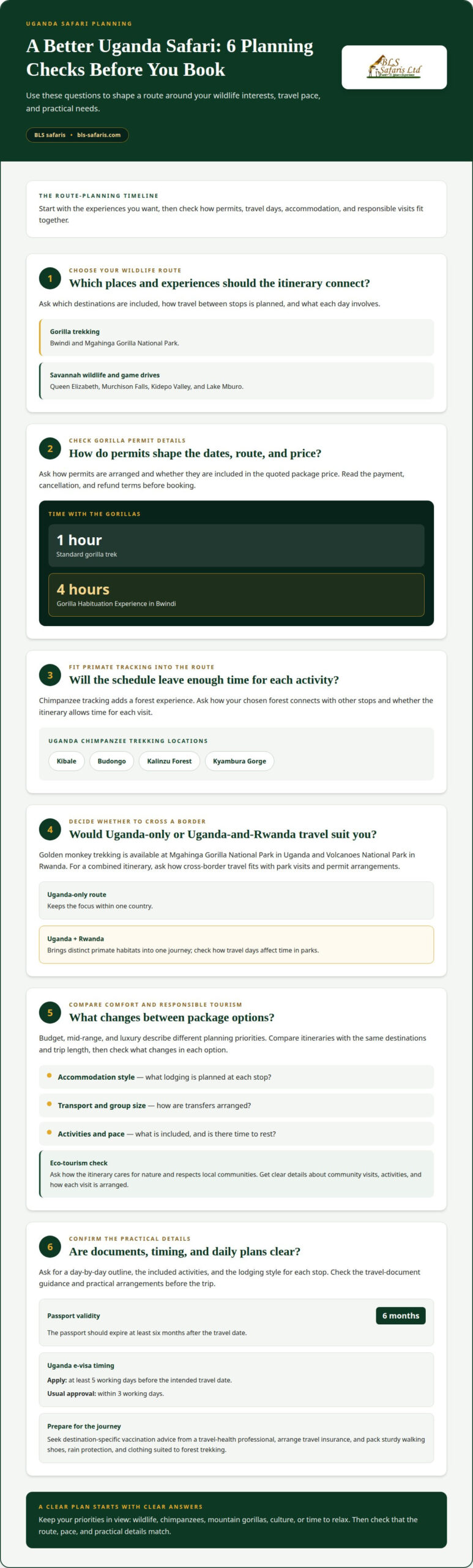
Safari packages can combine gorilla trekking, chimpanzee tracking, and savannah wildlife in one route. Before booking, ask which destinations the itinerary covers, how travel between stops is planned, and what each day includes. Uganda’s options include Bwindi and Mgahinga for gorilla trekking, plus Queen Elizabeth, Murchison Falls, Kidepo Valley, and Lake Mburo for game drives.
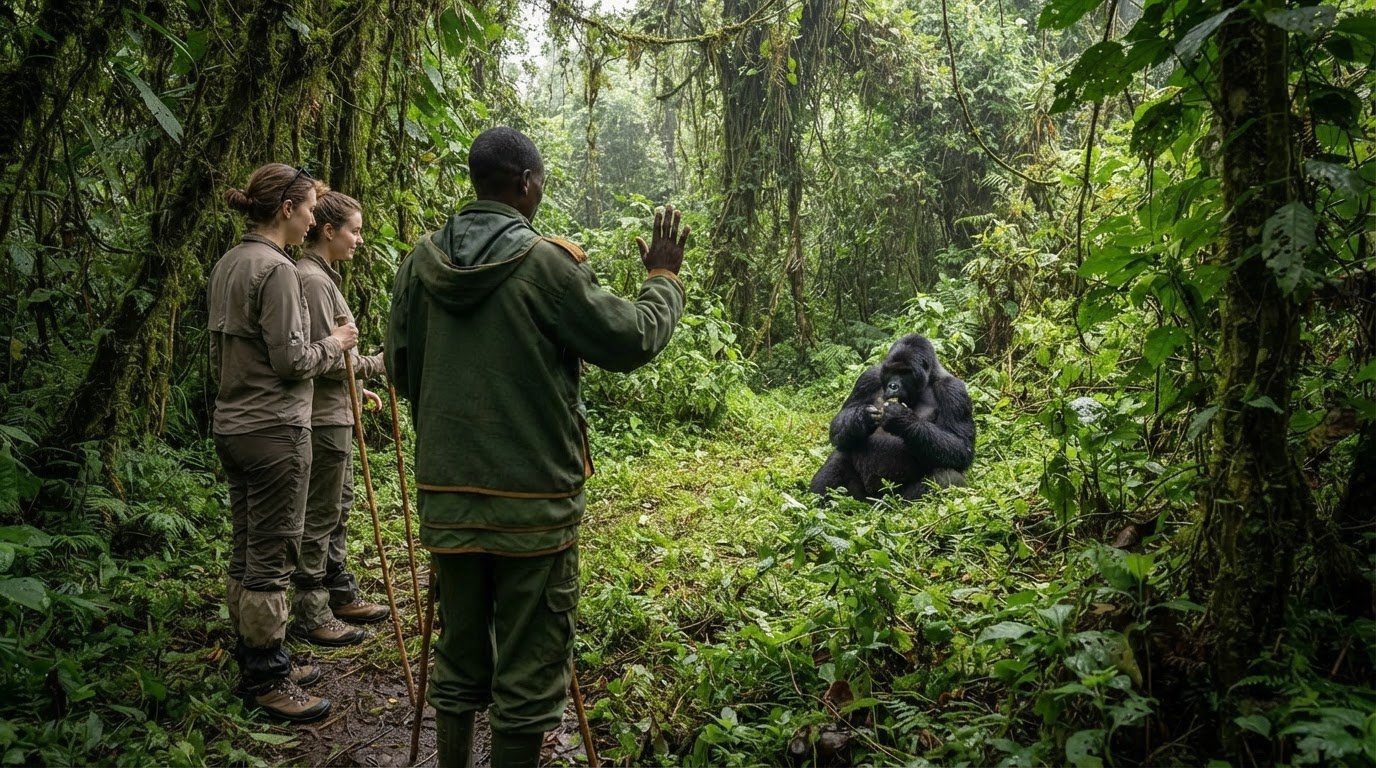
Gorilla permits shape trek dates and routes, so ask how permits are arranged and whether they are included in the quoted package price. Read the payment, cancellation, and refund terms before booking. A standard trek allows one hour with the gorillas, while the Gorilla Habituation Experience in Bwindi allows four hours.
Chimpanzee trips can add a forest experience to a wildlife itinerary. Kibale, Budongo, Kalinzu Forest, and Kyambura Gorge are Uganda trekking locations. Ask how the operator connects your chosen forest with other stops, such as Queen Elizabeth National Park, and whether the itinerary leaves enough time for each activity. A Uganda safari operator can explain how the route connects these experiences.
Golden monkey trekking is available at Mgahinga Gorilla National Park in Uganda; Rwanda’s Volcanoes National Park is another destination. For a cross-border itinerary, ask how travel between countries fits with park visits and permit arrangements. Combining Uganda and Rwanda brings distinct primate habitats into one journey, while a Uganda-only route keeps the focus within one country.
For travel documents, Uganda’s Directorate of Citizenship and Immigration Control says a passport should expire at least six months after the travel date. Submit an e-visa application at least five working days before your intended travel date; e-visas are usually approved within three working days. For vaccinations, seek destination-specific advice from a travel-health professional, arrange travel insurance, and pack sturdy walking shoes, rain protection, and clothing suited to forest trekking.
If mountain walking matters as much as wildlife, discuss the Rwenzori Mountains or a separate Kilimanjaro trek in Tanzania. These are different experiences from gorilla tracking and need their own route planning. A Uganda safari operator can help shape the trip around your priorities. Review Uganda gorilla trekking and wildlife package options for route ideas.
How Do Tour Operators in Uganda Support Eco-Tourism?
Eco-tourism connects wildlife travel with care for nature and respect for local communities. Ask how the itinerary balances time in places such as Bwindi, Kibale, and Queen Elizabeth National Park with community visits. Look for clear details about the activities and how visits respect local culture and wildlife.
Budget, mid-range, and luxury describe different planning priorities, not simply different labels. Ask what changes between options: accommodation style, transport arrangements, group size, and included activities. Then compare itineraries with the same destinations and trip length. This makes it easier to see whether a lower-cost plan changes the lodging, pace, or comfort you value.
For a seven-day Uganda primates, wildlife, and leisure safari, discuss how forest visits and wildlife viewing fit alongside rest time. Ask how the selected lodges and daily routes support your preferred travel style. Discussing these choices early helps align comfort, nature experiences, and time spent travelling, without assuming one package suits every traveller.
A Uganda and Rwanda combined tour adds cross-border planning to wildlife viewing and mountain gorilla experiences. Ask how the route links each country, what activities happen on each side, and how travel days affect time in parks. For chimpanzee tracking, discuss whether Kibale Forest in Uganda fits your route, and how any Rwanda portion complements that experience. Uganda and Rwanda safari planning can also help frame the questions you want answered.
Community and cultural tours need thoughtful planning, too. Ask which community visits are included, what you’ll do, and how each visit is arranged. A guided cultural stop can sit alongside a wildlife day if the schedule allows time for both. Clear details help you choose activities that match your interests and respect the people hosting them.
Before choosing a package, ask for a day-by-day outline, the activities included, and the lodging style for each stop. Then explain what matters most: wildlife, chimpanzees, mountain gorillas, culture, or time to relax. To shape those priorities into a route, request a safari quote with your preferred destinations and travel style.
Why Choose Uganda Safari Operators?
Compare safari companies by looking at their itineraries, traveller feedback, and the way they communicate. To assess a Uganda safari operator, consider whether its experience and trip details suit your plans, not just its overall rating.
Operator Reviews and Reputation
Read traveller reviews on TripAdvisor, SafariBookings, and Google Reviews. Look beyond the rating: do travellers describe clear planning, helpful responses, and trips that matched their expectations? Review counts provide context, but a large number alone doesn’t show whether an operator suits your plans.
Look for feedback about the experience you want. A review describing gorilla trekking in Bwindi may show how an operator handles that trip, while a national park wildlife drive reflects a different itinerary. Compare comments across separate trips and note whether similar strengths or concerns appear more than once.
Traveller Feedback and Guide Experiences
Guides can shape how you understand wildlife and the places you visit. Look for comments about their communication, local knowledge, and support during activities. For example, a traveller might describe how a guide explained the day’s route or helped the group understand what to expect during a mountain trek.
Read both positive and critical feedback, then consider how the operator responds to concerns. A calm, specific reply can show how the company handles communication after a trip. Comments about guiding and itinerary coordination are often more useful than general praise.
Comparing Itineraries and Service
Compare proposed itineraries day by day. Look at destinations, activities, accommodation style, travel time, and included services. Two trips may both visit a national park yet differ in time for wildlife viewing, rest, or local experiences. Ask for a clear explanation of these differences before deciding.
Consider communication alongside reviews and itinerary details. Did the operator answer your questions clearly, explain the booking terms, and respond to your preferences? These details help you judge the planning experience as well as the trip itself. Ask how the proposed route fits your interests.
Before booking, read the written itinerary and cancellation and refund terms. Confirm that the agreed route and activities appear in the plan. Then consider the feedback, service details, and trip outline together to decide which operator best matches your plans.
Tour Operator Communication, Experience, and Legal Recognition
A reliable tour operator should explain how your safari is planned, what it includes, and who handles each arrangement. Ask how the team coordinates gorilla trekking, chimpanzee tracking, and travel between destinations. Clear answers help you understand the operator’s responsibilities and the decisions that remain yours.
With an unlicensed or unreliable operator, accountability can be unclear if arrangements change or promised services are missed. Check licensing and membership in relevant industry associations, such as the Association of Uganda Tour Operators (AUTO), alongside written terms and independent reviews.
Experience matters most when it applies to your specific Uganda tour. Ask how the team plans routes to Bwindi, Kibale, or Queen Elizabeth National Park, and who will guide each activity. A useful answer explains how transport, park visits, and activity timing fit together, rather than relying on a general claim of expertise.
Communication offers a practical test before booking. Send a clear request that names your preferred destinations, travel pace, and interests. Notice whether the reply answers each point, explains itinerary choices, and sets out payment, cancellation, and refund terms. You can also compare how a local operator works with travellers as you consider the support you want.
Ask whether airport transfers, lodging, meals, and park vehicles are included in your package. Inclusions can vary by itinerary, so the written proposal should identify what is covered. This detail helps prevent confusion about transfers to Bwindi or meals during a wildlife safari.
Tour formats affect the feel of a trip. A Uganda safari group usually has 5 to 15 people, while a private safari typically gives travellers their own vehicle and more flexibility over departure times and stops. Ask which format applies, who coordinates each day, and how changes are handled.
Before booking, compare the operator’s answers with your priorities: route, guiding, communication, and written terms. The operator coordinates agreed arrangements and explains practical details, while you provide accurate preferences and follow activity guidance. For gorilla trekking or chimpanzee tracking, clarity at each step makes the plan easier to understand.
Private and Tailor-Made East African Safaris
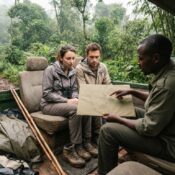
A private safari gives your party its own vehicle, with more flexibility over departure times and time spent at each stop. That can matter when balancing wildlife drives with forest tracking or a slower pace. A tailor-made route starts with your priorities, then fits destinations and activities around them.
For example, a Uganda itinerary could connect gorilla trekking in Bwindi, chimpanzee tracking in Kibale, and game drives in Queen Elizabeth National Park. Each stop offers a different experience, so discuss how much time you want for primates, savannah wildlife, and rest. The route should account for travel between locations, not just list parks.
Private travel also lets you shape each day around your interests. You might prefer an early start for wildlife viewing, extra time at a scenic stop, or a relaxed afternoon after trekking. Ask how the plan accommodates changes in pace and what happens if a day’s drive takes longer than expected.
An East African safari can cross borders. Uganda, Rwanda, Kenya, and Tanzania offer different combinations of wildlife and landscapes, and each added country affects the route. Decide which experience matters most, such as a Uganda gorilla trek or savannah viewing in Tanzania, then discuss how border crossings and travel days fit the plan.
Share practical preferences before the itinerary is built: your activity interests, preferred accommodation style, and comfort with long drives or walking. These details help shape a route that suits your group rather than an assumed “standard” safari. A tailor-made Uganda itinerary can bring those choices together in a clear plan.
Before booking, review the day-by-day route and identify the main experience at each stop. Check that tracking, game drives, and downtime fit your priorities, then make sure the written plan reflects your discussion. The best private safari is not the one with the most destinations, but the one that gives meaningful time to the experiences you value.
BLS Safaris: Uganda Safaris
BLS safaris is a natural next step if you want help shaping a Uganda safari around your priorities. Its Uganda Safaris bring together wildlife, gorilla trekking, culture, and beach experiences, with local guidance and clear routing. Share the activities and pace that matter most, then work through a route designed around them.
For a wildlife-focused trip, the planning can bring together game drives and time in Uganda’s national parks. A gorilla trekking itinerary can instead centre on Bwindi or Mgahinga, with travel and accommodation arranged around the trek. If chimpanzee tracking or cultural experiences matter too, include them in the initial discussion so the route reflects your interests.
BLS safaris also offers East Africa Safaris, Kenya Safaris, and Tanzania Safaris. These options suit travellers considering more than one country or focusing on a different destination. The right route depends on the experiences you value, how much time you want in each place, and how you prefer to travel. Clear routing shows how destinations connect before you decide.
Accommodation is part of the safari plan, with handpicked lodges selected to fit the itinerary. Rather than arranging a lodge stay alone, the plan considers each lodge alongside destinations, activities, and travel between stops. Review the written itinerary to see how each stay fits the route and where each day takes you.
Transparent pricing helps make the plan easier to understand. BLS safaris can explain the arrangements in the proposal, including how the chosen route and experiences shape the overall safari. The company lists UTB License UTB/RTT/TT/2025/101532 and membership in AUTO, UTB, and UWA. These details provide useful context as you consider the planning relationship.
From the first enquiry through travel, BLS safaris supports the planning process. To make the conversation useful, share your preferred destinations, interests, travel pace, and any experiences you want to combine. You can then discuss a Uganda safari or a wider East Africa journey with the details that matter to you in view.
Contact BLS safaris to discuss your safari plans.
Shape a Safari That Feels Right for You
Start by listing what matters most: the experiences you hope to have, the pace you enjoy, and the flexibility you need. These priorities give a Uganda safari operator a useful starting point for shaping a journey around you, rather than asking you to fit a standard route.
You don’t need every detail settled before planning begins. Start with the experience you care about most, then consider which other interests belong naturally in the same trip. A clear conversation about your preferences can turn broad ideas into a practical direction for your safari.
When you’re ready to explore the possibilities, share what you have in mind and take the next planning step.
Your journey can begin with a simple idea and grow into an experience shaped around you.
Frequently Asked Questions
How long does a gorilla trek take?
A mountain gorilla trek can take from 1 to 8 hours, depending on the gorilla group’s location and the terrain. The walking time can vary even within the same destination, so plan for a full activity day rather than assuming a short walk. In Uganda, Bwindi and Mgahinga are gorilla trekking destinations. A standard trek allows one hour with the gorillas after the group is found.
What are the best-rated Uganda safari operators?
There isn’t one best operator for every traveller, so consider ratings alongside review details and your itinerary needs. BLS Safaris has a 4.8 / 5 average rating across SafariBookings. Read reviews about trips similar to yours, such as gorilla trekking or wildlife drives, and look for specific comments about planning and guiding. Review counts add context, but they don’t replace reading what travellers describe.
Which Uganda safari operators are licensed by the Uganda Tourism Board?
BLS Safaris is licensed by the Uganda Tourism Board (UTB/RTT/TT/2025/101532). This is the licensing information available here; it doesn’t establish a complete list of licensed operators. When considering another company, look for its current license details and association memberships in its own booking information. Keep the operator’s name and license reference with your trip documents so the details are easy to identify.
What is the average cost of a Uganda safari, including permits and park fees?
There isn’t one reliable average cost for every Uganda safari: prices depend on destinations, travel dates, accommodation, transport, and activities. BLS Safaris provides transparent, itemised quotes that include permits, transport, lodging, and meals, with no hidden fees, ever. Review the itinerary to see which activities are included. A route with gorilla trekking differs from one focused on wildlife drives.
Which safari operators offer gorilla trekking and chimpanzee tracking in Uganda?
BLS Safaris offers both experiences in Uganda. Its listed 5-Day Uganda Gorilla & Chimpanzee Safari combines gorilla trekking and chimpanzee activities in one itinerary. Other listed trips focus on particular destinations, including Kibale and Bwindi. Compare the route and daily plan to understand how the two activities fit together, and whether the itinerary gives enough time for the destinations you want to visit.
What deposit, cancellation, and refund policies do Uganda safari operators offer?
For BLS Safaris, a deposit is required to secure permits. Before paying, read the booking terms for cancellation deadlines, refund conditions, and how permit arrangements are handled if plans change. Keep the written terms and payment confirmation with your travel records. Operators can have different policies, so rely on the terms for your specific itinerary rather than assuming another company’s rules will apply.
Which Uganda safari operators offer private, small-group, budget, or luxury trips?
BLS Safaris packages accommodate 1-12 participants, and itineraries can be customized around dates, pace, budget, and preferred experiences. Its listed trips include the 3-Day Luxury Bwindi Gorilla Trekking Safari, while other routes combine wildlife and primate activities. Share whether you prefer a private journey or a group setting, then compare the proposed itinerary and accommodation style with your priorities.