A great safari quote can clarify trip details while capturing the spirit of an African adventure. It can also be a line worth keeping: funny, famous, or full of the promise of travel.
It’s easy to see why humor belongs in safari memories. One well-known joke imagines a group making do with food and water after forgetting the corkscrew, while other sayings put the wonder of the wild into words you can share.
Here, you’ll find playful safari quotes, memorable lines associated with African travel, and adventurous words for captions or keepsakes. You’ll also learn how to review a safari quotation’s inclusions and exclusions, so inspiration and practical details can sit side by side.
Key Takeaways
- Choose a saying that fits the moment, from African wildlife and nature to the wider spirit of travel.
- Use playful safari humor to bring a lighter touch to memories and captions.
- Find inspiration in encounters with animals and the lessons that travel can offer.
- Explore memorable lines that pair well with safari photos, including quiet morning scenes.
- See how BLS safaris can help shape an East Africa, Uganda, Kenya, or Tanzania journey.
Safari Quote: Can’t Find Your Favourite Africa Travel Quote or Safari Saying?
Inspirational quotes about African safaris often connect discovery with respect for nature. A line about watching elephants cross open grassland can remind travelers that a safari means observing, not controlling, the wild. For a caption, choose words that suit the moment: a quiet sunrise, a distant call, or a first glimpse of wildlife.
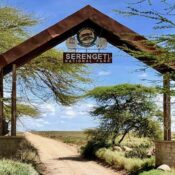
Quotes about safari and wildlife also capture the scale of Africa’s landscapes. A saying attributed to R. Elliot recommends visiting Africa twice if someone visits only two continents in a lifetime. The Serengeti offers another perspective: its rhythms have played out for millions of years, giving a short phrase about patience a vivid setting.
For African wildlife captions, choose a detail that brings the animal to life. An elephant’s slow walk, a giraffe feeding above the grass, or a leopard resting in the shade can anchor your words. These examples work better than a broad claim about the jungle because each points to a specific encounter.
Famous quotes about wildlife and conservation often express care for animals and the places they depend on. A conservation-minded caption can connect a sighting to habitat, such as: “Protect the wild places that let wildlife thrive.” This is an original example, not a quotation attributed to a public figure.
Nature quotes can also draw meaning from a real landmark. David Livingstone first saw Victoria Falls in 1855, and he described the opposite lip of the fissure as 80 feet away. Those details show how a named place and a measured observation can make travel writing more memorable.
Quotes about going on your first safari can focus on curiosity rather than expertise. Try a simple line such as, “The first sighting turns the map into a living place.” If Uganda is part of that first journey, a Uganda safari guide for first-timers can help put the experience in context.
To find a saying that fits, start with the moment you want to remember, then name its place, animal, or feeling. “A leopard in the morning light” suits a photograph; “Africa reminds us to look closer” suits a broader reflection. Specific words make wildlife and nature quotes feel connected to the experience.
Funny safari quotes
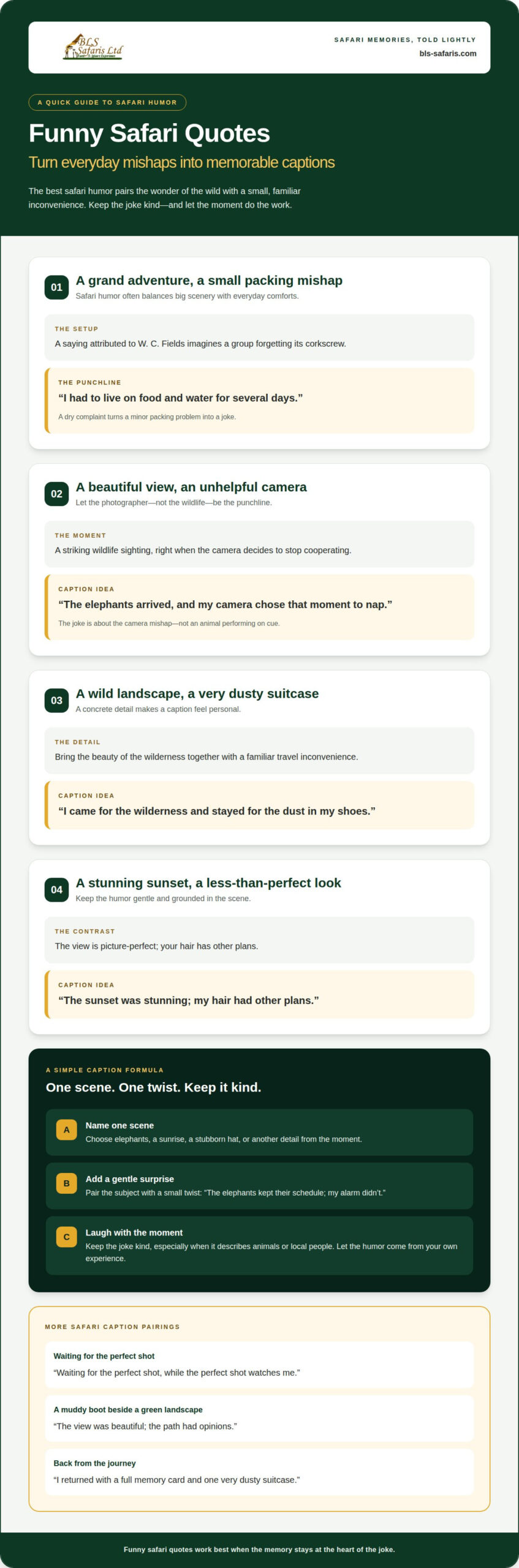
Funny safari quotes bring the spirit of the wilderness down to earth. A humorous saying attributed to W. C. Fields tells of a group forgetting its corkscrew. The speaker says he had to live on food and water for several days. That dry complaint turns a small packing mishap into a joke and shows why safari humor often balances grand scenery with everyday comforts.
For a fresh caption, pair a beautiful view with a familiar inconvenience. Try: “The elephants arrived, and my camera chose that moment to nap.” This original line gives the photographer a playful role without suggesting wildlife performs on cue. Another option: “I came for the wilderness and stayed for the dust in my shoes.” A concrete detail makes the joke feel personal.
Humor can also soften the big emotions people bring to a trip. An original caption might read, “The sunset was stunning; my hair had other plans.” Or, “No sorrows survived the sight of elephants crossing the road.” Keep the joke kind, especially when it describes animals or local people. The goal is to laugh with the moment, not make wildlife the punchline.
Use a funny line where it fits the memory. A candid photo of a photographer adjusting a lens could suit: “Waiting for the perfect shot, while the perfect shot watches me.” A muddy boot beside a green landscape might inspire: “The view was beautiful; the path had opinions.” These examples stay light while preserving the wonder of living landscapes.
A short caption usually works best when it names one scene and adds one twist. Start with the subject, such as elephants, a sunrise, or a stubborn hat. Then add a gentle surprise: “The elephants kept their schedule; my alarm didn’t.” This simple pattern makes a line easy to remember and keeps the joke from feeling overworked.
Some travelers say a safari changes you forever; a humorous caption can keep that feeling grounded. Try: “I returned with a full memory card and one very dusty suitcase.” If these lines have you imagining your own journey, you can share your safari plans and turn the idea into a trip shaped around your interests.
Adventure inspiration
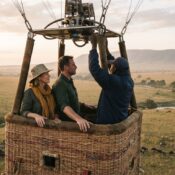
An inspiring safari line can turn a wildlife sighting into a travel memory. Imagine a giraffe moving across the plains as the morning light shifts. An original caption might say, “Adventure begins when the horizon stops being a picture.” That line links a clear scene with the feeling of seeing it firsthand. Use a place or animal from your own journey to make the words personal.
A leopard resting beneath a tree can inspire a quieter reflection. Try, “Patience is part of the view.” This short line suggests a lesson without claiming the animal posed for anyone. It also suits a photograph where the leopard blends into the shade. Let the details in the image guide the words, rather than adding a dramatic claim the scene doesn’t support.
Some adventure sayings focus on stepping away from familiar routines. For a winding trail or open landscape, an original caption could read, “The best turn was the one I hadn’t planned.” This idea fits a journey through changing scenery, from forest paths to wide grasslands. “Nowhere on earth feels quite like this moment” is another personal line, best reserved for a place that truly moved you.
To shape your own safari saying, begin with one vivid detail. Name the animal, landscape, or feeling you want to remember. Then connect it to a simple thought: a giraffe’s calm stride might suggest steadiness, while a leopard’s stillness might call for patience. Keep the words true to what you saw. A small, honest observation often carries more feeling than grand claims.
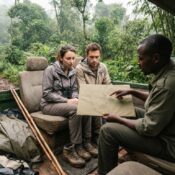
Adventure can bring different emotions into one day. A quiet forest walk may feel reflective, while a distant elephant call can make the landscape feel suddenly alive. Try writing two short notes after each outing: one about what happened and another about how it felt. Those details can become a caption later, without relying on borrowed words or overstating the experience.
For a final line, pair a concrete image with a personal lesson. “I followed the track and found a wider world” suits a day exploring beyond the main road. “The journey taught me to look twice” works for a fleeting glimpse of a bird or leopard. These original examples leave room for your own memory, making each adventure quote specific to the experience.
Famous safari quotes
Some famous safari sayings describe the feeling of being among wild animals. One compares safari life to drinking half a bottle of champagne. The image suggests excitement, warmth, and a pleasant sense of unreality. It can suit a morning drive, a quiet camp, or a first view across open country. Keep the wording close to the version you know, since this saying is often shared without a named author.
A good caption connects the words to the scene in your photograph. For a sunrise over the plains, an original caption might read, “Morning arrived with the wild already awake.” For elephants crossing a track, try, “The road paused for its oldest travelers.” These are fresh examples, not quotations from famous writers. Naming the animals or setting adds a personal detail to a familiar idea.
People often want a quote that captures how Africa changes a traveler. That feeling can be meaningful without promising that every journey changes everyone forever. An original line such as “I came home carrying the quiet of the savannah” keeps the focus on one person’s experience. It works best beside a photograph showing the place or moment behind the words.
Before using a quote, distinguish a known saying from an original caption. Record the author when a reliable attribution is available, and avoid adding a famous name based on memory alone. If no author is known, introduce the words as an anonymous saying. This small step helps preserve trust, especially in a public post or printed travel album.
Choose a caption by matching its tone to the image. A playful line suits a candid animal encounter, while a thoughtful phrase fits a still landscape. For example, “The morning had no need for an alarm” can accompany a sunrise scene. A close view of a giraffe may call for a simpler note about patience or perspective. Short wording lets the photograph remain central.
Famous lines also work well in a travel journal. Add the date, location, and animal beside the quotation, then write one sentence about what you noticed. A note about waiting quietly for a leopard, for instance, gives the memory context beyond the caption. Pairing a quote with your own observation helps preserve the scene without passing off an original thought as someone else’s.
Use famous safari quotes as a starting point, not a substitute for your own words. A familiar champagne comparison may express the mood, while a personal caption records details only you saw. Keep the animal, morning light, or landscape in view, and let that real moment shape what you write.
What are popular safari quotes about adventure and nature?
Popular safari quotes often connect adventure with discovery and nature with close attention. They describe a journey as more than reaching a destination. An original line such as “Follow the track, and let the landscape lead” captures that idea. It suits a winding trail, a river crossing, or a route through open grassland. These words work because they point to movement and place, not just excitement.
Nature sayings often focus on noticing small details. A bird calling from a branch or fresh tracks across a path can inspire a thoughtful caption. Try, “The wild speaks softly to those who pause.” This is an original example, not a quotation from a known writer. Its message is simple: a safari can make stillness part of the adventure.
For a travel journal, choose words that reflect what happened. A sudden rain shower might inspire, “The clouds changed the plan, and made the day.” A long drive through changing scenery could become, “Every turn opened another view.” These original lines keep the focus on real moments. Add the location or landscape beside them, such as a riverbank or woodland track.
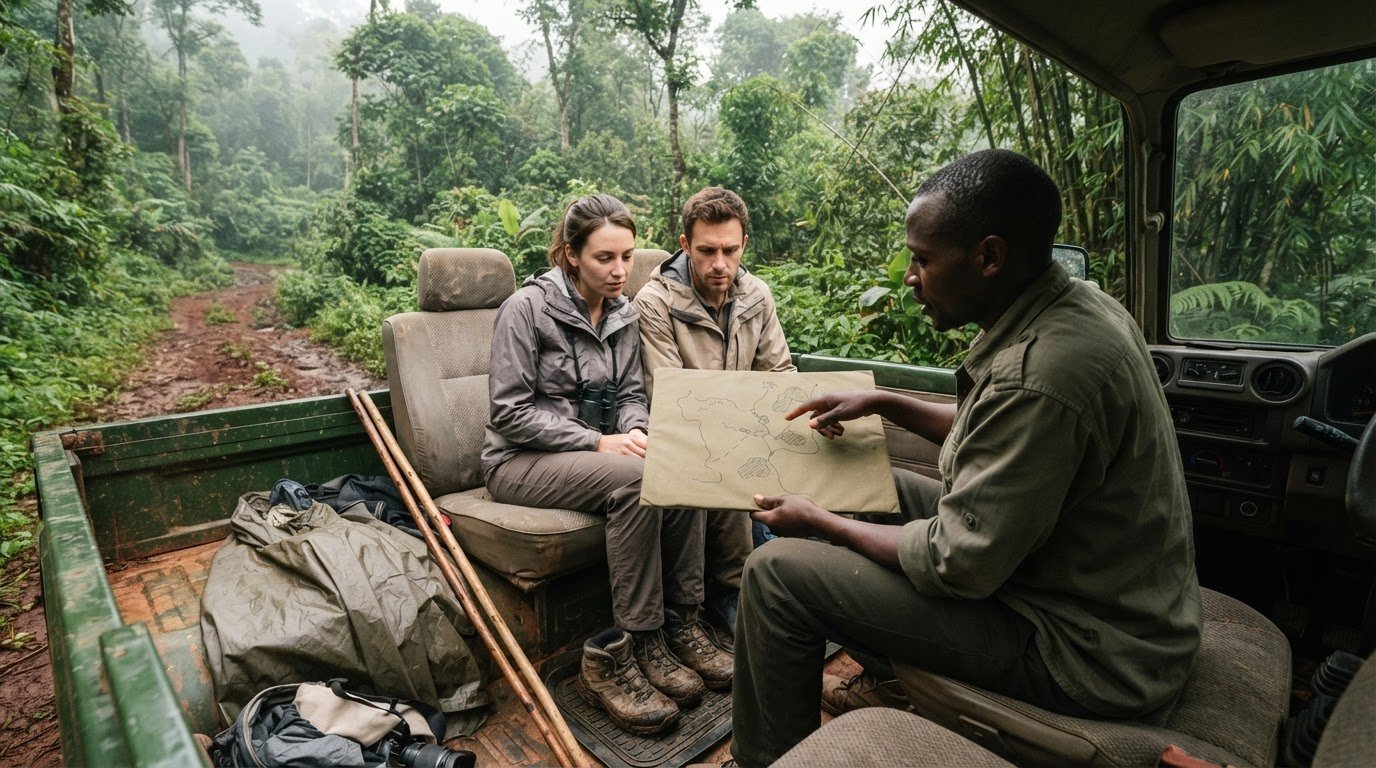
Adventure quotes can also express curiosity without promising a perfect journey. “Take the road that leaves room for surprise” fits an itinerary with time to observe. A nature-focused version might read, “Leave space for the world beyond the road.” Both examples value attention over a checklist of sightings. They can accompany a map, journal entry, or photograph of a changing landscape.
To write a personal line, use three steps. First, name a real detail, such as red dust, a bird call, or a distant ridge. Next, add the feeling it brought. Finally, keep only the words that sound natural when read aloud. “Red dust, wide skies, and nowhere else to be” combines place and mood without claiming every traveler feels the same.
Popular sayings about adventure and nature leave room for individual meaning. One reader may see a forest path as a fresh start; another may value its quiet. Pair a short phrase with the actual scene, then avoid assigning it to a famous author without reliable attribution. That way, your caption makes clear whether it’s personal or a known quotation.
BLS safaris
BLS Safaris helps travelers turn safari ideas into planned journeys across East Africa. Its safaris in Uganda, Kenya, and Tanzania can be shaped around the places and experiences that matter to you. If you’re weighing destinations or trying to understand what a safari quote covers, start with your preferred route and priorities. This helps connect your ideas with practical trip details.
A Safari Quote should make the proposed journey easier to understand. BLS safaris focuses on clear routing, handpicked lodges, local guidance, and transparent pricing. These details help you see how the itinerary is put together and what the plan includes. Clear exclusions matter too, because they help distinguish the planned arrangements from costs or activities outside the quoted trip.
For a Uganda safari, start with the experiences and places you want the journey to include. Wildlife viewing, culture, gorilla trekking, and time near lakes can shape different routes. For Kenya, you might focus on wildlife and open landscapes. Sharing your priorities gives the itinerary a practical starting point, while local knowledge helps organize the route.
Tanzania safaris offer another way to build an East Africa journey around your interests. You might be considering one country or connecting several destinations. BLS Safaris plans East Africa safaris with clear routing and handpicked lodges. The quote serves as a planning reference, showing how the proposed journey fits together rather than leaving you to interpret disconnected arrangements.
When reviewing a quote, look for the route, accommodation plan, and experiences described in the itinerary. Note the exclusions as carefully as the inclusions, then raise any questions about how the plan matches your priorities. The important details will depend on the journey you’re shaping, including its destinations and selected experiences. A clear discussion helps keep expectations aligned with the proposed trip.
You don’t need a finished itinerary to begin. A destination preference, a few activities, or an idea of the pace you enjoy can start the conversation. BLS Safaris supports planning from enquiry through travel, helping you develop the route and understand the details of your proposed journey. This is useful when you’re comparing possibilities or ready to move from inspiration to practical planning.
Shape Your Safari Plans
A Safari Quote is most useful when it reflects the journey you want, rather than a generic itinerary. Think about the landscapes, wildlife encounters, and pace that would make the trip meaningful to you. Those preferences give planning a clear starting point and connect the experience you imagine with practical arrangements.
BLS Safaris plans East Africa, Uganda, and Kenya safaris, with routes shaped around your priorities. As you consider the next step, focus on the places you hope to explore and the experiences you want to include. Share those ideas with BLS Safaris to start shaping a clear plan and quote around your interests.
Whether you’re beginning with a destination or a feeling you hope to bring home, your plans can take shape one decision at a time. Share what matters to you with BLS Safaris to start planning a personal, well-considered safari.
Frequently Asked Questions
Can’t Find Your Favourite Africa Travel Quote or Safari Saying?
If no familiar saying fits, create a caption from one detail you remember clearly. Name the setting, animal, or feeling, then keep the wording simple. For example: “A quiet track, a sky full of changing light.” You can also search your notes by destination or memory, such as a forest walk or an evening by the water. Your own observation may fit better than a widely shared phrase.
Who said the most famous safari quotes?
There isn’t one agreed author of the most famous safari saying. R. Elliot is associated with advice to visit Africa twice if visiting only two continents, while W. C. Fields is linked to a joke about a forgotten corkscrew. These attributions are commonly repeated, but the wording can vary. If you publish a line, identify its attributed author carefully rather than presenting uncertain wording as an exact quotation.
What are short safari quotes for Instagram captions?
Short captions work best when they match the photo and leave room for the image. Try original lines such as “Tracks beneath a wide sky” or “A pause in the green.” For a group photo, “Shared miles, wild memories” keeps the focus on the people and journey. Add a location tag separately if useful, and don’t attach a famous person’s name to words you wrote yourself.
What are funny safari quotes?
Funny safari sayings often play with small comforts during a big adventure. W. C. Fields is attributed a joke about being left with food and water after a group forgot its corkscrew. For your own caption, use a harmless mishap: “Packed the camera, forgot how to pose.” Keep humor aimed at your own travel moment, not at local people or the animals you’re watching.
What are good safari quotes for travel photos?
Choose words that describe a real detail in the photograph. A picture of footprints might pair with “The path kept its own story,” while a campfire scene could suit “Evening settled around us.” These are original caption ideas, not famous quotations. If you use a published saying, credit its author when known. A location or date in the photo description can also help preserve the memory.