The animals you may see include the Big Five, plains wildlife and, in season, migrating wildebeest. A Masai Mara safari can offer year-round Big Five viewing, while the Great Migration brings huge herds into the area seasonally. Getting there is part of the plan too: the road journey from Nairobi takes about 5 to 6 hours, while a flight takes under an hour.
It’s natural to focus on wildlife first, especially if you hope to see a particular animal or a river crossing. Timing matters: wildebeest crossings are most likely in August and September, but sightings can’t be scheduled.
This guide helps you plan around what matters most. You’ll learn which animals to look for, how respectful Maasai community interactions can fit into your stay, which seasons suit different priorities, and how road and air travel compare. These choices will help you picture a route, pace and set of experiences that suit your trip.
Key Takeaways
- Match your travel dates to the wildlife experience you most want, while keeping your plans flexible around animal movements.
- Look beyond the Big Five: birdlife, varied landscapes and seasonal herds can all shape your game-viewing priorities.
- Include a Maasai community visit as a cultural experience, approached with respect and genuine interest.
- Choose the travel season by weighing wildlife viewing, weather and the pace you want for your stay.
- Compare road and air travel from Nairobi to decide which route best suits your time and safari plans.
What animals can you see in the Masai Mara National Reserve?
A visit to the Masai Mara can bring sightings of resident predators, plains wildlife and seasonal herds. A masai mara safari can focus on year-round wildlife or the Great Wildebeest Migration, depending on your dates and priorities.
Great Migration Wildlife
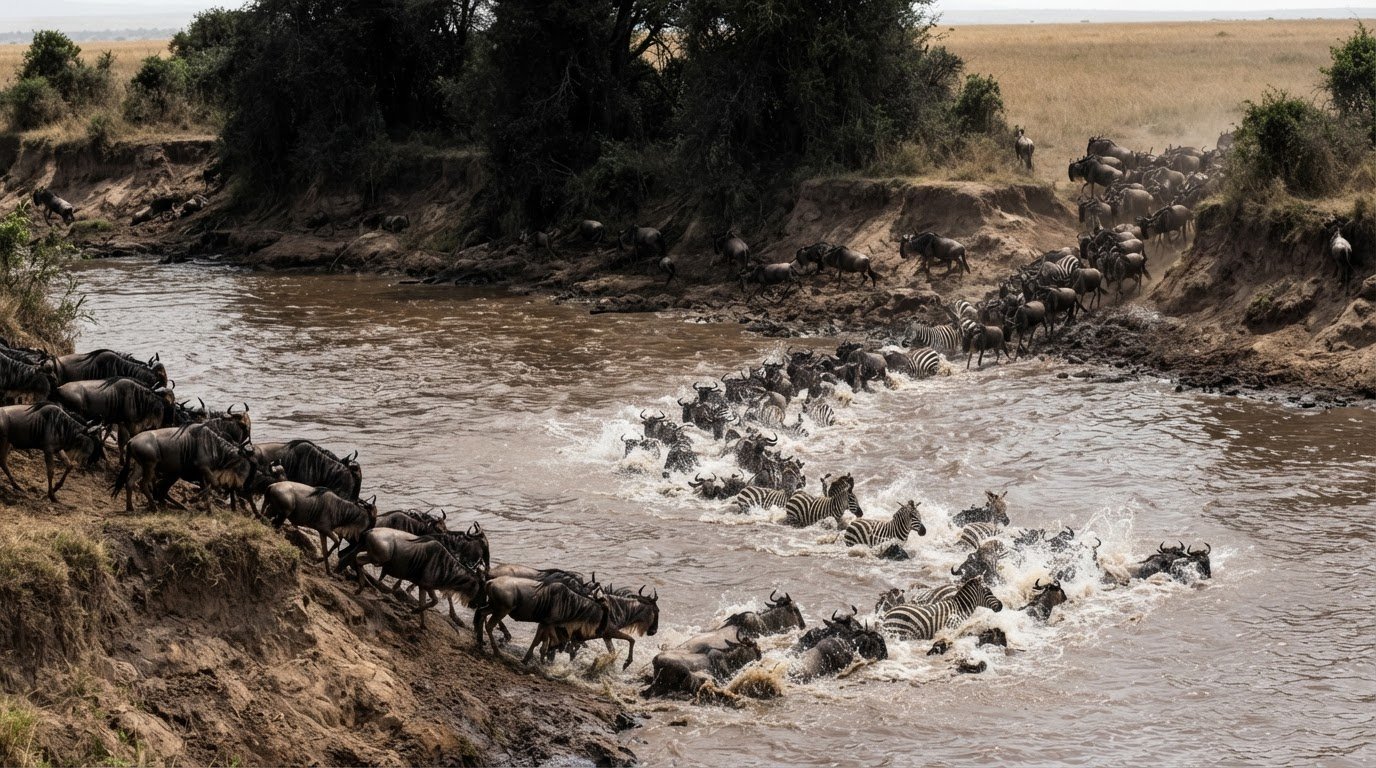
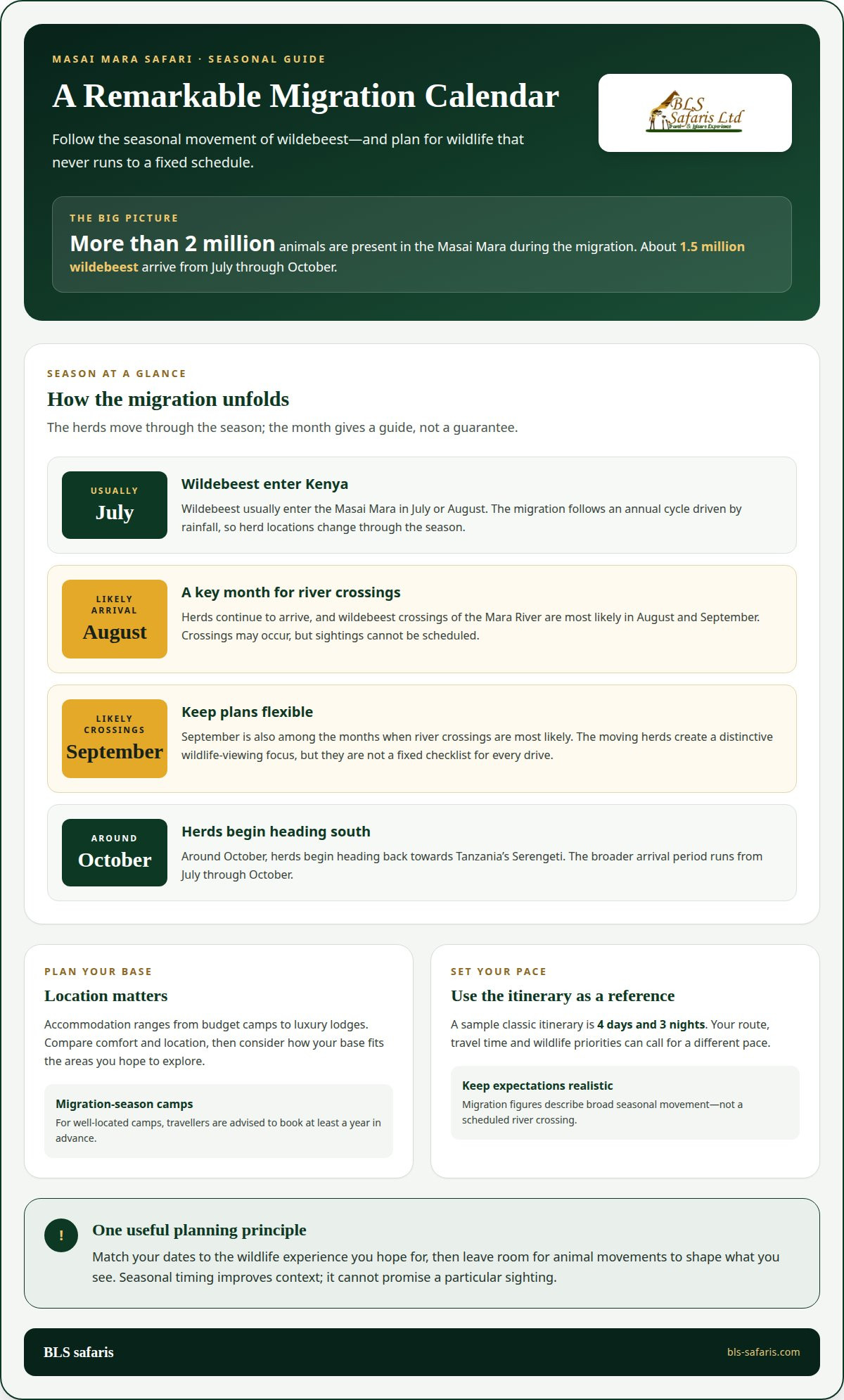
The Great Migration brings wildebeest, zebras and gazelles across the grasslands, followed by predators such as lions. More than two million animals are present in the Masai Mara during the migration. Look across the plains and around the Mara River, where crossings may occur. The moving herds create a distinctive focus for wildlife viewing, but they are not a fixed checklist for every drive.
Wildebeest Migration Season
Wildebeest usually enter Kenya’s Masai Mara in July or August. River crossings are most likely in August and September, and herds begin heading back towards Tanzania’s Serengeti around October. About 1.5 million wildebeest arrive from July through October. The migration follows an annual cycle driven by rainfall, so herds change location through the season.
For migration season, travellers seeking well-located camps are advised to book at least a year in advance. Accommodation ranges from budget camps to luxury lodges. Compare comfort, location and how you want to spend time between game drives. A well-planned masai mara safari matches your accommodation location to the areas you hope to explore.
What types of accommodation are available? Options range from budget camps to luxury lodges. Compare comfort and location, then consider how your base fits your planned drives and migration viewing.
What are the entry fees and current rules? Include reserve entry fees as a separate item when reviewing your trip arrangements. In June 2024, reserve authorities banned self-drive activities east of the Mara River.
How many days should you spend? A sample classic itinerary is 4 days and 3 nights. Use that as a reference, then allow for your route, travel time and wildlife priorities. A migration-focused visit may call for a different pace than a shorter stay centred on general game drives.
What should you pack, and what health precautions are recommended? Pack layered clothing, closed shoes, sun protection and personal medication. Before travelling, arrange a travel-health review to discuss routine vaccines, malaria prevention and your personal health needs.
Migration figures describe a broad seasonal movement, not a scheduled river crossing. If you are combining Kenya and Uganda, a tailor-made Uganda safari plan can help you consider how the wider route fits your priorities. This can make it easier to balance wildlife viewing, travel days and time in each destination when shaping a masai mara safari.
Maasai culture and community interactions
The famous Masai Mara lies in southwest Kenya, where the National Reserve covers 1,510 km². Maasai communities live across the wider region, so a visit can add cultural context to wildlife viewing. Plan community time as a separate experience, rather than treating it as another stop between sightings or river crossings.
A village visit can introduce you to local perspectives on daily life, community priorities and the relationship between people and the landscape. Experiences vary, so arrive curious and listen to your hosts. A respectful conversation is more meaningful than treating Maasai culture as a performance or photo opportunity.
Ask permission before photographing anyone. Follow your guide’s advice about where to go, what to photograph and how to take part. If a host explains a custom or activity, listen first and let them decide what they wish to share.
What is the difference between staying inside the reserve and in a nearby conservancy? The National Reserve is a protected area, while neighbouring conservancies have different rules for activities. Conservancies allow off-road game viewing, night drives and guided nature walks, which are not permitted inside the reserve.
That distinction can shape your itinerary. Staying in the reserve keeps your base within the protected area, while a conservancy stay may suit travellers interested in those additional activities. Compare the experiences you want, then consider how your accommodation location connects with wildlife viewing and community visits.
Maasai village visits are offered as an extra activity, so consider them when planning your schedule. Ask what the visit involves and how local hosts guide it. This helps you choose an experience that fits your interests, whether you’re looking for cultural exchange, time in the landscape or more game drives.
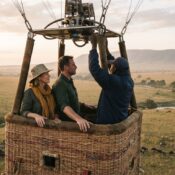
A hot-air balloon flight and a village visit offer different ways to experience the Mara. The balloon focuses on the landscape from above, while a community visit centres on conversation and local perspectives. Choose based on what you want to see or learn, rather than adding activities just to fill your itinerary.
For a thoughtful visit, allow time to arrive, meet your hosts and take part at their pace. Plan wildlife drives and community experiences separately. That leaves room for both the open plains and a more personal encounter with Maasai people in the wider Mara region.
Masai Mara wildlife and landscapes
The Masai Mara National Reserve combines open plains, river corridors and varied wildlife habitats. Match your game drives to the animals and landscapes you most want to see.
Big Five and Other Wildlife
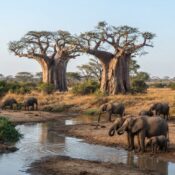
The Big Five are present in the Maasai Mara year-round: lion, leopard, elephant, buffalo and rhino. Rhino sightings are scarce, though they may be seen in the Mara Triangle. Set realistic priorities by deciding which animals matter most, then allow time to look for different species rather than focusing on a single sighting. Hippos and crocodiles add another wildlife focus near the Mara River.
The open plains are central to game viewing, but the reserve offers more than the chance to look for large mammals. Different habitats create different wildlife encounters, from scanning grassland for animals to watching life along the river. Ask your guide to shape drives around habitats as well as species, giving each outing a clear focus.
Wildlife and Bird Species
The Masai Mara National Reserve has over 470 recorded bird species, giving birdlife a strong place in a wildlife itinerary. Look for birds across different habitats, including open plains and river edges. A pair of binoculars and a bird list can help you notice smaller details between larger animal sightings. You can also ask your guide to pause when a bird catches your attention.
For a balanced day, alternate broad landscape views with slower observation. A lion or elephant may catch your eye quickly, while birds reward closer attention to movement and sound. Hippos and crocodiles offer another reason to spend time near the river. These varied viewing priorities make the reserve worthwhile beyond the search for famous animals.
Year-Round Wildlife Viewing
Resident wildlife can be viewed throughout the year, while seasonal conditions change the feel of game drives. The reserve’s dry season runs from June to October, and its wet season runs from November to May. December to March is also a high season, so consider both the weather and visitor numbers when choosing dates.
July to October is recommended for dry weather and wildlife viewing, while January and February are also good months to visit. Choose dates around your main interest: drier months suit travellers prioritising wildlife viewing, while other seasons may appeal if you prefer a different landscape. Seasonal animal movements connect the Mara with the Serengeti, but resident species remain part of the Mara experience.
The Masai Mara covers 1,510 km², so your planned route influences which habitats you explore. Before each drive, choose a focus such as birds, river wildlife or large mammals. That simple step helps you use time across the national reserve well, without treating every outing as the same search for animals.
Best time to visit
The best dates for your Masai Mara visit depend on your priorities: dry-weather drives, seasonal wildlife or a quieter landscape. Compare the reserve’s seasons with your preferred pace and the experience you want from a tented camp.
June to October is the dry season, and July to October is recommended for dry weather and wildlife viewing. The Great Wildebeest Migration is seasonal, with herds reaching the Mara from about August to November. If migration is your priority, plan around the season rather than assuming a crossing will happen on particular dates.
Wildebeest river crossings are most likely to be seen in August and September. These months fall within the dry season, which runs through October. Visiting during this period can combine dry-season drives with a chance to see migratory wildlife, though herd movements follow rainfall.
November to May is the wet season, offering a different setting for a visit. December to February is described as a dry period when wildlife gathers near water sources, and January and February are also good months to visit. The reserve’s high seasons include December to March, as well as June to October, so consider seasonal demand when planning accommodation.
The dry-season temperature is about 26°C (79°F) from June to October. Use that detail when considering daily comfort, clothing and time spent on game drives. If you’re choosing a tented camp, compare its location with the areas you hope to explore, then fit drives around your priorities.
Travel reviews can help you understand other guests’ experiences, but look for useful detail rather than dramatic praise. A review describing a game drive, camp setting or journey from Nairobi gives clearer context than one that says only “great safari.” Compare several recent accounts and note whether they cover the experience you want.
How can you choose a reputable safari operator and avoid scams? Look for a clear written itinerary, stated inclusions and exclusions, and payment terms you understand. Compare those details with specific guest reviews describing the reserve, camp and game drives.
Choose dates by ranking your priorities: dry weather, migration viewing, wildlife near water or a particular travel pace. Then match the season to your route and accommodation plans. The Mara is a distinct destination within a wider East African landscape, while migrating herds connect it with Tanzania’s Serengeti . For example, a safari focused on elephant viewing can prioritise resident wildlife rather than migration timing.
Getting to the Masai Mara
Reaching the Mara from Nairobi is an important part of planning your visit. You can travel by road or air, and your choice affects how you use your first day. Compare the journey with your arrival schedule, accommodation location and plans for exploring the Masai Mara National Reserve.
By road: The drive from Nairobi to the reserve takes approximately 5 to 6 hours. This option connects the capital and the reserve overland, with the changing landscapes becoming part of the journey. Allow for the drive when shaping your itinerary, especially if you want to arrive with time to settle before planning activities.
Road travel may suit you if you want an overland route and have time for the journey. For example, schedule the drive on a travel day rather than treating it as a full day of wildlife viewing. The exact schedule depends on your starting point, route and destination within the reserve area.
By air: Flights from Wilson airport in Nairobi to the Masai Mara take under an hour. Flights depart twice daily. Flying can shorten the journey between Nairobi and the Mara, making it worth considering when travel time is a priority.
Compare the flight schedule with your international arrival and onward plans. A short flight still requires coordination of airport timing, local transfers and lodge arrival. Plan each step separately so the journey from Nairobi to your accommodation works as a whole.
Consider where you plan to stay before choosing transport. A lodge’s location affects the final part of your journey and how easily your arrival fits with planned drives. The Mara has varied landscapes, so the most convenient route depends on your accommodation and the reserve area in your itinerary.
For a practical planning sequence, first set your Nairobi arrival and departure times. Next, choose road or air travel based on your available time and preferred pace. Then coordinate your accommodation arrival with the rest of your schedule. This order helps you avoid squeezing a long drive or flight connection into a day already planned for wildlife and scenery.
If your Africa itinerary includes other destinations, consider how the Mara fits into the wider route. A journey that also visits Tanzania, for example, needs travel days arranged around both locations. Keep the Masai Mara National Reserve as a distinct stop, allowing enough time for its landscapes and wildlife rather than treating transit as sightseeing.
The main takeaway is simple: choose the road for an overland journey of approximately 5 to 6 hours, or consider a flight from Wilson airport that takes under an hour. Match the option to your schedule, accommodation and plans on arrival, then build the rest of your itinerary around those travel details.
BLS safaris: East Africa Safaris
BLS safaris plans Kenya Safaris and East Africa Safaris , including tailor-made journeys that connect your travel dates, wildlife priorities, route and accommodation choices. Turn to the team when you want to bring these details together in one itinerary. Locally based East African experts provide guidance and clear routing, helping connect practical travel days with time for game drives and Maasai community experiences.
If you’re considering the Mara alongside another East African destination, a wider itinerary can help coordinate the route and pace. Share your priorities, whether seasonal wildlife, cultural visits or a particular travel style, to shape a plan around what matters to you.
Contact BLS safaris or visit bls-safaris.com to discuss your masai mara safari plans.
Shape a safari that feels like yours
Your next step is to decide what matters most for your masai mara safari. Start with the experience you most want to make room for, then use it to guide your pace and itinerary.
BLS Safaris can shape your masai mara safari around your priorities. Our East Africa Safaris include Kenya Safaris and Uganda Safaris , with options for a Kenya-focused trip or a broader regional journey. Share your preferred dates, interests and travel style to start planning a suitable itinerary.
Consider how you want each day of your masai mara safari to feel. A clear starting point makes planning simpler and helps you look forward to the journey ahead.
Frequently Asked Questions
Should You Fly or Drive to the Maasai Mara?
Fly if you want to spend less time travelling from Nairobi; drive if you prefer an overland journey. The road trip takes approximately 5 to 6 hours, while flights take under an hour. Think about how each option fits your arrival day and onward plans. Whichever you choose, coordinate the final transfer with your accommodation so you know how you’ll reach your camp or lodge.
What is typically included in a Masai Mara safari package?
A typical package includes accommodation, meals, park fees, guided 4×4 game drives and Nairobi transfers. In a tailored itinerary, check how transport, lodging, meals and permits fit together, and whether the route matches your priorities. For example, a plan focused on birding may need a different pace from one centred on migration viewing. Review the written inclusions and exclusions before comparing itineraries.
What is the best time of year to visit the Masai Mara for wildlife viewing and the Great Migration?
Choose July to October for dry weather and strong wildlife-viewing opportunities, with August and September offering the best chance of seeing river crossings. The Great Migration is seasonal, so dates alone can’t determine where the herds will be. If resident wildlife matters more than migration, January and February are also good months to visit. Let your main interest guide your dates, then plan activities around it.
How much does a Masai Mara safari cost, including park fees, lodging, transport, and guides?
The price depends on the itinerary and is provided after a quote request. Key factors include travel dates, trip length, accommodation, transport, park fees, meals and guiding arrangements. For a useful comparison, review the full itinerary and check how each item is handled. A lower headline price may cover fewer components, so compare inclusions rather than focusing on one figure.
How do you get to the Masai Mara from Nairobi, and what are the flight and road travel options?
Travel from Nairobi by road or by air. The road journey takes approximately 5 to 6 hours; flights from Wilson airport take under an hour and depart twice daily. Build your plan around your Nairobi arrival, departure and onward transfer to accommodation. If choosing a flight, coordinate the airstrip transfer; for a road trip, allow for the drive before scheduling activities at your destination.
Which animals can you see on a Masai Mara safari, and how likely are Big Five sightings?
You may see lions, leopards, elephants, buffalo and rhinos, along with wildebeest, zebras, gazelles, hippos and crocodiles. The Big Five are present year-round, but rhino sightings are scarce and they may be seen in the Mara Triangle. Rather than planning around a fixed sighting count, ask your guide to focus drives on habitats and areas suited to the animals you most want to observe.
What are the Masai Mara National Reserve entry fees and current park rules?
Include reserve entry fees as a separate item in your trip arrangements. In June 2024, reserve authorities banned self-drive activities east of the Mara River.