
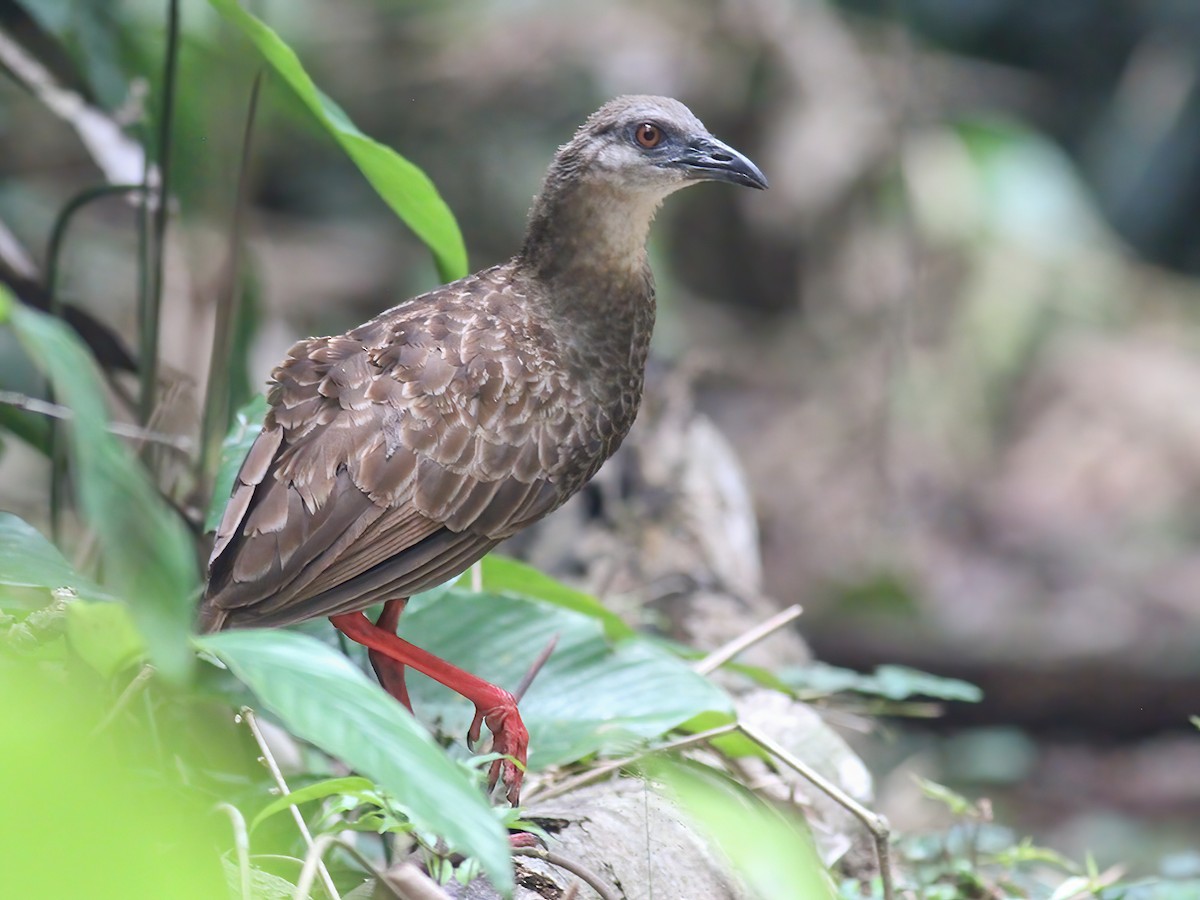
Birding in Semuliki National Park
You come here to listen, wait and search for birds that stay inside dark forest, swamp and tangled undergrowth.
Lowland forest, Kirumia and SempayaCongo Basin forest in East Africa.
Semuliki takes you into a kind of forest that feels different from the rest of Uganda. The park protects 220 km² of lowland tropical forest in the Semuliki Valley, close to the Democratic Republic of Congo. Its forest is the eastern edge of the great Ituri Forest, so many birds here belong to the Guinea-Congo region rather than the highland forests of Bwindi or the open savannah parks.
Semuliki has more than 435 bird species, including 35 Guinea-Congo forest species. You come here to listen, wait and search for birds that stay inside dark forest, swamp and tangled undergrowth. A good morning may include long quiet periods followed by a sudden mixed flock, a hornbill crossing the canopy or a rare call from deep in the trees.
Semuliki suits birders who enjoy the search as much as the final sighting. The forest lies at about 670 to 760 metres above sea level, so expect warm air, high humidity and shaded paths. You do not need to be an expert, but patience and a local bird guide make a clear difference.
Our Uganda birding safaris can combine Semuliki's lowland forest with the country's highland forests, wetlands and savannah habitats.
Why Birding in Semuliki Feels Different
Congo Basin Forest in East Africa
Most Uganda birding routes move through savannah, wetlands, mid-altitude forest and mountain forest. Semuliki adds true lowland Congo Basin habitat. This is why the park holds birds that are hard to find elsewhere in East Africa. Its location also makes it a natural partner for Kibale , Queen Elizabeth and Bwindi rather than a repeat of them.
The forest is not one unbroken wall of trees. Riverbanks, swamp, oxbow lakes, old clearings and the forest edge create small changes in light and cover. Each change gives your guide another place to check. A canopy bird may show from a road gap, while a rail or ibis may stay near wet ground far below.
A Forest You Bird by Ear
In open country, you often see a bird before you hear it. Semuliki often works the other way round. Leaves hide most movement, and many birds stay high above the path or low inside thick plants. Your guide may stop at one call, study its direction and wait for the bird to move into a gap. That pause is part of the outing, not lost time.
You will also meet mixed feeding flocks. Several species can pass through one patch of forest together while searching for insects. The quiet trail may suddenly become busy for a few minutes, then fall silent again. Keep close to your guide, raise your binoculars only after you understand where to look and avoid talking over soft calls.
How a Guide Finds Birds in Dense Forest
Calls Give the First Clue
A guide begins with sound. The pace slows when a target bird calls, and the group listens for a reply or a change in position. This helps you avoid walking past a bird that is only a few metres away but hidden by leaves. Tell your guide your main targets before the walk so time can be spent in the right habitat.
Canopy Gaps Open the View
The Sempaya to Ntandi road gives clearer angles into the treetops than the forest interior. Guides use these openings to scan for hornbills, raptors, turacos and other canopy birds. Inside the forest, a fallen tree, a bend in the trail or a small clearing can serve the same purpose. Stay ready because a clean view may last only a few seconds.
Fruiting Trees and Bird Parties Create Busy Moments
A fruiting tree can hold several birds at once, while an insect-feeding flock may bring small species through the lower and middle levels of the forest. Your guide watches where the activity is moving rather than chasing one bird at a time. This gives you a better chance of seeing the flock without pushing through vegetation or disturbing it.
Birds That Define the Semuliki Experience
Nkulengu Rail: A Voice From the Forest Floor
The Nkulengu rail is a secretive forest bird with a loud, carrying call. You are more likely to hear it before you see it, especially when the forest is quiet. Finding one calls for patience around dark, damp ground where it can remain hidden. For many birders, even hearing the call in its natural forest is a memorable Semuliki moment. A clear view is a special reward.
Lyre-tailed Honeyguide: A Display Heard Above the Canopy
The male lyre-tailed honeyguide is known for a display flight that produces a strong sound as air passes through its spread tail feathers. The sound may carry over the forest even when the bird remains hard to see. This turns the search into a lesson in behaviour: you listen for the display, watch the open sky above the canopy and wait for the bird to return to the same area.
Congo Serpent-Eagle: A Lowland Forest Raptor
The Congo serpent-eagle is a true lowland forest raptor of the Congo Basin. It may remain still inside the canopy, so its call often gives away its presence. Your guide checks shaded openings and listens from places with a wider view. The interest is not only in seeing a rare raptor, but in finding a bird shaped by the same lowland forest that makes Semuliki unusual in Uganda.
African Piculet: Small Bird, Careful Search
The African piculet is a tiny relative of woodpeckers. It moves through thin stems and small branches while searching for insects, sometimes with a mixed flock. Its size and constant movement make it easy to miss. Watch the lower and middle growth when your guide picks up a soft call or light tapping. A sighting rewards close attention rather than long-distance scanning.
Dwarf Hornbills: Movement in the Canopy
Black and red-billed dwarf hornbills bring a different kind of search. These small forest hornbills can move through the canopy without giving the broad, obvious flight of their larger relatives. Their shape, calls and feeding style show how much variety sits inside one bird family. Clearings and road edges give you the best chance to follow them between branches.
Choose the Birding Area That Fits Your Day
The right route depends on your time, fitness and main targets. A short trail can give you more time under one active tree, while Kirumia gives you a longer change of habitat. Use the comparison below to choose the experience.
| Birding area | Walking and terrain | Birding feel | Best for |
|---|---|---|---|
| Kirumia Trail | A 14 km forest route with swampy sections, primary forest and oxbow lakes. A full-day walk needs stamina; an overnight camp allows more time. | Deep, slow forest birding with long quiet stretches and several habitat changes. | Serious birders with a full day or overnight plan and a strong interest in forest-floor and interior species. |
| Sempaya to Ntandi road | About 6 km on a public road with easier footing and open views into the canopy. | More scanning and less close forest walking. Passing traffic can interrupt the quiet. | A first visit, canopy birds, photography and anyone who prefers a less demanding route. |
| Sempaya forest trails | Shorter paths near the park offices and hot springs. Some parts can be wet or slippery. | Flexible birding with frequent stops, plus forest plants, primates and the hot springs. | A half-day outing, mixed-interest groups and travellers who do not want the 14 km Kirumia walk. |
| Semuliki River end of Kirumia | Reached through the longer Kirumia route. Low ground may be muddy or flooded after rain. | Forest, wetland and river-edge birding in one outing. | Birders who have enough time for Kirumia and want to work several habitats slowly. |
What a Day in the Forest Feels Like
An early start gives you cooler air and a better chance to hear calls before the day becomes hot. Progress is slow because birding involves more standing than walking. A 6 km route can fill a morning when several birds are active, while a quiet spell may send you farther along the trail before the next stop.
Heat and humidity build as the morning goes on. The canopy holds shade, but wet ground and still air can make the walk tiring. Kirumia includes swampy ground and can take most of the day. Around Sempaya, you can choose a shorter loop and return before the strongest afternoon heat.
Photography is demanding. Light is low, birds often stay behind leaves and clear views can be brief. A camera that handles higher ISO settings is more useful than a heavy tripod on a long walk. Protect your gear from rain and condensation, keep it ready and let the bird come into an opening rather than pushing off the path.
Best Time for Birding
Birding is possible throughout the year. The drier stretch from late May to September usually gives you firmer trails and easier movement on Kirumia. December to February can also bring drier days, though short showers are still possible in a lowland rainforest.
March to May and October to November are wetter. The forest stays lush and bird activity can still be good, but mud, standing water and heavy rain may change the route you can use. Build some free time into the day instead of placing a long road transfer immediately after the walk.
Start soon after dawn for cooler conditions and stronger calling. If you stay for more than one night, use the first morning for the road edge or Sempaya area and keep a full day for Kirumia. This gives you two different views of the forest without repeating the same walk.
Birding Fees From 1 January 2027
Birding and nature-walk fees are charged per person and do not include park entry. The table combines the 2 charges so you can see the full amount before transport, guiding extras, meals or accommodation.
| Visitor category | Park entry | Birding and nature walk | Combined amount |
|---|---|---|---|
| Foreign non-resident | US$35 | US$40 | US$75 |
| Foreign resident | US$25 | US$30 | US$55 |
| Rest of Africa | US$25 | US$30 | US$55 |
| East African citizen | UGX 15,000 | UGX 30,000 | UGX 45,000 |
Arrange the bird guide, entry and trail plan before the morning of your walk. For Kirumia, also confirm whether you are doing a day walk or an overnight camp and carry enough water and food for the chosen route.
Getting to Semuliki National Park
By Road Through Fort Portal
The usual road route runs from Kampala through Mubende to Fort Portal , about 290 to 300 km. From Fort Portal, continue for about 60 km towards Sempaya and the park offices. The last part drops from the highlands into the Semuliki Valley, with wide views towards the Rwenzori foothills and the Congo border region.
Leave Fort Portal early if you want to bird on the same day. Heavy rain can slow the lower sections of the road and make forest paths muddy. A 4x4 gives you more comfort in wet weather, especially when the trip includes other western Uganda parks.
By Air and Road
Scheduled flights to Kasese shorten the main journey from Entebbe. From Kasese, continue by road through Fort Portal to Semuliki. A charter to the Toro-Semliki area is another option, but it still needs a planned road transfer to the national park. Confirm the landing point, driver and final birding start before you book the flight.
Combine Semuliki With Other Birding Areas
Semuliki is strongest when it adds lowland Congo Basin forest to a wider route. The destinations below give you a clear habitat change and another type of day in the field.
| Destination | What changes | How it combines with Semuliki |
|---|---|---|
| Kibale National Park | Mid-altitude forest, forest edge and community wetland birding, with chimpanzee trekking nearby. | Use Fort Portal as the link. Semuliki gives you lowland forest targets, while Kibale adds primates and a different forest height. |
| Queen Elizabeth National Park | Open savannah, crater lakes, wetlands and the Kazinga Channel replace the closed forest setting. | Travel south after Semuliki for game drives and a boat safari. The route moves from patient forest listening to broad views and water birds. |
| Bwindi Impenetrable National Park | Mountain forest and Albertine Rift endemics become the main focus, with gorilla trekking as an added choice. | Combine the two parks on a longer specialist trip. Semuliki covers Congo Basin birds; Bwindi brings cooler, steeper and higher forest. |
| Mabamba Wetland | A canoe search through papyrus near Entebbe focuses on the shoebill and wetland birds. | Place Mabamba at the start or end of the journey. It gives you an open-water morning after several days of forest birding. |
What to Carry
- Binoculars with a wide field of view, which make it easier to pick up moving birds between leaves.
- A light rain jacket and a waterproof bag for binoculars, camera gear and your field guide.
- Closed walking shoes with a firm grip for mud, roots and wet ground.
- Light long trousers, a long-sleeved shirt and insect repellent for humid forest conditions.
- At least 2 litres of drinking water, energy snacks and a packed lunch for Kirumia.
- Spare batteries, memory cards and a lens cloth for damp conditions.
- A small headlamp if your plan starts before dawn or includes an overnight camp.
Keep the load light enough to carry all day. On Kirumia, water and rain protection matter more than extra camera equipment. Around Sempaya, you can return to the vehicle sooner, but you should still be ready for heat and a sudden shower.
Birding in Semuliki FAQs
What makes Semuliki different from other Uganda birding areas?
Is Kirumia suitable for a short morning walk?
Can beginners enjoy birding in Semuliki?
How demanding is the walking?
Are the birding fees separate from park entry?
Can I visit from Fort Portal?
Will I see all the specialist birds in one visit?
How can I include Semuliki in a longer birding safari?
More Birding and Forest Experiences
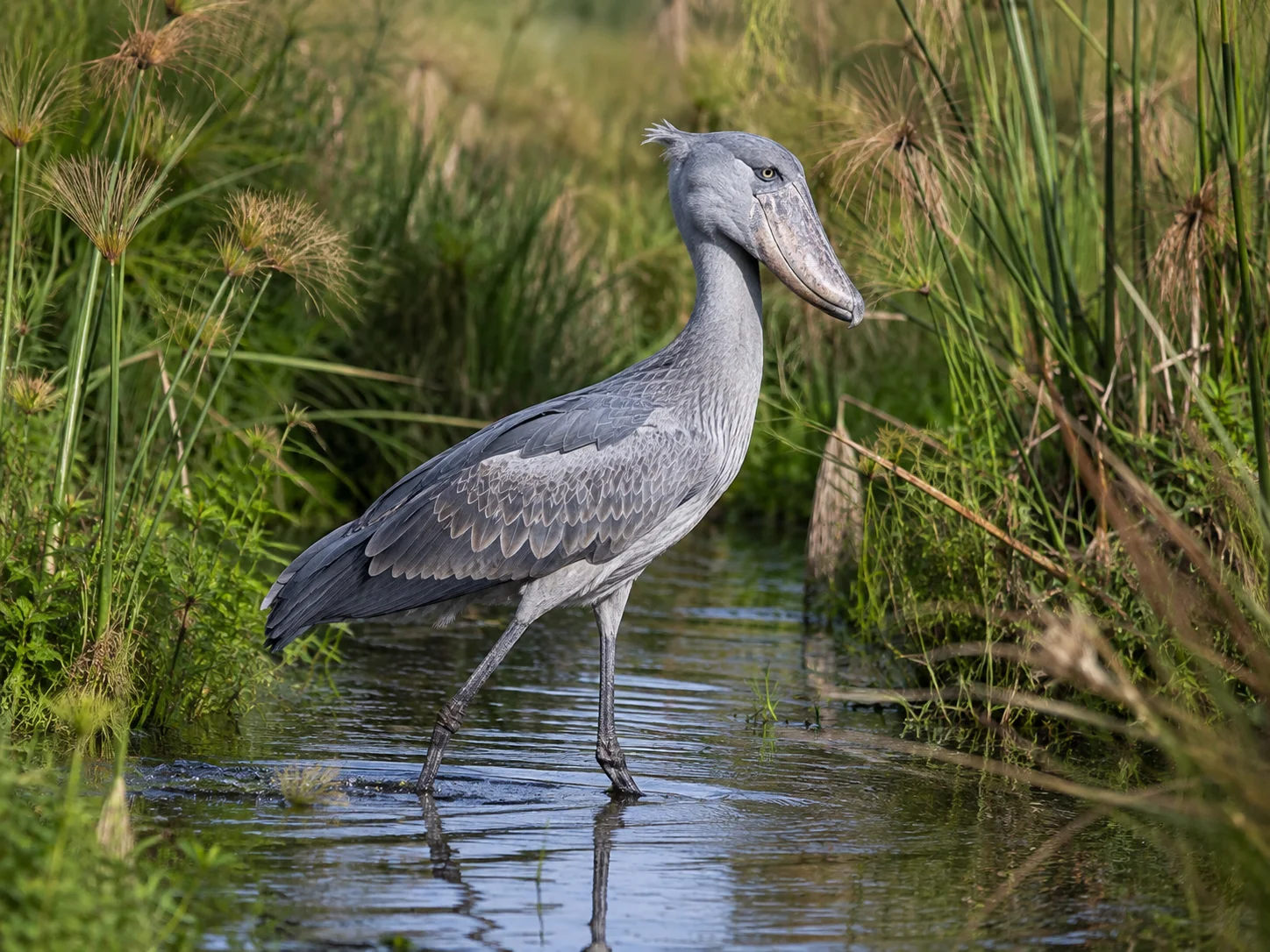 Birding Collection
Uganda Birding Safaris
Combine lowland forests, highland habitats, wetlands and savannah in a journey built around your interests.
Explore Birding Safaris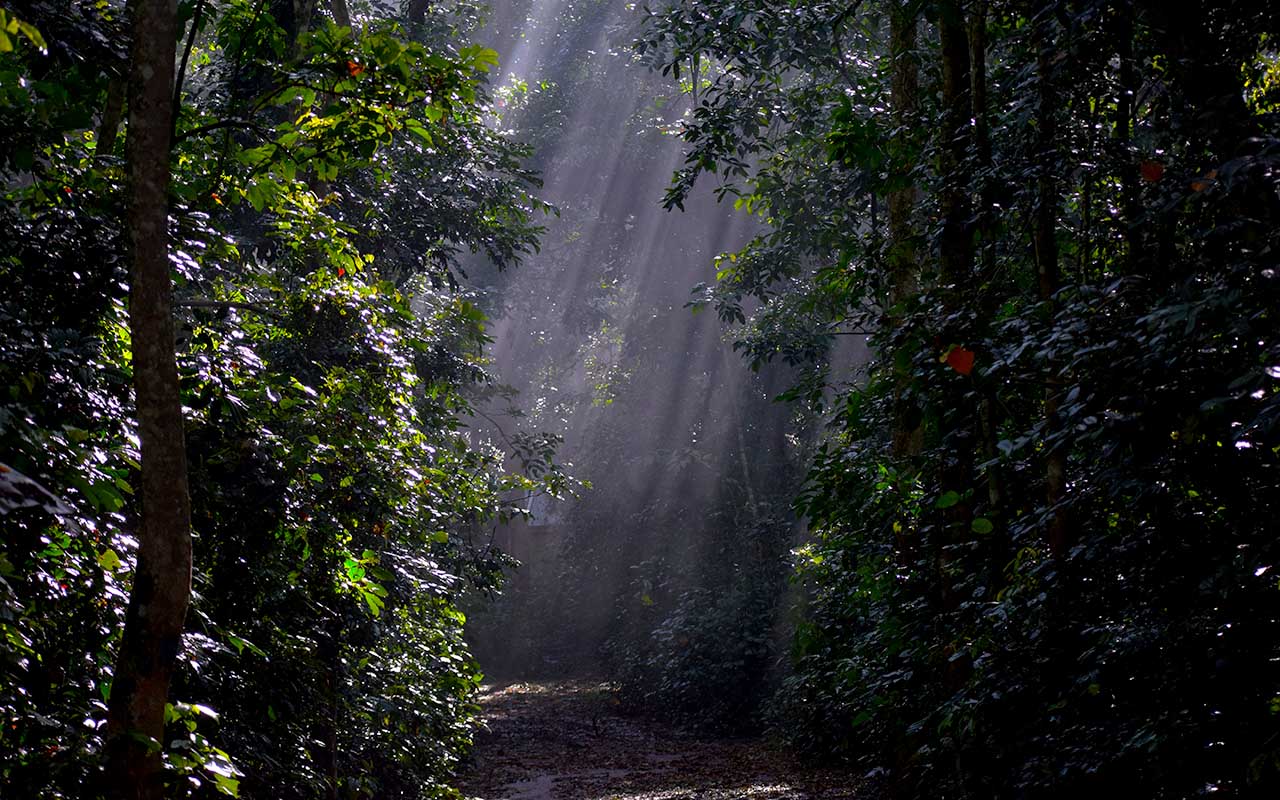 Walking Guide
Nature Walks Around Fort Portal
Compare crater-lake walks, wetland outings and forest experiences around your western Uganda base.
Explore the Walks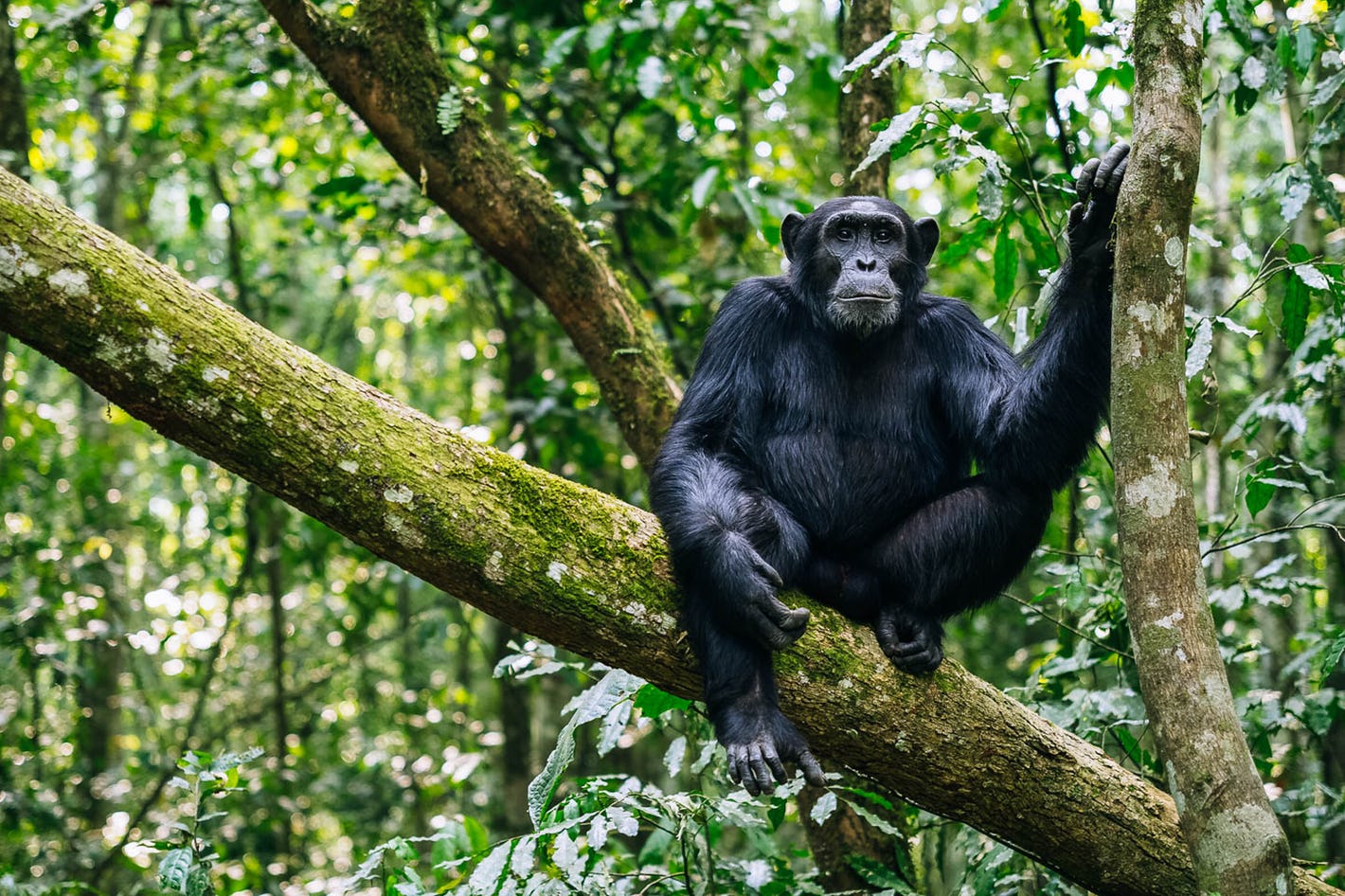 Destination Guide
Kibale National Park
Add mid-altitude forest, primate experiences and nearby wetland birding to your Semuliki journey.
Explore KibaleMake time for the forest and the birds within it.
Share your travel dates, target birds and walking ability with BLS Safaris. We will help arrange your guide, transport and selected trails, with Semuliki as a dedicated stay or part of a wider birding route.