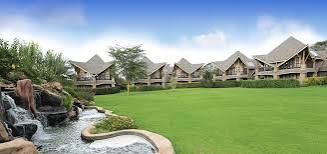
Hell’s Gate National Park is located in Kenya’s Great Rift Valley near Lake Naivasha, making it an easy addition to a safari from Nairobi and a natural stop on a wider Rift Valley itinerary. It feels very different from Kenya’s classic vehicle-based wildlife parks. Here, the land opens into dry valley floors, tall cliffs, volcanic rock, water-cut gorges and geothermal steam vents, giving visitors a rare chance to explore the landscape on foot, by bicycle or by vehicle.
The park was established in 1984 and covers about 68 square kilometres. Its name comes from a narrow break in the cliffs that once formed part of a prehistoric lake system in the Rift Valley. The scenery is the main reason many travellers come here. Fischer’s Tower, Central Tower and Hell’s Gate Gorge give the park its dramatic shape, while the Olkaria geothermal area, with five geothermal power stations, shows how active the Rift Valley remains beneath the surface. Nearby Lake Naivasha and Mount Longonot also make this area a strong stop for travellers who want several different experiences within a relatively short distance.
Hell’s Gate is one of the few places in Kenya where you can leave the safari vehicle behind and explore the park on foot or by bicycle, with wildlife moving across the open plains around you. As you cycle along the park roads, it is possible to encounter zebras, gazelles, elands, hartebeests, buffaloes, warthogs, baboons, rock hyraxes and other antelopes. The experience feels very different from a traditional game drive because you are moving through the landscape rather than watching everything through a vehicle window.
Unlike Kenya’s major predator-focused safari destinations, Hell’s Gate is not primarily visited for big-cat encounters. Its open terrain and emphasis on plains game, scenery and active exploration make walking and cycling central to the experience. You can take your time with the landscape, watch herbivores grazing across the valley and explore the cliffs and volcanic formations at a much closer pace.
Birding is another rewarding part of a visit. More than 103 bird species have been recorded here, and the cliffs and open grasslands provide opportunities to see vultures, Verreaux’s eagles, swifts and other raptors. For travellers who enjoy active safari days, Hell’s Gate works well for cycling, hiking, rock climbing, photography and outdoor group activities. The cliffs and changing light also make the park a rewarding setting for photography and filming, while the Maasai Cultural Centre provides an opportunity to learn more about Maasai traditions around the Rift Valley.

Cycling safaris in hell’s gate natioonal park
Wildlife in Hell’s Gate National Park
Hell’s Gate National Park offers a different kind of Kenya wildlife experience. This is not primarily a destination for Big Five game drives or big-cat encounters. The attraction is being able to experience wildlife at ground level, across open plains, beneath cliffs and along trails where cycling and walking form part of the visit. The wildlife experience centres on plains game, cliff birds, raptors, smaller mammals and the dramatic Rift Valley landscape around them.
Plains Game in Hell’s Gate National Park
As you move through the open grasslands, you can see zebras grazing in herds, giraffes browsing around acacia trees and buffaloes feeding across the plains. Elands, hartebeests, Thomson’s gazelles and wildebeest are also part of the park’s wider plains game, giving visitors good opportunities for wildlife sightings without depending entirely on a vehicle-based safari. This is one of the reasons Hell’s Gate works particularly well for travellers who want a more active safari day. You can cycle through areas used by grazing wildlife, walk through the landscape with a guide and stop to watch antelope moving across the valley floor. Smaller animals such as warthogs, baboons and rock hyraxes add life to the rocky outcrops and cliff edges, while klipspringers are well adapted to the park’s broken stone terrain.
Birdlife and Raptors in Hell’s Gate National Park
Hell’s Gate is a rewarding birding park, with more than 103 recorded bird species. The rocky cliffs, gorges and open skies create good conditions for observing raptors. Look out for Verreaux’s eagles, augur buzzards, swifts and different vulture species using the air currents above the gorge walls. The park has also been an important home for rare bearded vultures. For bird photographers, the Mervyns Carnelley Raptor Hide provides a viewing point for observing birds more closely without disturbing them. It sits above Endachata campsite, making it a useful stop for serious birders and travellers who want to spend more time understanding the park’s birdlife.
Small Mammals, Cliffs and Gorge Wildlife
The cliffs and rocky slopes are just as important as the open plains. Rock hyraxes live around the stone formations, baboons move through the park in troops, and small antelope such as klipspringers use the rocky ground well. The geological formations also create nesting and hunting areas for cliff-dwelling birds, vultures and eagles. This combination of wildlife and scenery gives Hell’s Gate much of its character. You are not simply watching animals. You are moving through a Rift Valley landscape of cliffs, towers, gorges and grasslands where the wildlife feels closely connected to the terrain.
Things to Do in Hell’s Gate National Park
Hell’s Gate National Park is one of the few places in Kenya where you can leave the safari vehicle behind and experience the landscape at a slower, closer pace. The park is known for cycling safaris, guided walks, gorge exploration, rock climbing, geothermal scenery, raptor viewing and open plains where zebras, giraffes, buffaloes and antelopes move through the valley. The terrain is open, the cliffs are dramatic and the experience is far more active than a conventional game drive.
Cycling Safaris in Hell’s Gate National Park
Cycling is one of the best-known activities in Hell’s Gate National Park. The main cycling route works well as a half-day excursion, and it is best started early before the heat builds. Bicycles can be rented around Elsa’s Gate, the main entrance, and from there the ride continues mostly downhill for about 9 kilometres towards the gorge area. The route passes volcanic formations, open viewpoints, grazing grounds and areas where you may encounter zebras, giraffes, buffaloes and other plains game.
The ride is scenic, but a reasonable level of fitness helps because the return journey climbs uphill towards the main gate. A cycling experience combined with exploration around the gorge area can occupy around five hours, depending on your pace and the activities included. For travellers who want a shorter ride, the approximately 6-kilometre round trip towards the obsidian caves provides a lighter cycling option while still giving you a good introduction to the park’s volcanic landscape.
Guided Walking Safaris and Nature Trails
Walking in Hell’s Gate gives you the rare feeling of moving through a Kenyan national park on foot, with wildlife, cliffs and volcanic formations around you. Several trails run through the park, while guides are required or strongly advisable for deeper routes, gorges and sensitive areas. A knowledgeable guide adds value by helping you understand the landscape, wildlife, geology and history rather than simply walking through it.
Wear good walking shoes and carry binoculars, long sleeves, light trousers, sunglasses, a hat and enough drinking water. Hell’s Gate has limited shade, and the midday sun can become very hot, so morning walks are generally more comfortable. The trails bring you close to grazing areas, rocky outcrops and the dramatic gorge system shaped by water and volcanic activity over a long geological history.
Hiking Through Hell’s Gate Gorge and Cliffs
Hell’s Gate Gorge is one of the park’s strongest natural features. It cuts through the landscape with narrow passages, water-shaped rock walls and volcanic formations that give this part of the park its distinctive Rift Valley character. Access conditions around the gorge can change. Depending on current weather, safety conditions and park access arrangements, guided exploration may involve narrow passages, uneven ground and sections requiring extra care. The time needed depends on the route currently open and the conditions on the day, so it is better to confirm access with park staff or your guide before starting. The wider gorge and cliff landscape is also associated with scenery that helped inspire the visual development of Pride Rock in The Lion King. For travellers interested in landscapes, photography and geology, this part of Hell’s Gate gives the park some of its strongest visual character.
Rock Climbing at Fischer’s Tower
Hell’s Gate is one of the better places in Kenya to combine a national park visit with rock climbing. Fischer’s Tower, rising about 25 metres, is the park’s best-known climbing point, while some of the larger cliffs provide more demanding routes for experienced climbers. If you are relatively new to climbing, easier sections can be selected, while more experienced climbers can take on technically demanding routes.
BLS Safaris can arrange the climbing experience and help select an option suited to your level of experience, reducing the need to organise the technical details independently. Fischer’s Tower also fits naturally into a wider active day. You can combine climbing with cycling, the obsidian caves, a picnic lunch and guided exploration elsewhere in the park. The surrounding cliffs, plains and wildlife make the setting very different from climbing on an artificial wall or training route.
Olkaria Geothermal Spa
Olkaria Geothermal Spa sits within the wider Hell’s Gate and Olkaria geothermal landscape and provides a relaxed way to finish a morning of cycling, walking or hiking. The spa has three geothermal pools filled with warm blue water heated by underground geothermal activity. Water temperatures range between approximately 30 and 40 degrees Celsius, with the third pool suitable for swimming. Sun loungers and restaurant facilities make it possible to slow down after an active morning in the park. The spa also connects naturally with Hell’s Gate’s volcanic character. Steam, geothermal activity, volcanic rock and hot ground are all part of the same Rift Valley system that shapes the landscape around you.
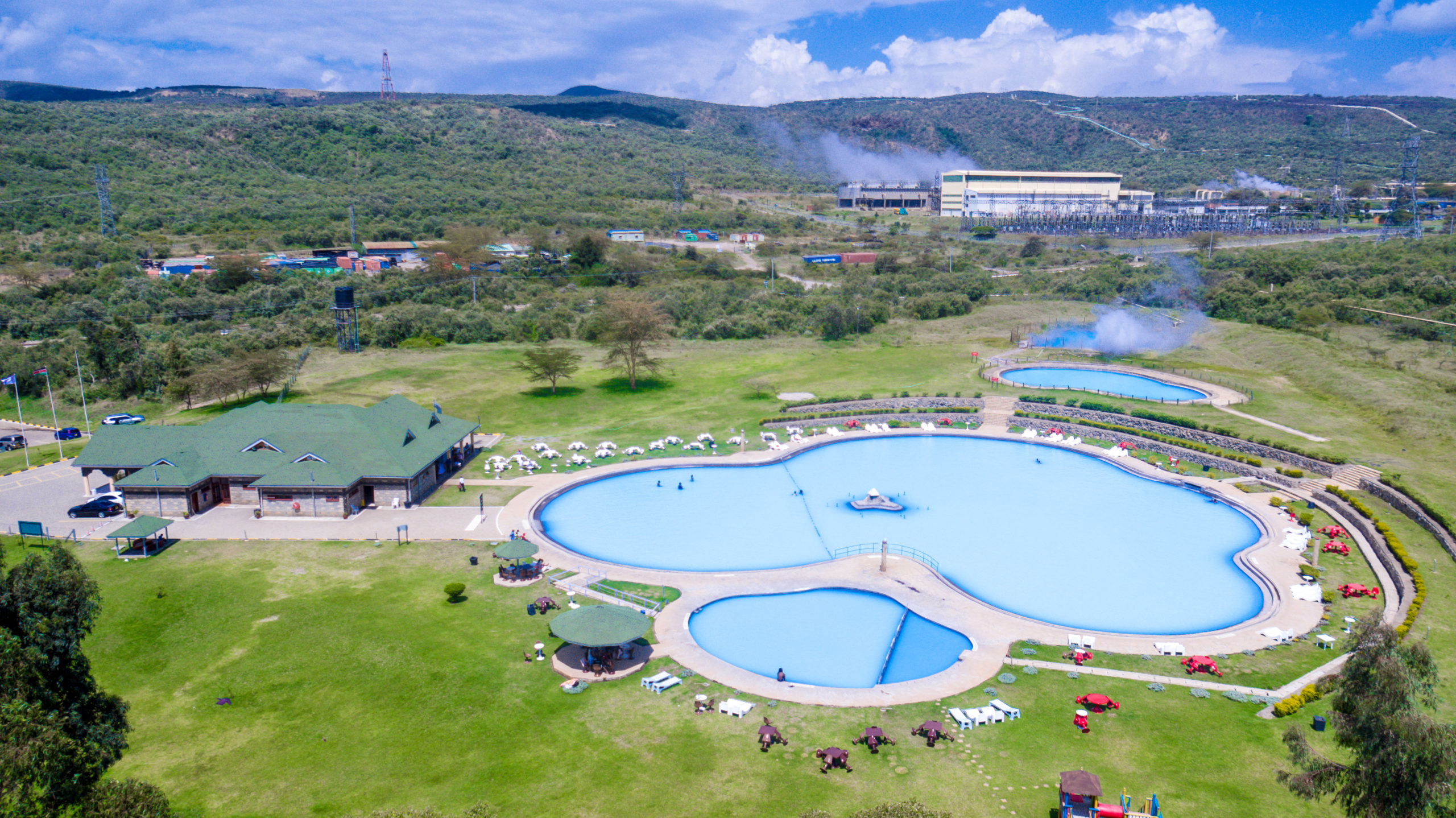
Aerial view of Olkaria Geothermal Spa pools in Hell’s Gate National Park, Kenya

Endachata Campsite
Activities
Camping, birding, walking trails and raptor viewingBest For
Travellers who want to camp inside the park and stay close to nature
Oldubai Campsite
Activities
Camping, cycling, hiking, stargazing and early park accessBest For
Budget travellers, backpackers and active safari travellers
Naivasha Kongoni Lodge
Activities
Hell’s Gate day trips, cycling, lake visits and birdingBest For
Mid-range stays close to Naivasha and Hell’s Gate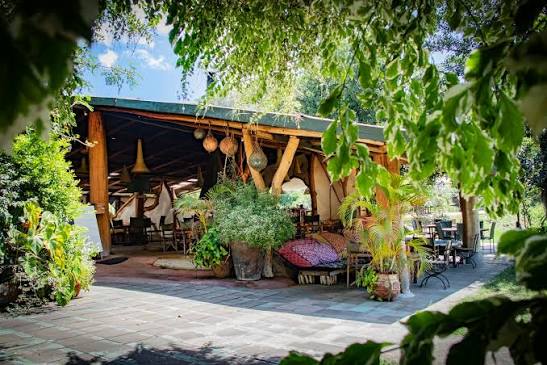
Camp Carnelley’s
Activities
Budget stays, lake activities, birding and day trips to Hell’s GateBest For
Backpackers, young travellers and relaxed Lake Naivasha stays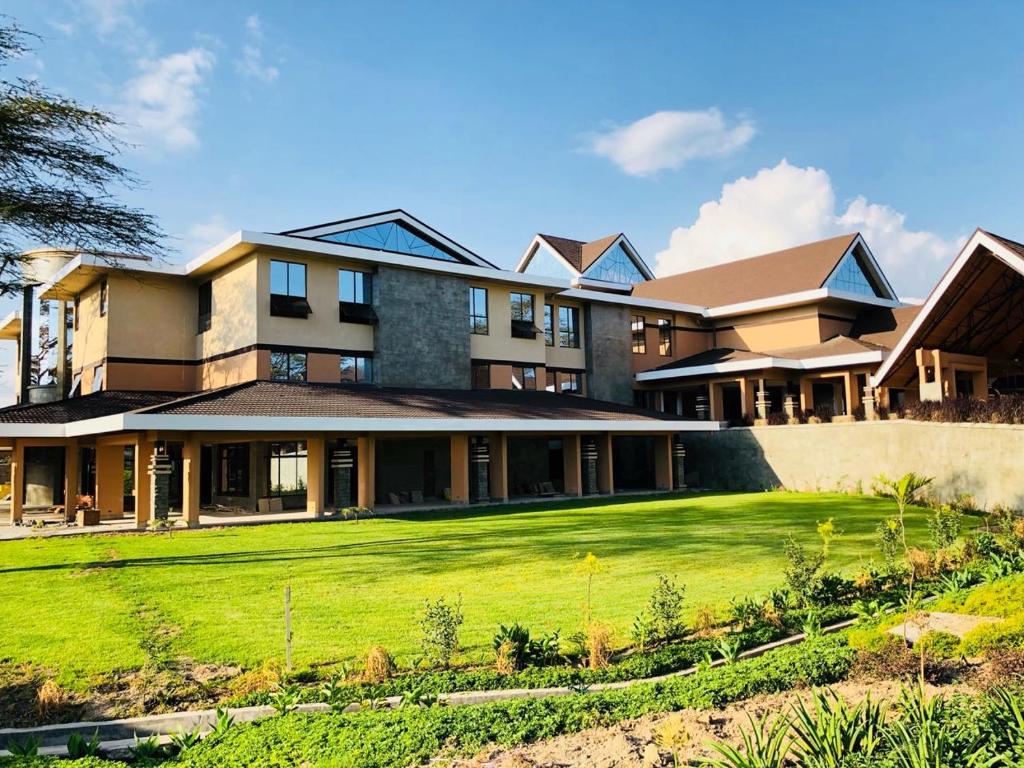
Lake Naivasha Resort
Activities
Hell’s Gate excursions, lake scenery, birding and family staysBest For
Families, couples and travellers wanting more comfort
Hippos Safaris Resort
Activities
Lake Naivasha stays, park visits, birding and short safari breaksBest For
Mid-range travellers using Naivasha as a base
Kiboko Luxury Camp
Activities
Luxury lake stays, birding, boat trips and Hell’s Gate day visitsBest For
Luxury travellers, couples and quiet safari extensions
Lake Naivasha Sopa Lodge
Activities
Lake views, wildlife around the grounds and Hell’s Gate visitsBest For
Comfortable lodge stays with easy Naivasha access