Is It Safe to Go Gorilla Trekking in Uganda?
Is It Safe to Go Gorilla Trekking in Uganda?
Gorilla trekking in Uganda is a guided activity, but it is not risk-free. In Bwindi Impenetrable National Park and Mgahinga Gorilla National Park, rangers lead visitors to habituated gorilla families and explain how to behave around them. The gorillas remain wild, and the walk can involve steep slopes, mud and uneven ground. Before booking, check your government’s current Uganda travel advice and discuss your route, fitness and support needs with BLS Safaris. Arrange insurance covering gorilla trekking and emergency evacuation. During the trek, stay with your group, follow the ranger’s instructions and report illness before entering the forest. These precautions help manage risk without promising complete safety.
Uganda Gorilla Trekking Safety at a Glance
Preparing for a gorilla trek means checking both the forest experience and your travel arrangements. Use these precautions when planning your visit to Bwindi or Mgahinga.
| Safety concern | What to expect | What you should do |
|---|---|---|
| Gorilla encounters | Habituated gorillas remain wild and can move towards visitors. | Follow the ranger’s instructions, keep the required distance and never touch or feed them. |
| Forest trails | Steep slopes, roots and mud can make footing difficult. | Wear boots with good grip, use a walking stick and arrange porter assistance. |
| Physical effort | Walking time varies with the gorillas’ location. | Explain your walking limitations before booking and tell your guide when you need a break. |
| Illness | Human infections can put gorillas at risk. | Report symptoms before trekking and follow the park team’s health instructions. |
| Regional security | Conditions around borders and travel routes can change. | Check current government advice and confirm your itinerary with a registered operator. |
| Medical assistance | Remote forest access can complicate getting help. | Confirm emergency contacts and insurance covering trekking and evacuation. |
| Transfers | Long journeys can leave you tired before trekking. | Allow time to rest and stay near your booked trekking start the night before. |
Current Uganda Travel Advice
Before booking, read your government’s latest travel advice for Uganda. Check the guidance for Bwindi, Mgahinga and every destination along your route, including border crossings if you arrive through Rwanda. Use the UK travel advice, US travel advisory, Canadian travel advice or your own government’s equivalent. Recommendations differ between countries and can change before departure. For Uganda’s southwestern parks, UK guidance recommends registered operators and checking with the Uganda Wildlife Authority for updated information. It also advises against gorilla trekking tours that cross into the Democratic Republic of the Congo. Ask us to review your planned transfers and park visits in light of current conditions. Confirm with your insurer whether government warnings affect your cover. A confirmed permit or an operating tour does not replace that check.
Are Mountain Gorillas Dangerous?
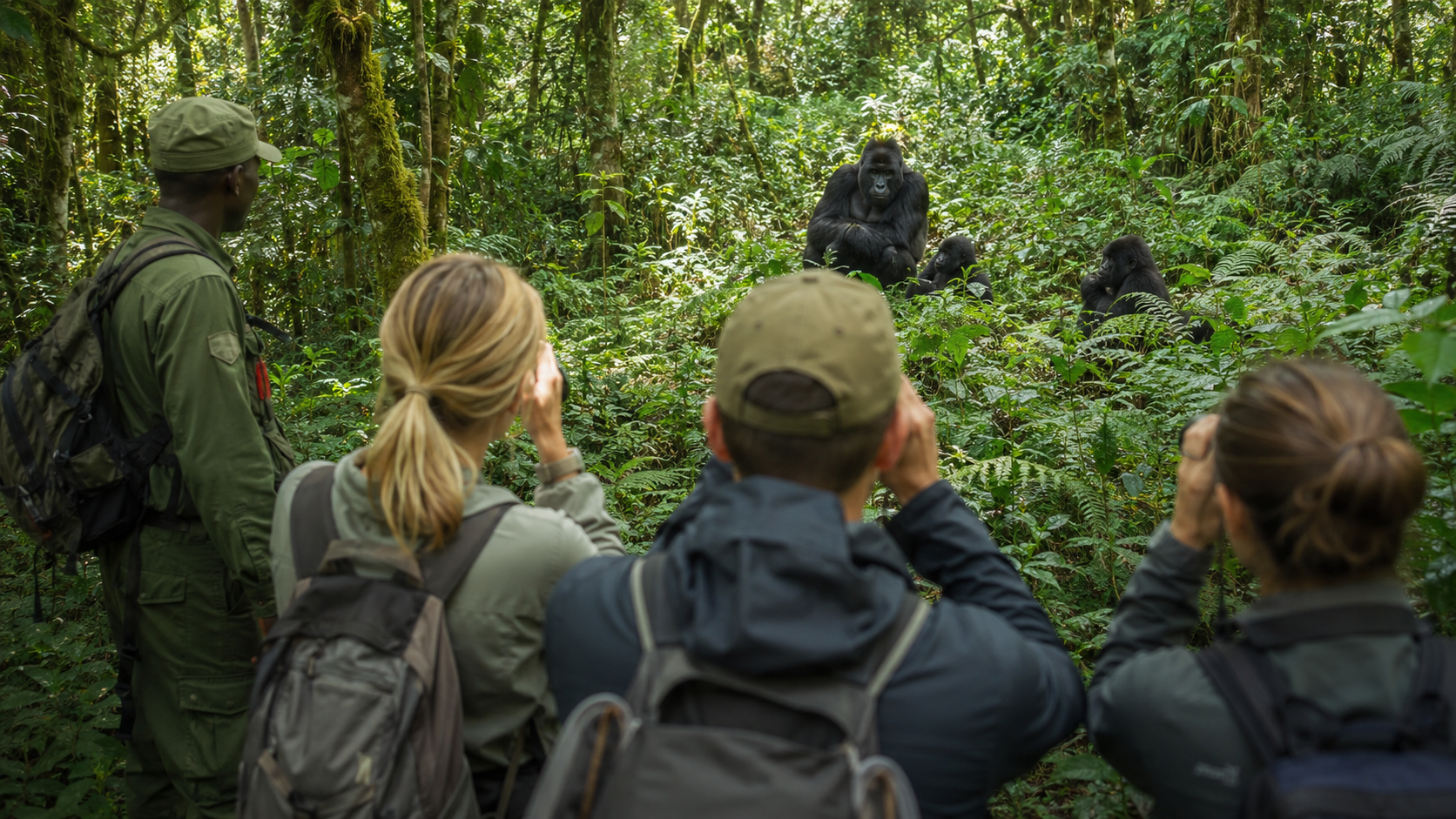
Mountain gorillas are powerful wild animals and can injure people. The families visited during trekking are habituated, meaning they are accustomed to people observing them. This does not make them tame or allow visitors to touch them. During your visit, gorillas can feed, rest, groom each other or move through the vegetation. A silverback can also beat his chest or make loud calls. Do not assume every display is an attack. Stay calm and follow the ranger’s instructions. Keep the required 10-metre distance, speak quietly and never touch, feed or crowd the gorillas. If one approaches, stop taking photographs and listen to your ranger, who will direct you on whether to remain still or move. Never run or attempt to push past the animal.
How Rangers Manage Your Gorilla Trek
Your trek begins with a park briefing covering gorilla viewing rules and behaviour in the forest. Your safari driver-guide brings you to the starting point, while the park ranger-guide leads the trekking group. Tell the team about illness or walking difficulties before setting out. In the forest, stay with your group and follow the ranger’s directions. Ask before stopping for photographs or stepping away from the route, and speak up if you feel unwell or need a break. Once you reach the gorillas, the ranger directs where you stand and when to reposition. The standard visit allows up to one hour with the family. Follow instructions promptly, even if that means putting your camera down or moving away from a better view. Security personnel routinely accompany gorilla tracking visits in this border region. Their presence supports the trek, but does not remove the need to check current travel advice.
Staying Safe on Forest Trails
Gorilla trekking involves uneven ground, muddy slopes and exposed roots. Wear hiking boots with good grip and use a walking stick for balance. Take short, steady steps on slippery descents, leaving space between yourself and the person ahead. Arrange a porter before setting out to carry your daypack and assist across awkward sections. Keep water, a packed lunch and rain protection with you. Stop in a secure place before taking photographs rather than walking while looking through your camera. Tell your ranger when you need a break or feel unwell. Save energy for the return journey, which can include an uphill climb after reaching the gorillas. If you cannot manage the walking distance, discuss sedan chair arrangements in Bwindi with BLS Safaris before booking.
Health Precautions Before Gorilla Trekking
Prepare for your own health and the gorillas’ protection. Check travel health requirements before departure, and tell your guide if you become unwell before the trek.
Illness and Protecting the Gorillas
Gorillas can catch infections from people. Report a cough, fever, sore throat or other signs of illness to your guide before entering the forest. Do not hide symptoms to avoid missing your trek. Follow the park team’s instructions on participation, masks and hygiene. Wearing a mask does not replace reporting illness.
Travel Health Preparation
Arrange a travel health consultation ideally eight weeks before departure. Discuss recommended vaccinations, malaria prevention and any existing conditions that could affect prolonged walking. Check Uganda’s current yellow fever certificate requirements separately from the trekking permit. Carry prescribed medication in your daypack, drink safe water and bring enough for the walk. If you feel unwell during trekking, tell the ranger promptly rather than pushing on.
Transfers and Security Around the Parks
Plan transfers to reach your lodge in daylight, with time for traffic, stops and slower road sections. Approaches to Bwindi and Mgahinga can include rough roads. Wear your seat belt and avoid an itinerary that requires rushing to reach the trekking briefing. If arriving through Kigali, confirm your Rwanda and Uganda entry documents and the planned border crossing before departure. Allow extra time for processing. Keep your passport accessible for border checks and stored securely afterwards. Ask BLS Safaris to confirm your pickup details, lodge location, and a contact number for delays. Stay near your booked trekking start the night before, and arrange local outings through your lodge or guide rather than taking unfamiliar forest paths alone. Do not add an unplanned excursion across the DRC border. Check current advice for the entire route, including any wildlife parks visited after your gorilla trek.
Insurance and Emergency Assistance
Before departure, confirm that your insurance covers gorilla trekking, medical treatment, emergency evacuation and repatriation. Give your insurer the full itinerary and check any limits relating to trekking altitude, existing medical conditions or government travel warnings. Do not assume a standard holiday policy covers every activity. Save your insurer’s emergency assistance number and policy details on your phone, with an offline copy. Share an emergency contact with BLS Safaris and ask who will coordinate assistance during your trip. If you become injured or unwell in the forest, tell the ranger immediately. Getting help can involve returning to a vehicle-accessible point before onward transport. Medical facilities outside Kampala are limited, and serious cases can require evacuation. Response time depends on your location and the available transport, so immediate assistance cannot be promised.
Booking Your Trek with BLS Safaris
Send BLS Safaris your preferred dates, number of travellers and arrival airport. Explain any walking limitations or assistance needs before booking so these can be considered alongside the park, accommodation and transfers. Before paying, request a written itinerary showing your trekking date, park and Bwindi sector where applicable, lodge, transport, inclusions and cancellation terms. Ask when your permit will be secured and what confirmation you will receive. Match your accommodation to the booked starting point. If you need a porter or sedan chair in Bwindi, ask the team to confirm arrangements and additional charges in advance. Keep your booking documents and trip contact details accessible. A confirmed permit reserves your trekking visit, but does not guarantee a particular family or a short walking route.

Recent Posts
What’s Included in a Safari Quote? A Guide to Costs and Exclusions
Masai Mara National Reserve: A guide to the Location, Wildlife and Activities