Rwanda isn’t automatically the better choice for every gorilla trek. Gorilla Trekking in Rwanda takes place in more open terrain, while Uganda’s Bwindi forest can mean denser vegetation and more demanding trails, so the right destination depends on the kind of hike you’re comfortable with. Rwanda’s minimum age is 15, and each trek follows rules designed to protect visitors and gorillas.
When planning Gorilla Trekking in Rwanda, it’s natural to weigh permit costs, walking conditions and the chance to see gorillas before choosing a destination. This guide compares Rwanda with Uganda, explains permit costs across three countries, and covers viewing rules, age limits, safety and other activities in Volcanoes National Park. It also offers practical guidance on what to expect from the trek, so you can plan a trip that suits your priorities and feel prepared for the day.
Key Takeaways
- Compare Rwanda and Uganda by terrain, trekking style, and conservation benefits to find a better fit for your trip.
- Explore Volcanoes National Park beyond gorilla tracking, with other hikes and wildlife experiences to consider.
- Understand the viewing protocols and trek-day expectations that help protect both visitors and gorillas.
- Prepare for changing weather and trail conditions with practical clothing and packing choices.
- See how a safari operator can coordinate permits, transport, and routing as part of a Rwanda safari.
What other activities are available at Volcanoes National Park?
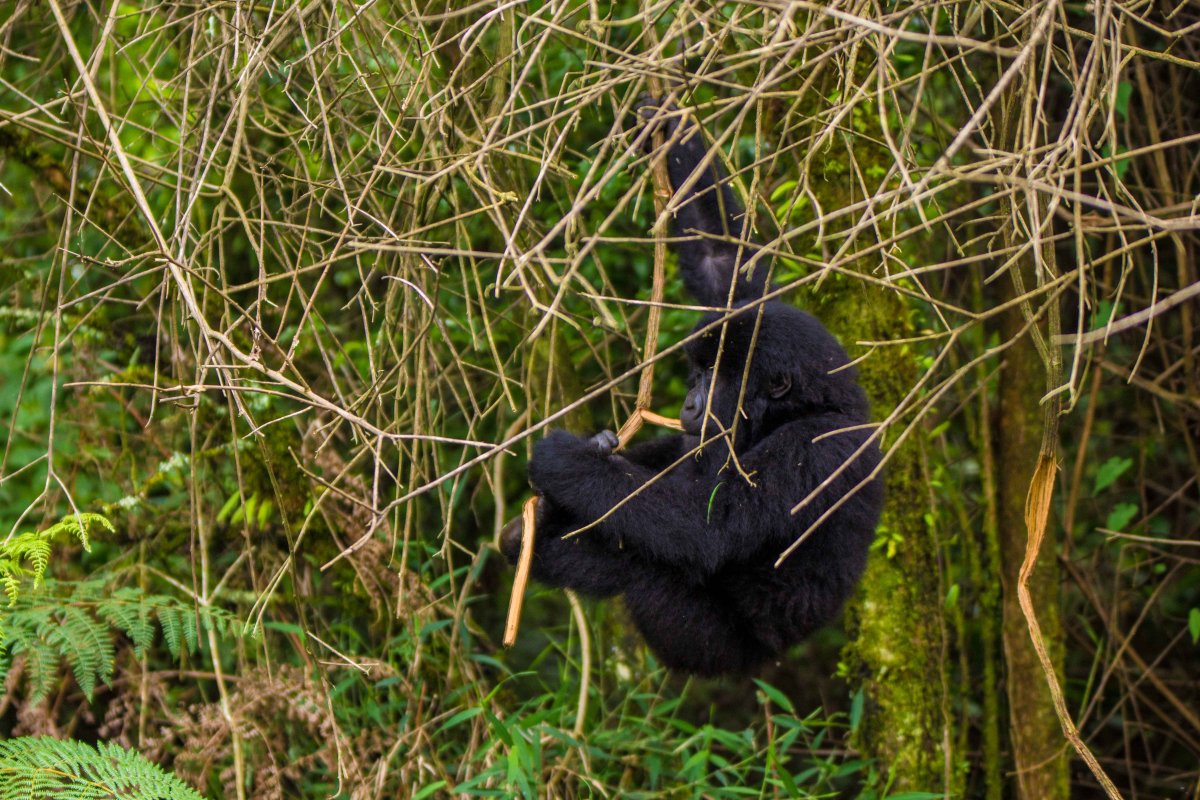
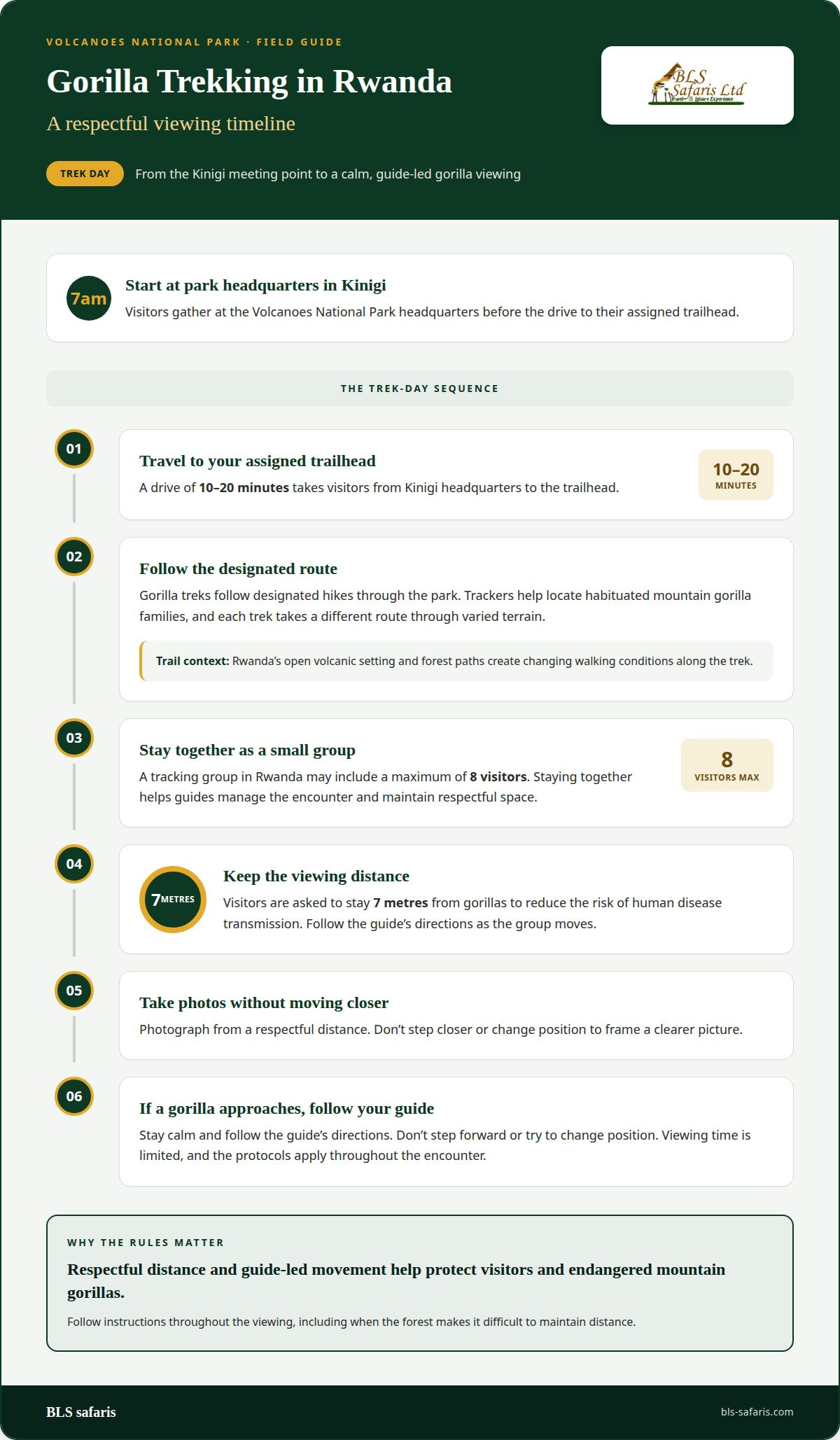
Volcanoes National Park offers more than gorilla trekking. Visitors can explore volcanic landscapes, track golden monkeys or hike to sites connected with conservation history. Gorilla treks follow designated routes to habituated mountain gorilla families. Trackers help locate the families in the forest, where they are accustomed to human visitors. Each trek takes a different route through the park’s varied terrain.
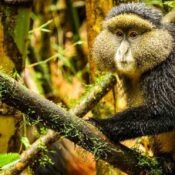
Golden monkey trekking is a wildlife alternative, and permits are available to adults and children aged 12 years and older. The hike to Dian Fossey’s Karisoke Research Station visits a place closely connected with mountain gorilla conservation. The route to Dian Fossey’s tomb is another option, while Mount Bisoke offers a challenging volcanic hike. These activities make it possible to build a varied Volcanoes National Park visit around a gorilla trek.
Where should you stay near Volcanoes National Park, and how much do lodges cost? Musanze and the Kinigi area are practical bases close to the park headquarters. Lodge costs vary with comfort level, season, meal plan and location. A simple stay and a high-end lodge can cost very different amounts, so choose based on the experience and services you want.
For a gorilla trek, visitors gather at the Volcanoes National Park headquarters in Kinigi at 7am. From there, a drive of 10-20 minutes takes visitors to their assigned trailhead. Kigali is about a 90-minute drive from Musanze, so a safari operator can plan the road transfer, overnight stay, and park activities together. A well-organised route also helps coordinate the early start and the return journey. Visitors can explore safari trip options that connect Kigali with Volcanoes National Park.
At the trailhead, local porters can help carry day bags, making a steep or muddy walk easier. The open volcanic setting and forest paths create a striking contrast between hikes. Pairing gorilla trekking with a golden monkey trek or conservation-site visit adds another perspective on Rwanda’s national park landscape.
Is Gorilla Trekking in Rwanda better than in Uganda?
Neither destination is automatically better. Forest conditions, available gorilla groups and conservation priorities can all shape your choice. Compare these factors to decide which trekking experience best fits your plans.
Conservation and Community Benefits
Mountain gorilla conservation depends on protecting forest habitat while supporting the communities living near it. In Rwanda, 10% of gorilla permit revenue is channelled to local communities. That connection is worth considering when choosing where to trek, alongside the park landscape and available experiences. Conservation involves more than seeing these fascinating creatures; it also links wildlife protection with local livelihoods.
Gorillas in the Virunga Massif
The Virunga Massif spans Rwanda, Uganda, and the Democratic Republic of the Congo. It is home to 604 mountain gorillas, while approximately 1,000 mountain gorillas live in the wild overall. Rwanda’s Volcanoes National Park forms part of this mountain habitat. The wider massif matters because gorillas live across a forest landscape that reaches beyond national borders, rather than within one park alone.
Habituated Families and Population
Rwanda’s Volcanoes National Park is home to around half of the world’s mountain gorillas. Rwanda issues eight tracking permits per gorilla troop per day, creating a small viewing group. Uganda’s Bwindi Impenetrable National Park has approximately 20 mountain gorilla family groups, with eight to 11 available for trekking and observation. These figures help compare the scale of each destination, though family numbers alone don’t determine the character of a trek.
Trekking in Rwanda
Rwanda has 96 gorilla tracking permits available each day, while Uganda allows approximately 80 trekkers daily. In Rwanda, treks take place on designated hikes through Volcanoes National Park, where open terrain can support sightings and photography. Uganda’s Bwindi forest has denser vegetation and undergrowth, which can make walking and viewing more demanding. Your preferred scenery, trail conditions, and trip routing can guide the decision. Explore this Rwanda and Uganda trekking comparison as part of weighing the differences.
Choose Rwanda for its open volcanic setting in the Virunga Massif. Uganda offers more family groups in Bwindi, where treks pass through denser forest. Both destinations protect mountain gorillas, so compare the landscapes and conservation benefits that matter most to you.
Gorilla-viewing rules and duration
In Volcanoes National Park, viewing time is limited, and distance rules protect both gorillas and visitors. Guides explain the protocols before the group approaches a mountain gorilla family.
Viewing Distance and Protocols
Visitors are asked to stay 7 metres from gorillas to reduce human disease transmission. This distance can be difficult to maintain in dense forest, so follow guides’ instructions as the group moves. Keep your position respectful when taking photographs, and don’t move closer for a clearer picture. The 7-metre rule protects endangered mountain gorillas, whose health can be affected by human illnesses.
A tracking group in Rwanda may include a maximum of 8 visitors. Staying together helps guides manage the encounter and keep the group at a respectful distance. If a gorilla approaches, follow the guide’s directions rather than stepping forward or trying to change position. These protocols apply throughout the viewing, not only when the family first appears.
Viewing Guidelines
Listen to the guides and follow their directions throughout the encounter. Their instructions help visitors move calmly and maintain space around the gorilla family. Take photos from a respectful distance rather than stepping closer to frame a shot. Following the rules helps the group observe without crowding the animals.
The forest can make it difficult for everyone to see at once. Don’t push forward to improve your view; wait for the guides to show the group where to stand. A camera doesn’t replace the need to follow distance guidance. This helps protect the gorillas while allowing visitors to share the viewing space.
Viewing Duration
Gorilla groups in Rwanda may spend a maximum of one hour per day in contact with tourists. That limit applies to the time spent with the family, not the entire trek. The walk through Volcanoes National Park can take from 30 minutes to four or more hours, depending on where trackers locate the gorillas.
Expect a variable walk, rather than assuming the gorilla family will be close to the trailhead. Altitude and forest conditions can make the trek challenging, even before viewing begins. Once you reach the gorillas, the one-hour limit makes each minute valuable. Observe quietly and take photos from a respectful distance.
Gorilla trekking in Rwanda combines a forest hike with a short, carefully managed encounter. Visitors can review gorilla trekking guidance to understand how the experience works. A useful plan is simple: listen to guides, stay with the group, respect the 7-metre distance, and follow instructions if the gorillas move. These steps help visitors observe endangered mountain gorillas without disrupting their families.
Minimum age and visitor safety
Rwanda’s minimum age for gorilla tracking is 15 years. Visitors should also consider the trek’s physical demands and high-altitude setting before planning.
Age Eligibility for Tracking
Every gorilla trekking visitor in Rwanda must be at least 15 years old. This age threshold is an important planning point for families travelling with younger children. A child below 15 cannot join the gorilla tracking trek, so families may need to plan different activities for them. The minimum age applies to tracking mountain gorillas in Volcanoes National Park.
Age is only one part of readiness. Treks can involve a long walk over uneven ground, and good physical fitness is recommended in Rwanda’s high-altitude park. Before choosing a trekking date, consider whether each eligible visitor can manage sustained walking. The age limit alone does not determine readiness.
Visitor Safety
Volcanoes National Park treks reach altitudes between 2,500m and 4,000m. That elevation, combined with forest paths and changing terrain, can make the walk physically demanding. Gorilla treks may last up to eight hours, so visitors should be prepared for a substantial day outdoors. A comfortable pace matters more than trying to keep ahead of the group.
Trackers help locate the gorilla family, while guides lead the group and explain how to proceed. Follow their directions as the terrain changes, and stay with the group instead of taking a separate path. If a section feels difficult, tell the guide so they can respond appropriately. These steps help keep the trek organized.
Safety also means helping protect endangered gorillas from human diseases. Rwanda’s viewing rules include keeping a respectful distance, as explained above. Follow the guides’ instructions throughout the encounter, even if a closer view seems possible. A careful approach lets visitors focus on the experience without crowding the gorillas.
Before travel, assess fitness for gorilla trekking in light of the altitude and walking involved. Visitors with different fitness levels may find the same route very different. Planning around the youngest eligible trekker or the least confident walker can help families choose a suitable itinerary. With preparation and guidance, meeting a mountain gorilla can be an unforgettable experience.
What should you pack and wear for gorilla trekking in Rwanda?
Start with the conditions around Bisate, where temperatures are around 7°C to 15°C. A cool morning can feel different from a warm walk later in the day. Wear light layers that you can adjust as the trek continues. Choose clothes that cover your arms and legs for walking through forest vegetation. Pack a waterproof outer layer for changing mountain weather.
For the trail, choose clothing that allows comfortable movement and shoes with a firm grip. Volcanoes National Park has slippery rocks, so stable footwear helps on uneven ground. Long trousers and sleeves provide a practical barrier against branches and undergrowth. Muted colors can blend into the natural surroundings.
A simple day bag can hold useful items without adding unnecessary weight. Consider packing:
- Waterproof jacket and a warm layer for cool conditions
- Long trousers, long-sleeved top, and spare socks
- Sturdy walking shoes with a reliable grip
- Drinking water, snacks, and a small day bag
- Camera, spare battery, and protective cover
Use gloves if you expect to hold branches for balance. Gardening-style gloves can protect your hands from rough vegetation. Keep a walking stick accessible if you use one for stability. A porter at the trailhead can carry your day bag, leaving your hands free when needed.
Pack for a walk that may last from 30 minutes to four or more hours. The trek length depends on where trackers locate the gorillas, so keep essentials easy to reach. Carry only what you can manage comfortably. Put your rain layer, water, and camera near the top, rather than buried beneath spare clothes.
Protect electronics from rain and damp forest conditions with a dry bag or waterproof pouch. Bring spare camera batteries, as cold conditions can shorten battery life. Keep personal items secure and leave valuables you won’t need on the trail behind. Before leaving your lodge, check your footwear, water and rain protection.
Good preparation means matching each item to the trail and the 7°C to 15°C conditions near Bisate. Choose comfortable layers, secure shoes, and a compact bag. Keep your hands free for balance, and make your camera easy to protect. These practical choices help you focus on the forest, trackers, and gorilla encounter.
BLS safaris: Rwanda Safaris
BLS safaris can turn your gorilla trekking plans into a well-routed Rwanda safari. Our tailor-made planning brings transport, lodging and park activities together, with local guidance, clear routing, handpicked lodges, transparent pricing and support from enquiry through travel.
Start with the choices that shape your itinerary: travel dates, preferred pace and other places you hope to visit. BLS safaris can tailor a Rwanda safari to your priorities. If you’re considering more than one country, East Africa Safaris can bring regional travel into the planning.
A safari itinerary can also connect Rwanda with Uganda, Kenya or Tanzania. Uganda Safaris may suit travelers who want to include Bwindi, while Kenya Safaris or Tanzania Northern Circuit Safari can add other East African destinations. The best fit depends on the route and experiences you want, not on adding stops simply to make the trip longer.
Clear routing matters because a gorilla trek has a fixed park location and an early start. A well-planned itinerary connects arrival arrangements, an overnight stay near the park and onward travel. BLS safaris considers handpicked lodges as part of safari planning, so the route and accommodation work together. Pricing is transparent, with permits, transport, lodging and meals itemised in the quote, and no hidden fees, ever.
Local guidance can help you understand how the itinerary fits together, including travel between destinations and planned park activities. Support continues from enquiry through travel, giving your plan a clear point of coordination. This can be especially helpful when combining a trek with golden monkeys, other Rwanda experiences or cross-border travel.
Choose the scope that suits you: a Rwanda-focused itinerary or a wider East Africa journey that includes Uganda, Kenya or Tanzania. Share your preferred dates, priorities and travel style, then shape the route around them. A focused plan keeps the gorilla trek central while making room for other experiences that matter to you.
If you’re ready to discuss your Rwanda itinerary, contact BLS safaris and share what you’d like your trip to include.
Frequently Asked Questions
How much does a Rwanda gorilla trekking permit cost?
A standard Rwanda gorilla trekking permit costs USD 1,500 per person. This is the permit fee, separate from accommodation, transport, meals, and other safari arrangements. Keep those costs distinct when planning your overall trip budget. The route, length of stay, and chosen lodging also affect the total cost of a safari, so the permit price alone does not represent the full trip expense.
How can a safari operator help you book a gorilla trekking permit in Rwanda?
A safari operator can coordinate the permit as part of a planned trip, alongside transport, lodging and meals. Share your preferred travel dates, destinations and pace so the itinerary can be tailored to your plans. Permit availability affects which dates can be arranged, so planning the trek together with the surrounding travel helps keep the itinerary coherent. The route can also include travel to Volcanoes National Park.
What are the age and health requirements for Rwanda gorilla trekking?
Visitors must be at least 15 years old to track gorillas in Rwanda. Good physical fitness is recommended because the trek takes place at high altitude and involves walking over uneven ground. There is no additional health eligibility threshold in the information provided here. Consider the length and physical demands of the outing when deciding whether each eligible traveler is ready for the trek.
What are the rules for visiting mountain gorillas in Rwanda?
Keep at least 7 metres from the gorillas, follow the guide’s directions, and take photographs from a respectful distance. A Rwanda tracking group may include a maximum of 8 visitors, and gorilla groups may spend no more than one hour per day in contact with tourists. These limits help manage encounters and reduce the risk of passing human diseases to the animals.
How difficult is the trek, and how long does it usually take?
The walk varies with the location of the assigned gorilla family. In Volcanoes National Park, treks can range from 30 minutes to four or more hours, while some treks may last up to eight hours. The park’s altitude and slippery rocks can add to the physical challenge. A steady pace and fitness for extended walking are useful, even when the route appears manageable.
How do you get to Volcanoes National Park from Kigali?
Travel from Kigali by road toward Musanze, then continue to Volcanoes National Park. Kigali is a 90-minute drive from Musanze, and visitors gather at the park headquarters in Kinigi at 7am. A planned itinerary can connect the transfer with an overnight stay near the park, allowing visitors to reach the morning meeting point without beginning the day with the full drive from Kigali.
How does gorilla trekking in Rwanda compare with Uganda?
Rwanda’s gorilla treks take place in Volcanoes National Park, while Uganda’s main trekking location, Bwindi Impenetrable National Park, has denser forest and undergrowth. Consider permit costs alongside terrain and routing: Rwanda’s open volcanic slopes contrast with Bwindi’s thick vegetation. Neither destination is the right fit for every traveler.
What health, safety, and weather risks should trekkers prepare for?
High altitude, uneven trails, slippery rocks and changing weather are practical considerations on a Rwanda trek. The country’s rainy seasons run from March to May and October to December, so wet conditions may affect footing. Human diseases can also pose a risk to gorillas, which is why visitors must follow viewing-distance guidance and their guides’ instructions. Prepare for a physically demanding day outdoors.